Ecuador
Cotacachi
Laguna Cuicocha is a crater lake at the foot of Cotacachi Volcano, known for its two islands in the middle. We went there with our new friends Laurie and Jim.
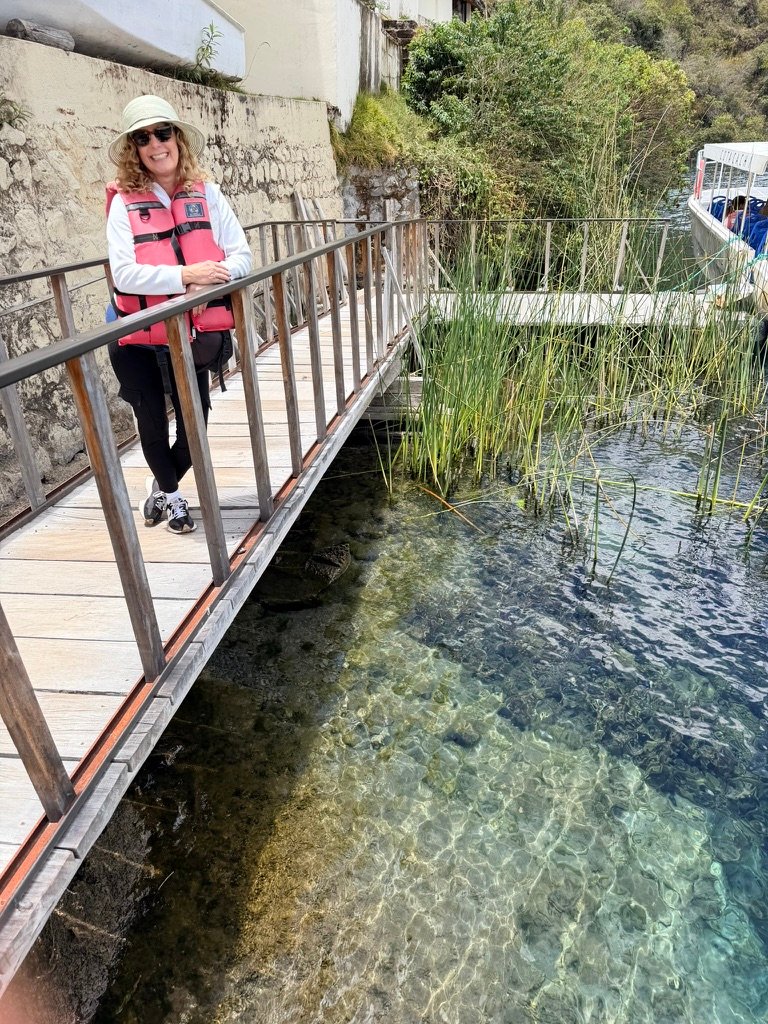


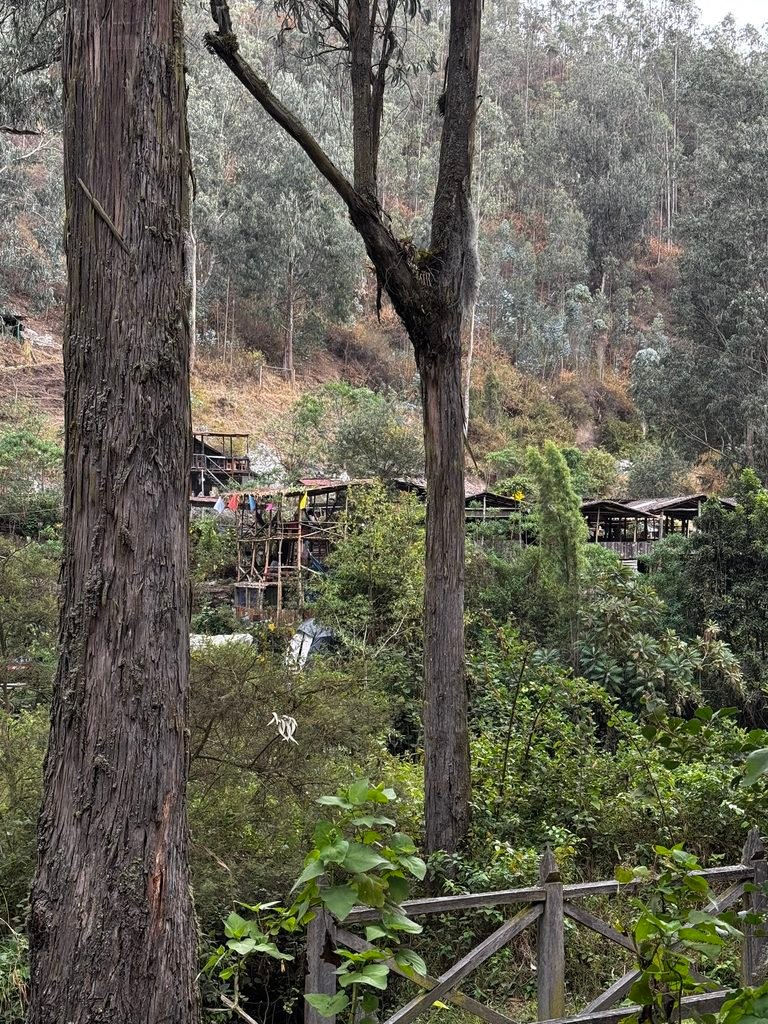


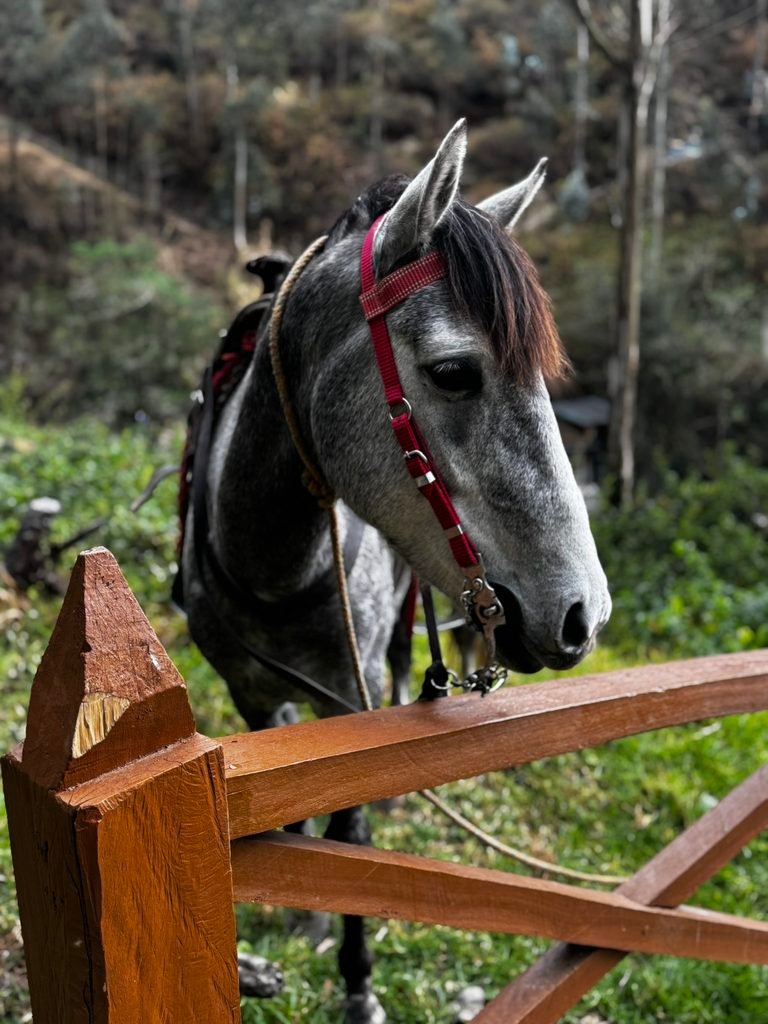

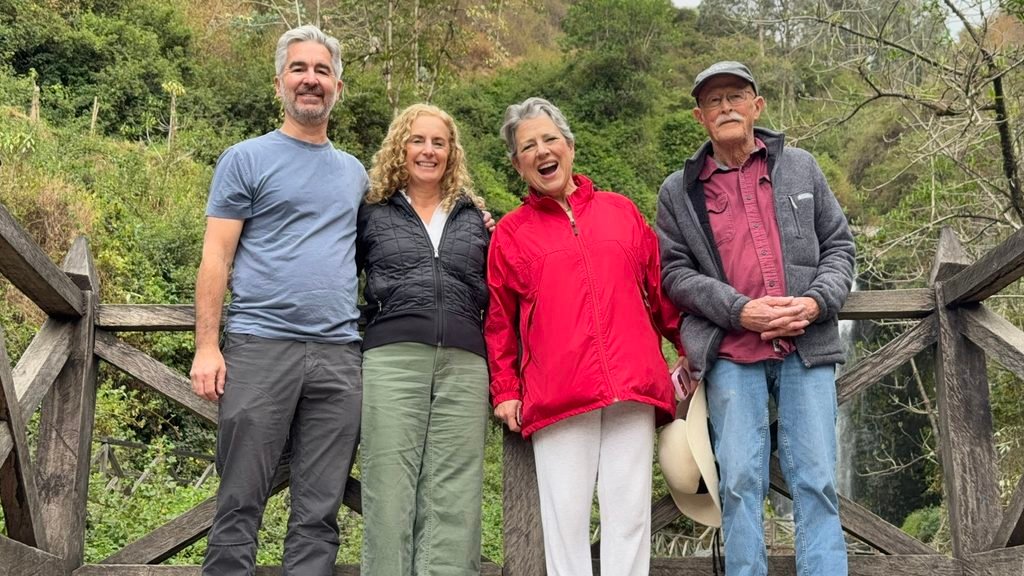
In Cotacachi, Julie and I met new friends Laurie and Jim who are also in the Turtle Travel Club. They were very kind and showed us the sites.
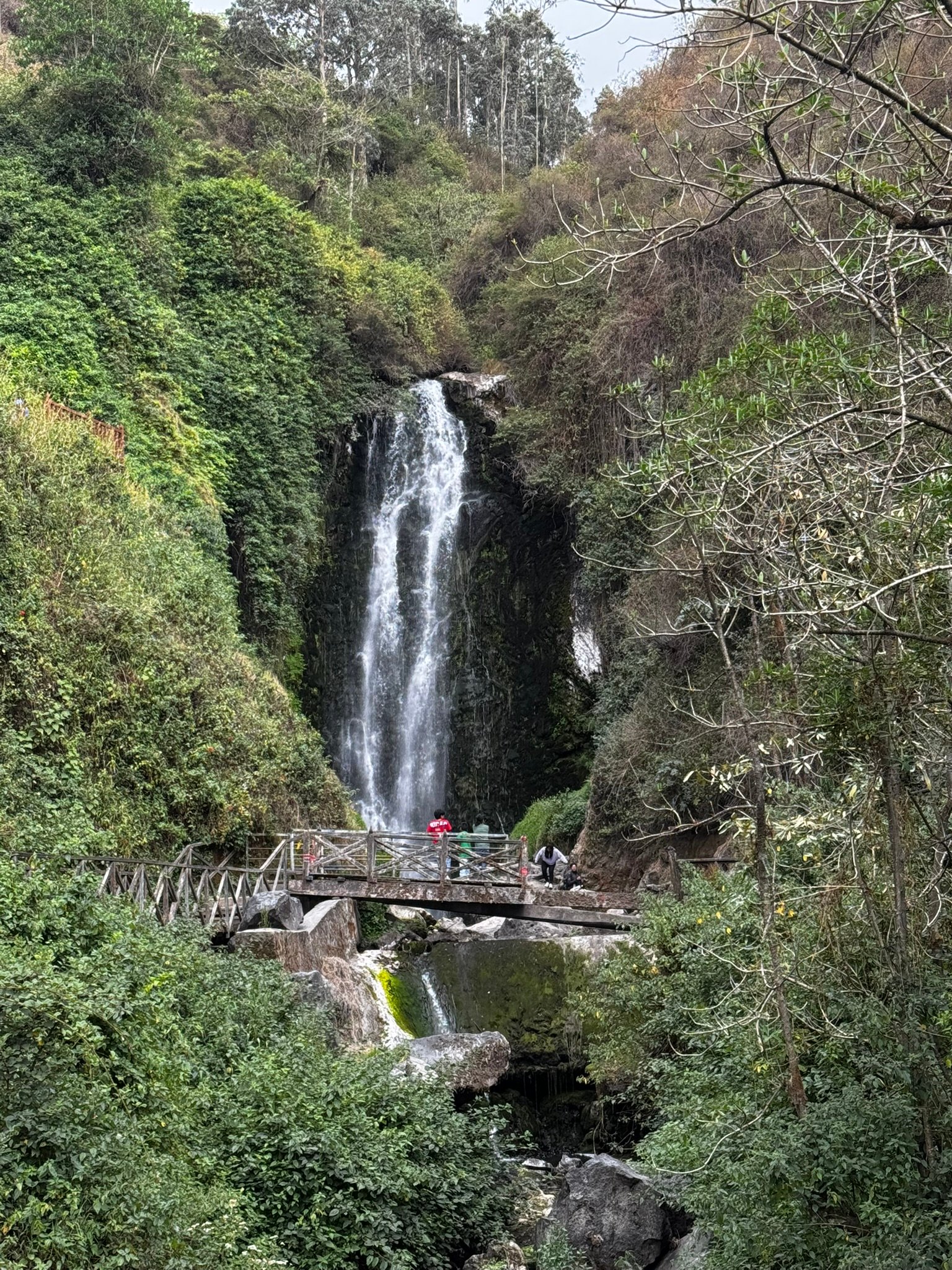
Peguche Waterfall near Cotacachi
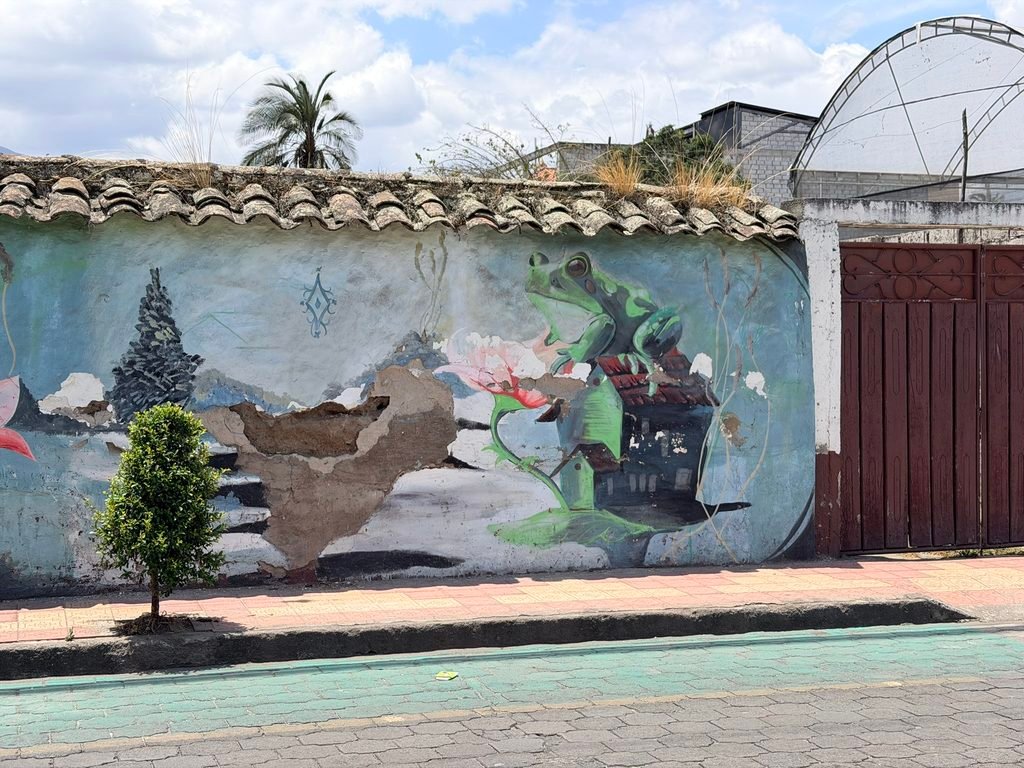
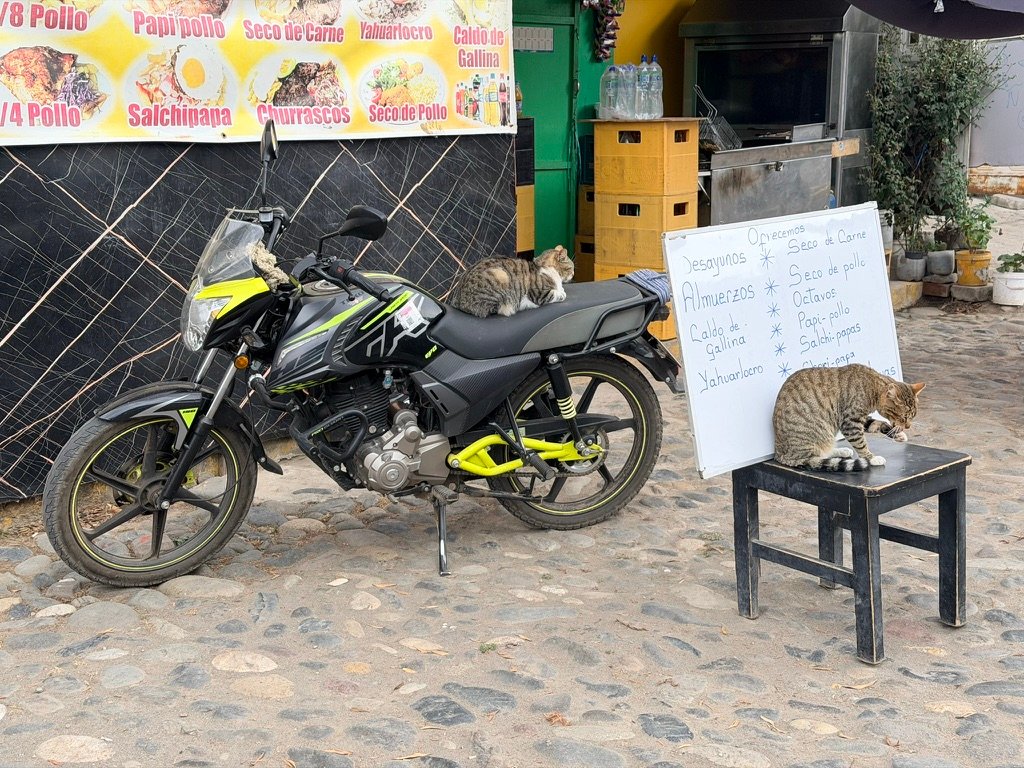
Cotacachi’s main square is called Parque Abdón Calderón, also known as Parque Central.
Cotacachi is a small Andean town in northern Ecuador, best known for its leatherwork, Indigenous traditions, and proximity to the volcanic crater lake of Cuicocha. The goal was to have a few slow days, which we got.
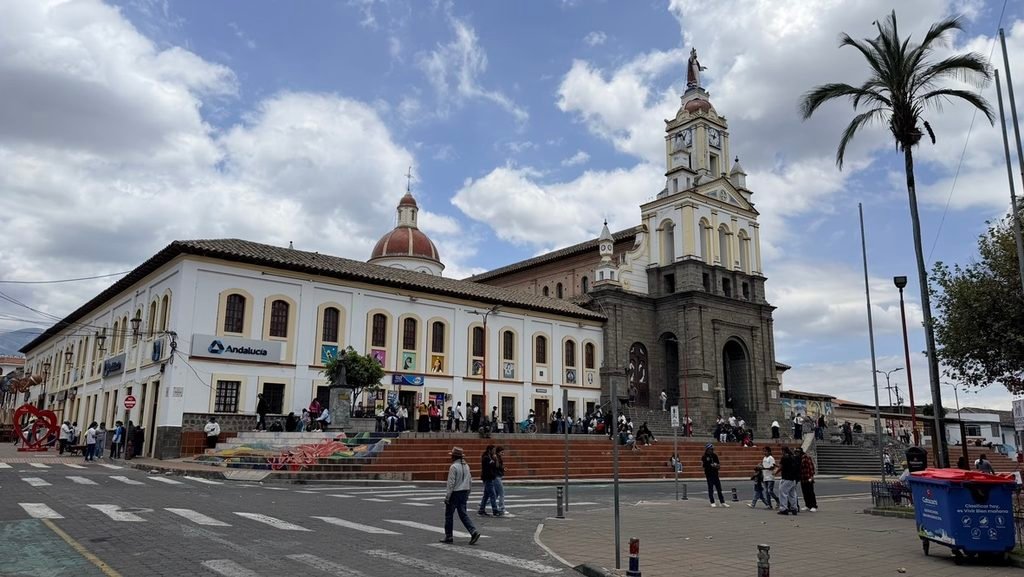
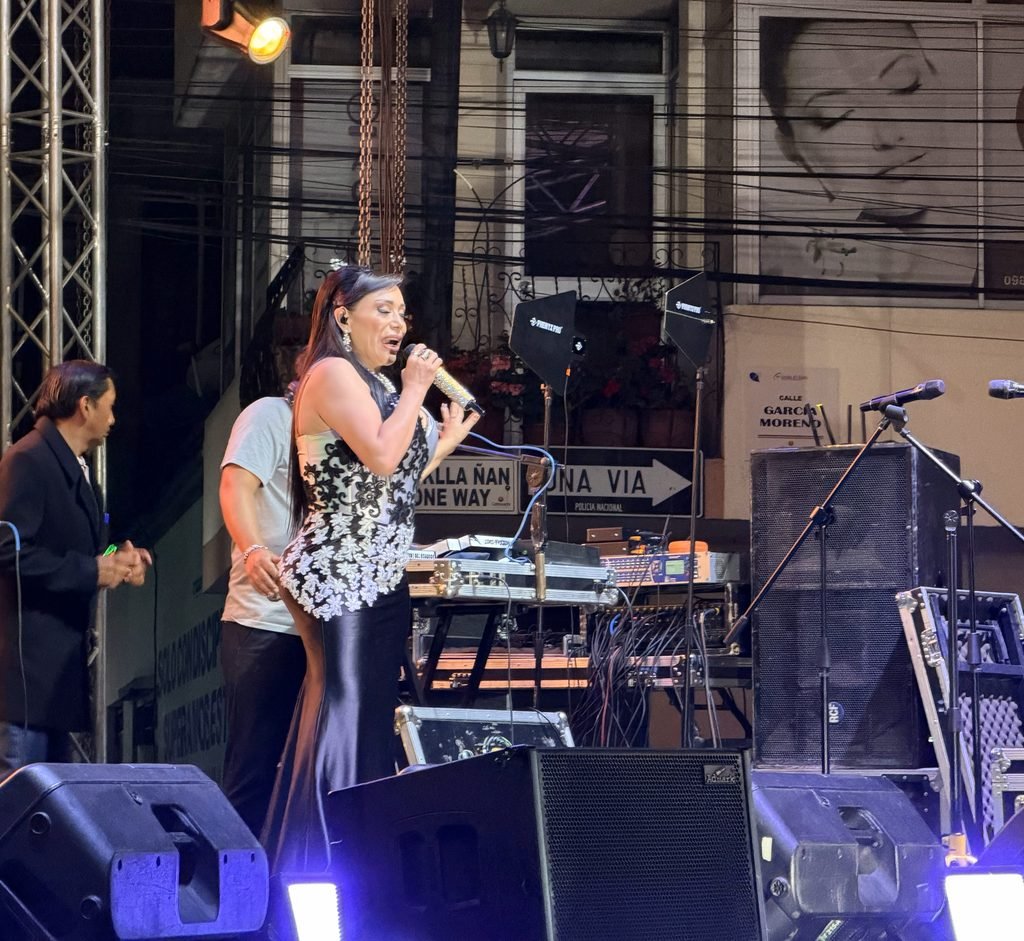
There was a concert in the square the first night of our arrival. It went until 2 am. We stopped by but didn’t stay too long.
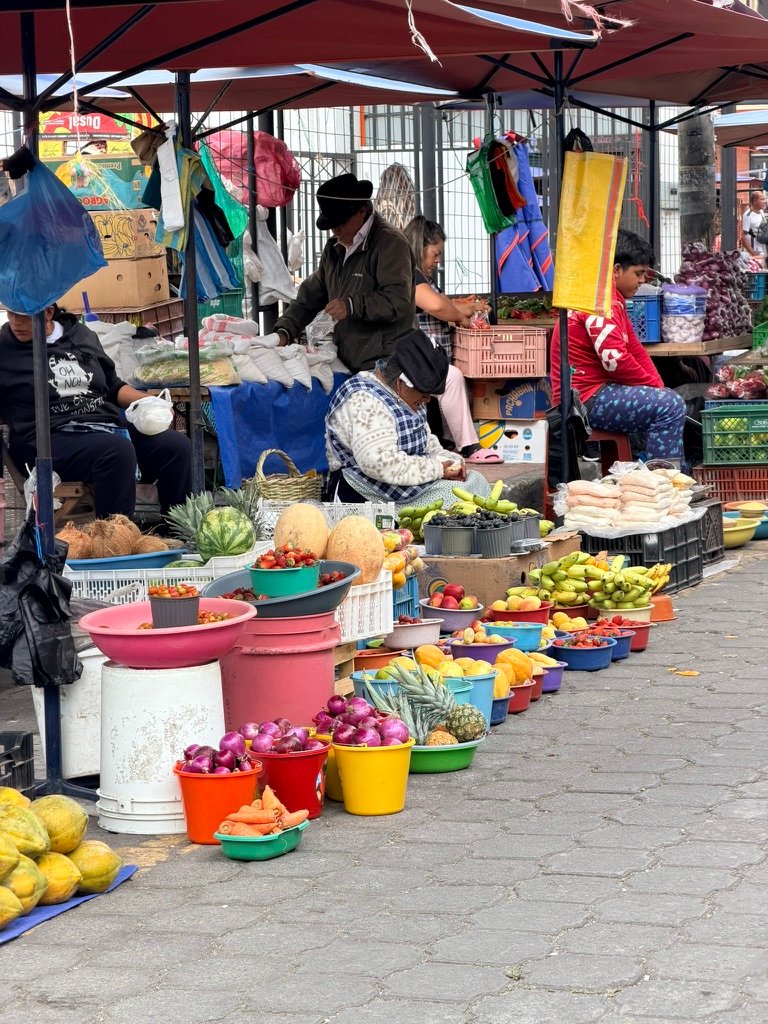
Market Day in Otavalo, then On to Cotacachi
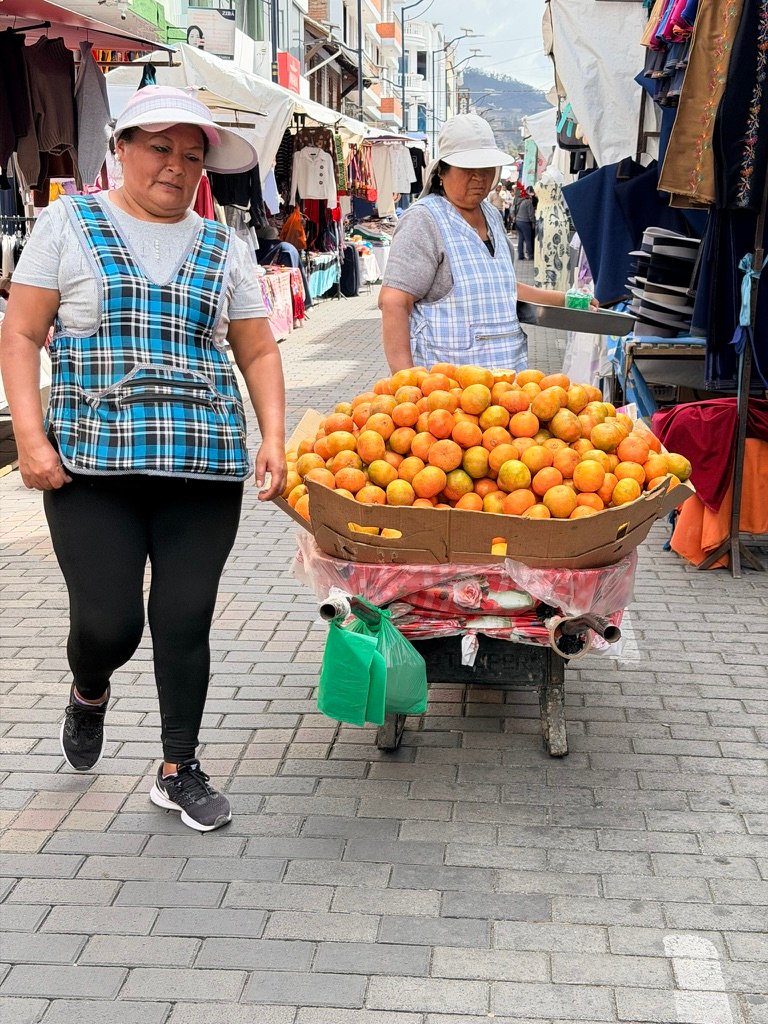
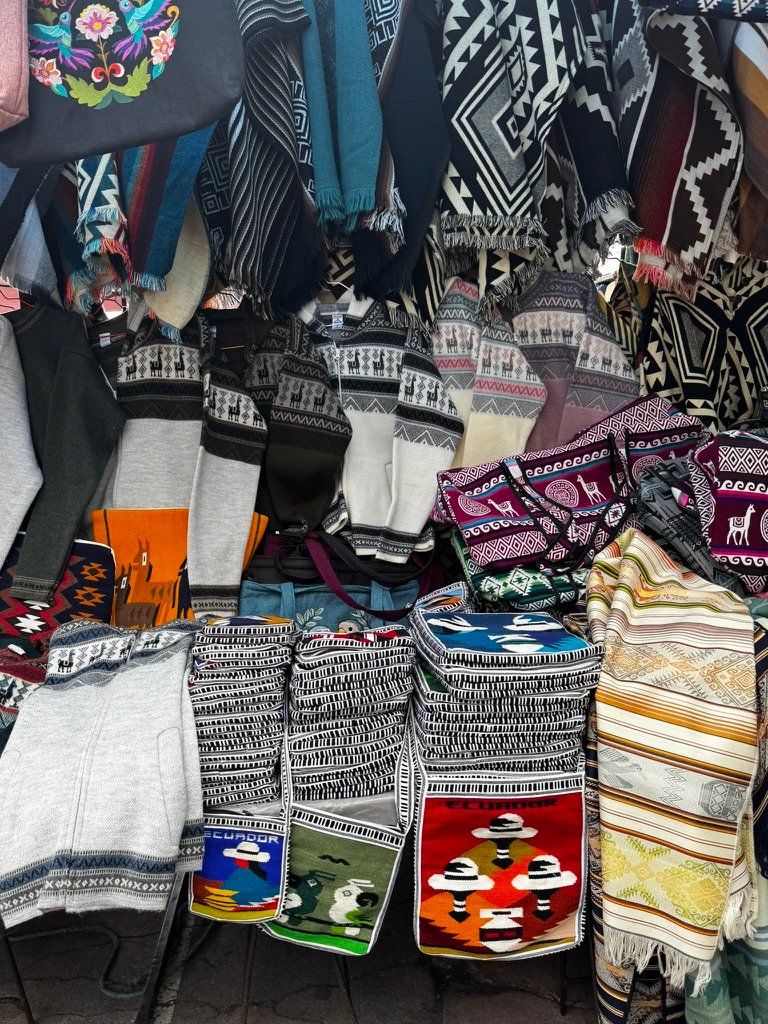
We headed to Otavalo and stopped at its famous market. It was a Saturday which is the big market day. Stalls spread beyond the Plaza de los Ponchos into the surrounding streets.
Otavalo is known for its rich Indigenous Kichwa culture and long tradition of weaving. Its market brings those traditions into a colorful display of ponchos, blankets, scarves, embroidered clothing, jewelry, and other crafts.
We didn’t buy anything. Our luggage is at maximum capacity.


Grubs anyone? No idea who buys these or for what.

Mindo, Ecuador
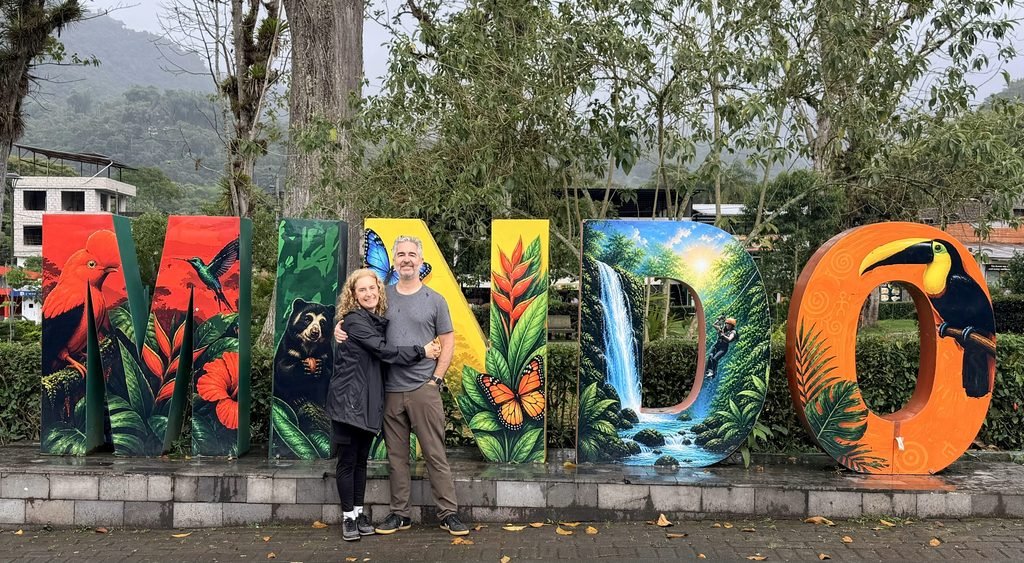
Mindo is a small town in Ecuador’s cloud forest, roughly two hours northwest of Quito. It is surrounded by misty hills, rivers, and lush vegetation, it’s best known for birdwatching, waterfalls, butterflies, and chocolate. Its appeal is less about monuments or museums and more about getting close to nature and enjoying a relaxed small-town atmosphere. We arrived in Mindo on September 23 and left on the 26th.
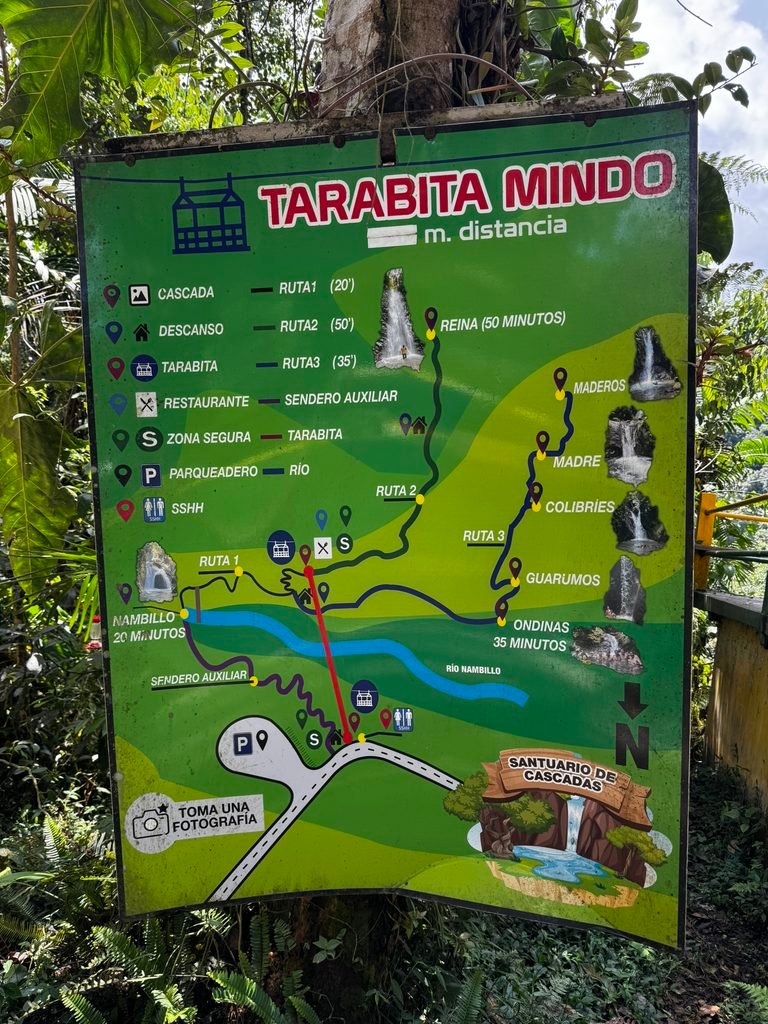
Tarabita Mindo a las Cascadas in Mindos
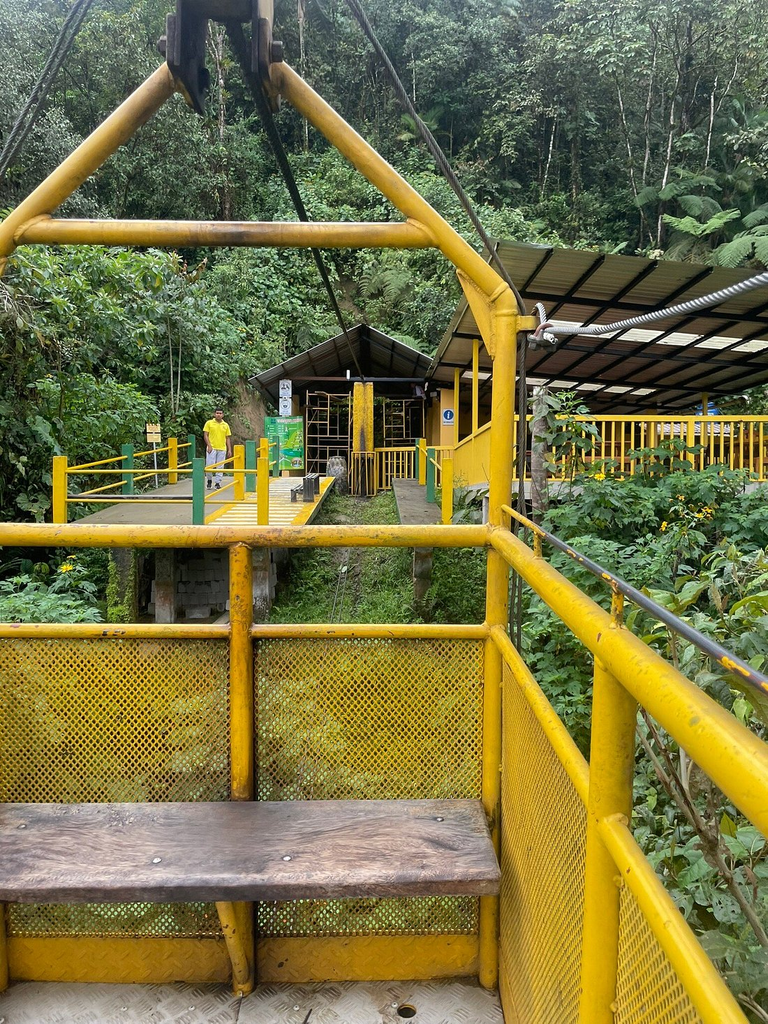
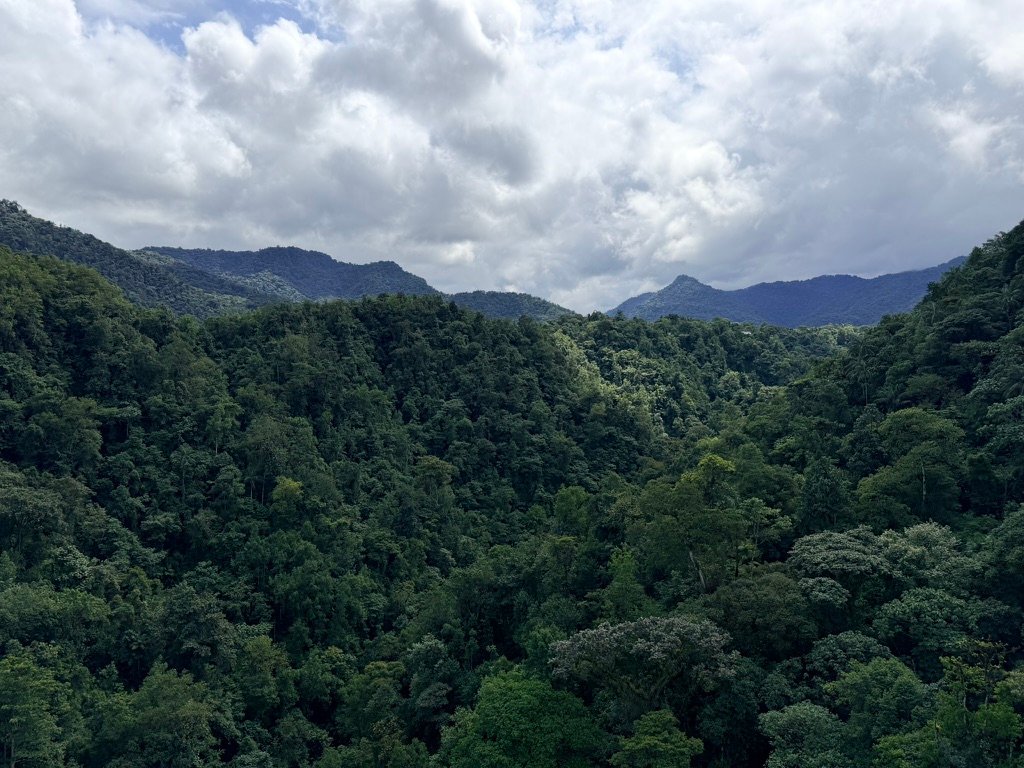
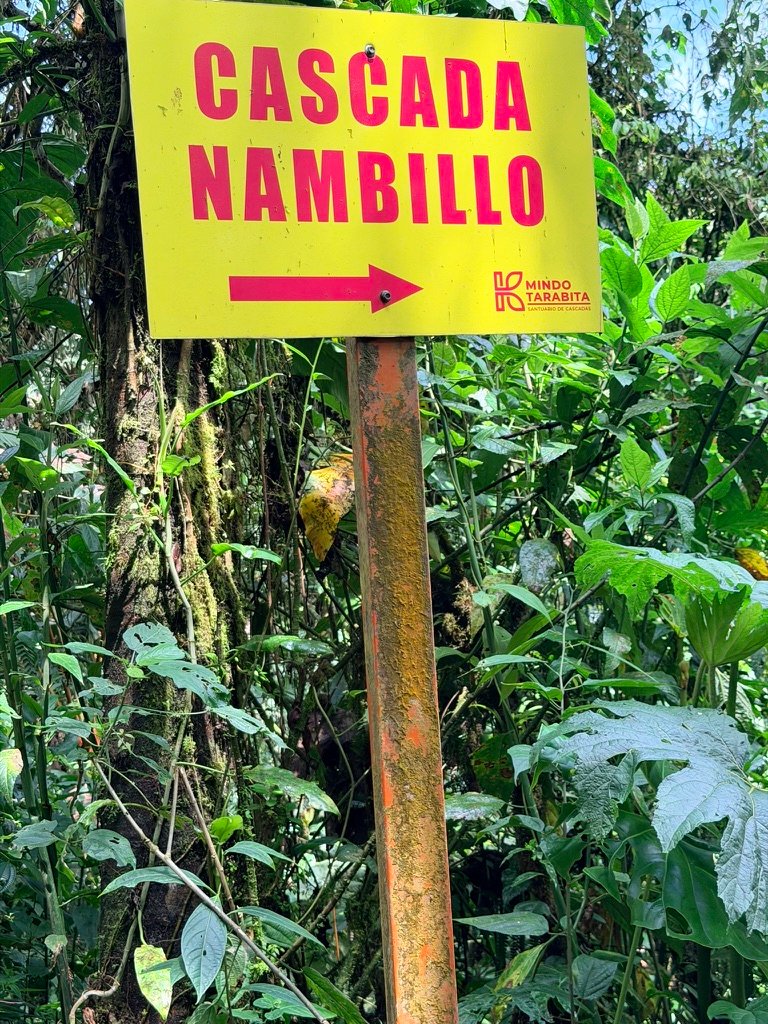
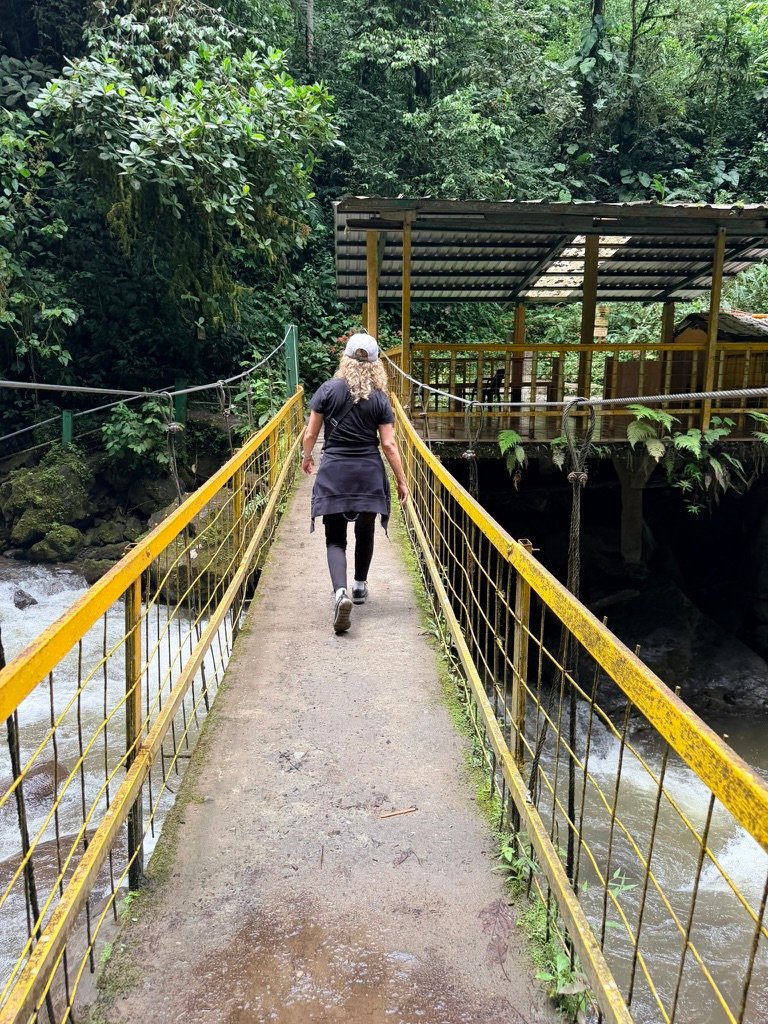
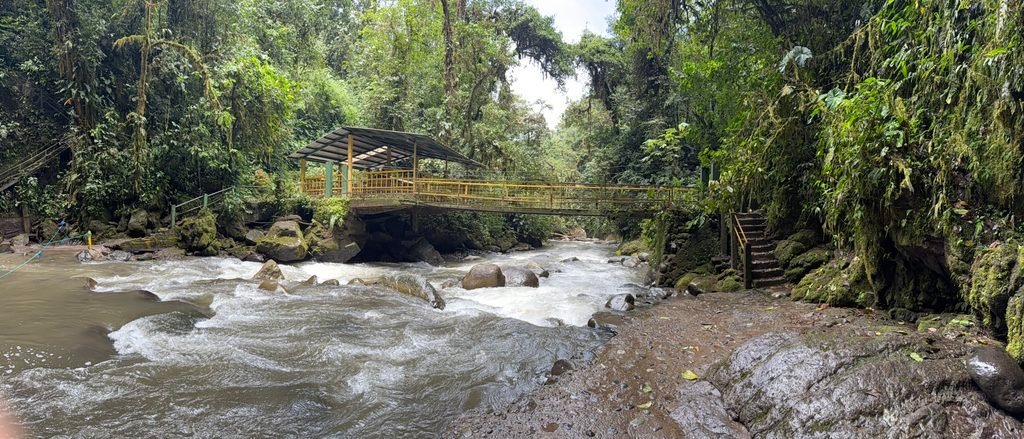
The tarabita in Mindo is a small, open-air cable car that carries visitors across a deep, forested valley to the Santuario de Cascadas. This is an area with a several waterfalls. Think metal basket suspended from a cable rather than an enclosed gondola! The crossing stretches about 530 metres, with sweeping views over the cloud-forest canopy.
We had second thoughts about doing this as we were doing it. If you are reading this, we got back safely.



Jardín de las Mariposas
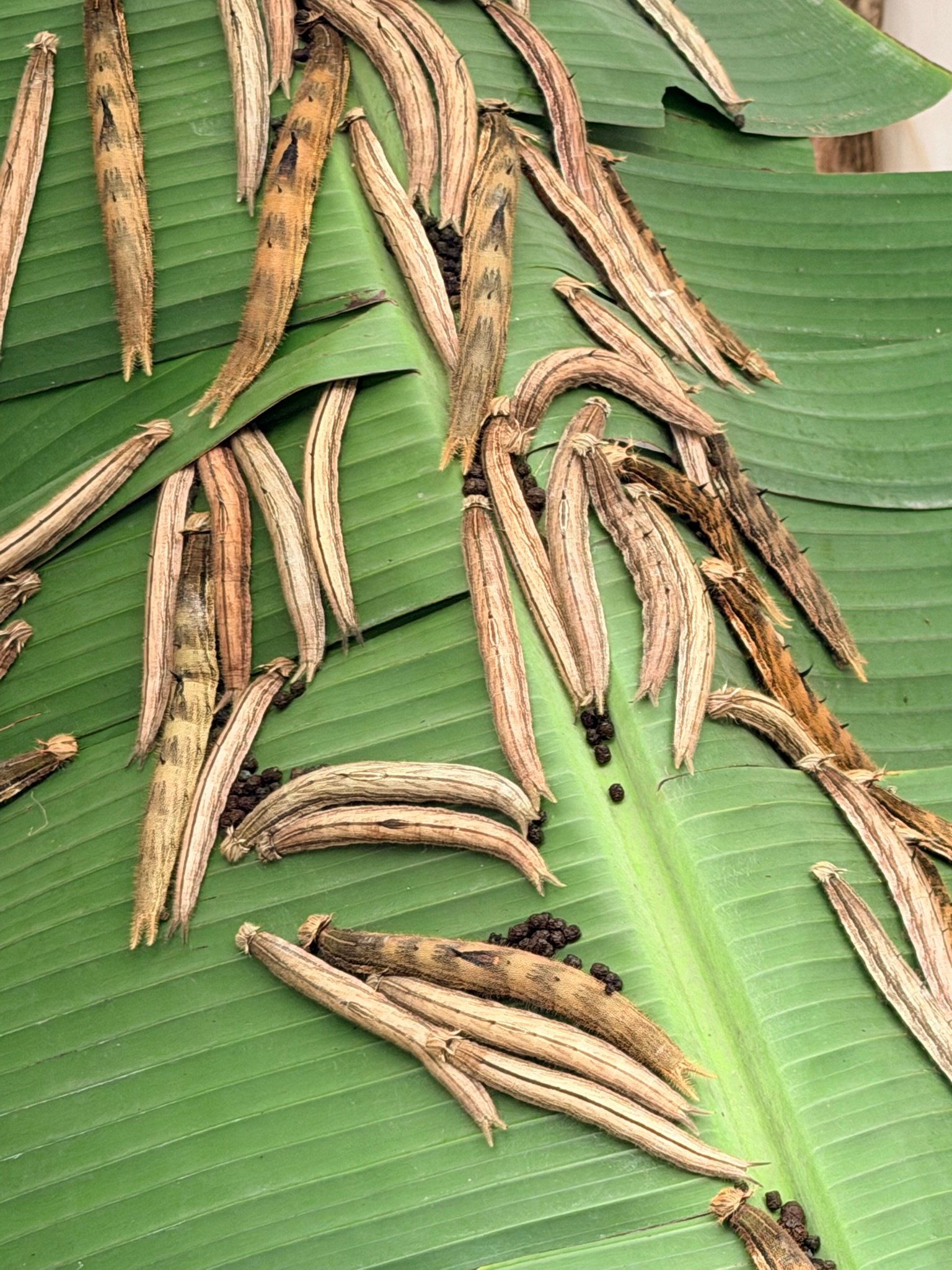
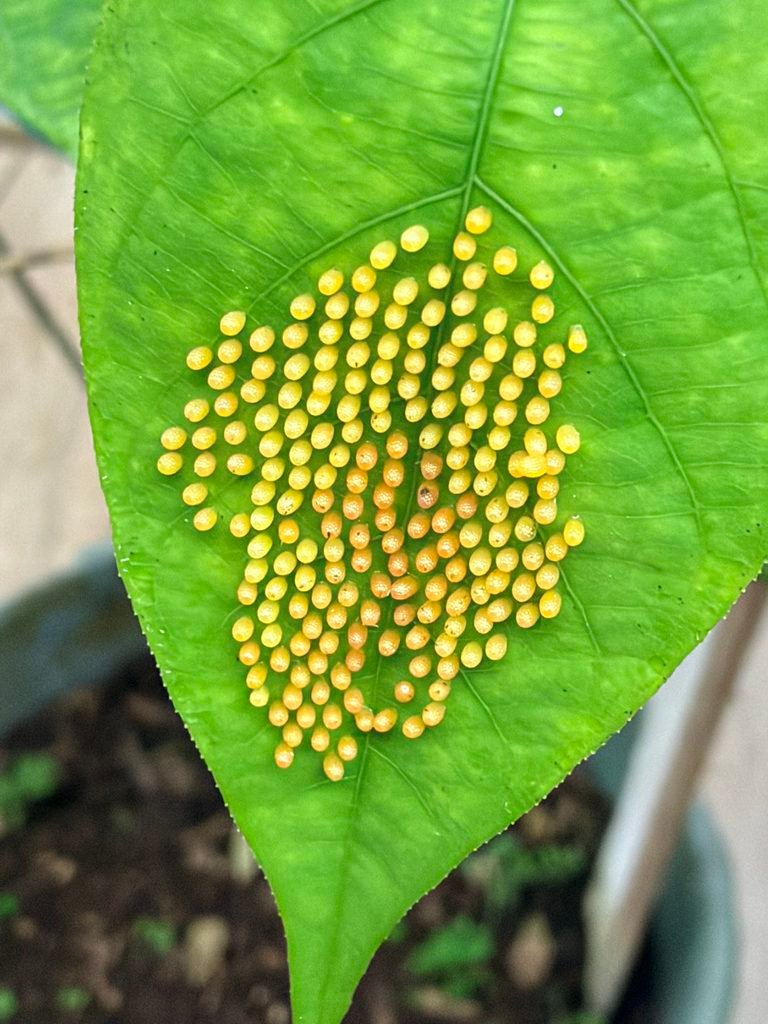
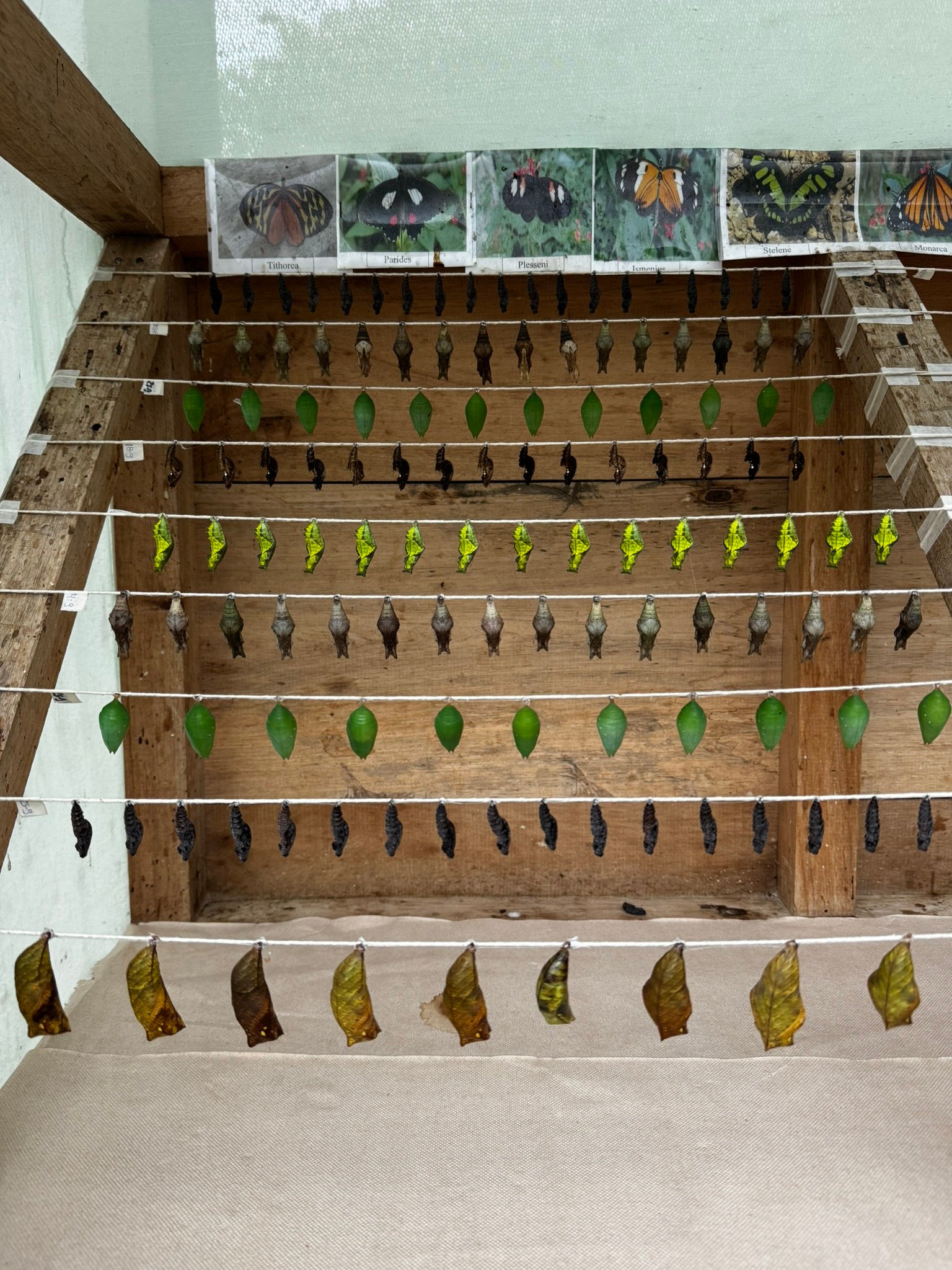
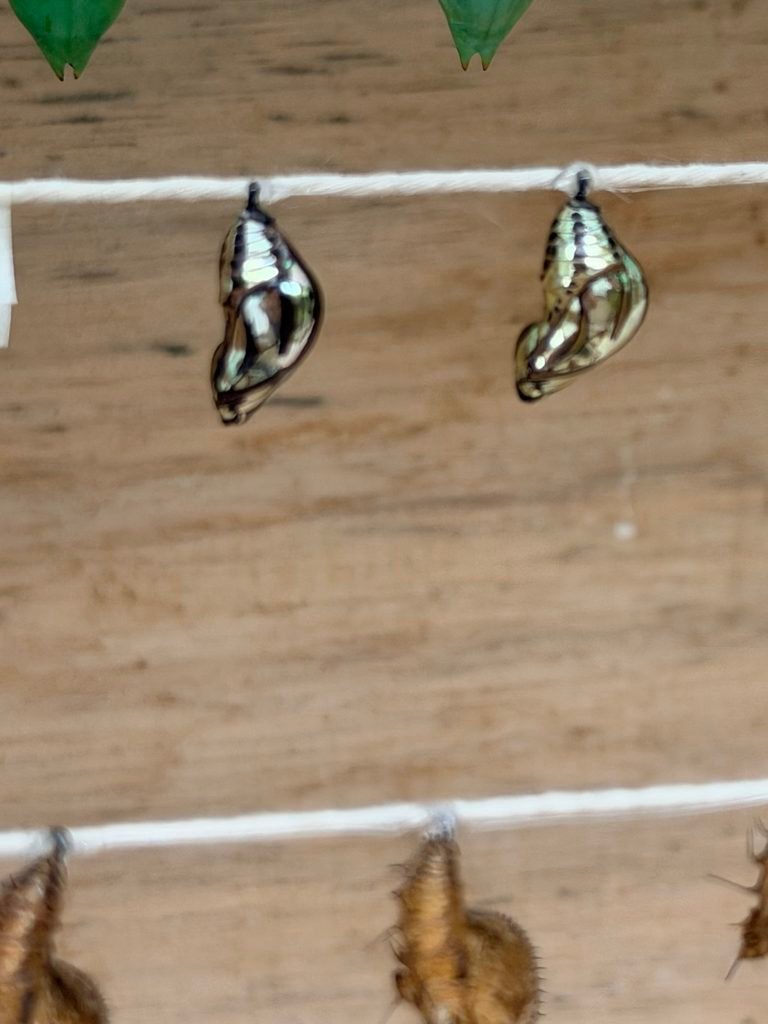
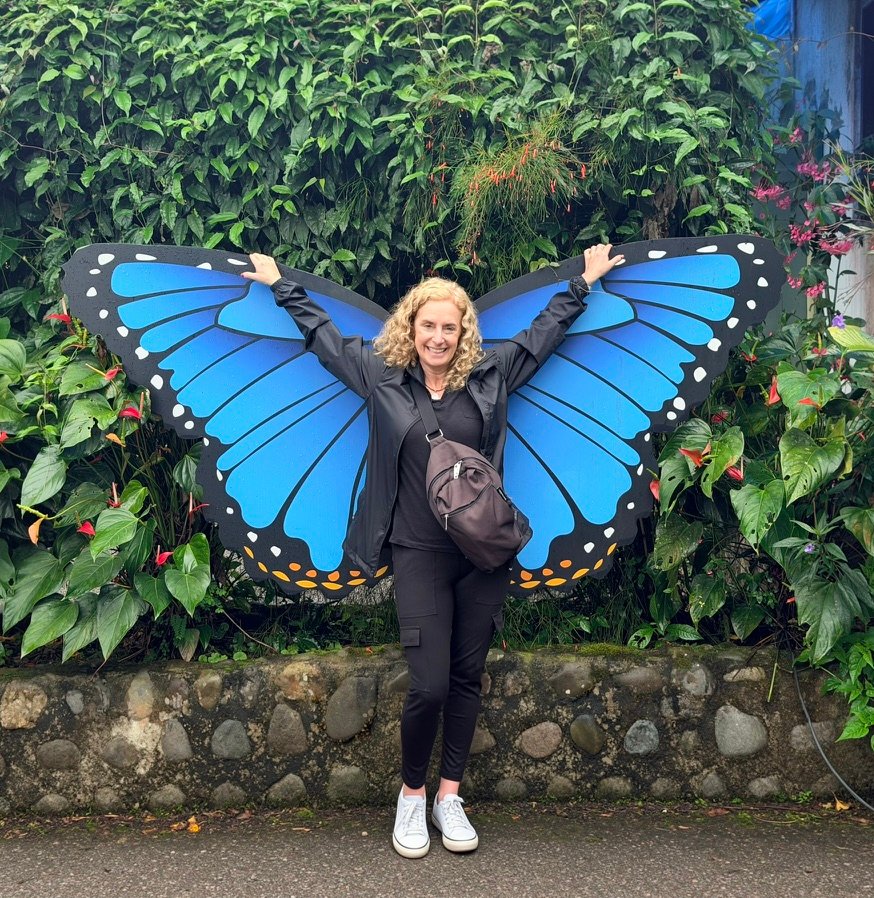
In the afternoon, we visited Jardín de las Mariposas, where we got to see every stage of a butterfly’s life, from tiny eggs and hungry caterpillars to chrysalises and beautiful winged adults. It was fascinating to see the whole transformation up close, then wander among the butterflies fluttering around us.
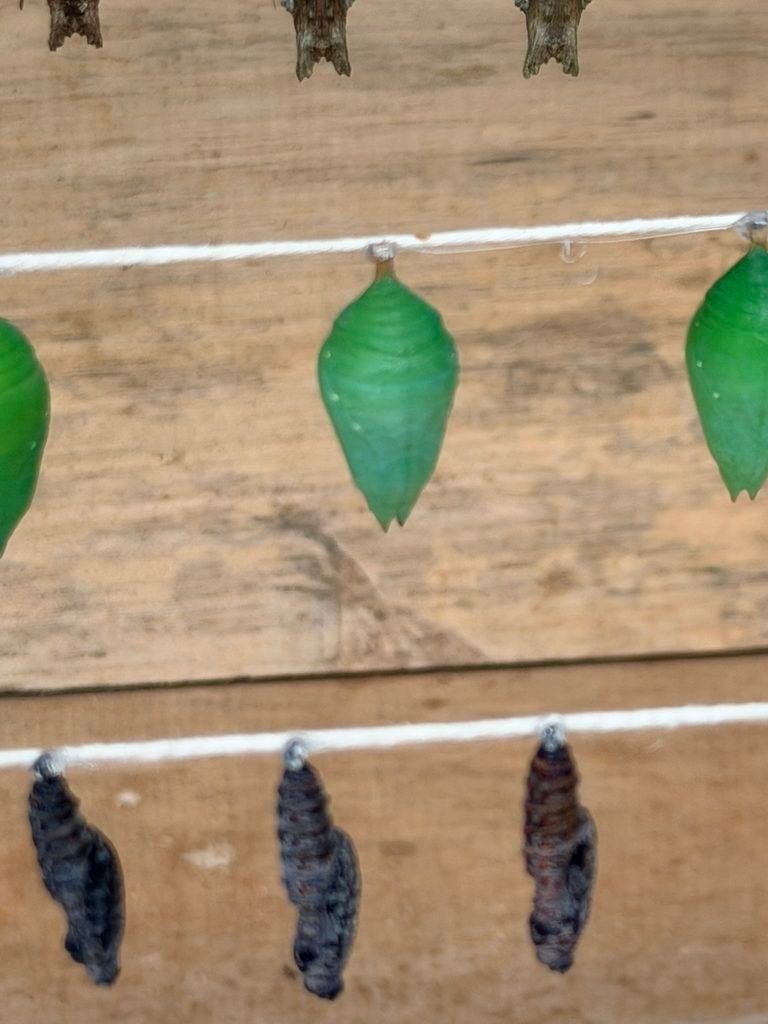
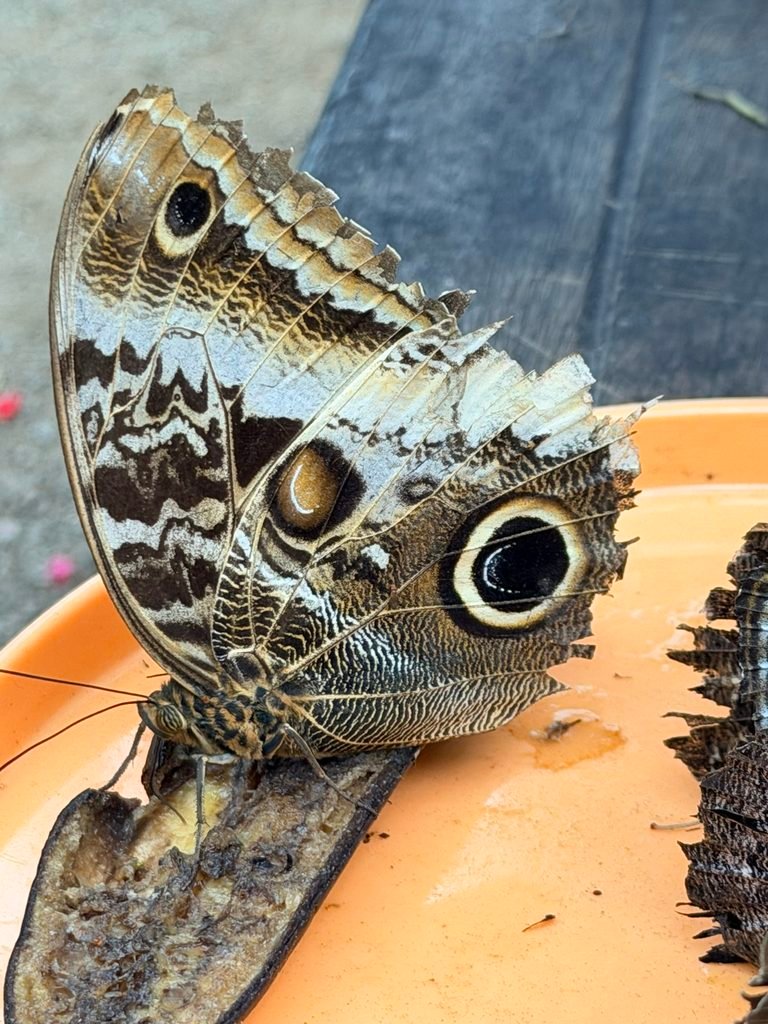


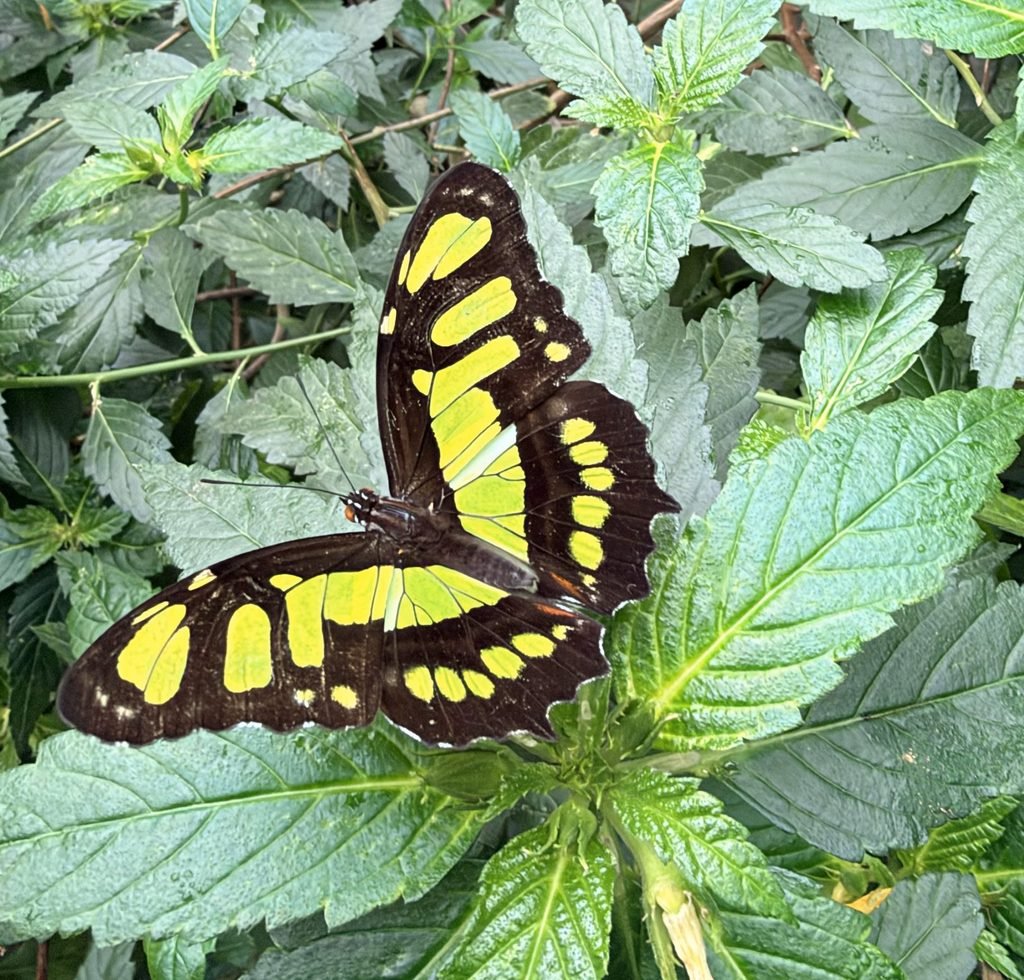
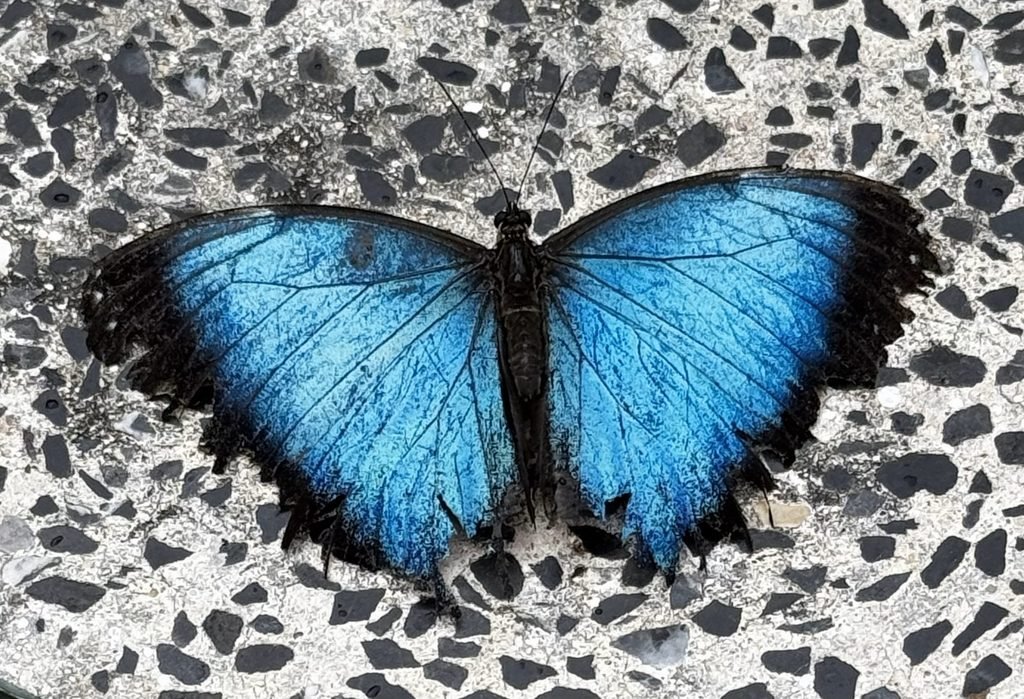
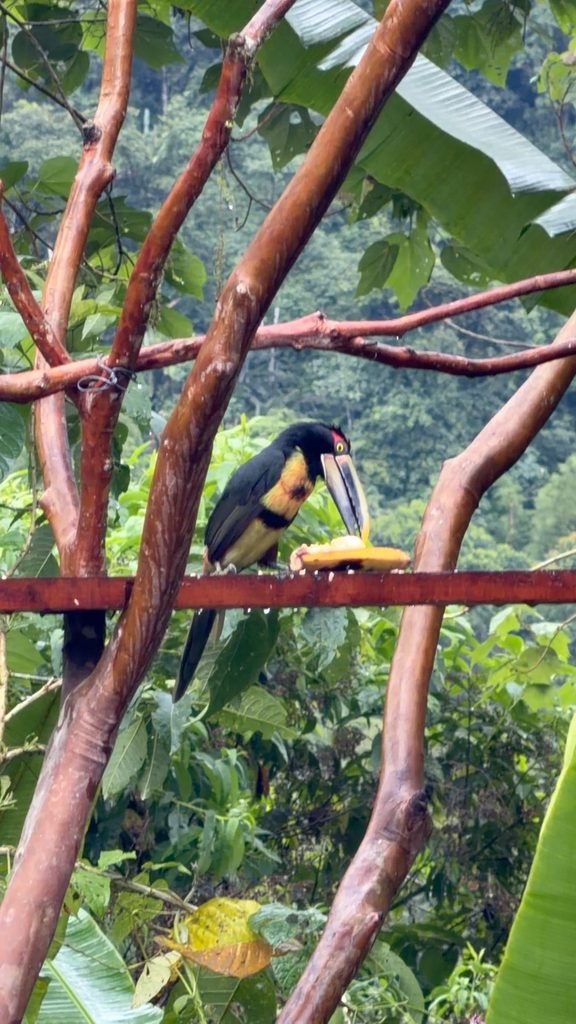
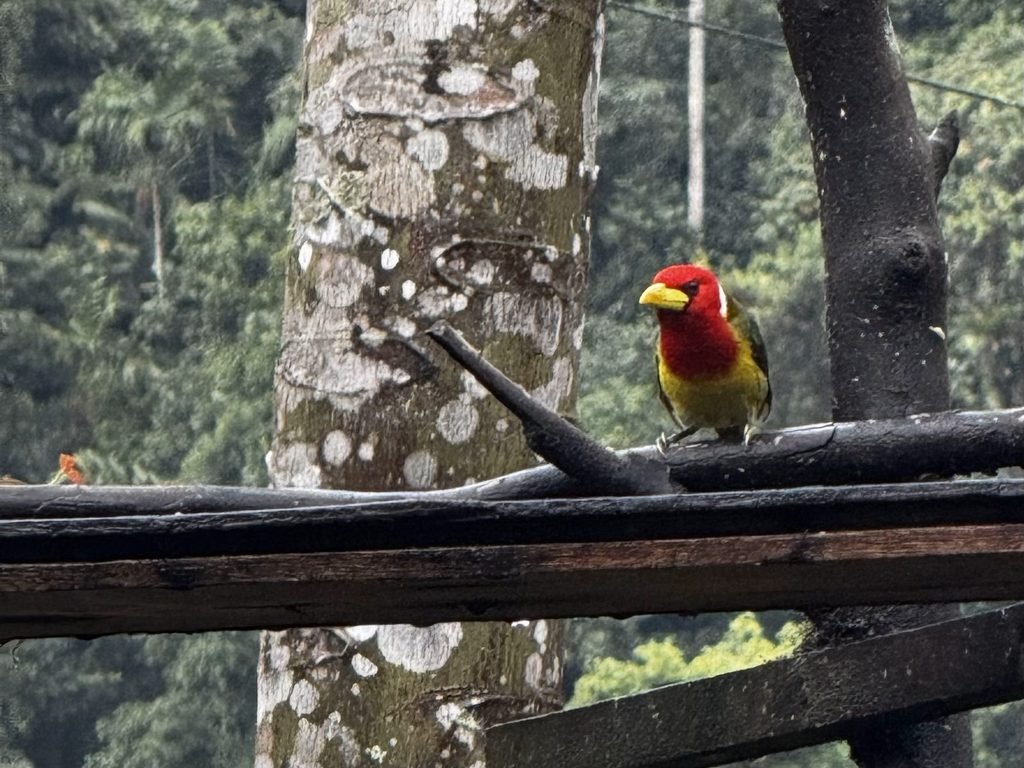
There were also some birds we saw eating at the banana feeder at the butterfly sanctuary



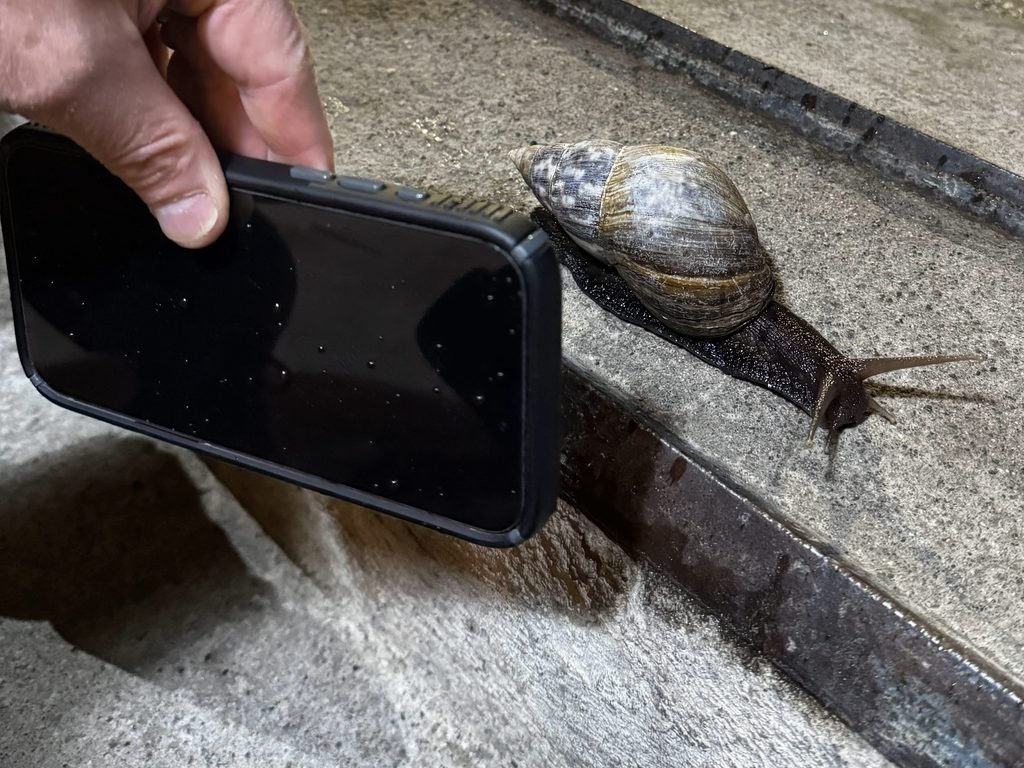
That night when we were heading out to dinner, we saw the biggest snail we have ever seen. I held up my cell phone for reference.
We got an early start birdwatching on our first day.
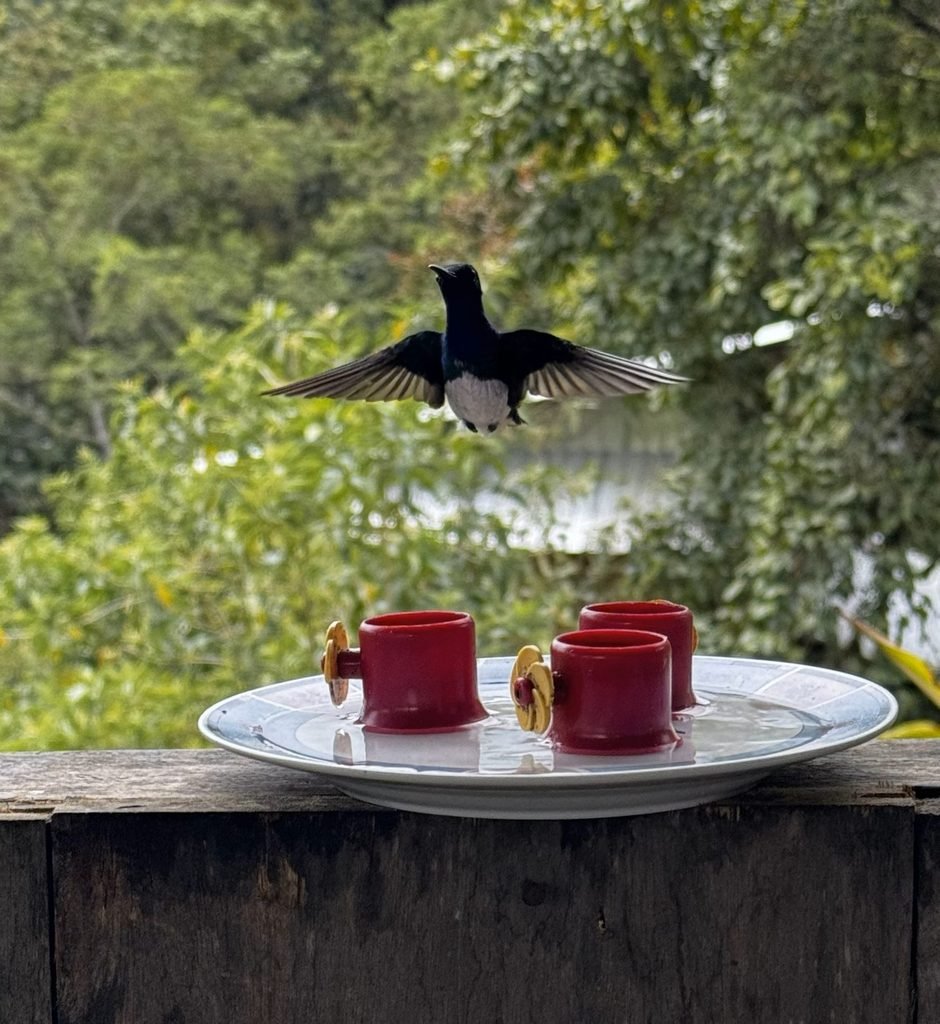
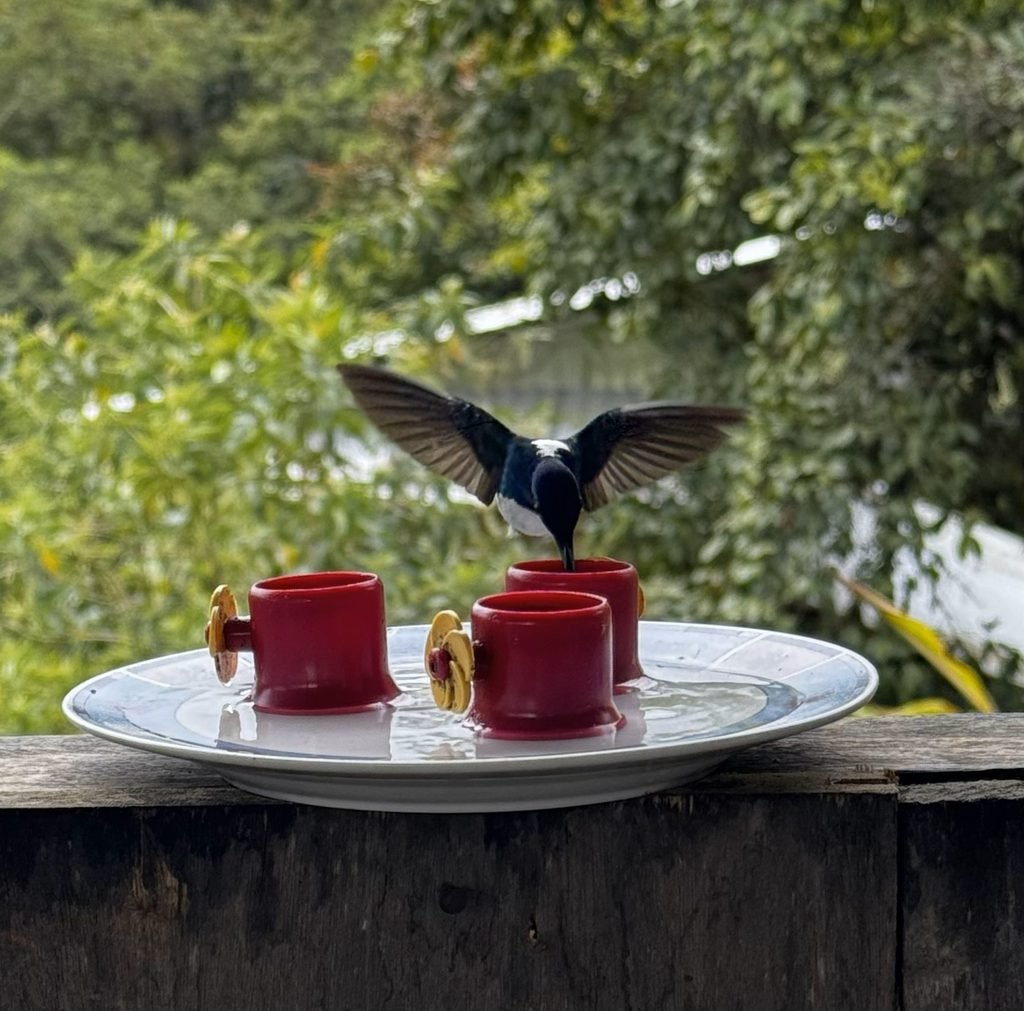


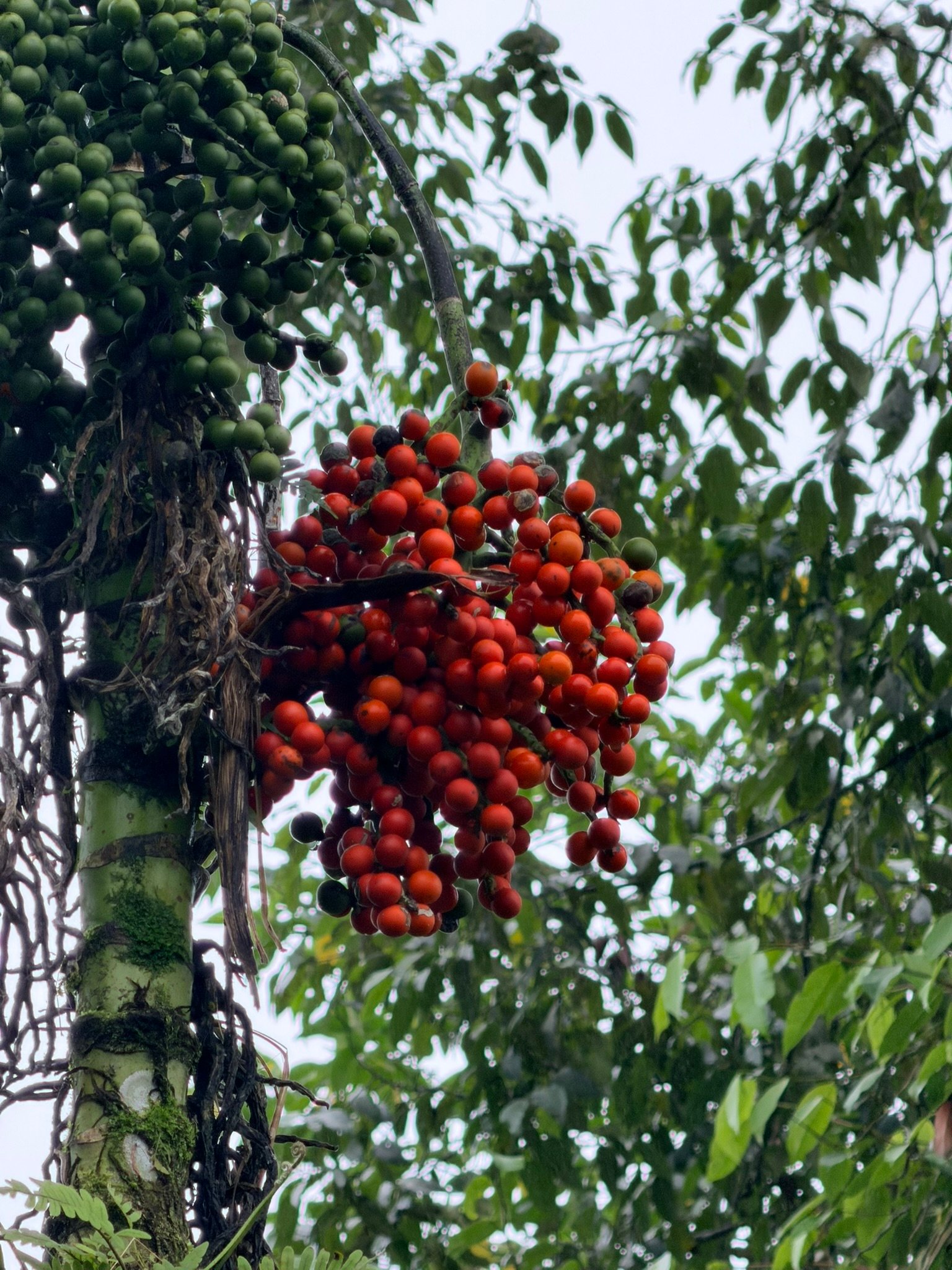
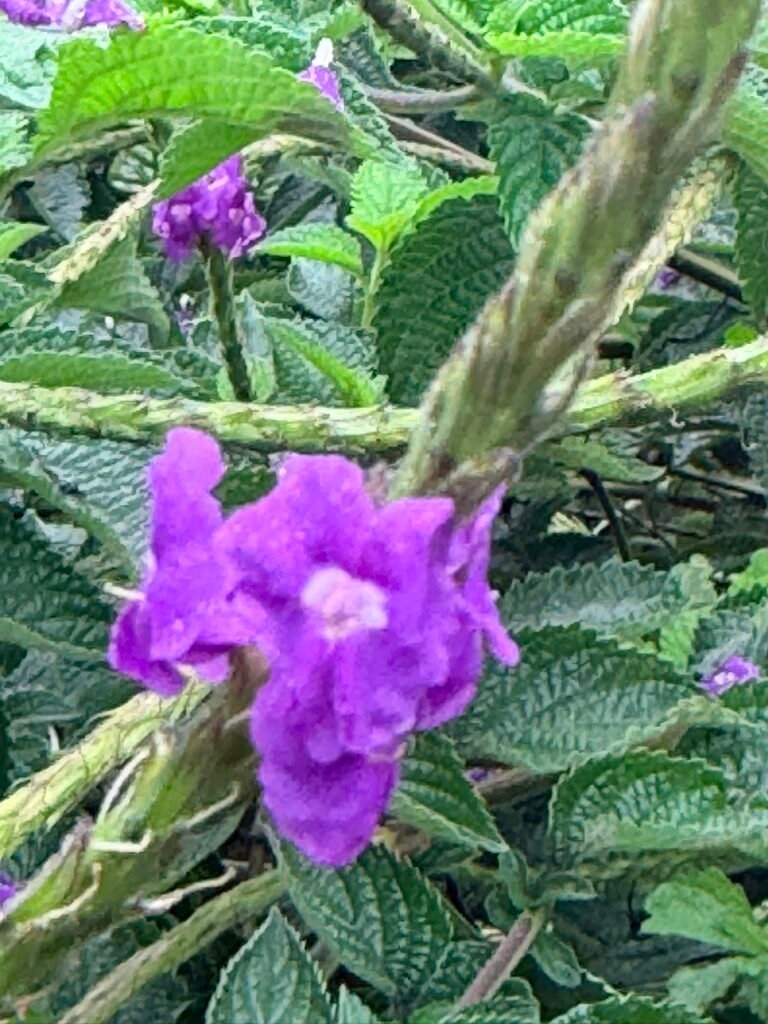
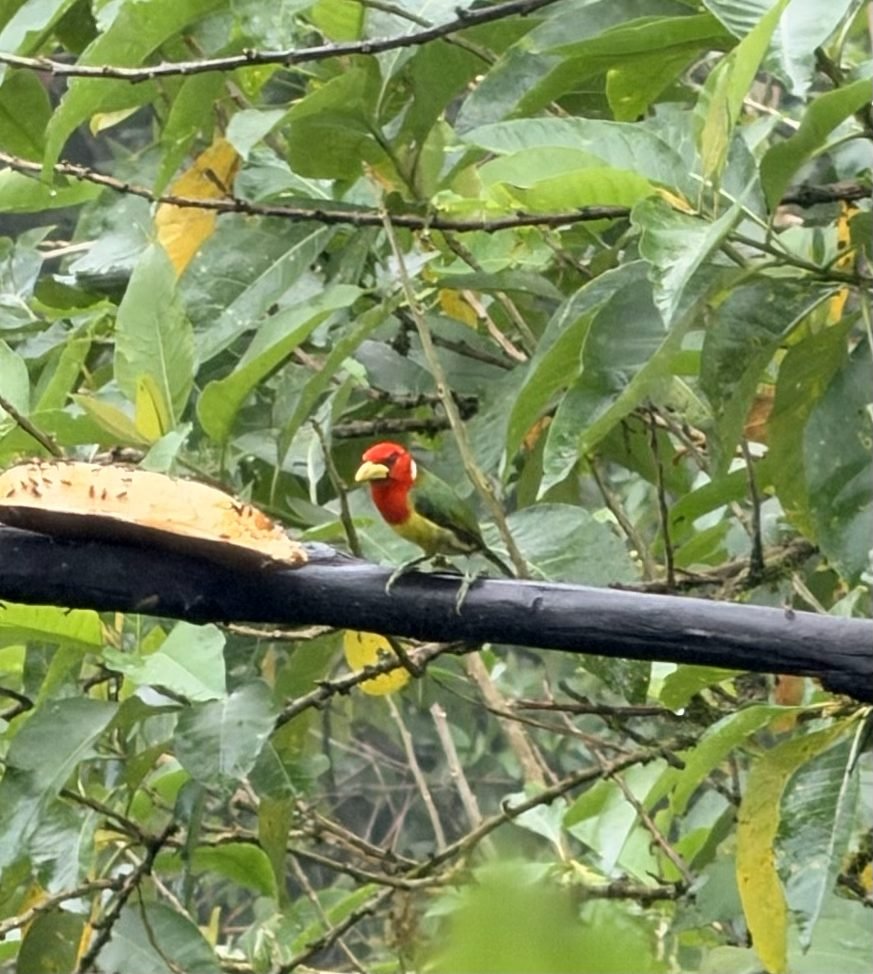

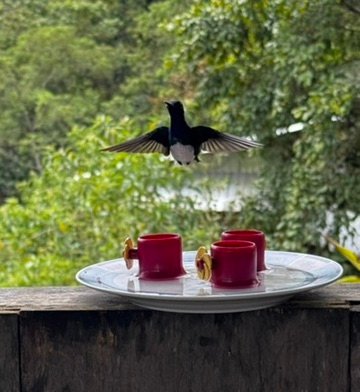

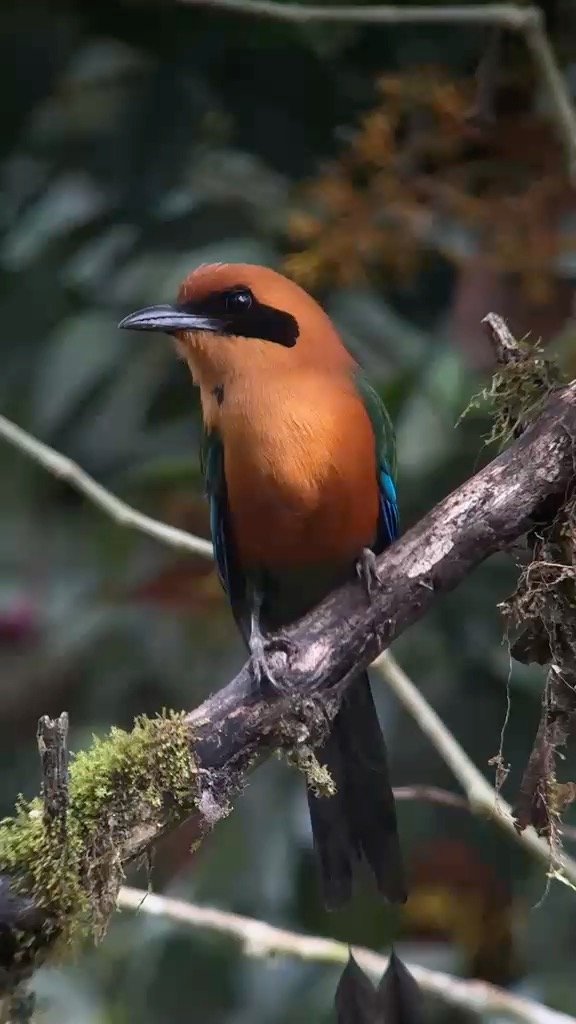
They had these banana feeders that were very popular with the toucans.

Chocolate Tasting Tour at Yumbos in the afternoon
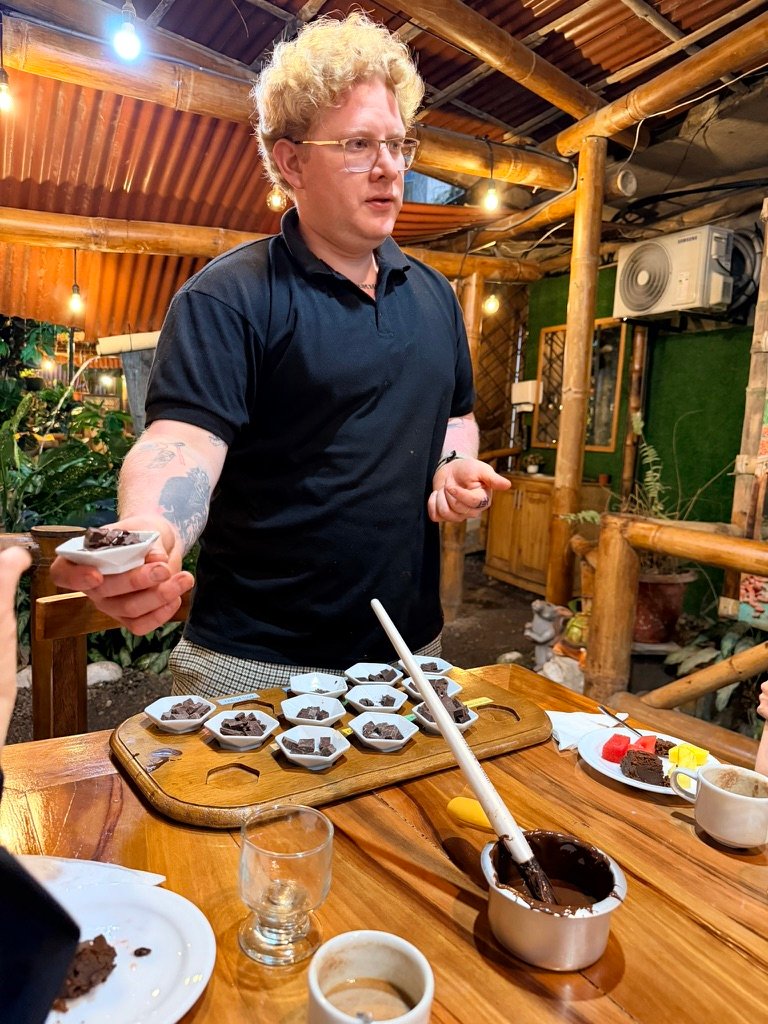
At Yumbos, we learned how cacao goes from bean to bar, then got to the delicious part: tasting!


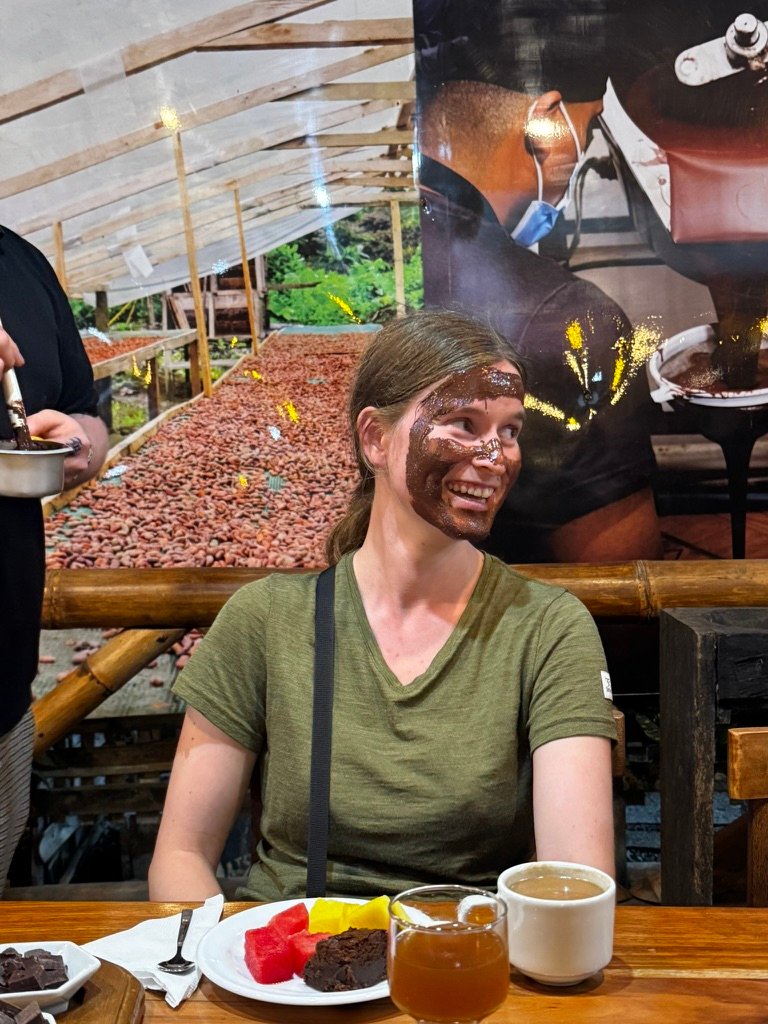
Some folks got a chocolate mask. The guide suggested that this may be good for your complexion. Julie and I opted out.
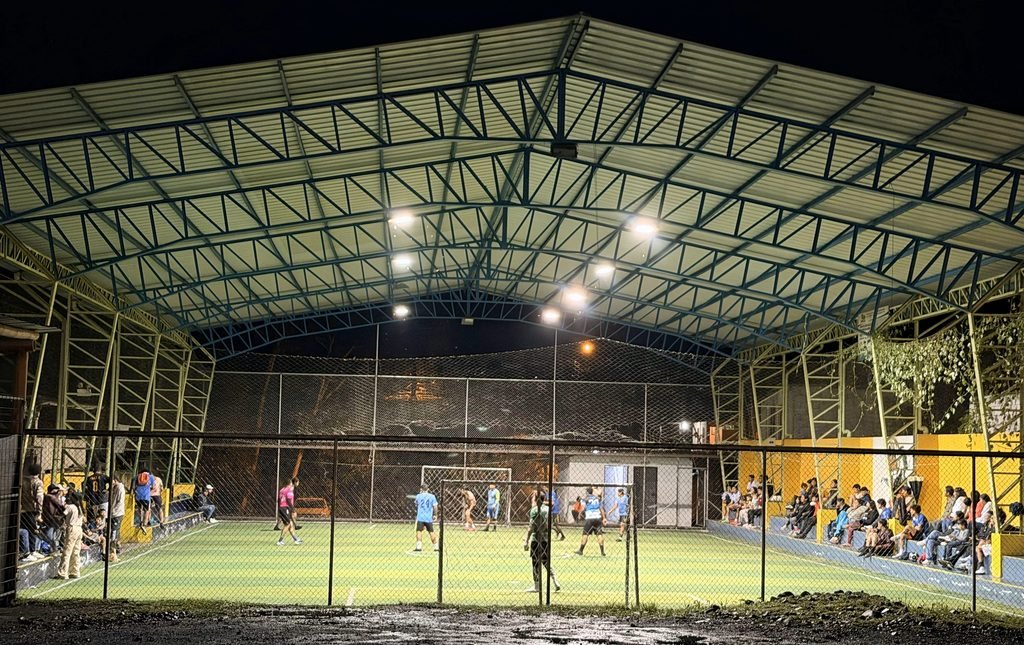
Later that evening, we came across a soccer match on a covered court, with spectators lining both sides. We saw a similar scene in Cotacachi, too. A fun glimpse of local life after dark.
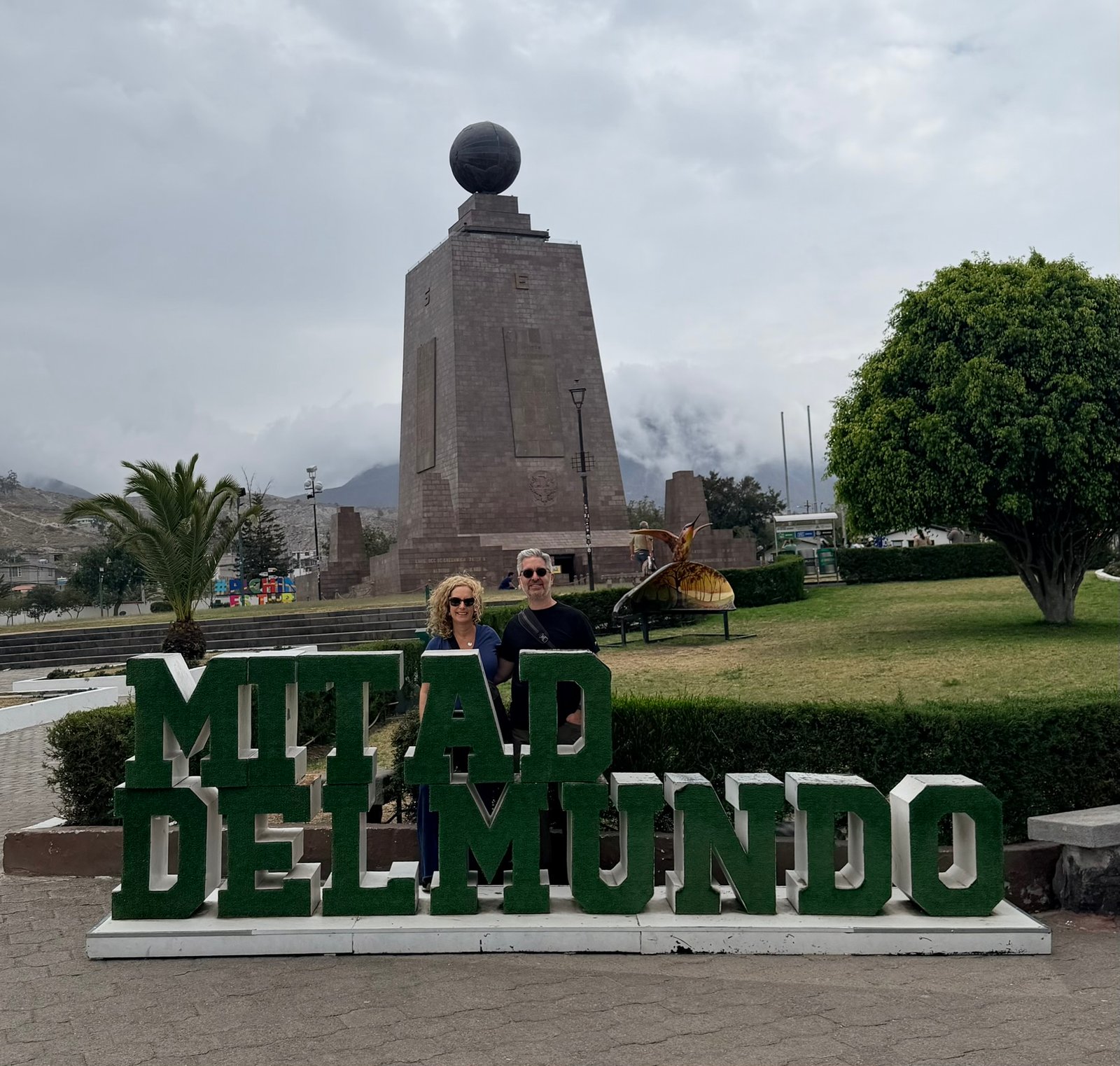
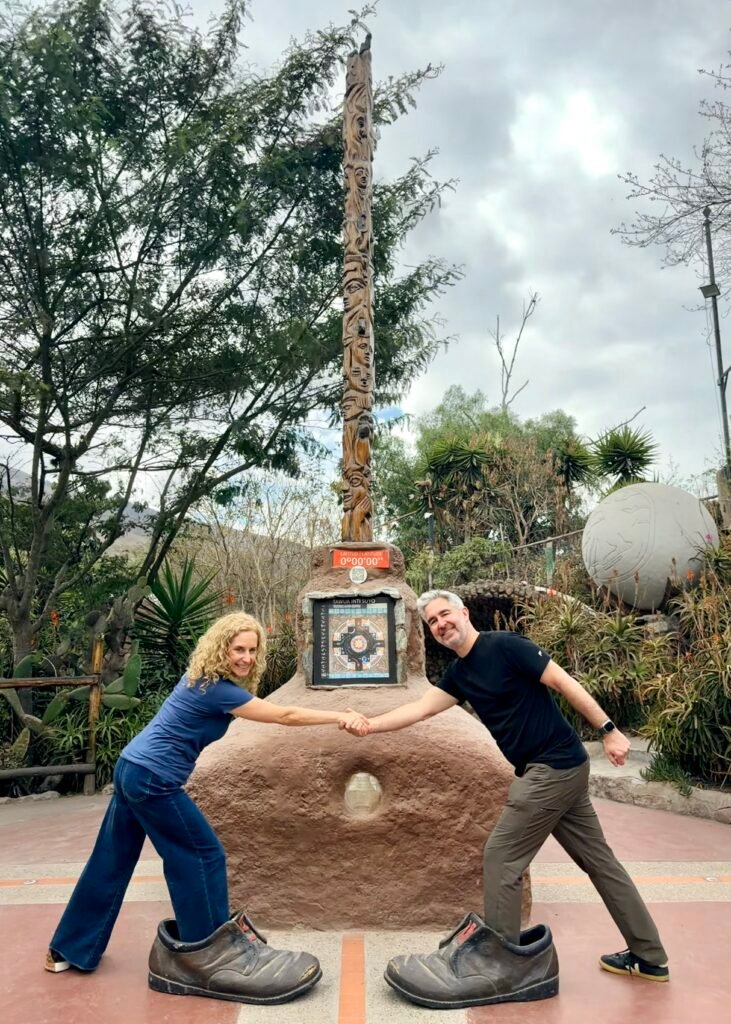
Mitad Del Mundo
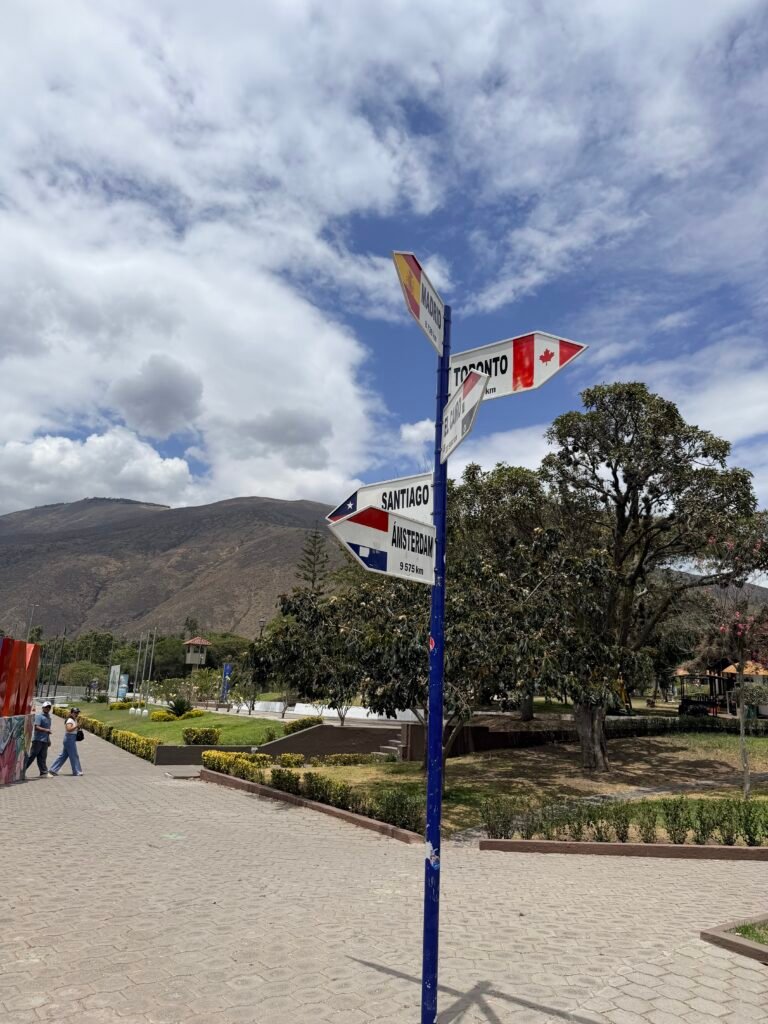
Mitad Del Mundo means the middle of the earth. We visited two equator museums on the way to Mindo, Ecuador.
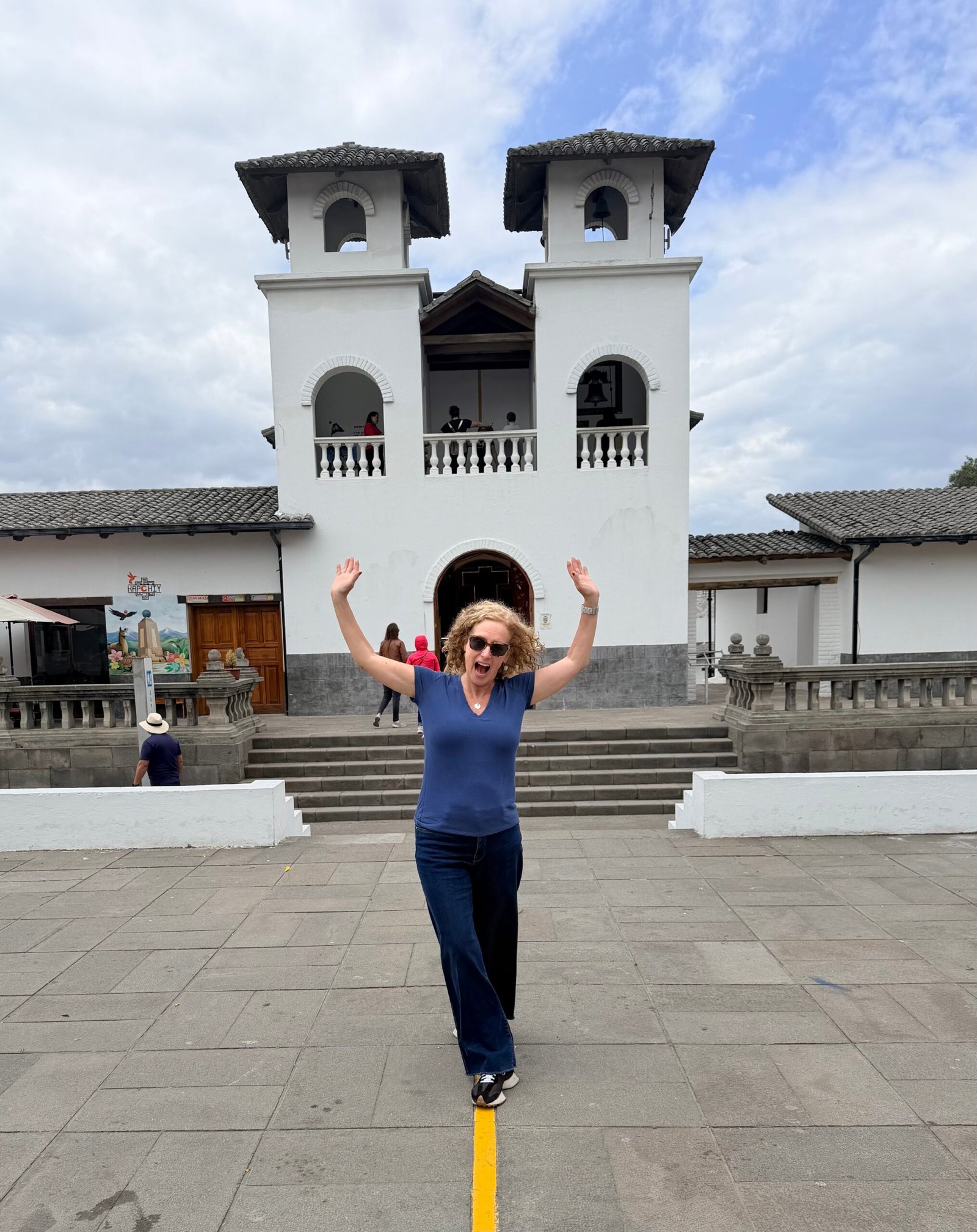
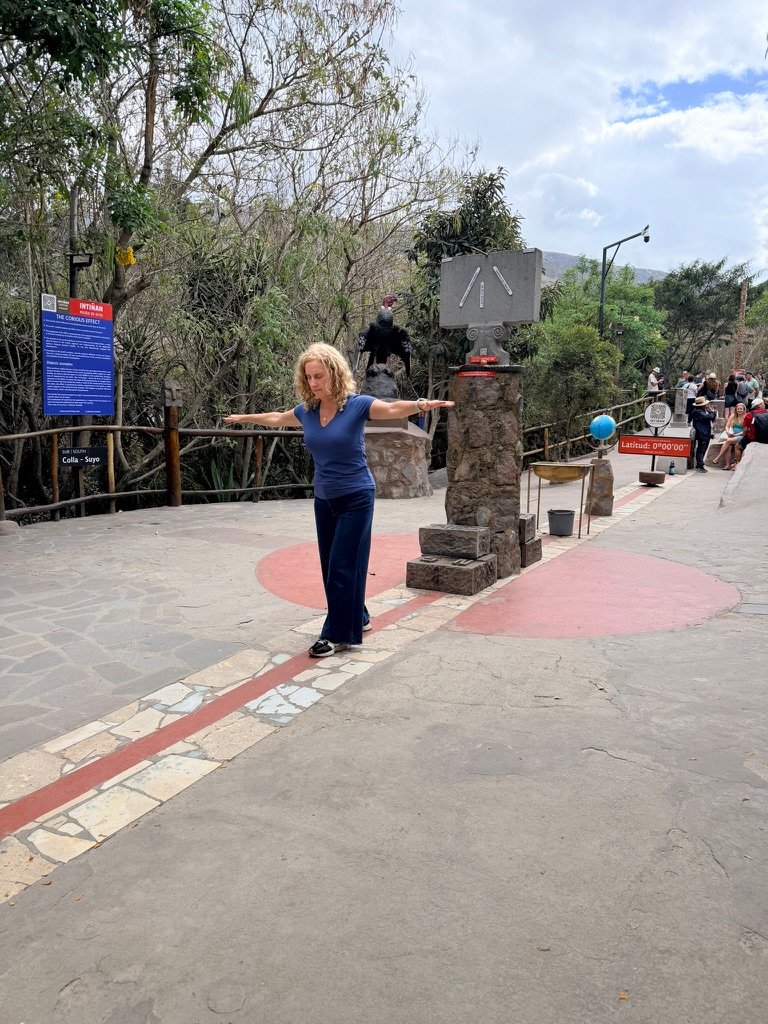
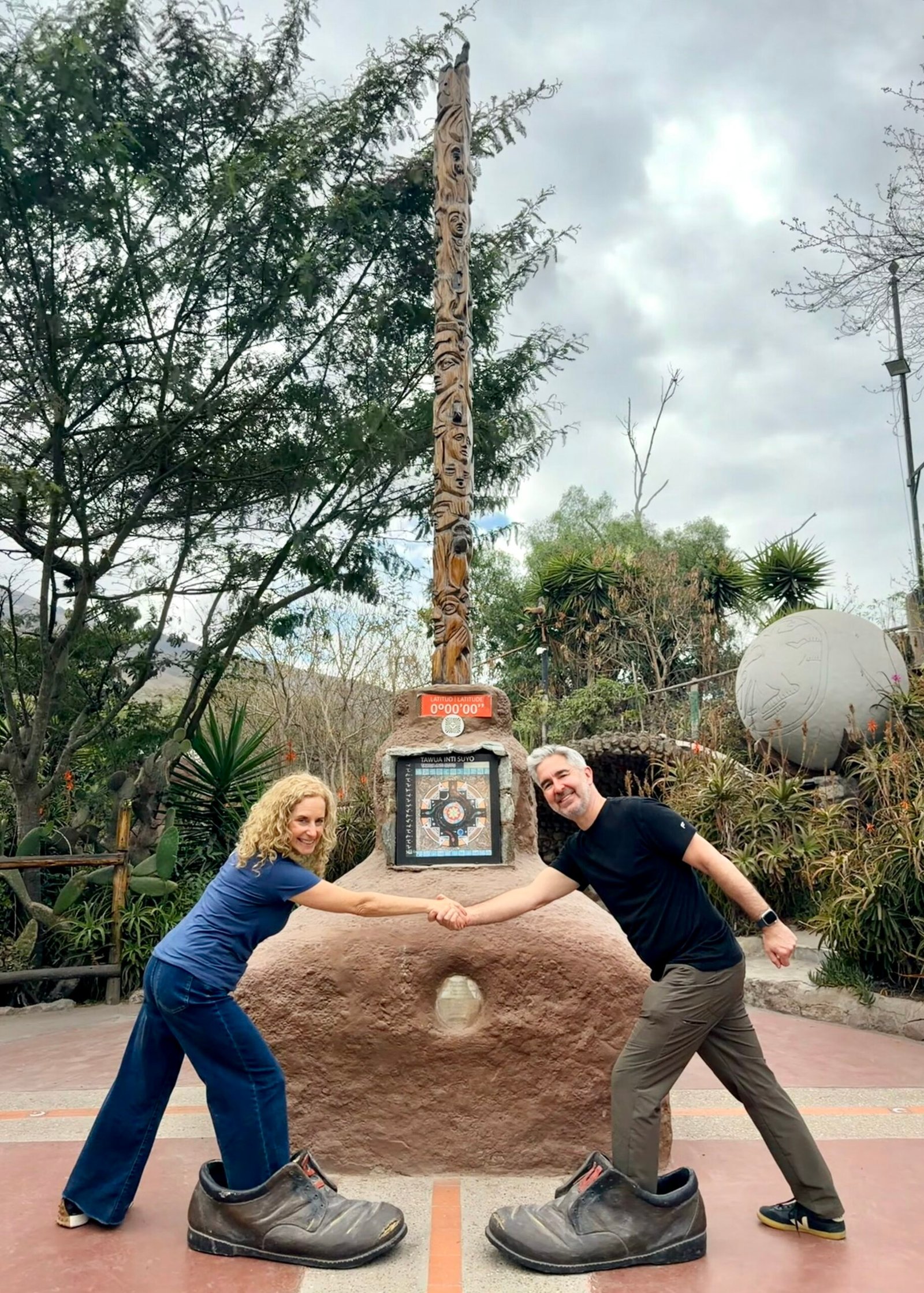

Supposedly it is hard to balance on the equator. I have my doubts that this is true.
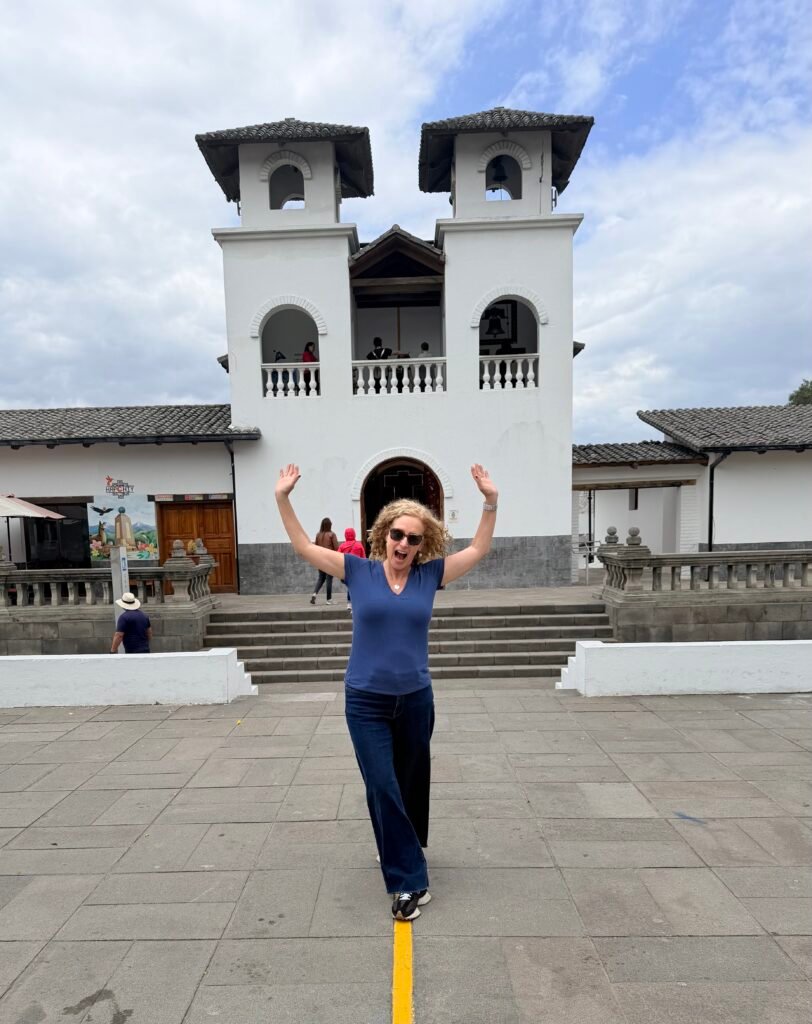
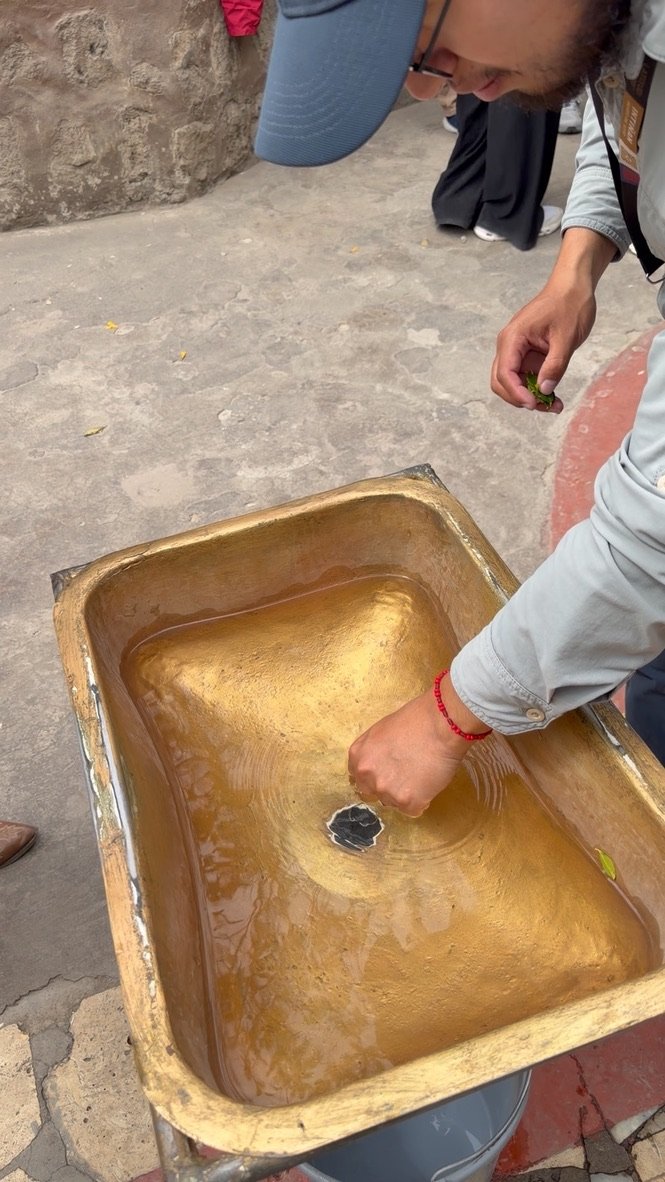
They also demonstrated how the Coriolis effect supposedly makes water swirl in opposite directions north and south of the equator. We were skeptical, since our guide was moving the basin only a few feet to either side of the equator. A little research afterward confirmed our suspicions: some sleight of hand was likely at play.
They had some Guinea Pigs. They do eat them in Ecuador. The dish is called “Cuy.” I don’t think these guys will ever be on the menu though.

This is Julie trying to balance an egg. Supposedly something that is easier on the equator. Again, I have my doubts.

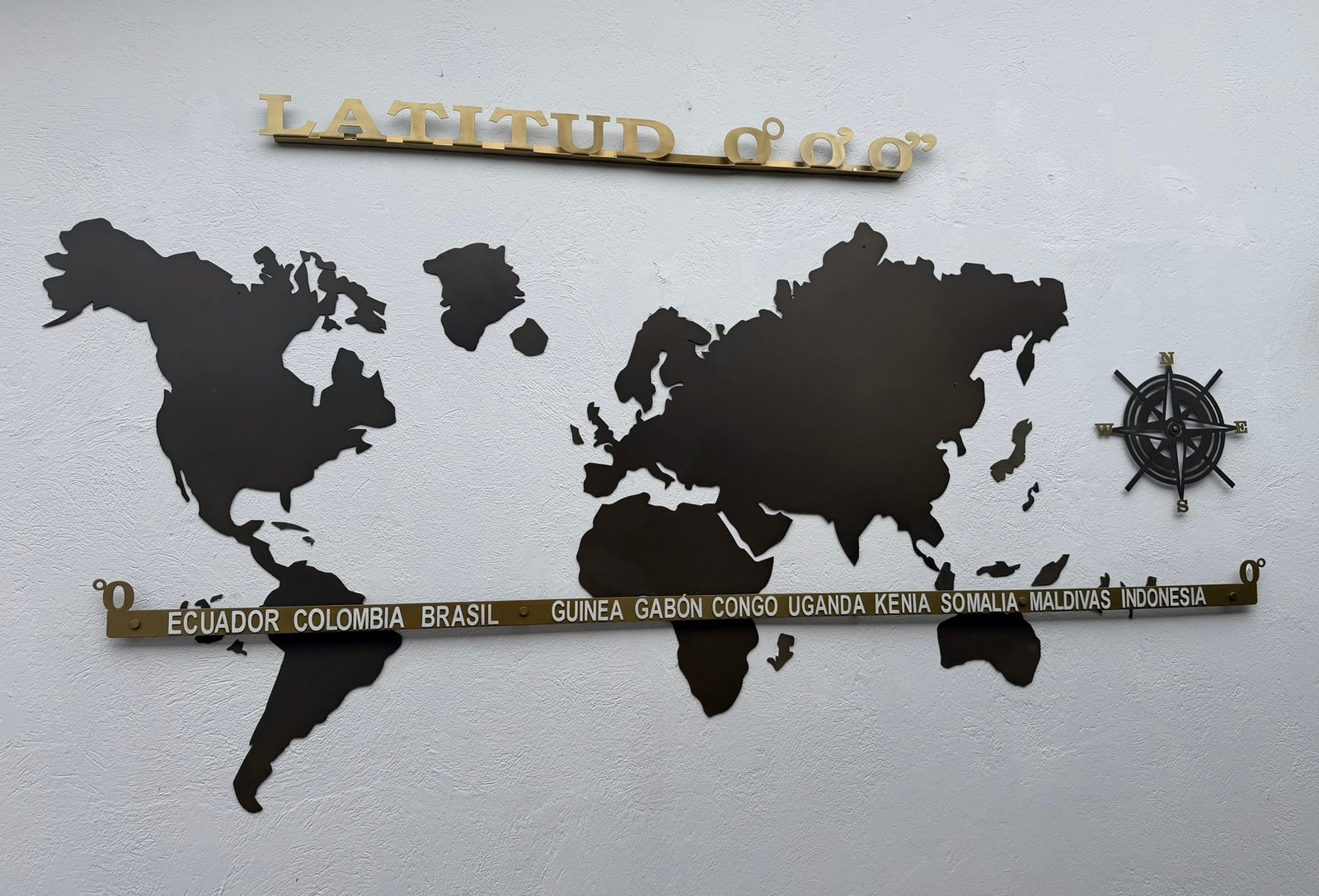
These are all of the countries along the equator.
Quito
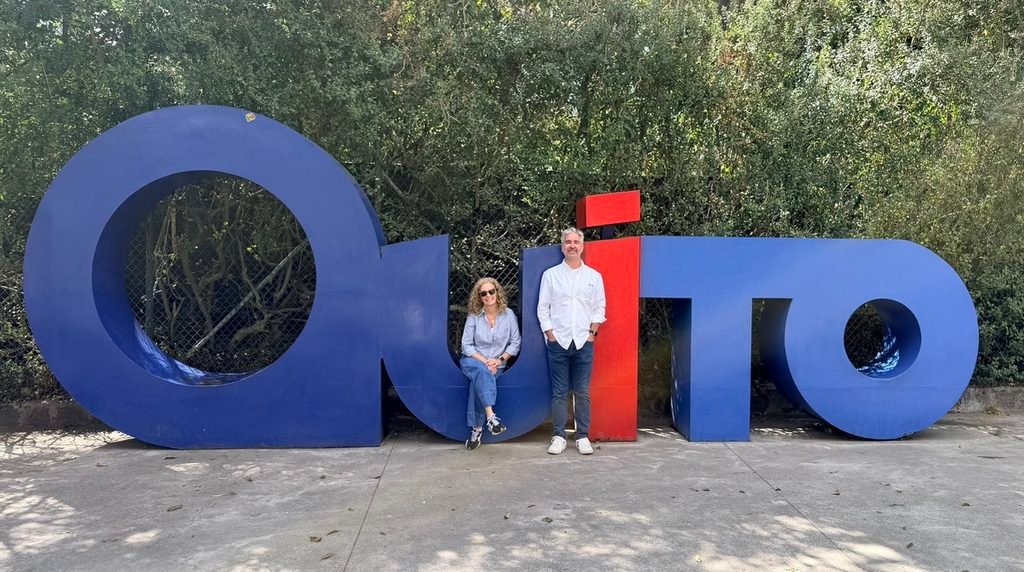
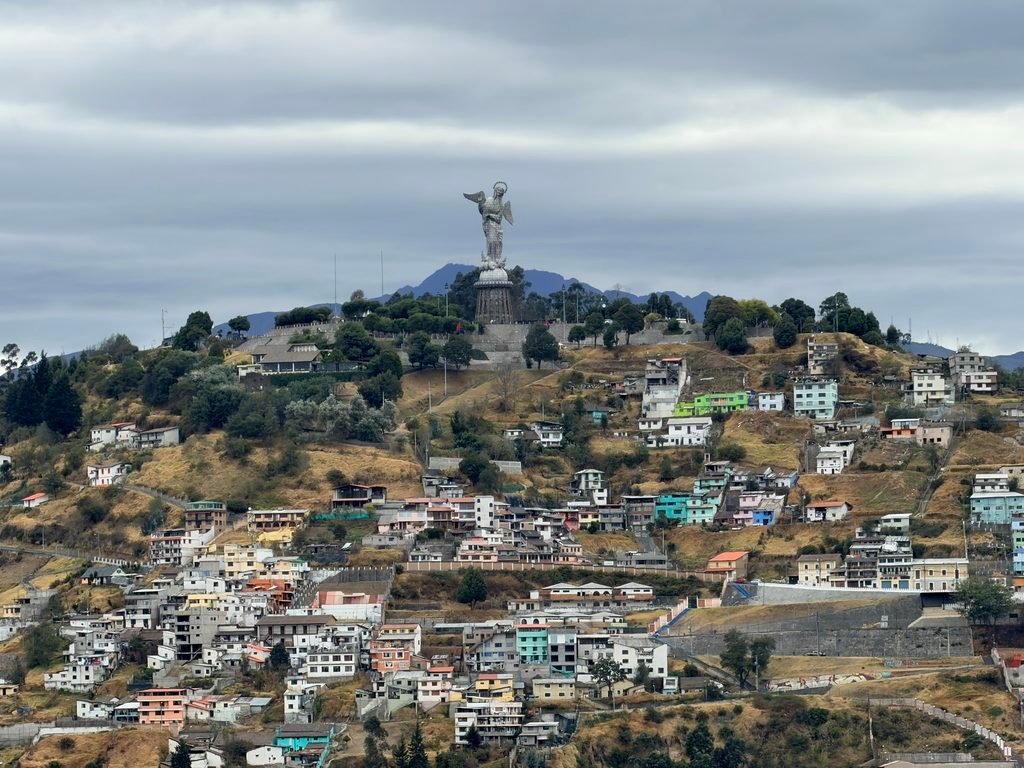
We were in Quito from September 14 – 23 and then we headed to some nearby towns including Mindo, Otavalo, Cotacachi, and Baños de Agua Santa.
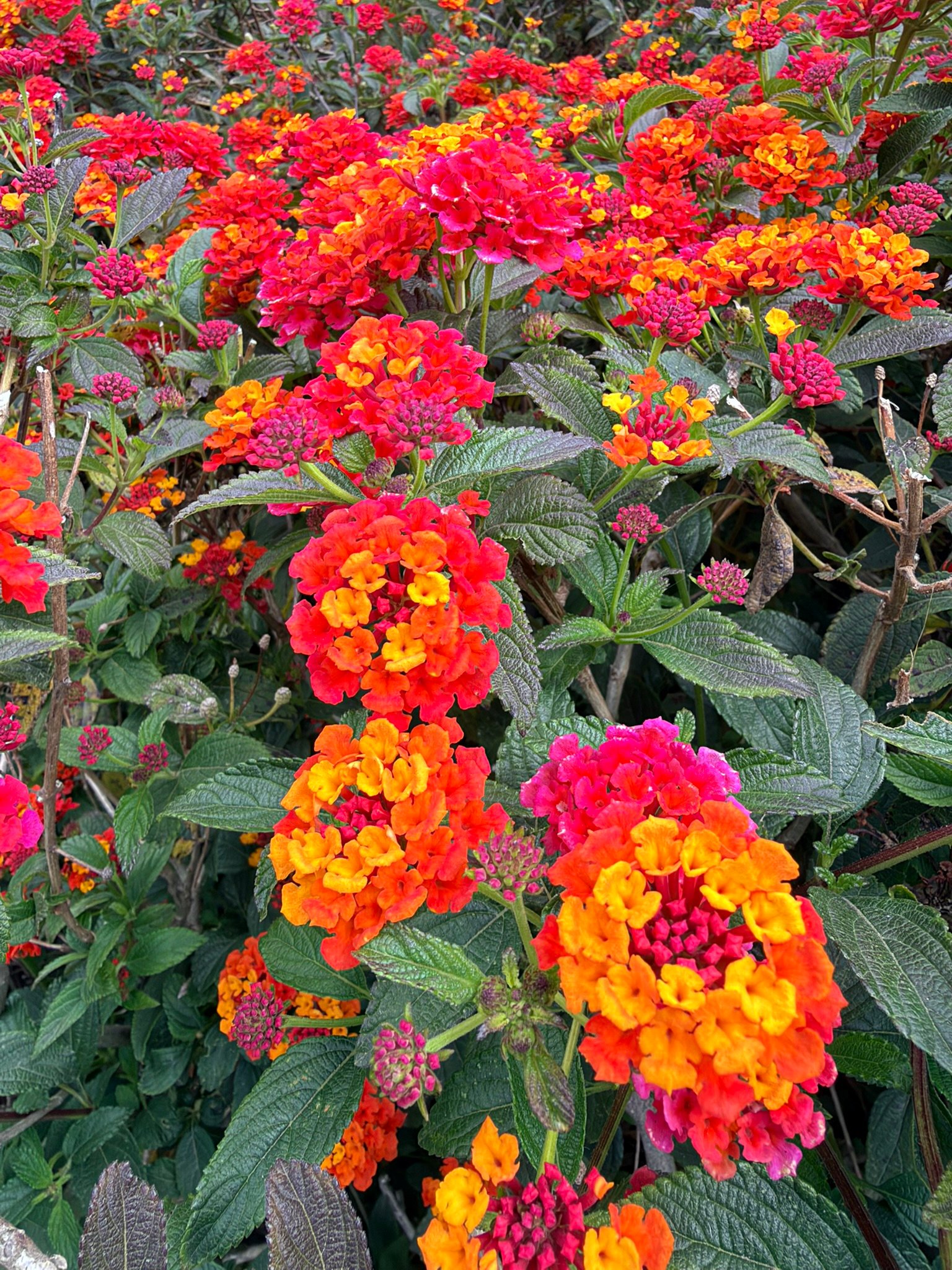
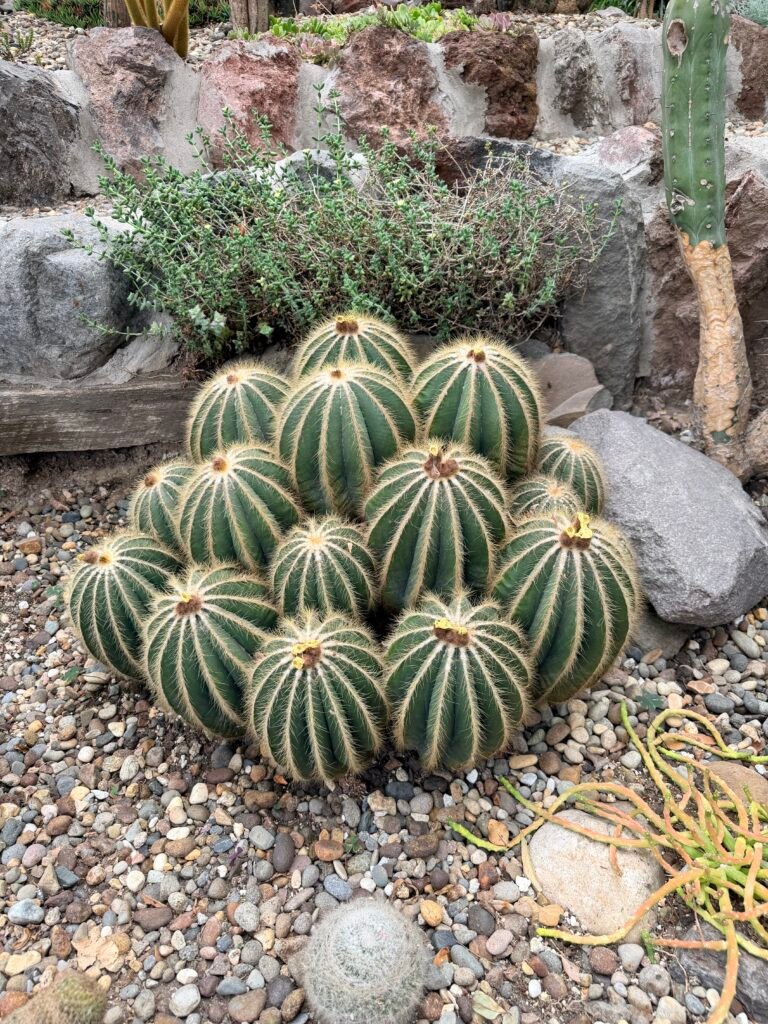
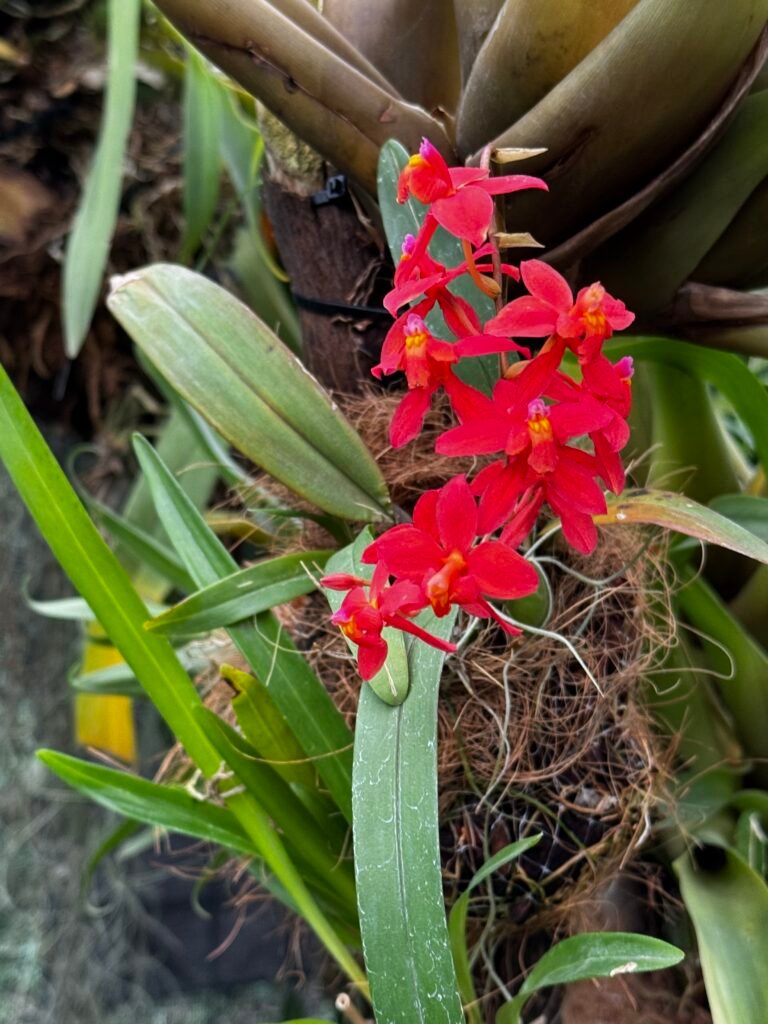
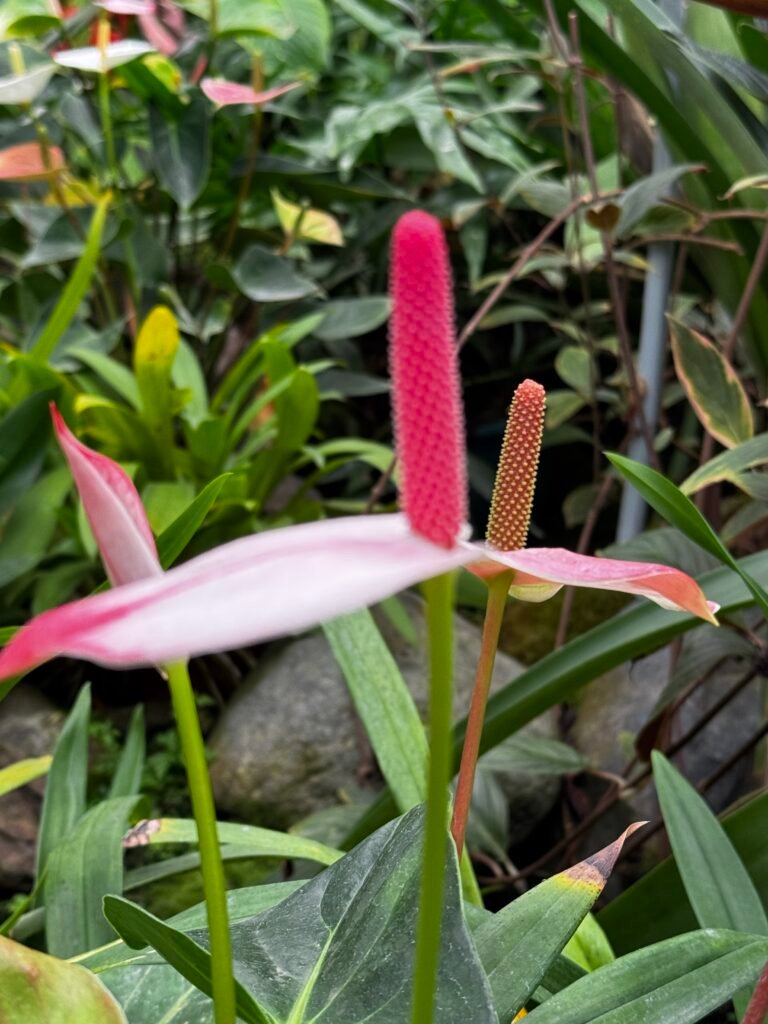
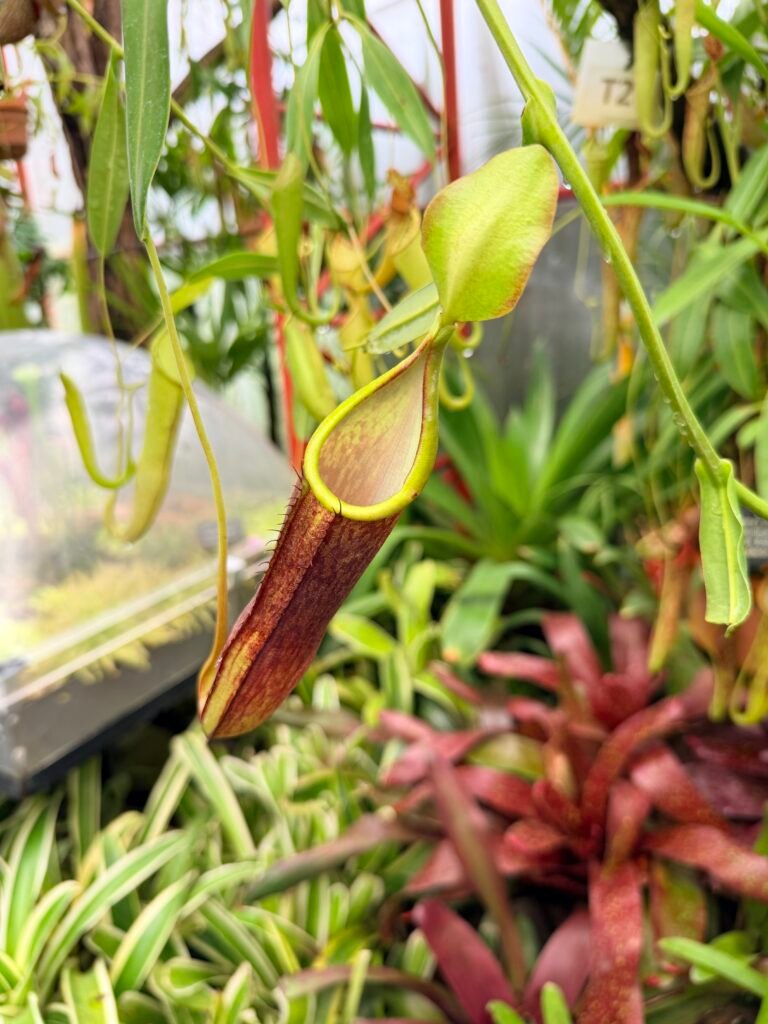
Quito Botanical Garden


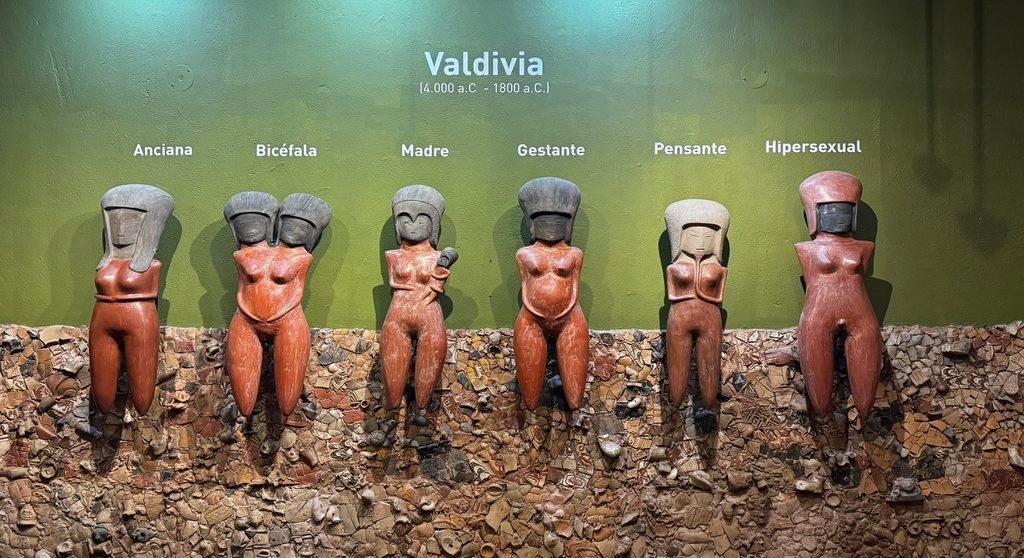
Mindalae (trader) Ethnohistoric & Crafts Museum of Ecuador
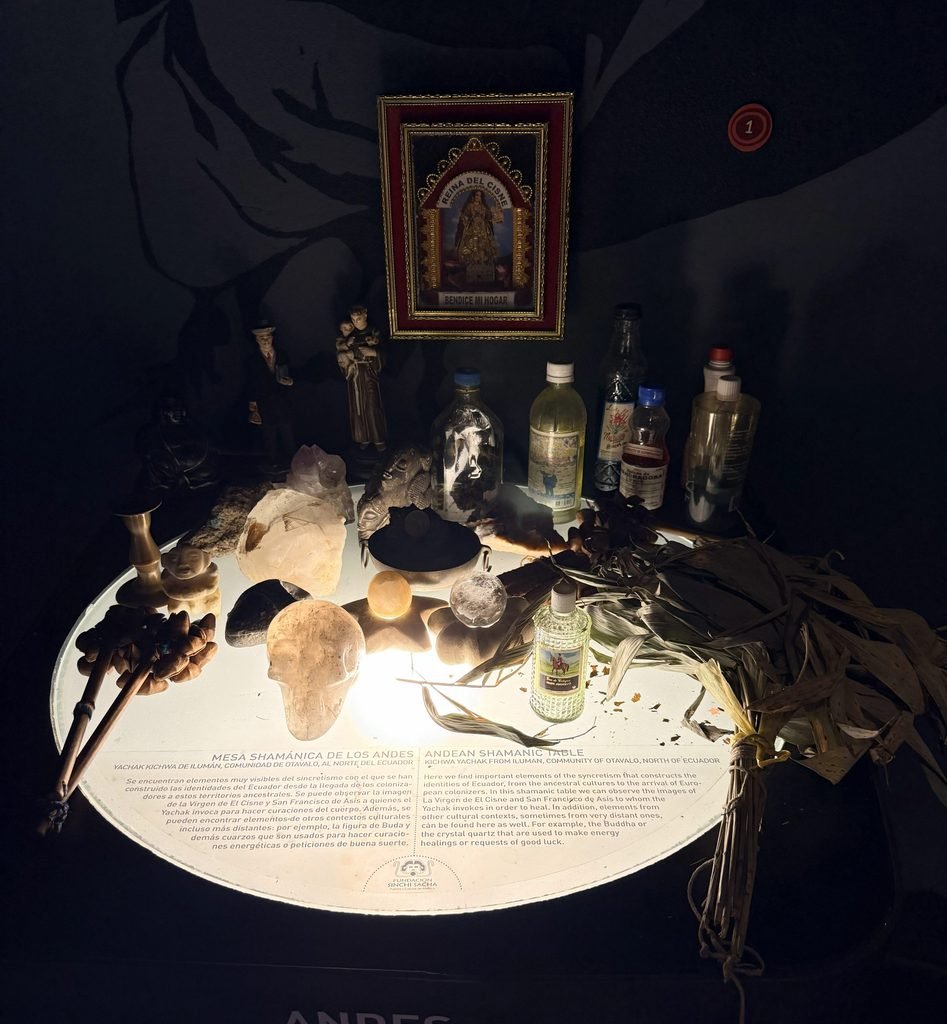
Julie and I visited the Mindalae Ethnohistoric & Crafts Museum of Ecuador also. Mindalae a pre-Columbian word for traders who moved valuable goods like textiles, spices, shells, etc… between different areas of what is now Ecuador. This is a relatively small museum but thoughtfully curated. It is devoted to Ecuador’s living cultural traditions: the work, knowledge, materials, and trade networks of Indigenous, Afro-Ecuadorian, Montubio, and mestizo communities.
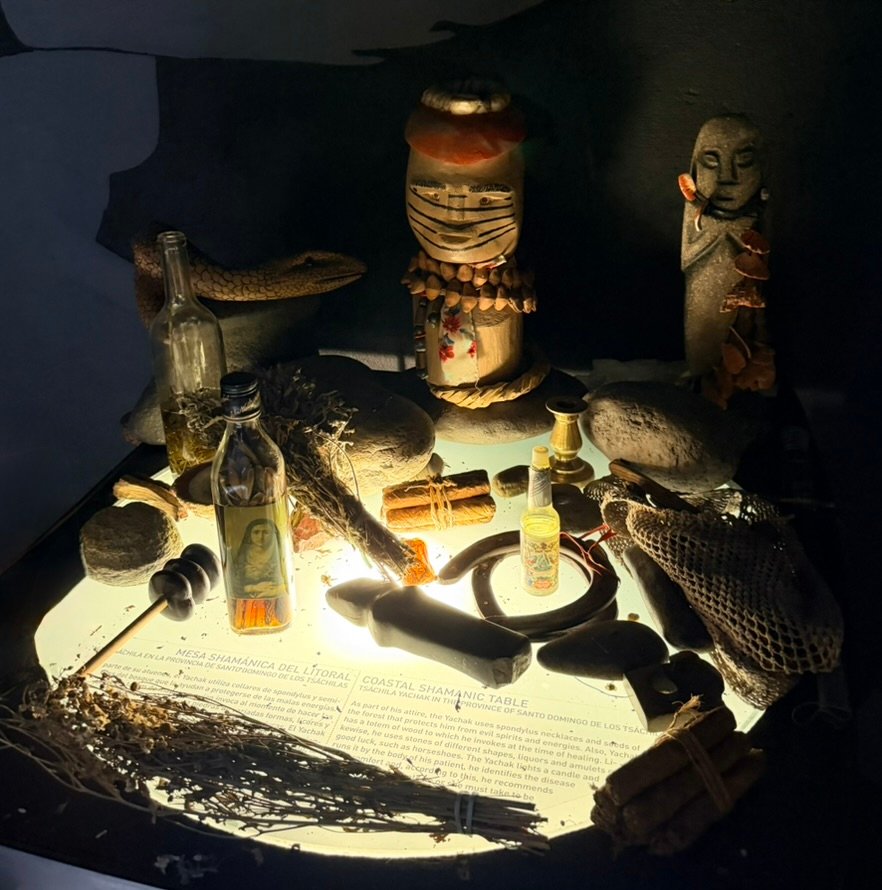
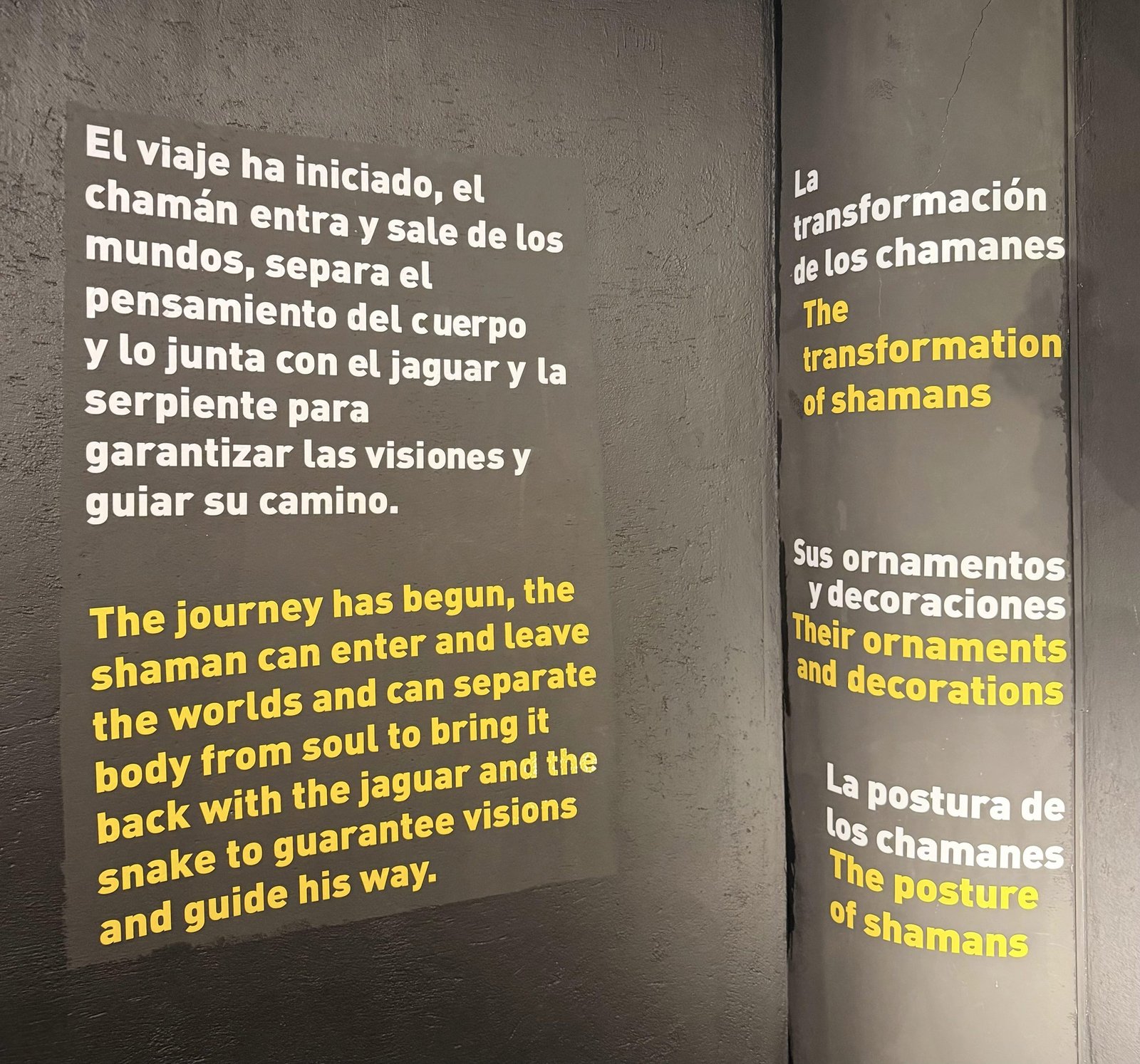
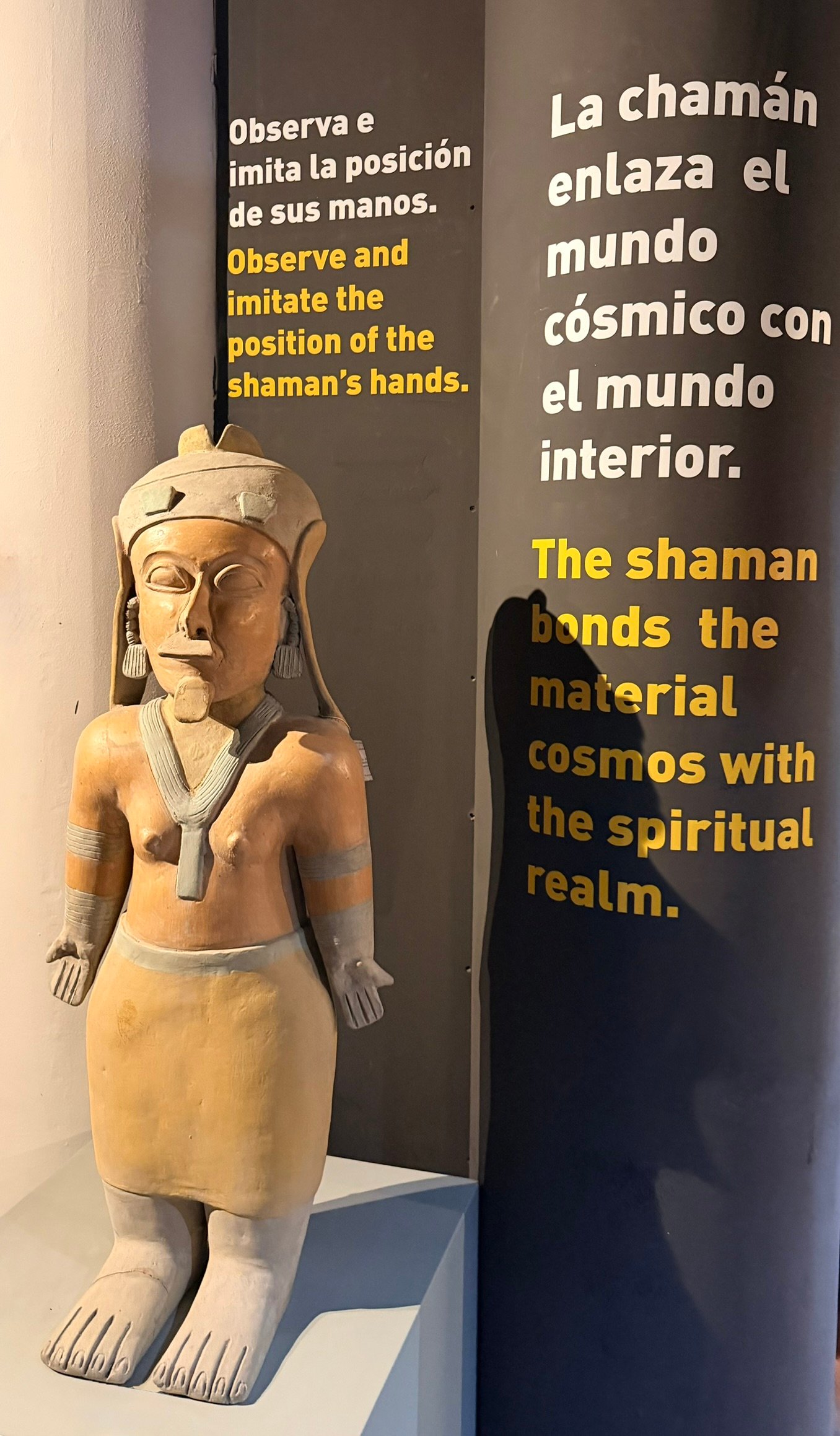
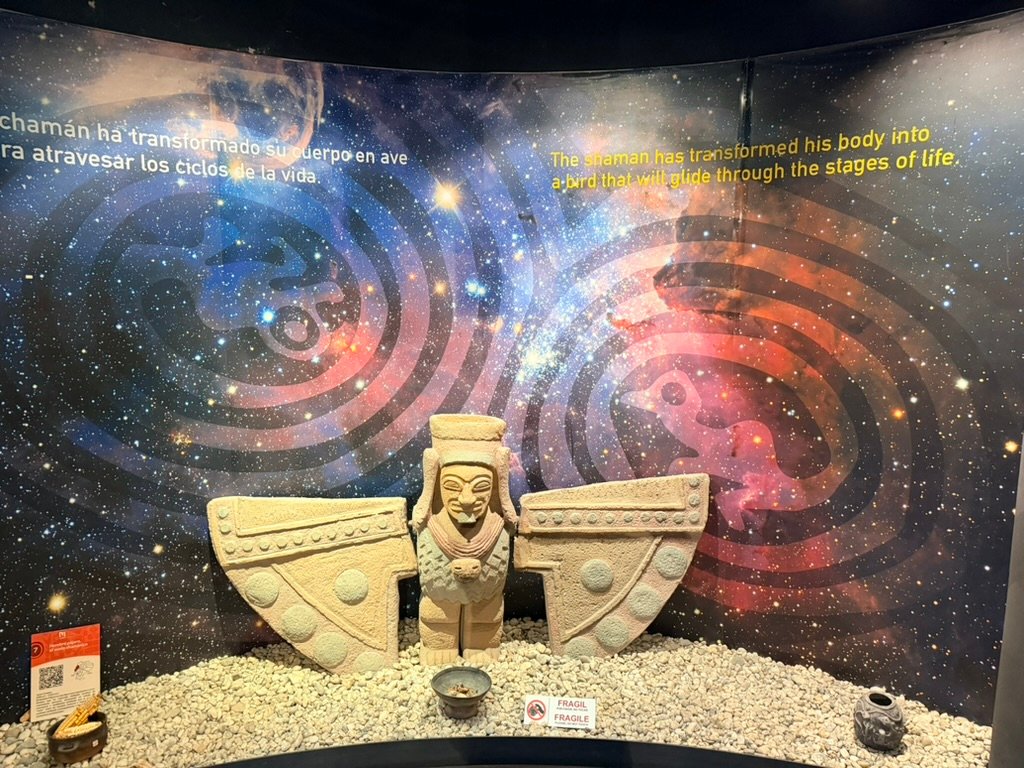
The top two floors take a sharp turn into shamanism and psychedelics, explaining how psychoactive plants have been used in some Indigenous traditions for healing, ceremony, and communication with the spirit world.



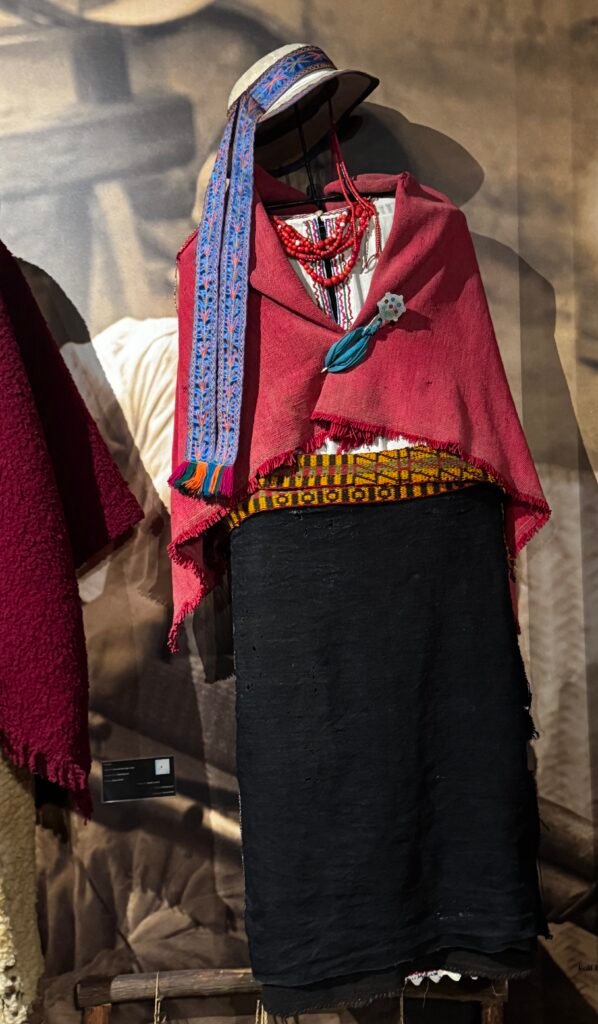
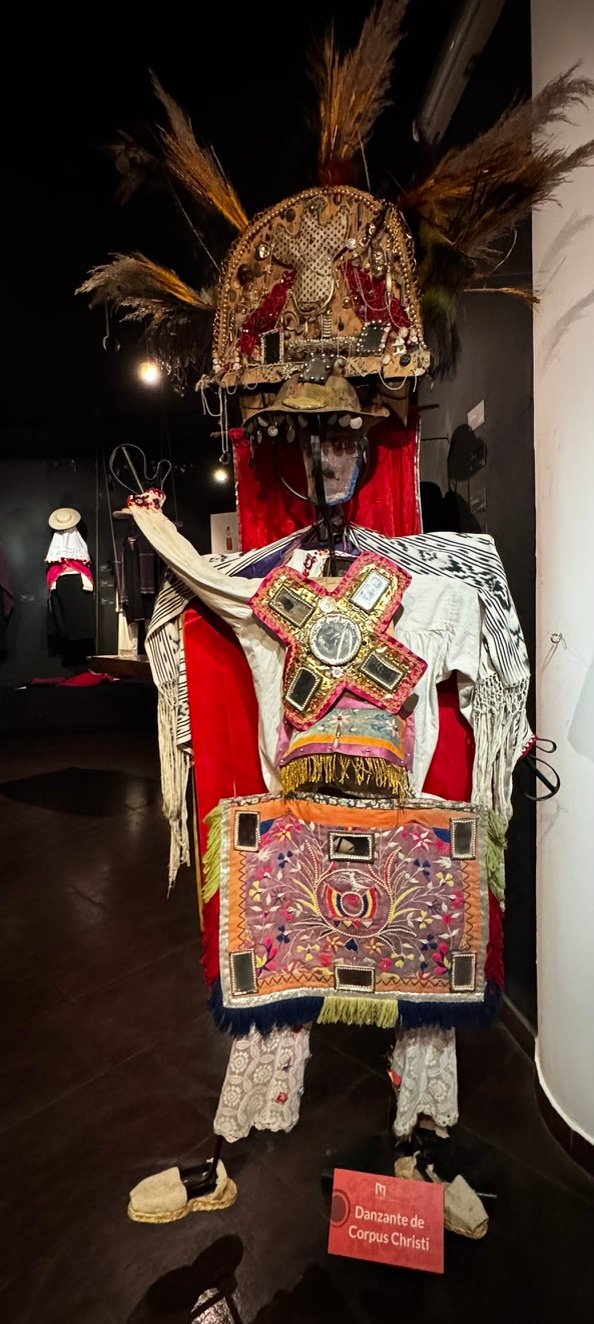
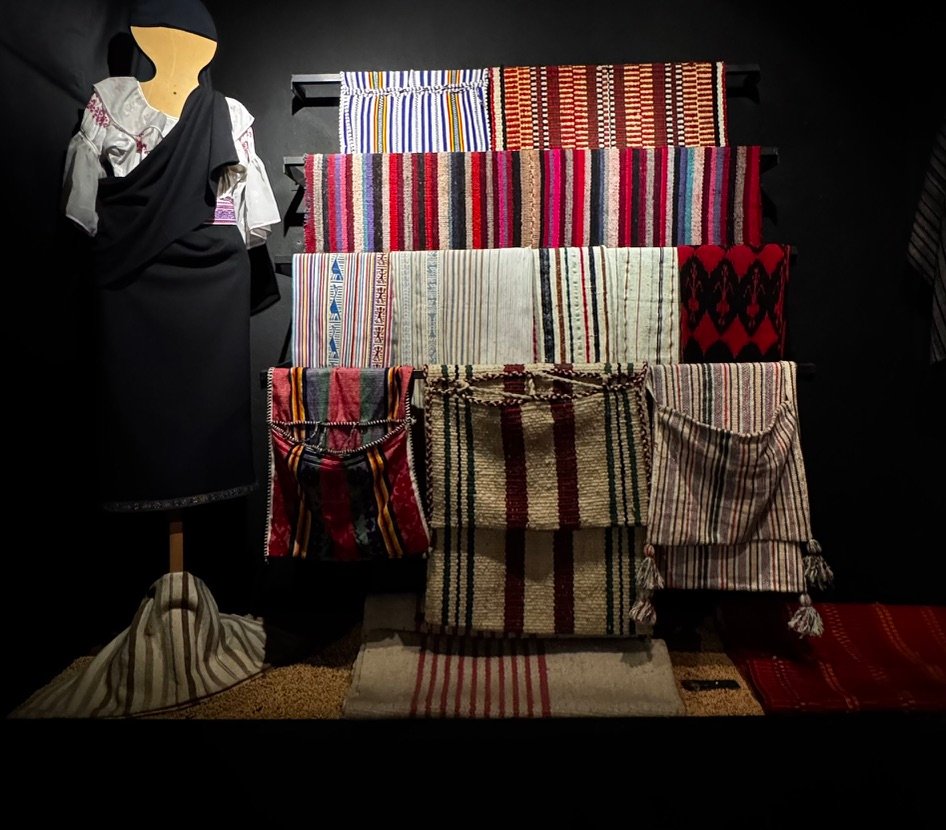
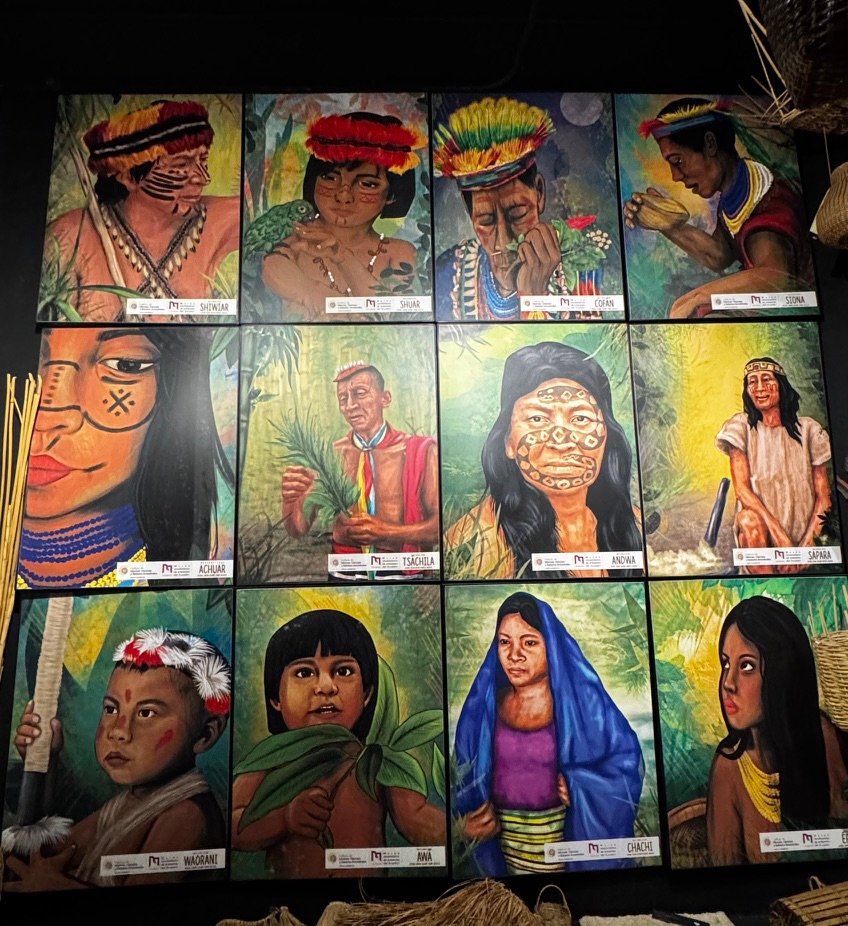


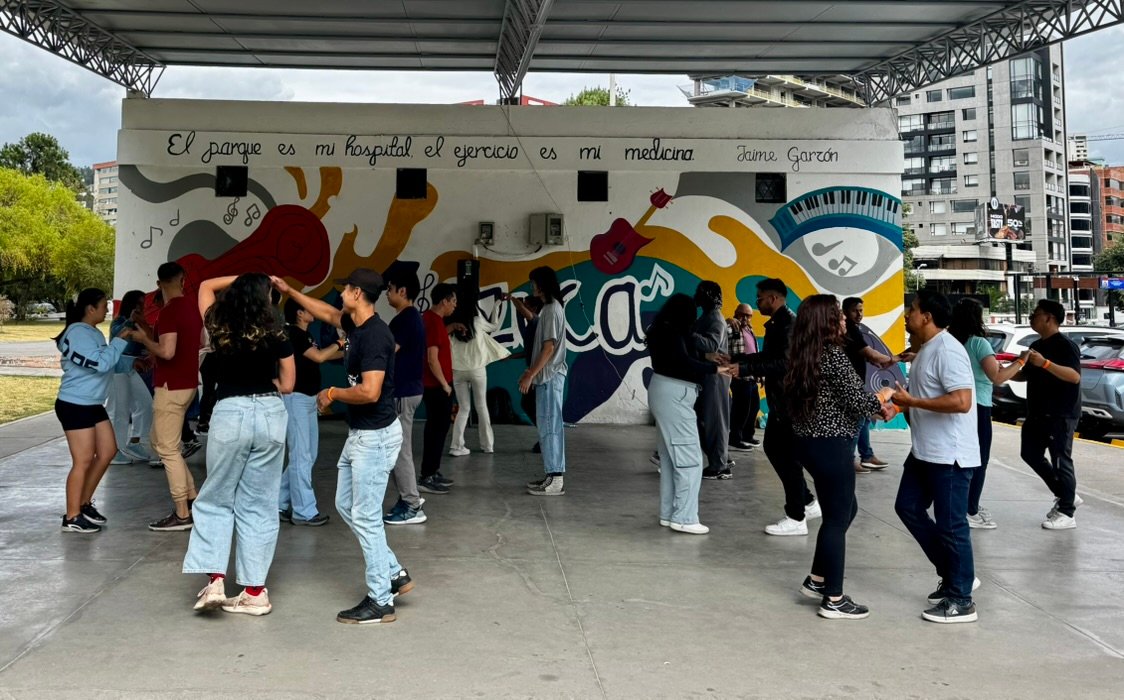
On the way back to the apartment we saw a dance class in the park.
Casa Museo Guayasamín
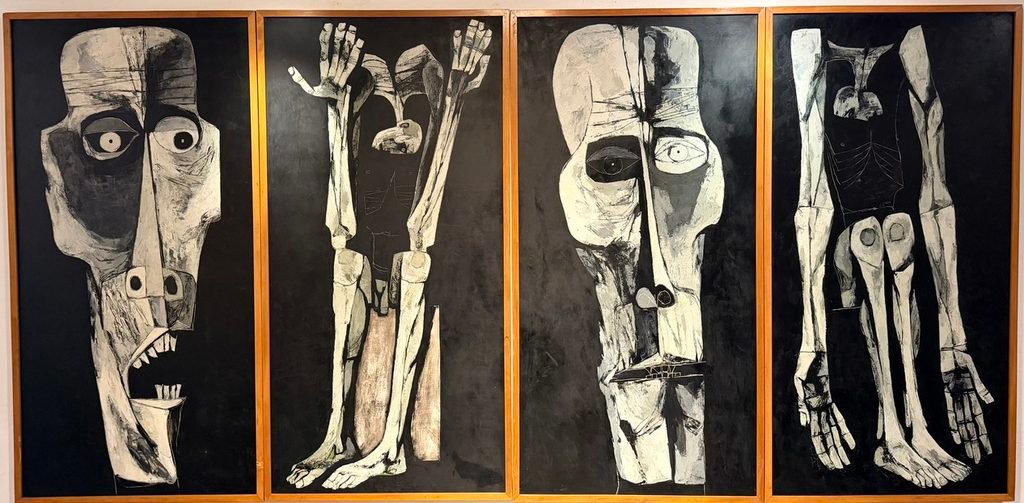
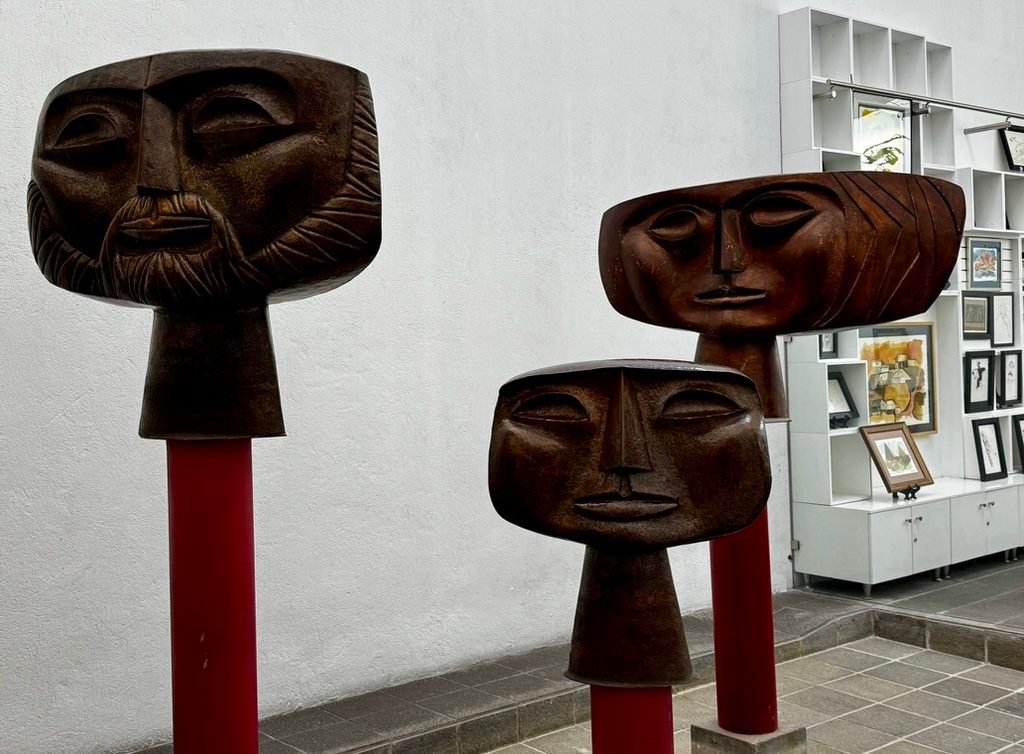
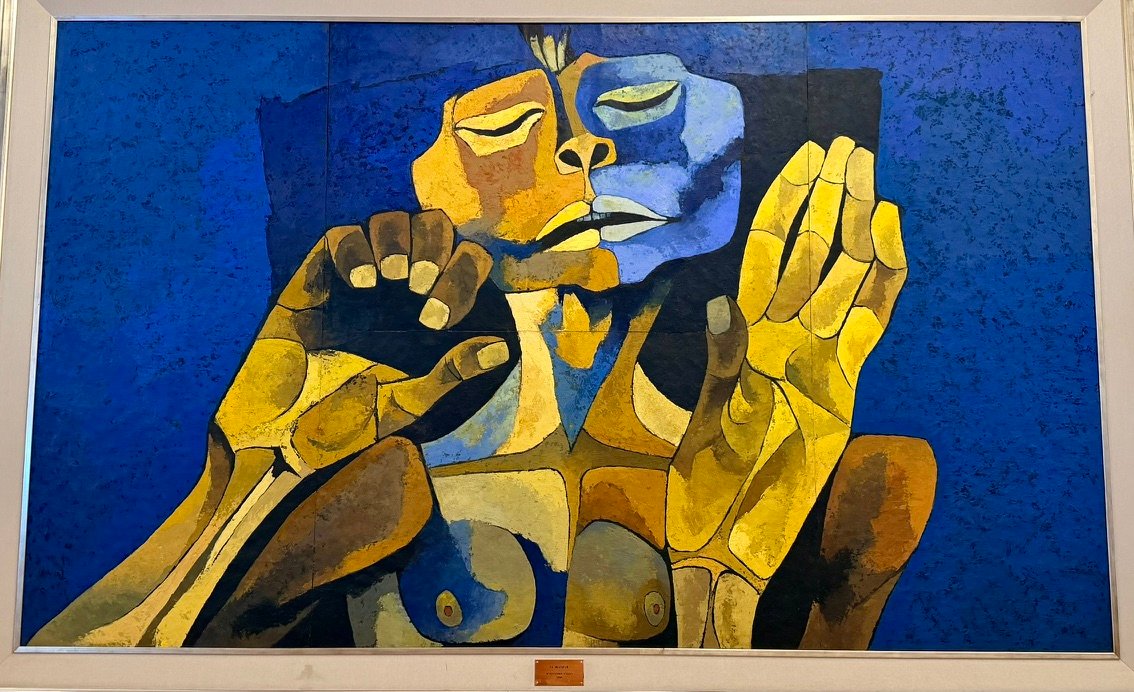
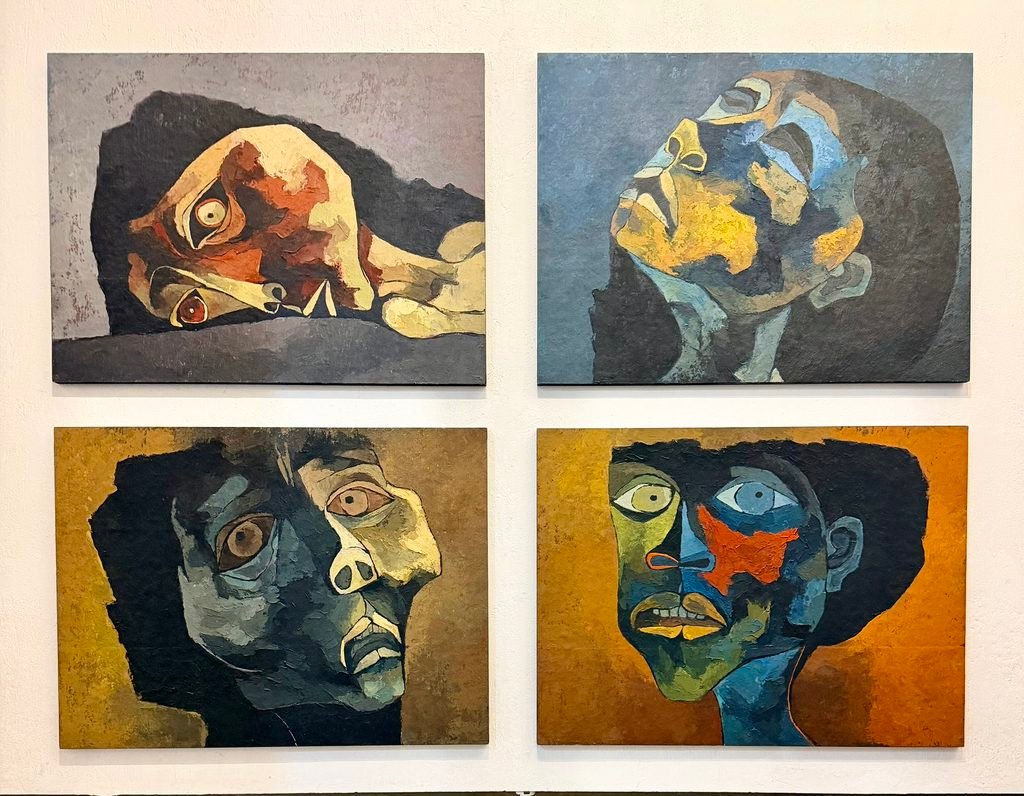
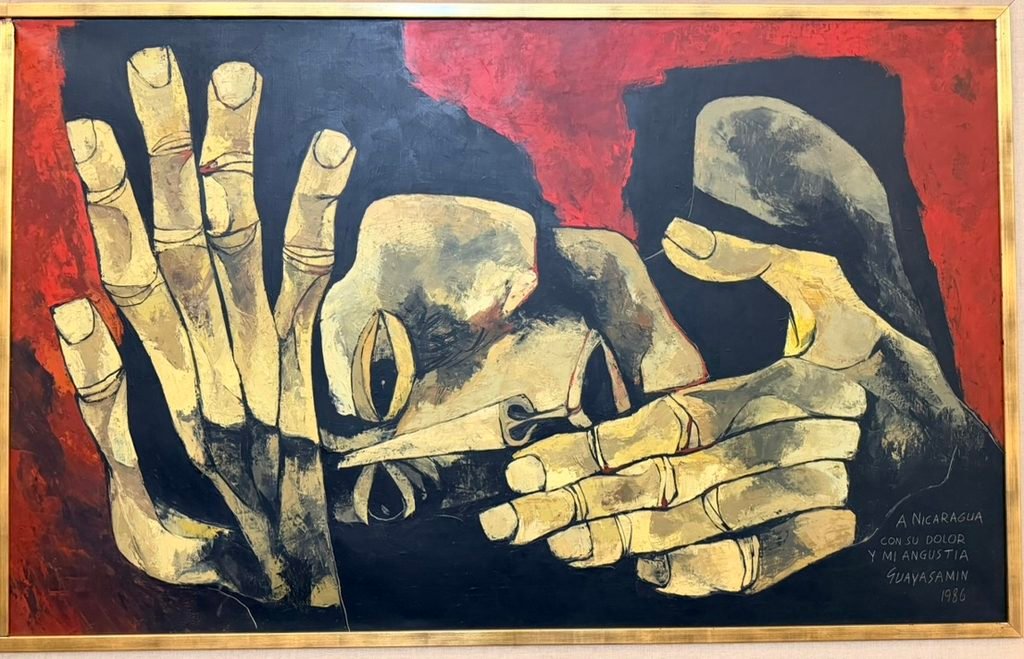
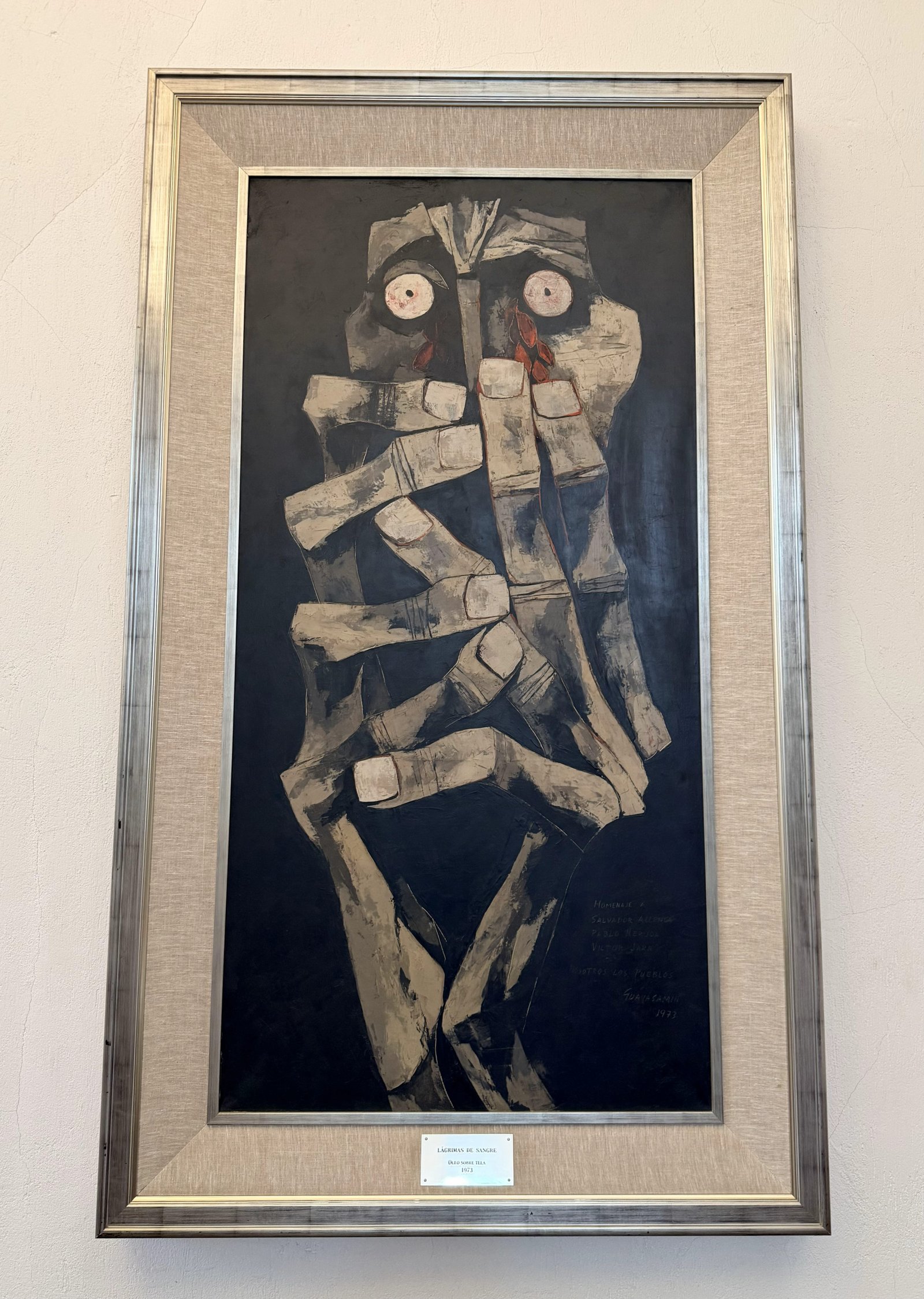
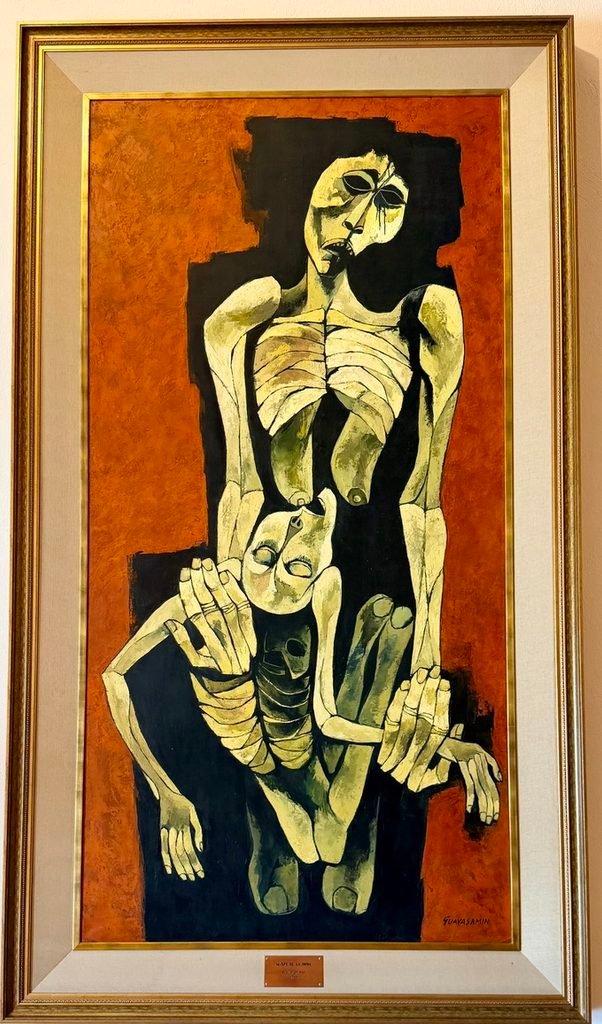
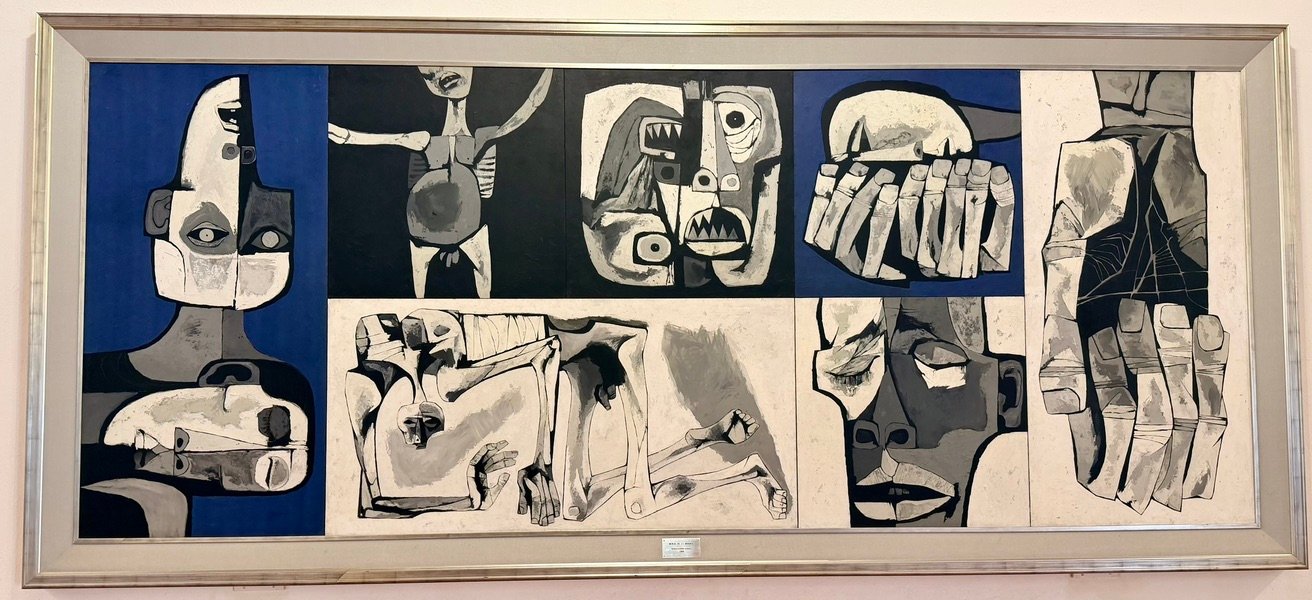
I am going to apologize in advance for the number of pictures I am sharing below from this museum but both of Julie and I found Guayasamín to be an incredible artist!
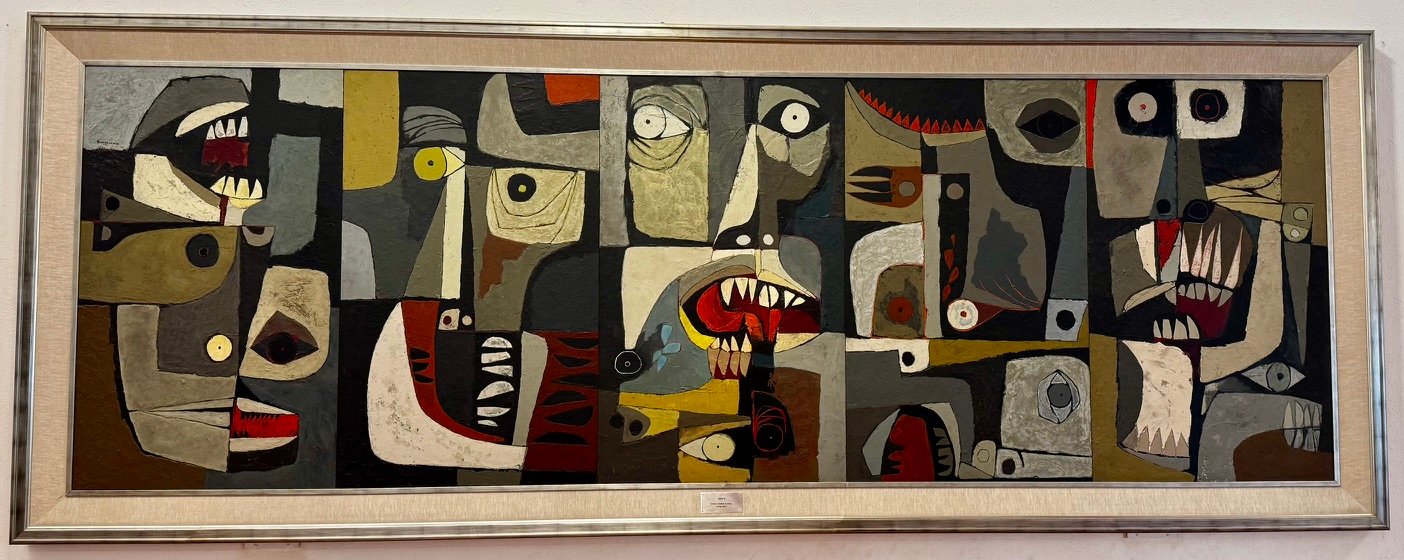
Oswaldo Guayasamín (1919–1999) is Ecuador’s most internationally celebrated modern artist. He was born in Quito and he was a painter, muralist, sculptor, and printmaker. The tour started in his home where you see some of his art, but mostly is own eclectic personal art collection. It included pre-Columbian archaeology, colonial religious art, as well as Ecuadorian modern art.

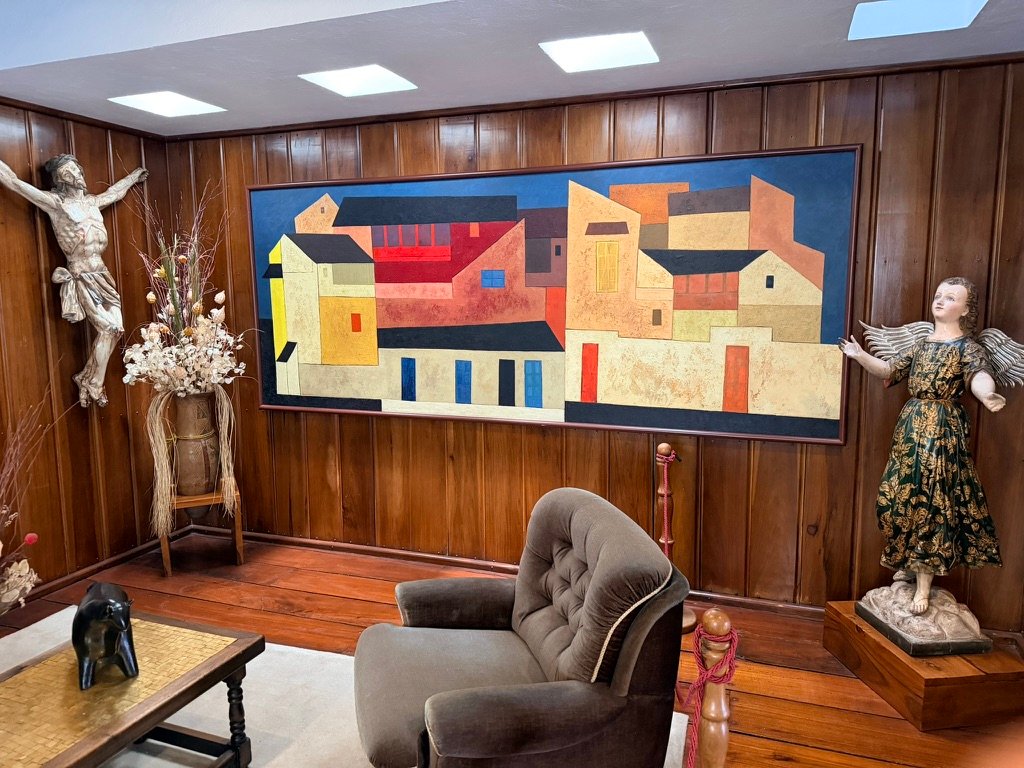
Guayasamín collected some Christian art, despite not believing in god, because he considered it the art to be an important record of Ecuadorian culture.

In Guayasamín’s bedroom he had a collection of pre-Columbian ceramic figures while in coitus and depicted in a variety of positions. Noting that all of these positions are still used to this day, this was clearly visionary work.


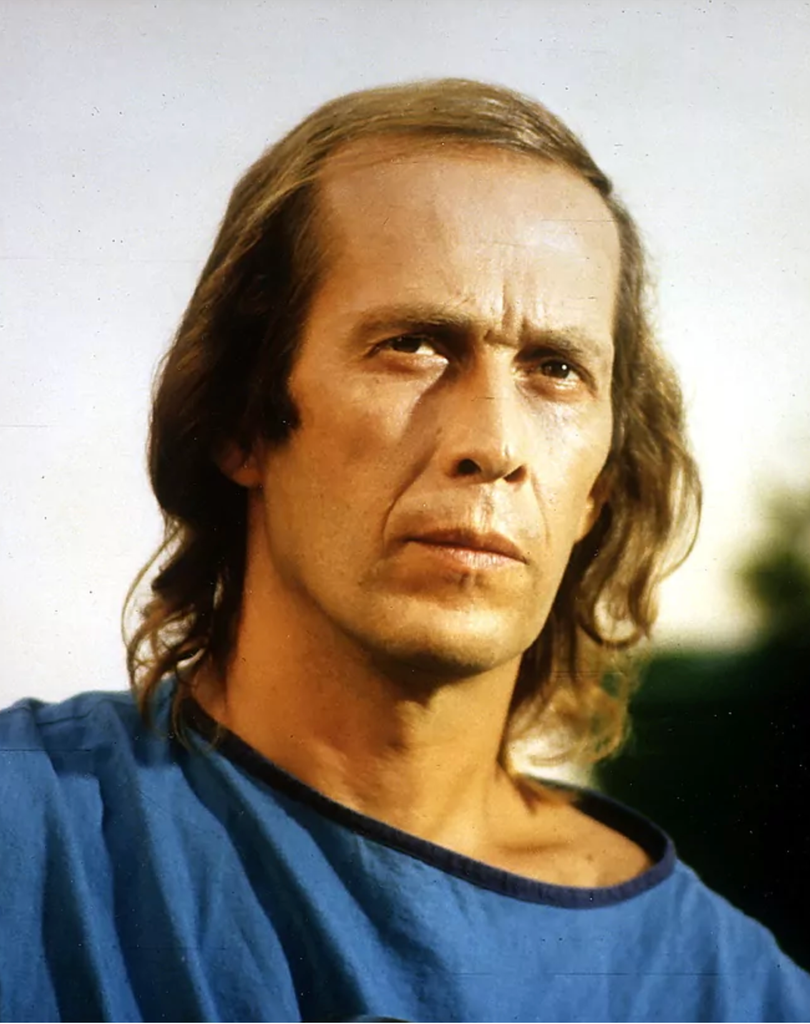
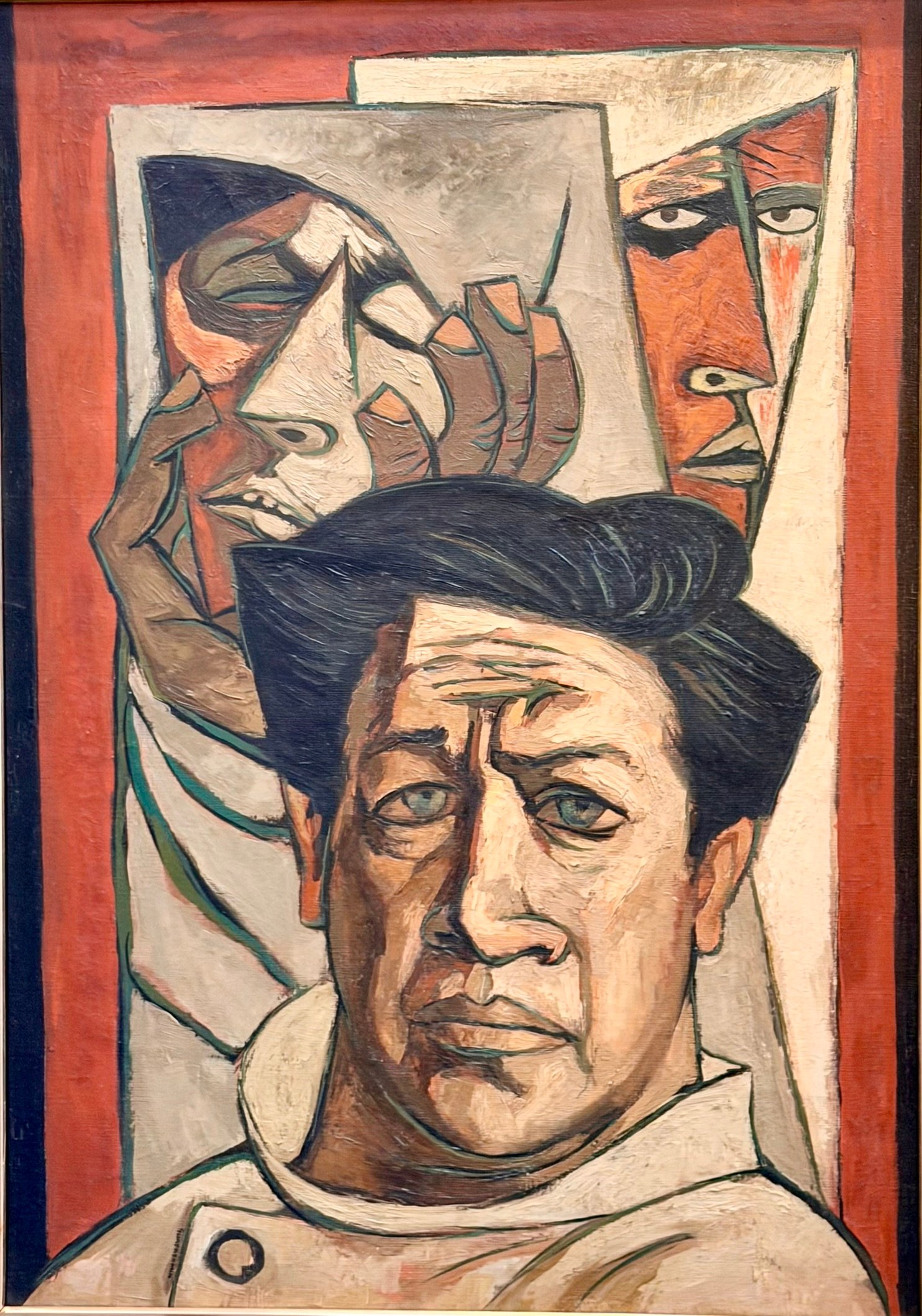
This is Paco de Lucía (1947–2014), an influential Spanish flamenco guitarist and composer. There was a short video of Guayasamín painting his portrait. After the video we were able to view the actual painting.
Instead of painting a realistic likeness, he exaggerates certain features in order to bring out emotional depth and intensity.
Further down you will see how he distorts and simplifies the subjects he paints to intensify their emotional force.

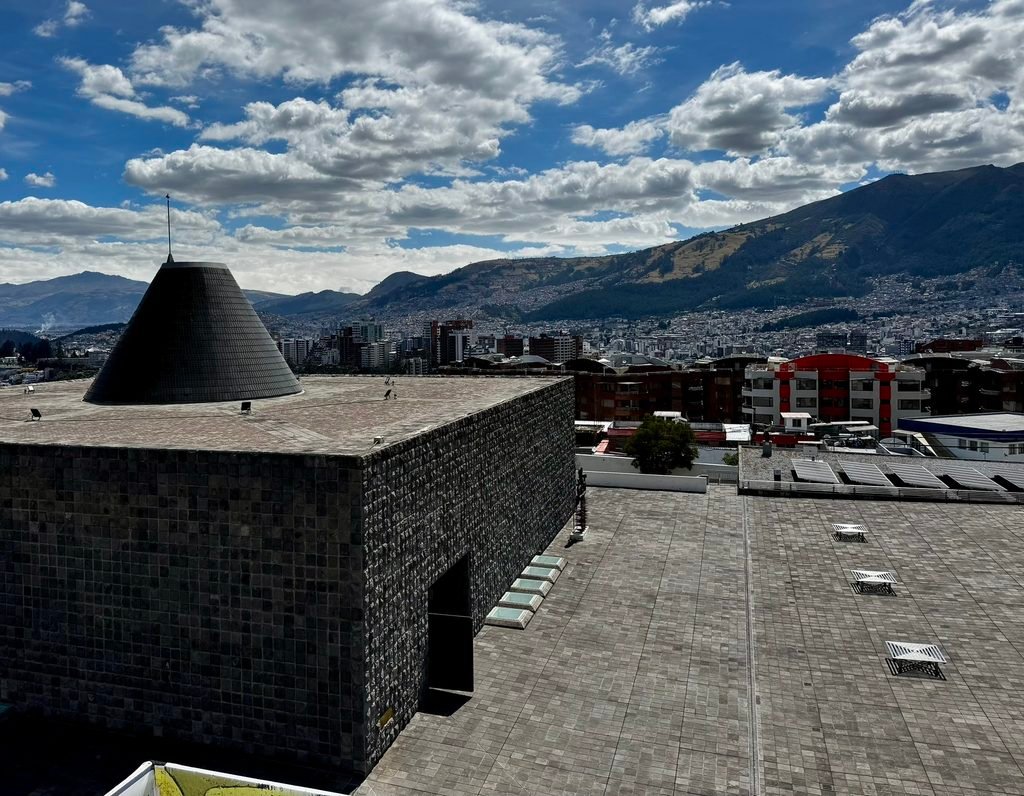
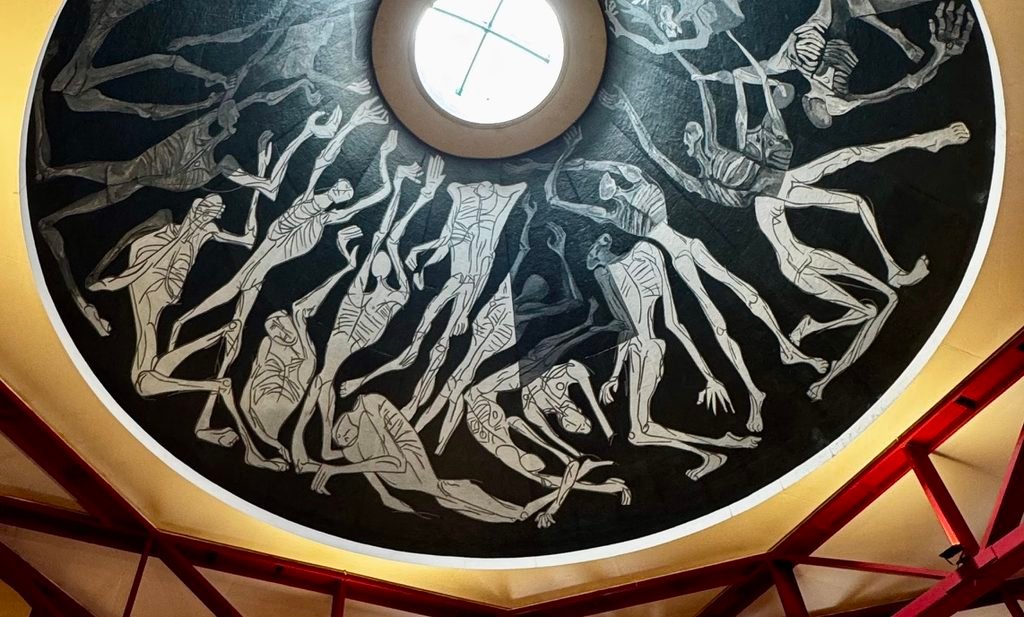
After touring his home, you cross the property to La Capilla del Hombre—“The Chapel of Man.” This is a larger museum that showcases many of Guayasamín’s major works.
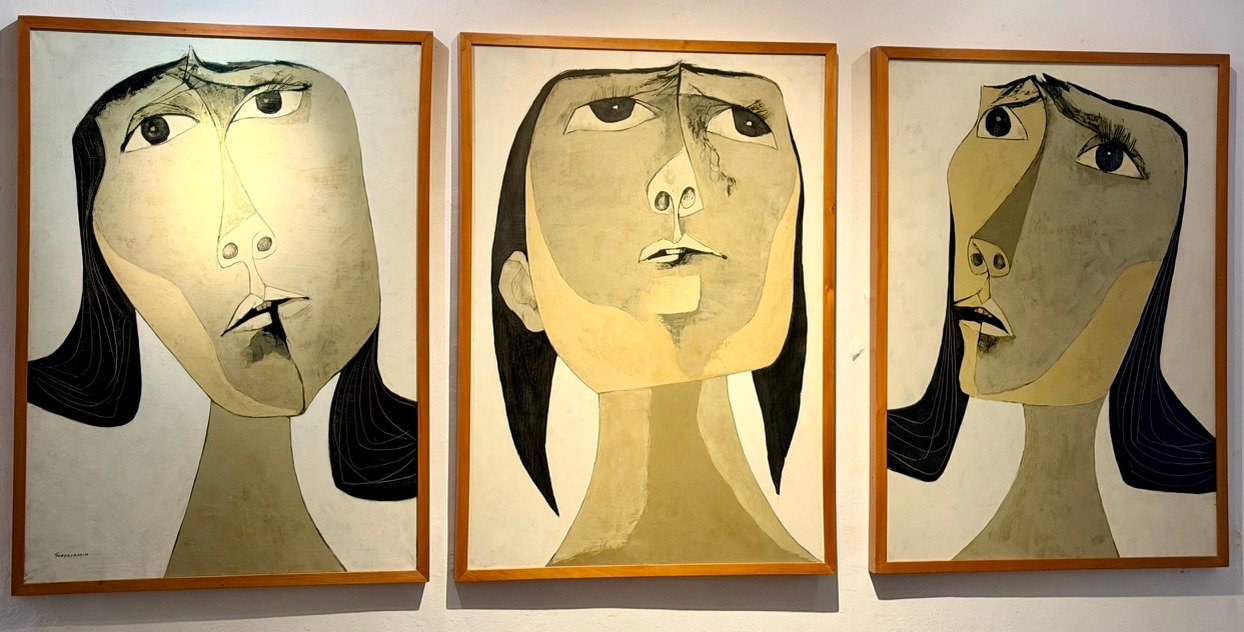
Self portrait
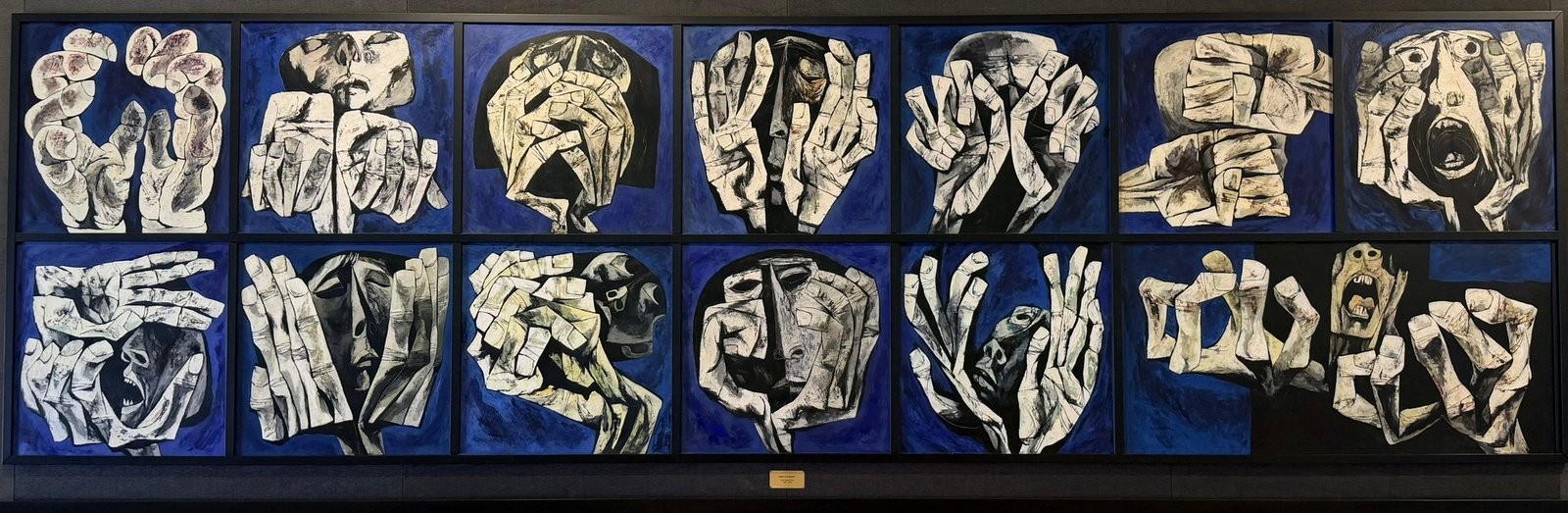
The subject matter of Guayasamín’s work largely focused on the emotional life of people who were often poor, Indigenous, excluded, bereaved, or living under violence.
Guayasamín began with a close concern for the injustice experienced by Indigenous, Afro-descendant, and mestizo people in Ecuador and across Latin America, then widened his focus to the great human-made catastrophes of the 20th century, including Nazi concentration camps and the Holocaust.


A Quito City tour on the hop-on hop-off bus
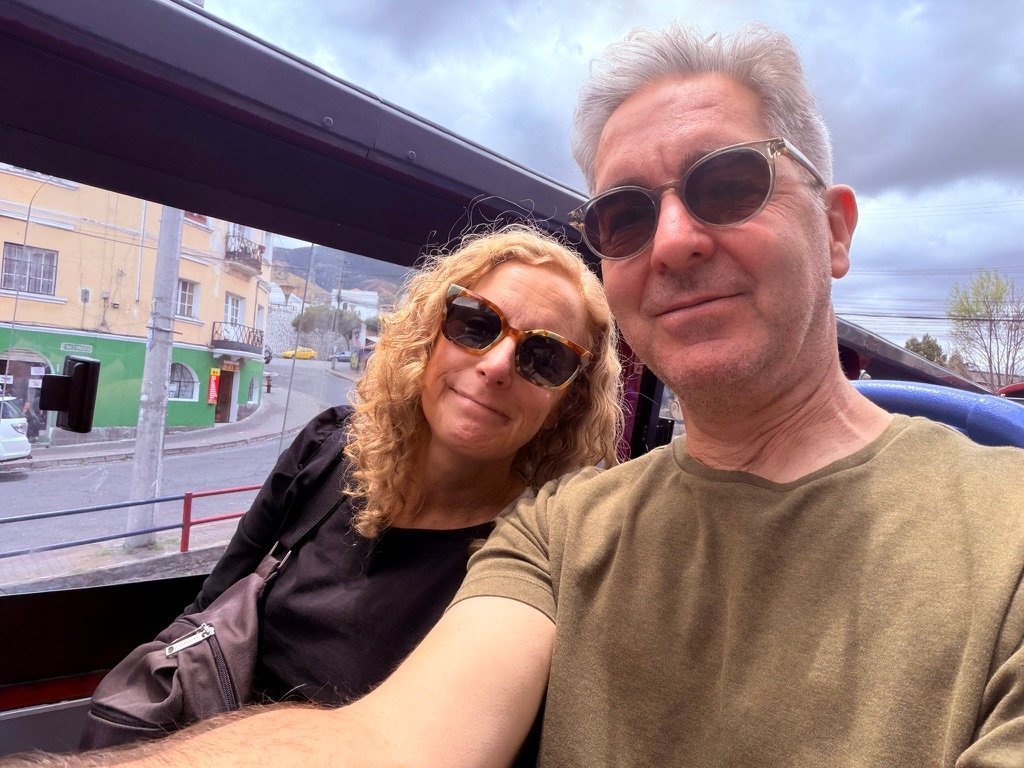
Julie and I decided to take a hop-on hop-off bus on our first day in Quito. It was a good way to see some neighborhoods and attractions without having to think too hard.
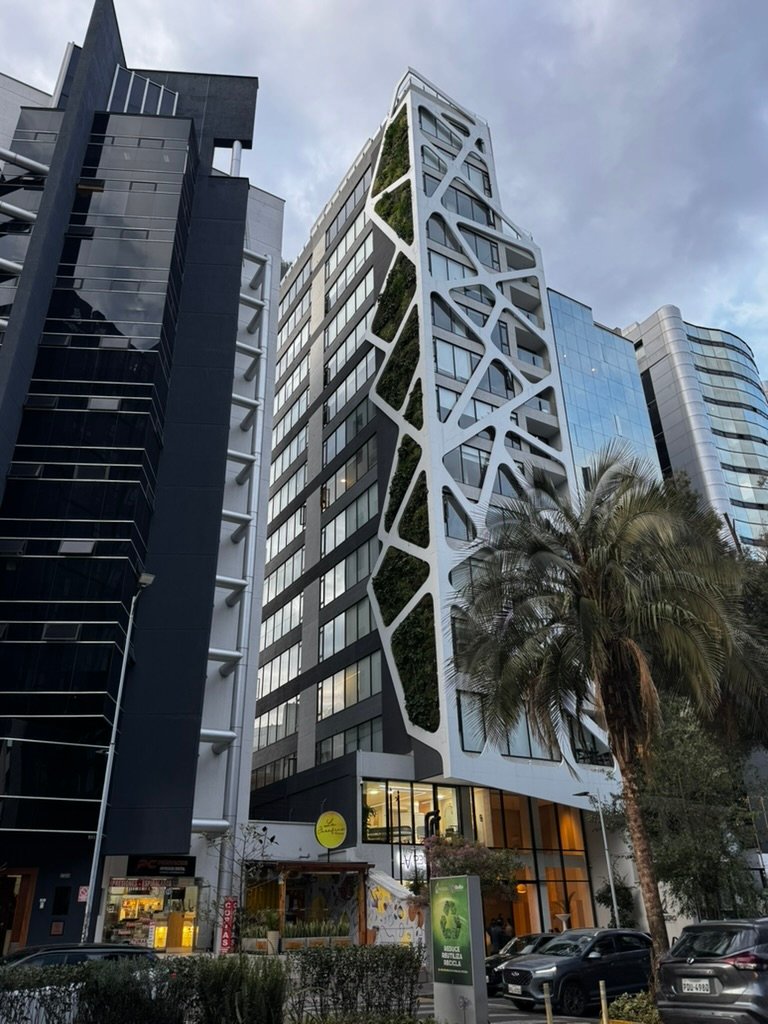
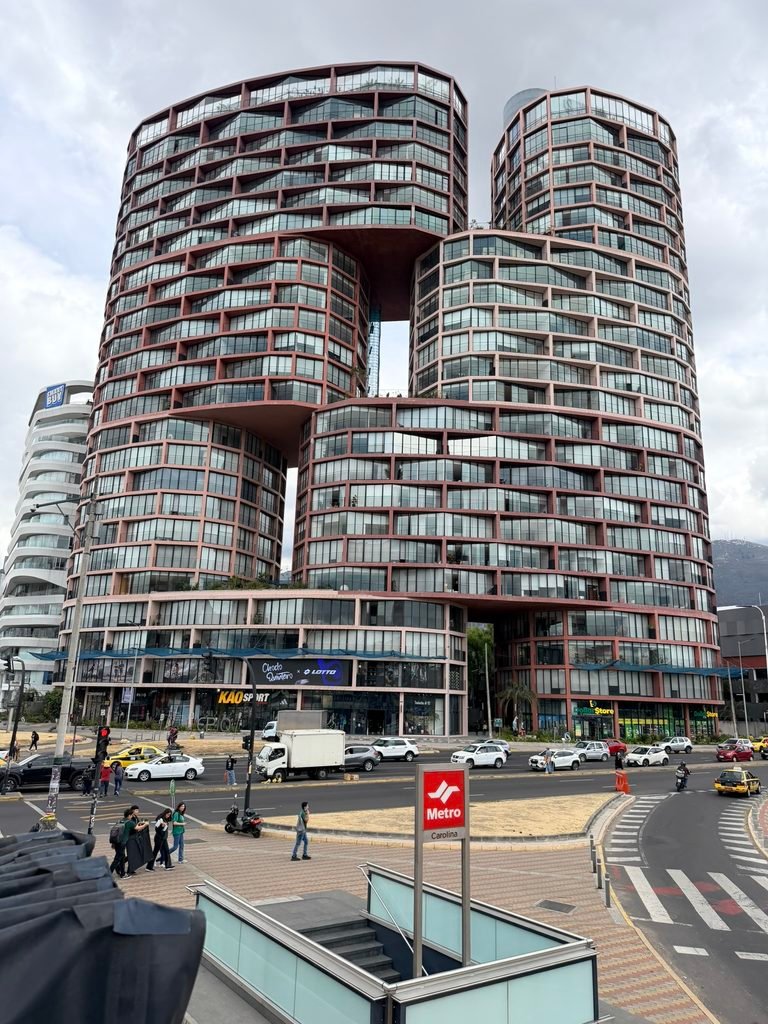
It took us around the La Carolina neighborhood where we are staying where there are some pretty cool buildings across from La Carolina Park.
Cool buildings

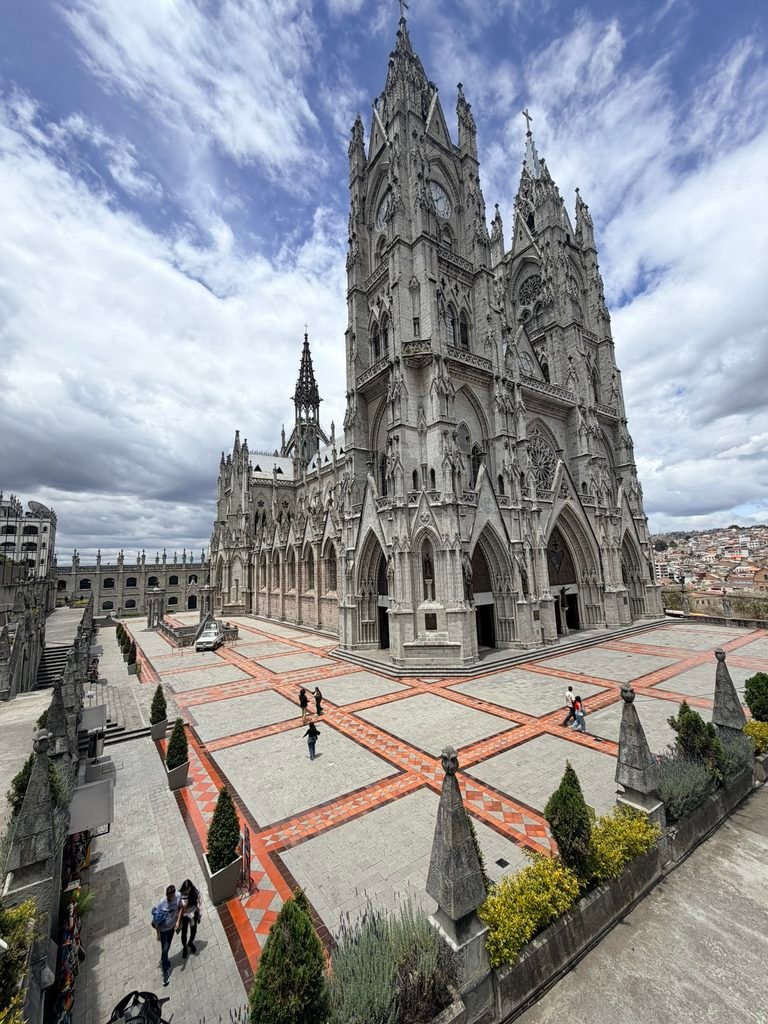
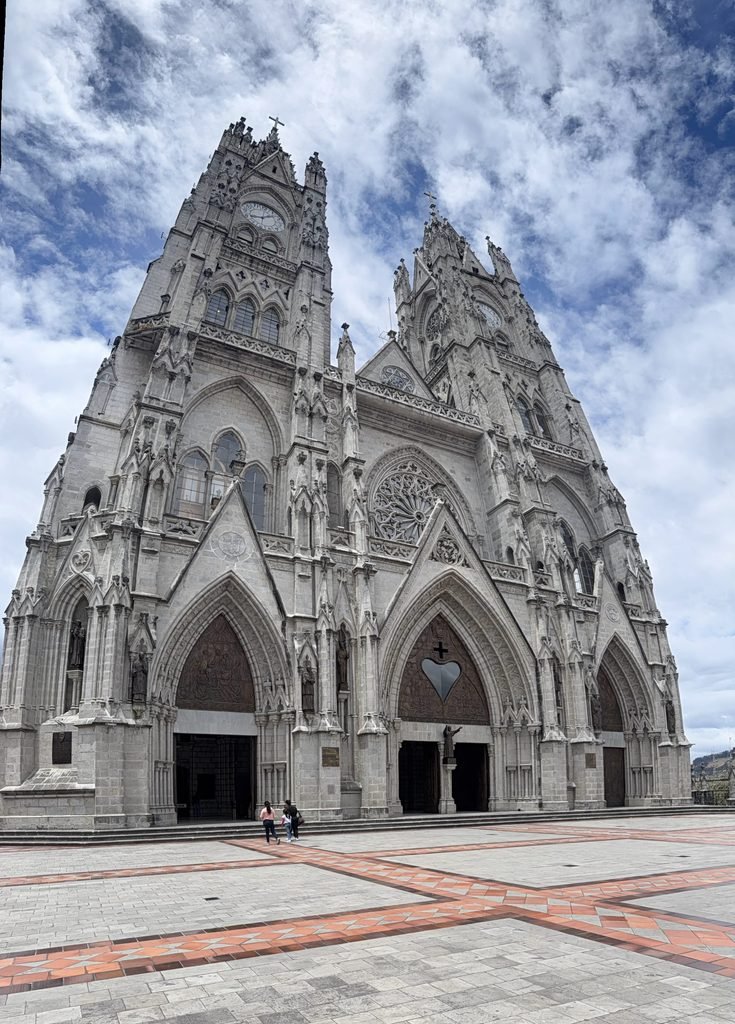
The Basilica: The largest neo-Gothic style church in America and reach one of the highest viewpoints in the city. We took a tour and climbed one of the towers.
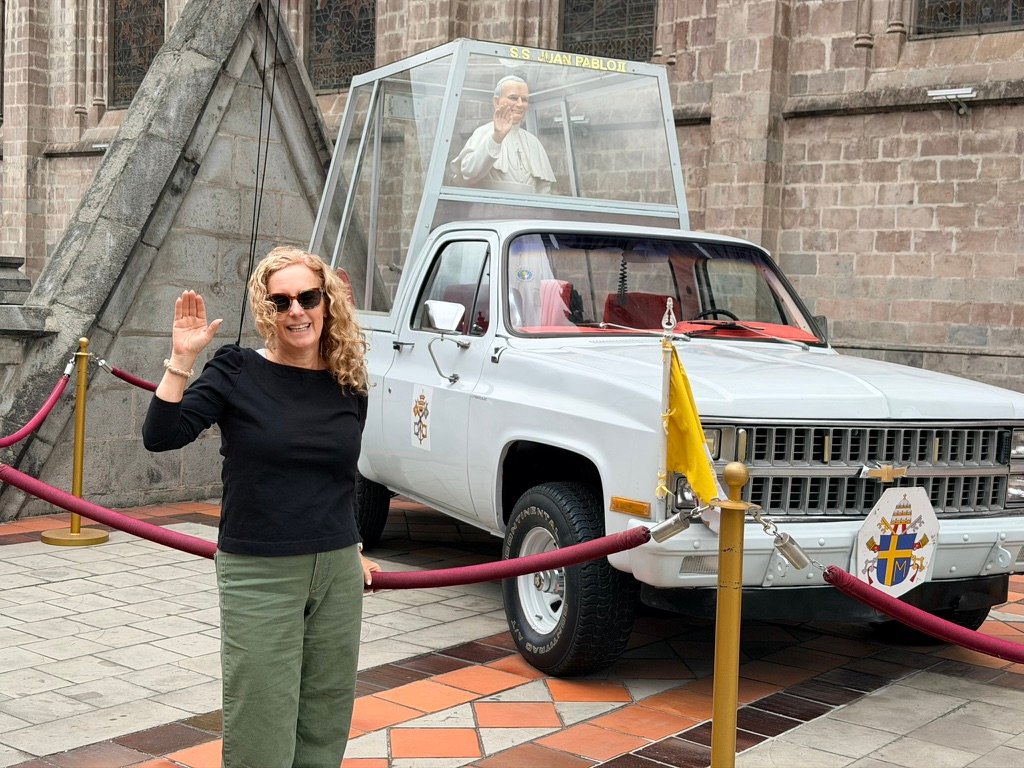
Julie trying to wave like the Pope. They have an actual Popemobile.
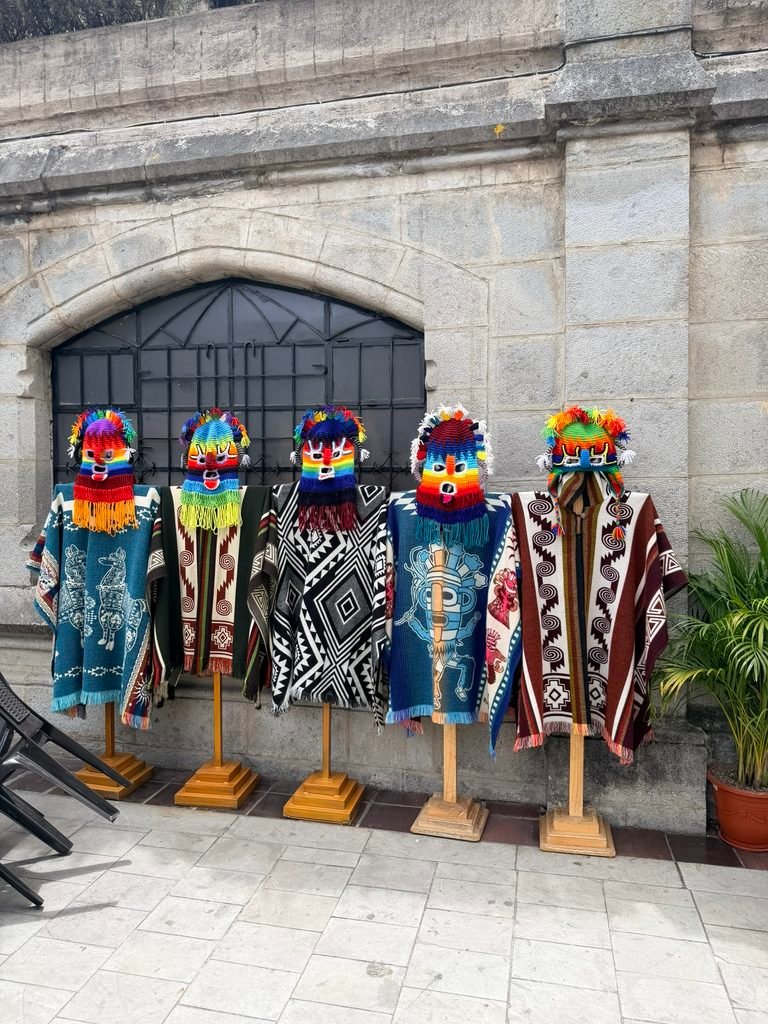
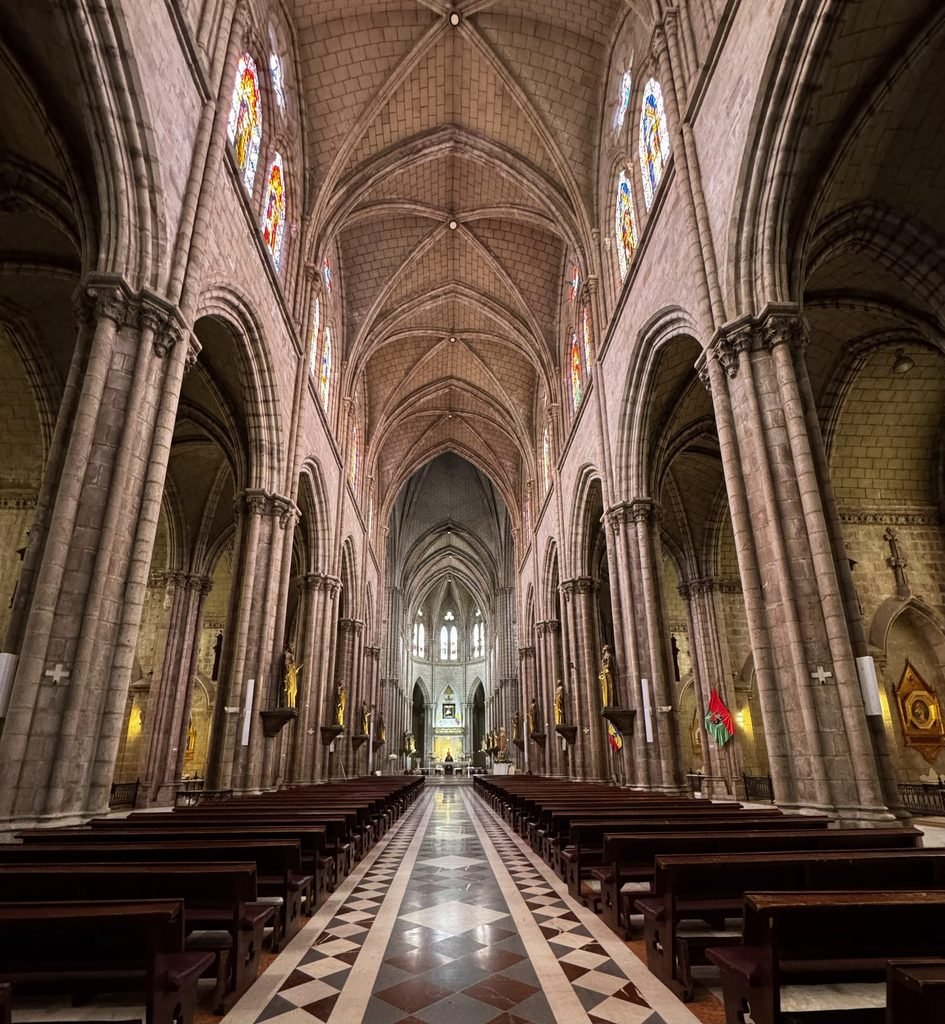
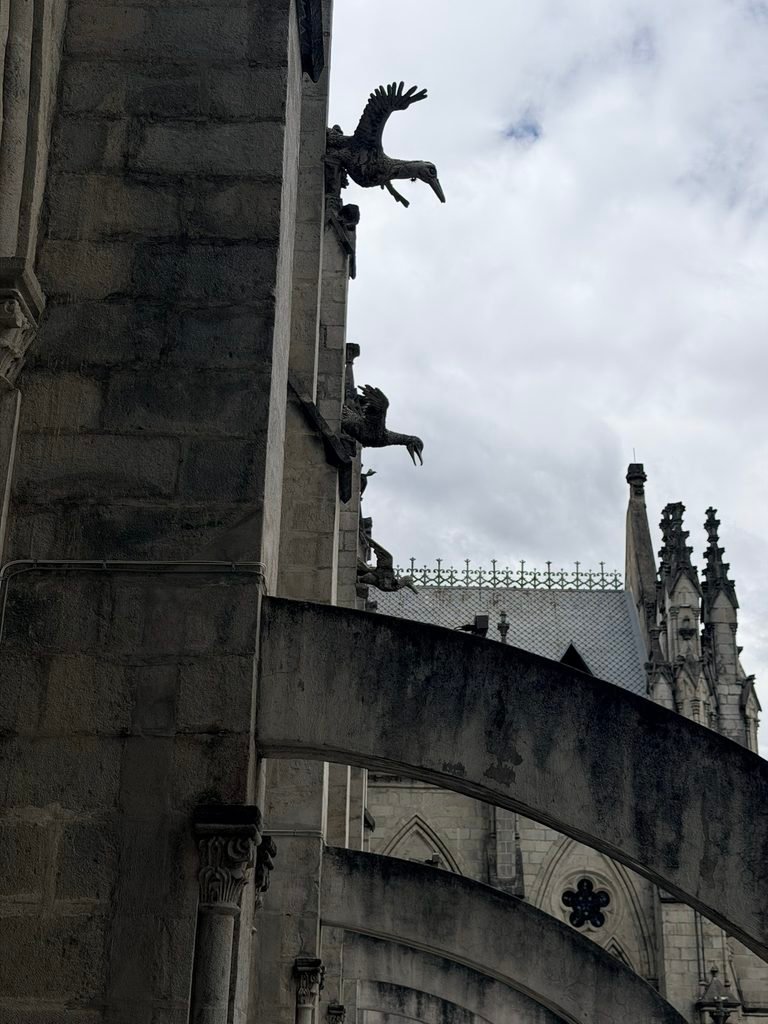
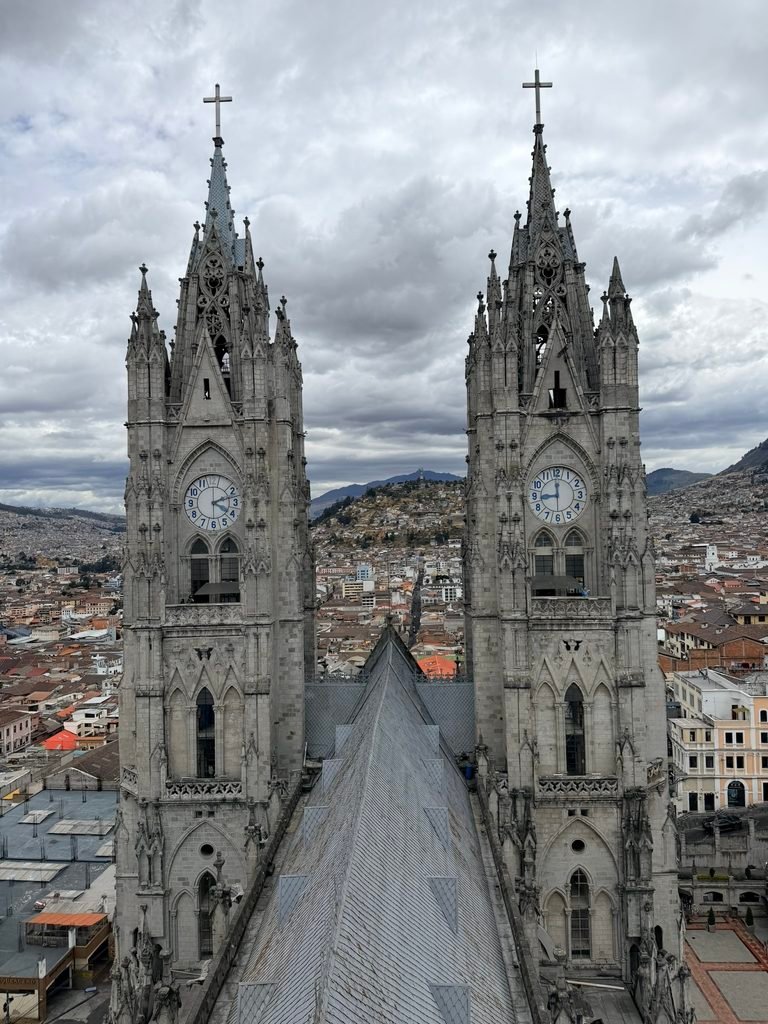
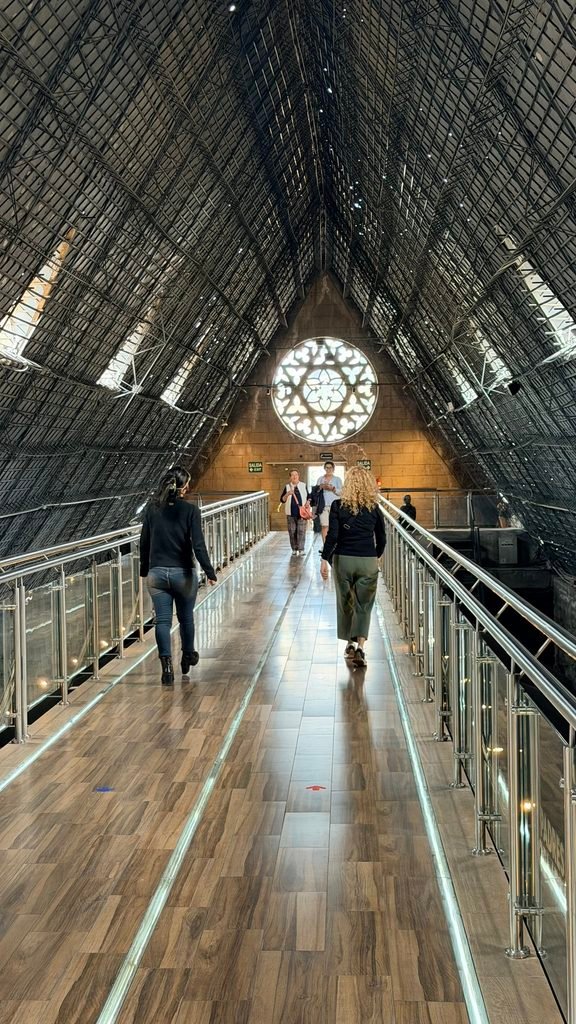

On the way to San Francisco and the Old Town

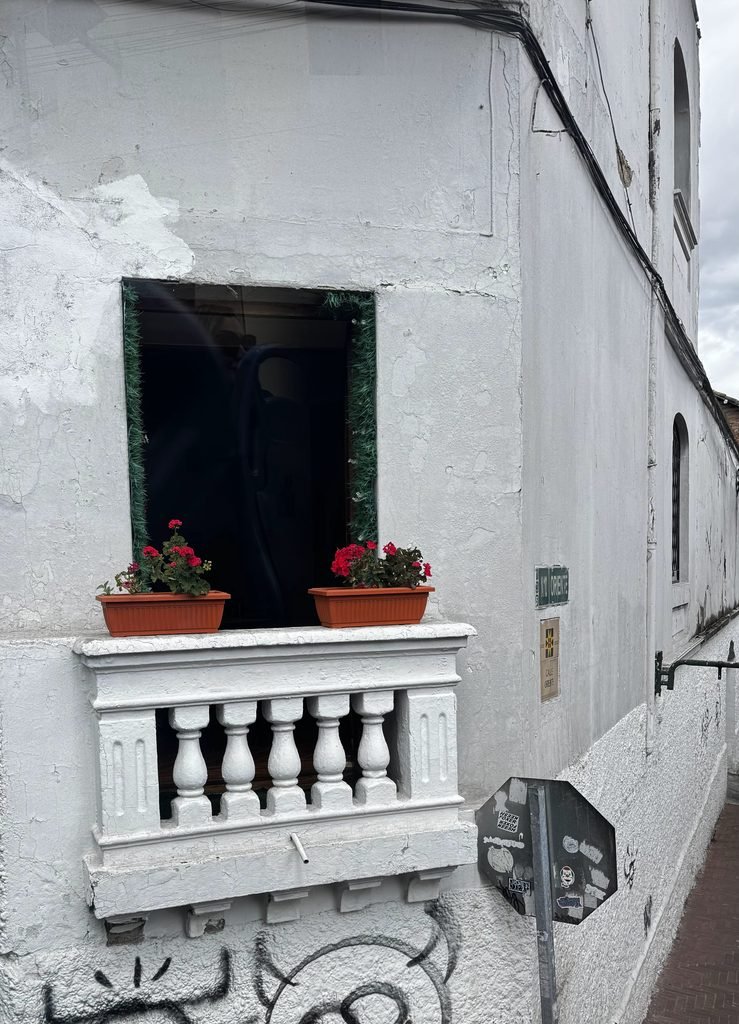
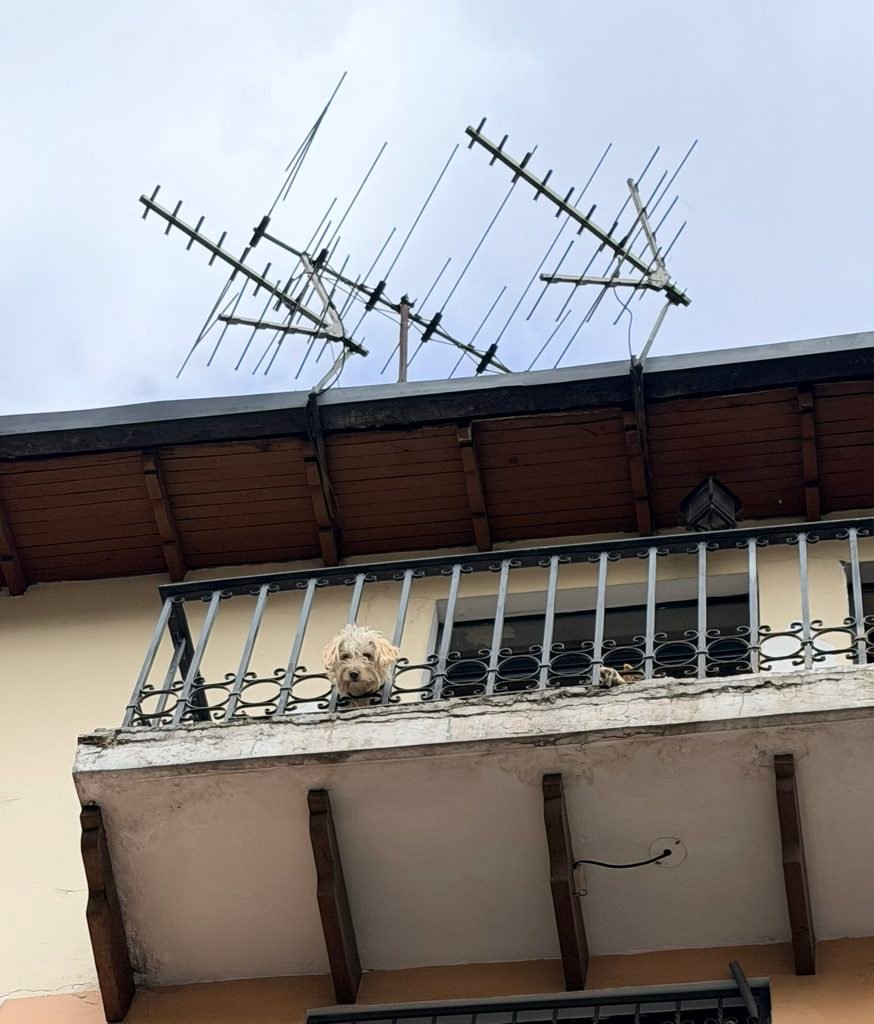
Iglesia y Convento de San Francisco
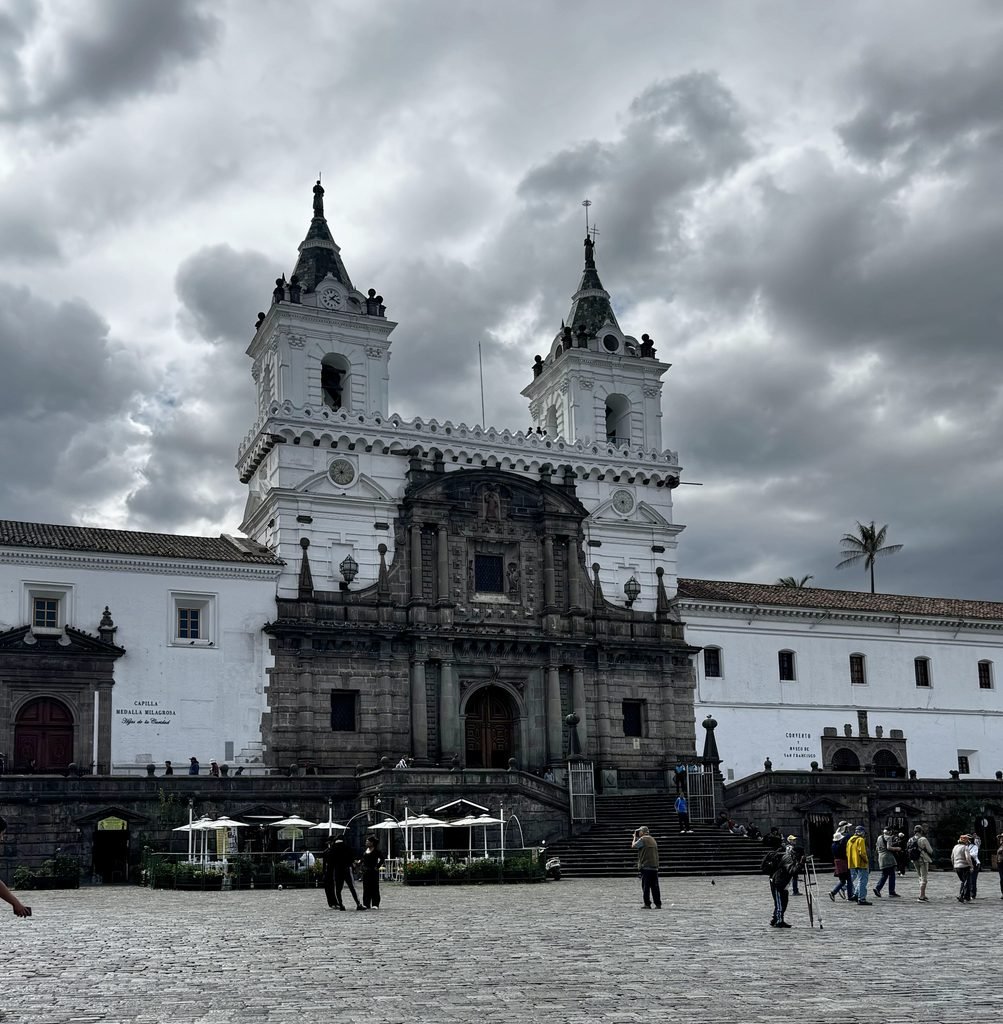

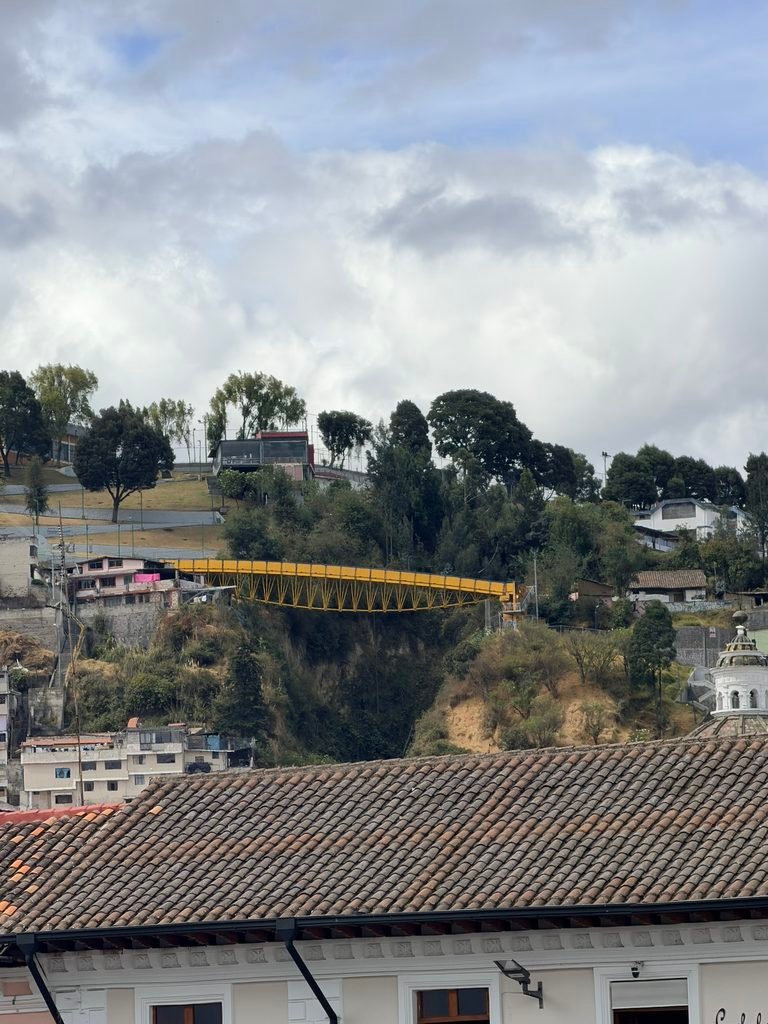
On the way to El Panecillo viewpoint
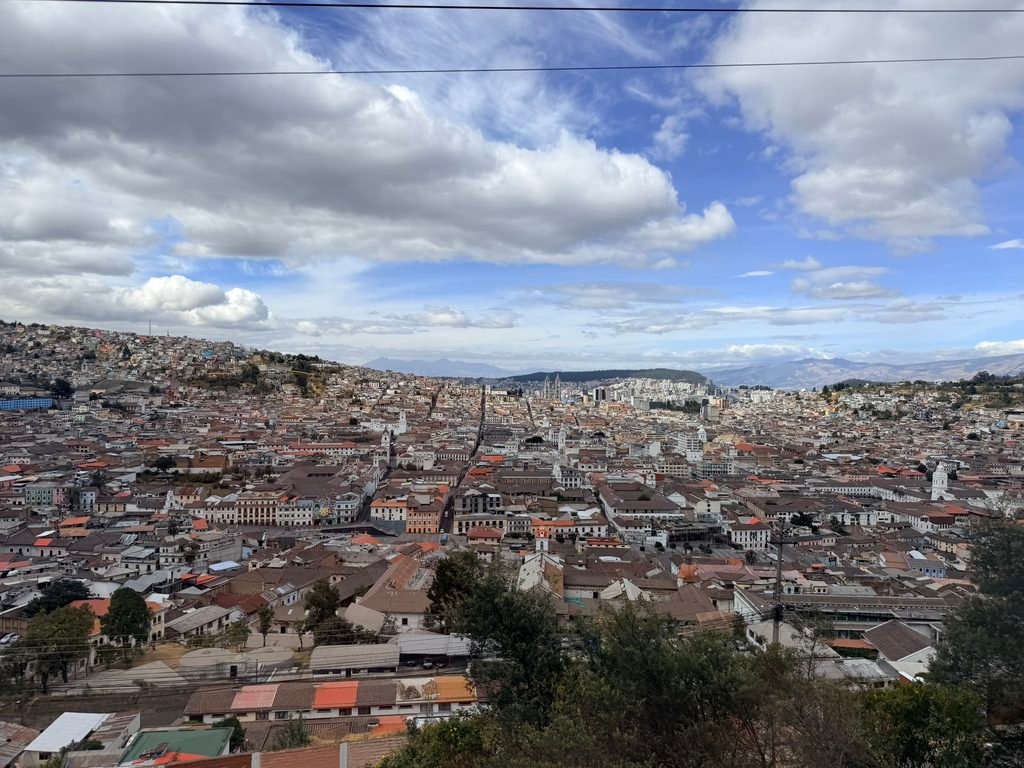
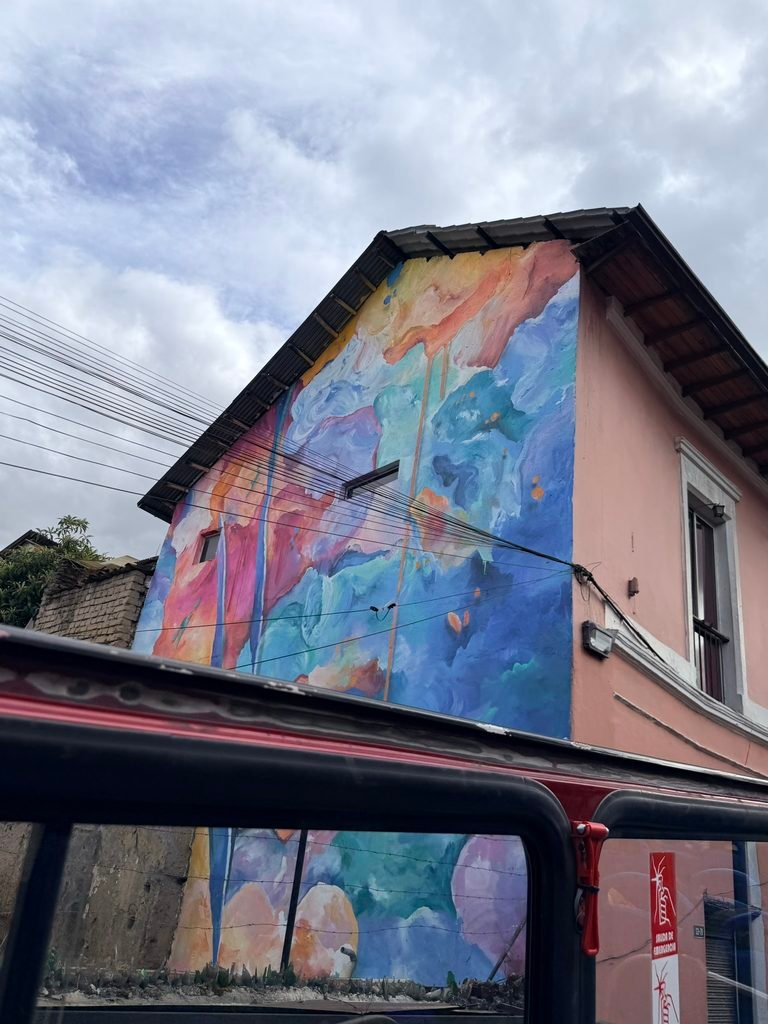
El Panecillo Statue
El Panecillo has one of Quito’s clearest panoramic views: from this hilltop, you can see the colonial churches and tiled roofs of the historic center, the city spreading south through the valley, and the mountains that enclose it.
On top of the hill, we saw the Virgen de El Panecillo, This is Quito’s distinctive winged Virgin Mary monument, which was built from thousands of aluminum pieces in 1975.
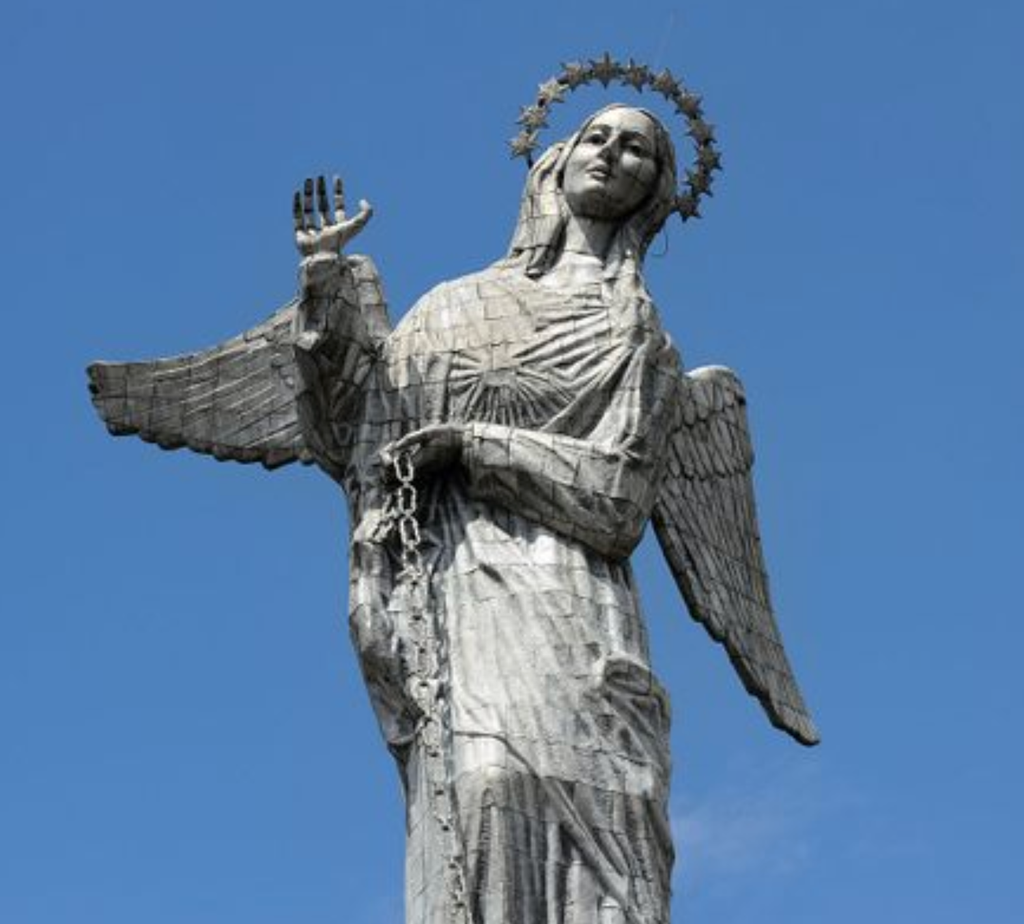


Flying to Quito
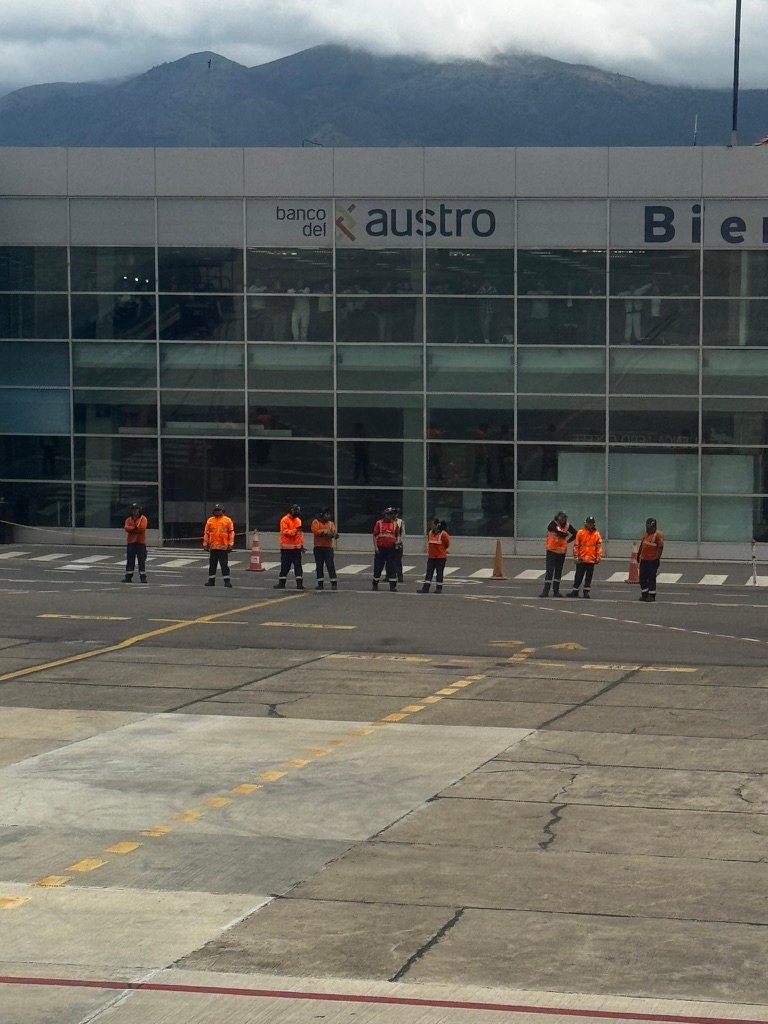
Not much for the ground crew to do after all the bags were loaded and the airplane is pushed back. On the second floor of the airport locals can watch their friends and family leave without having to go through security. It made me miss those pre 9/11 days when we could hang out at the airport without a ticket.
Don’t complain about airport noise. These homes have an airport in their backyard. Good thing there aren’t too many flights each day.
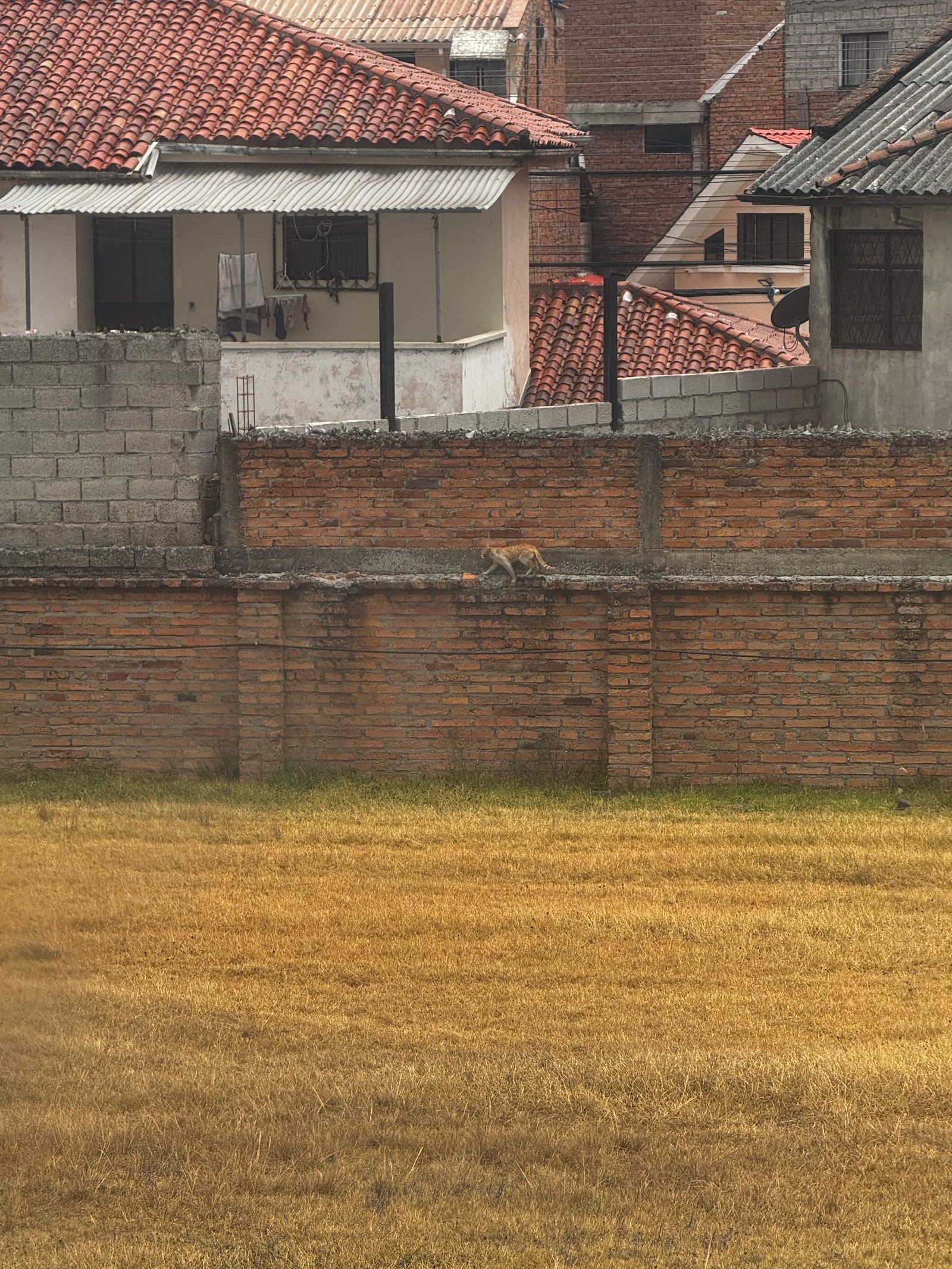
This is a brave cat! It was walking along the back wall of the homes and the airfield. I hope he found his way home.
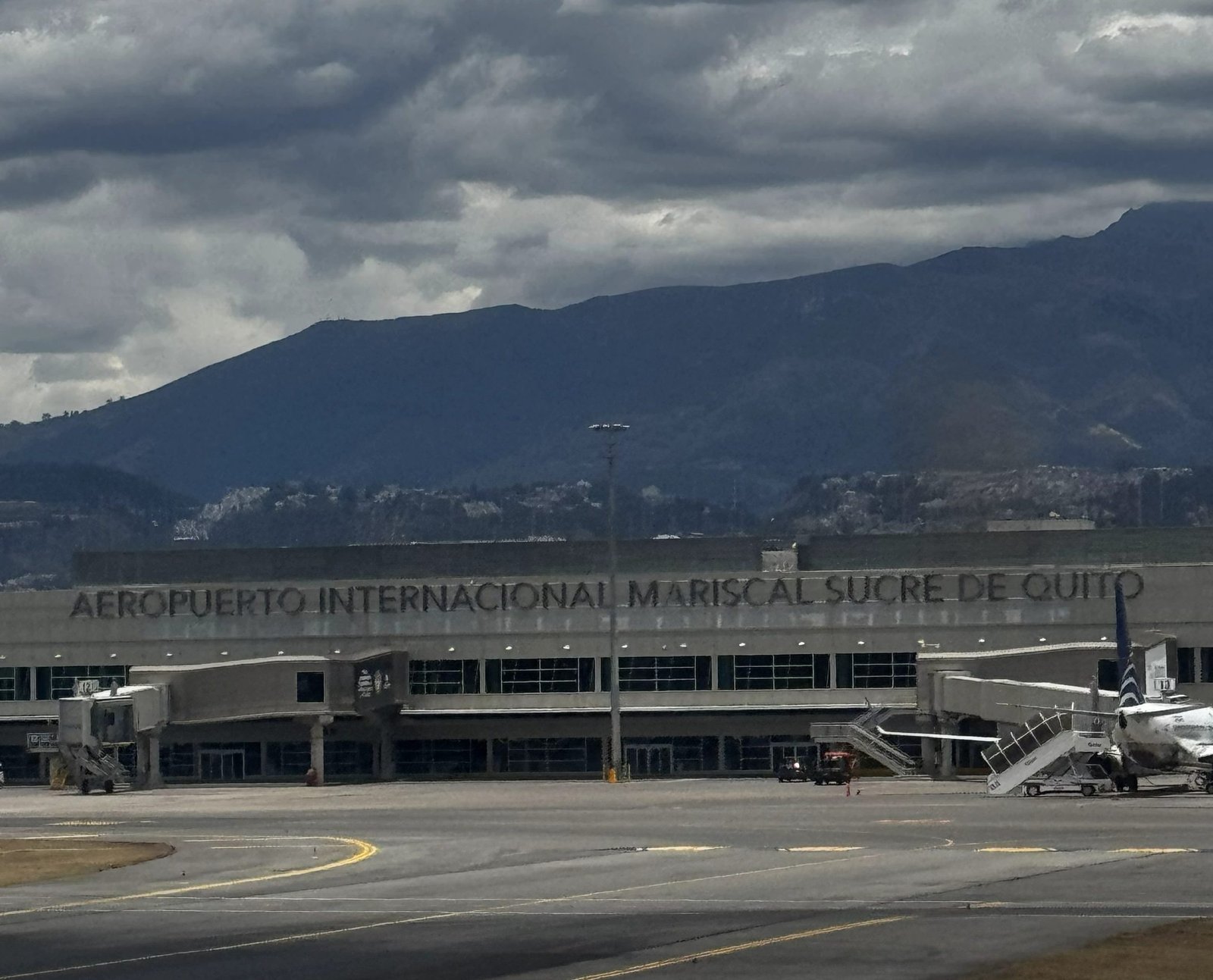
We made it to Quito!
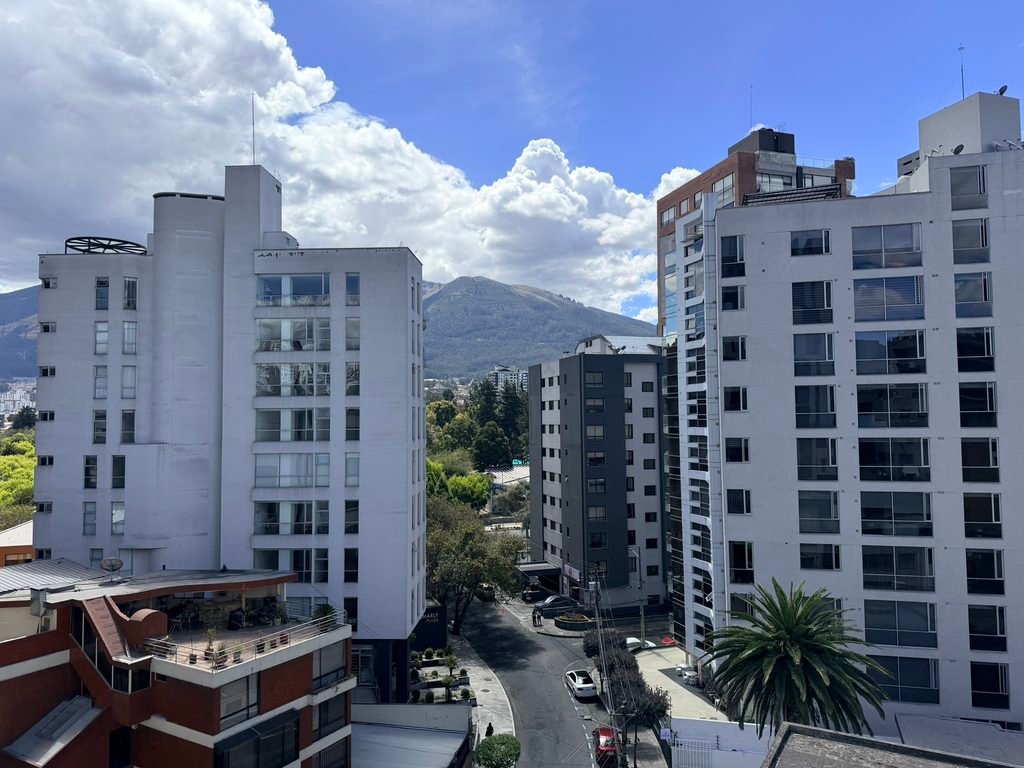
We checked into our Airbnb. We can see the mountains from it, but there are a lot of buildings in Quito.
Cuenca, Ecuador
We’re spent a month in Cuenca, Ecuador (Aug 15th – Sept 14th). The trip begins at the bottom of this page and the most recent activity at the top.
At about 2,500 meters (8,200 feet) in Ecuador’s southern Andes, Cuenca has cool mountain air, rivers running through town, and an easygoing feel that makes it hard to leave after only a few days. Good thing we stayed for one month. Often called Ecuador’s cultural capital, it is known for its UNESCO-listed historic center, beautiful churches and plazas, museums, markets, and strong local traditions in food and craft. It is also home to a sizable expat community, adding an international flavor to a city that still feels distinctly Ecuadorian.
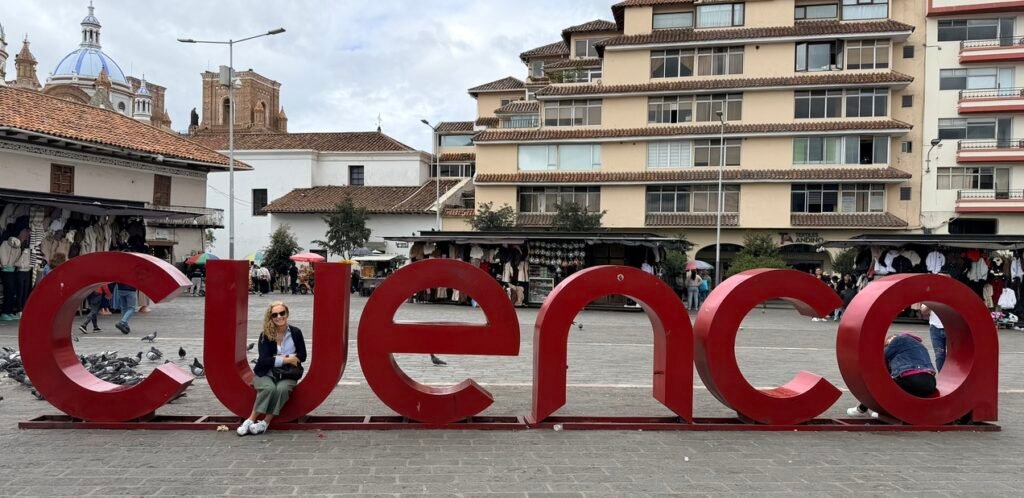
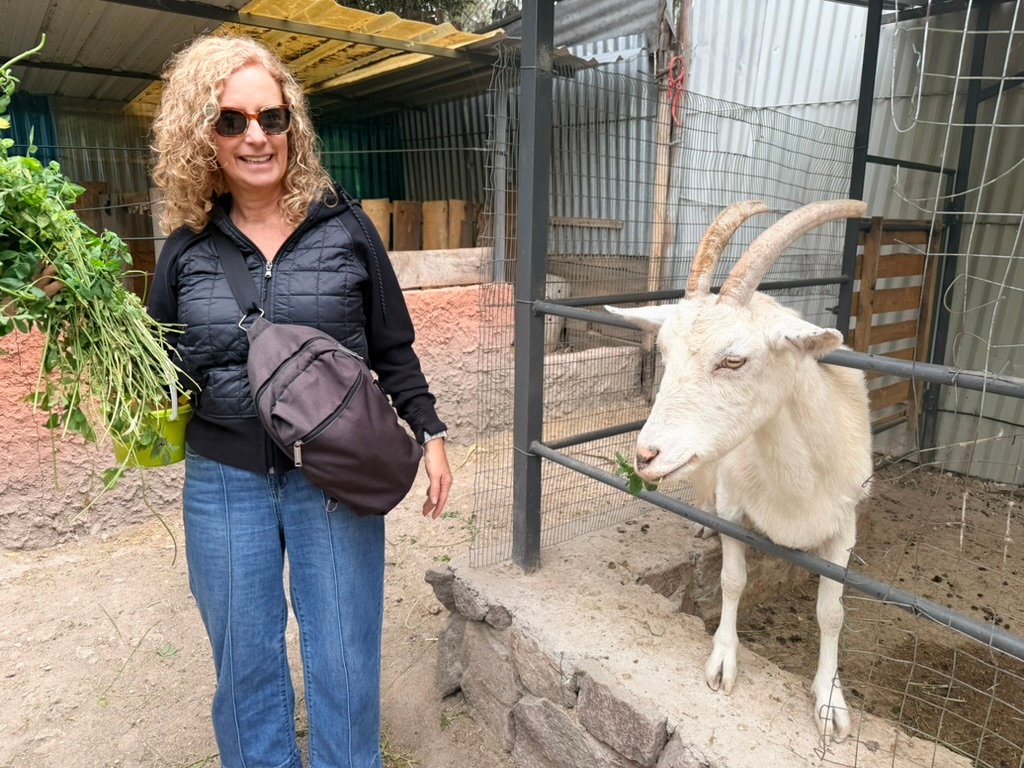
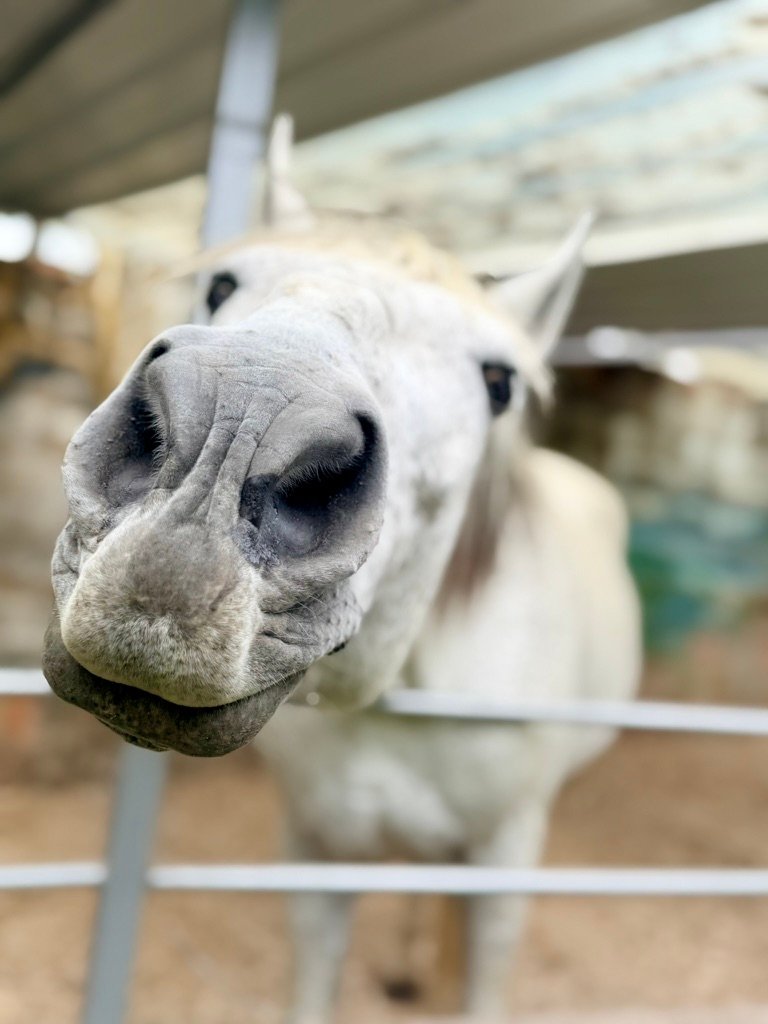
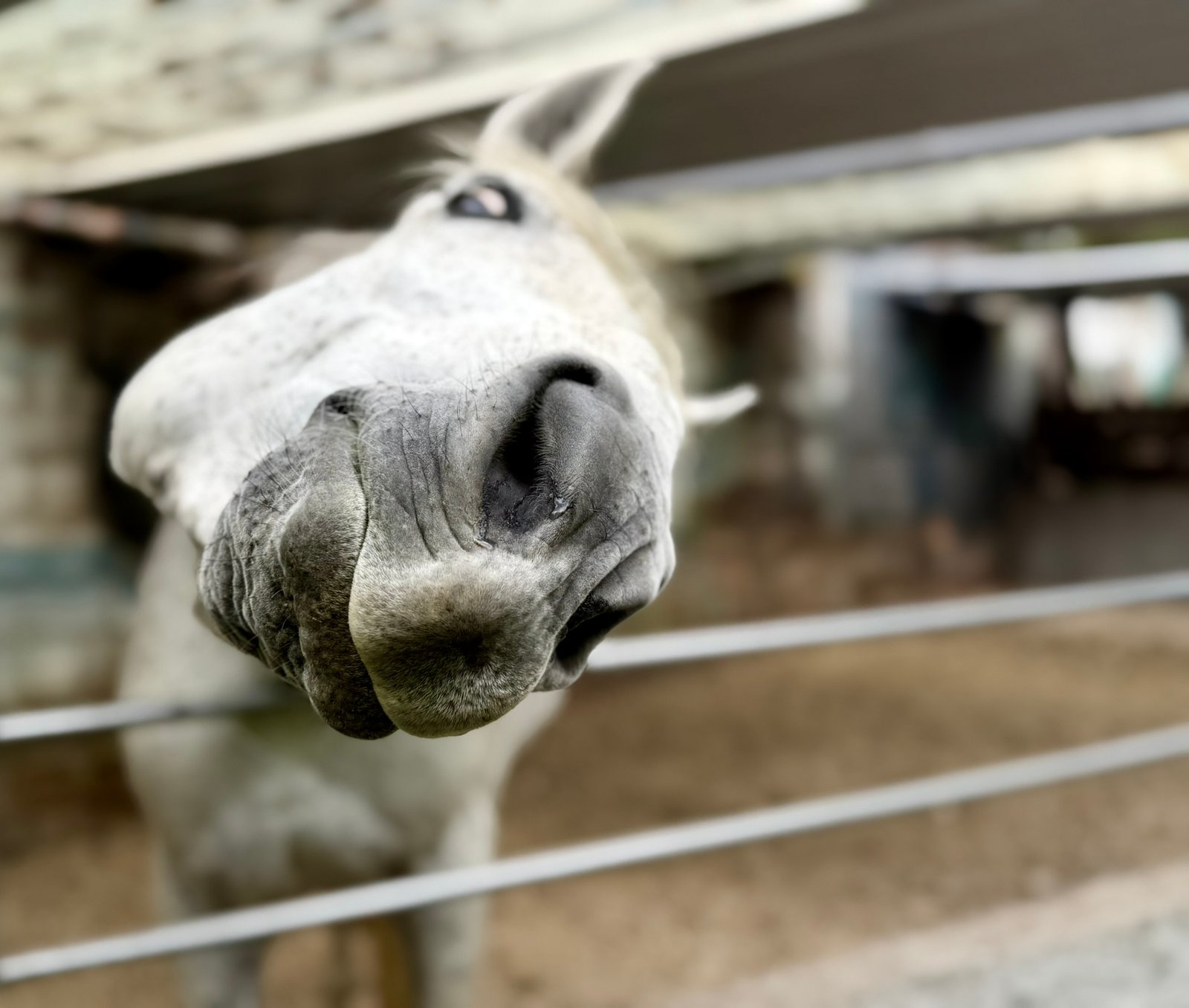
This is our last official day in Cuenca. Tomorrow we will head to Quito. We hung out with our friend Val and visited Zoo Yurak Allpa. It is a wildlife refuge and all of the animals there are rescues.




Hair, Dinner and a Party
Julie had her hair dyed and cut at Miriam Rivas. Casey is usually her colorist but it’s hard to do on the road. They did a great job!
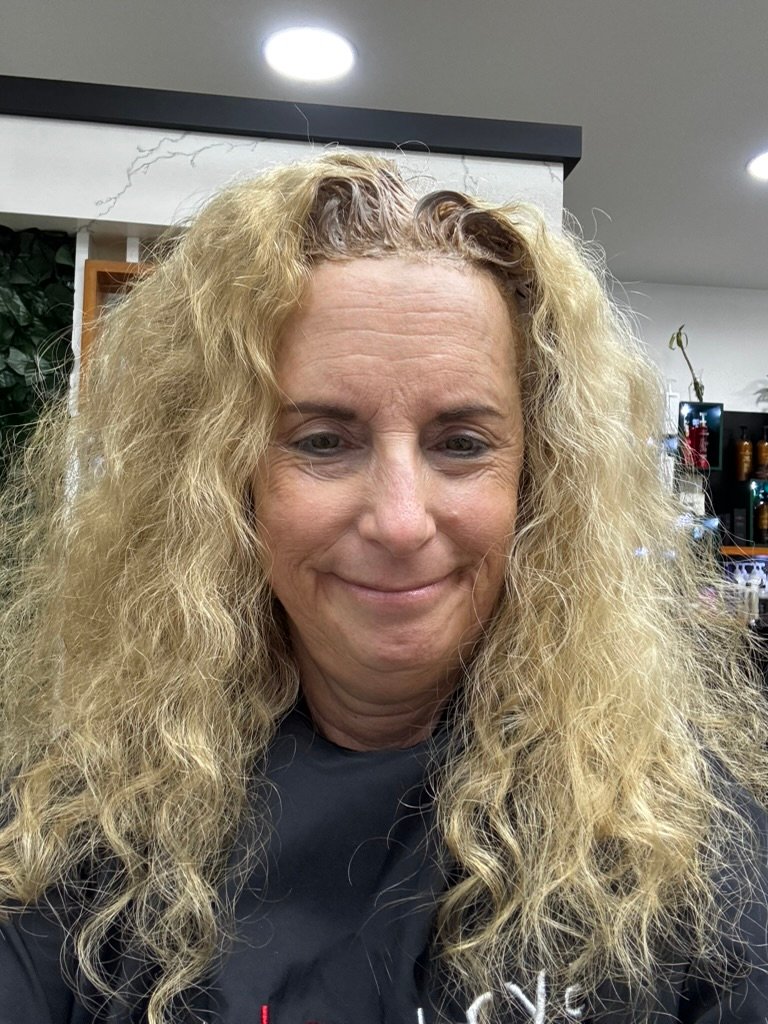
Dinner without grey roots!
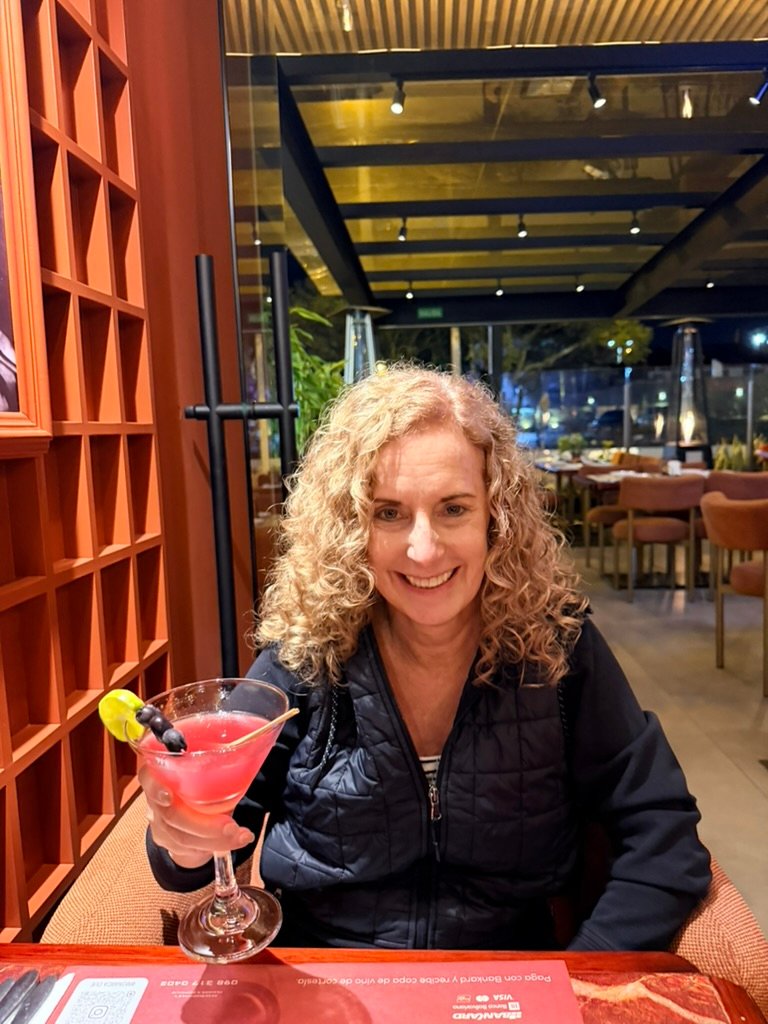
Later that night we headed to a party at a new friends. He has an incredible penthouse in central Cuenca! Very beautiful place!
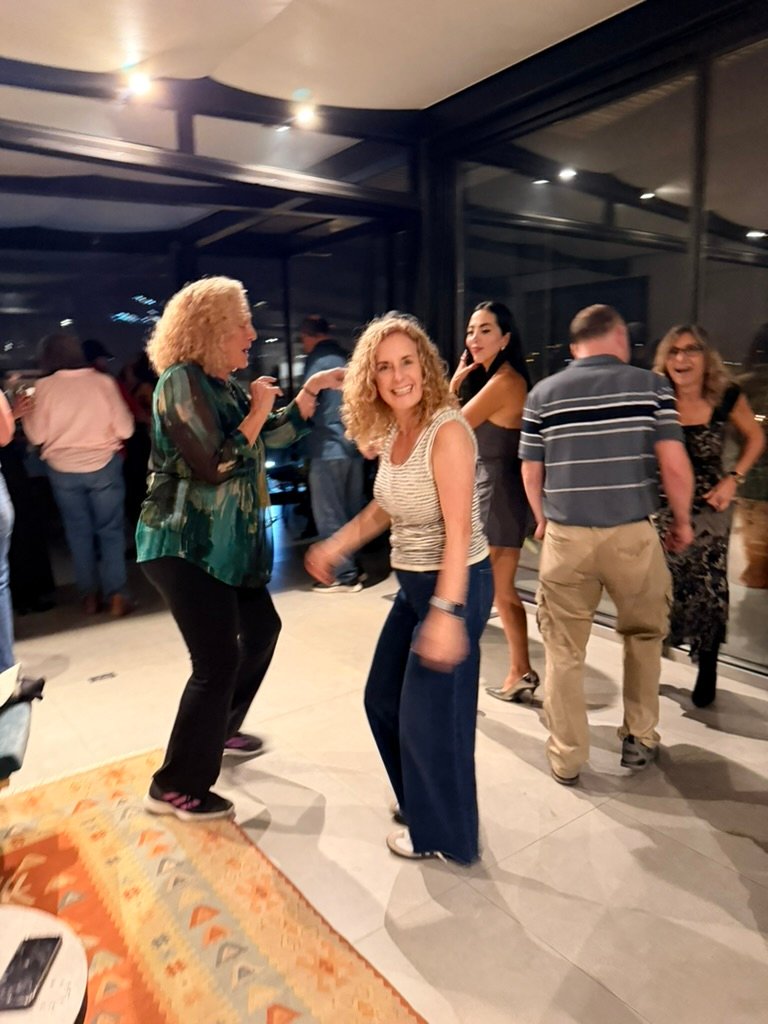
There was a LOT of dancing!
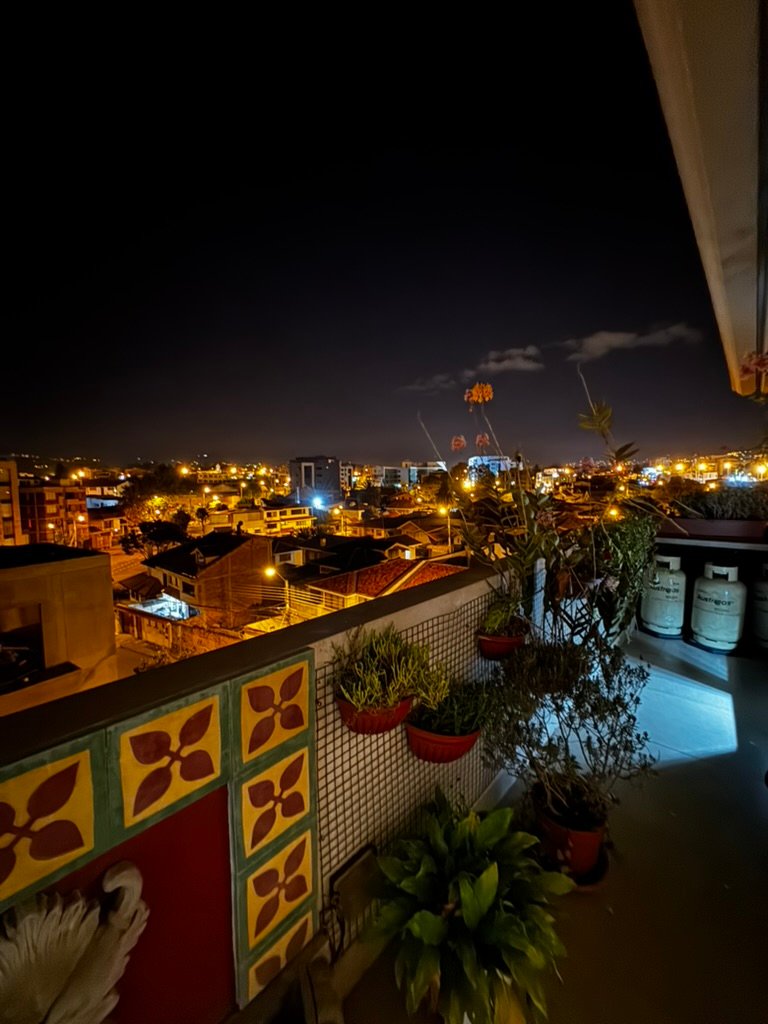
The views from the wrap around balcony were incredible.
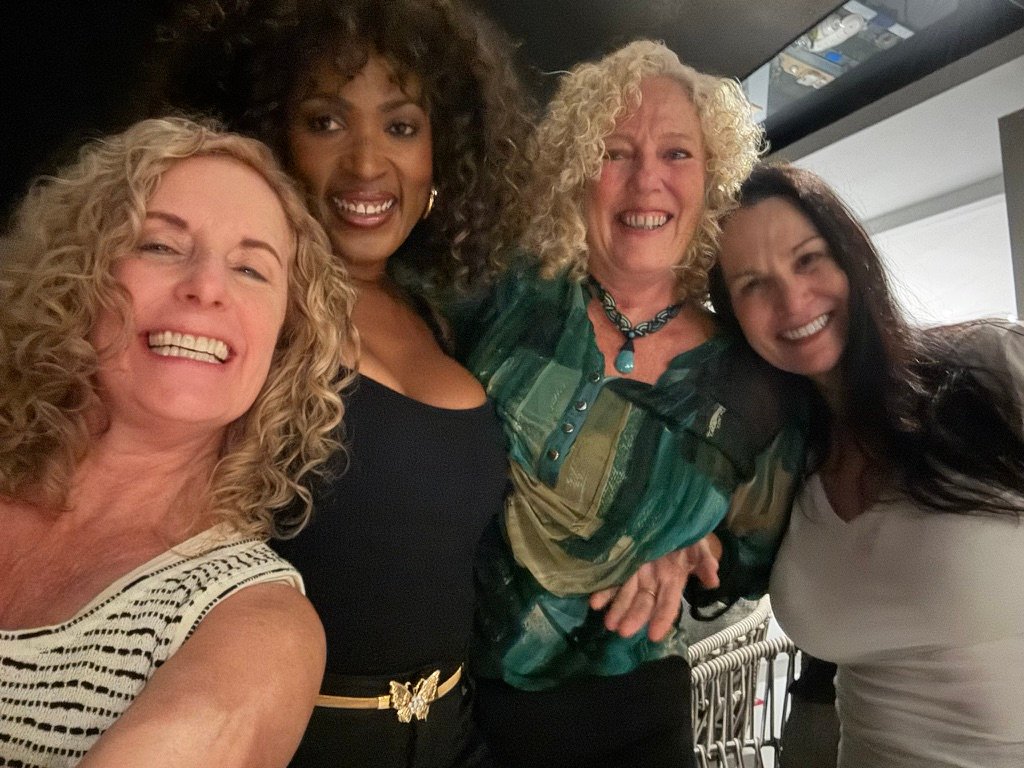
Haircut with Darts and a Happy Ending
I had been looking for a place to get a decent haircut and found Bigotté Barbershop & Lounge after looking at google reviews. Little did I know that the haircut would include some unexpected activities and surprises.
First they ask you to play a game. There were three: Darts, Golf and a Timer (not shown). If you win (get a bullseye, sink a hole, or stop the timer at exactly 10 seconds) you get half off your haircut. They also had a nice waiting area where you could imbibe in free drinks. It was morning so I went with mineral water. Julie was with me and she had an Irish Coffee.

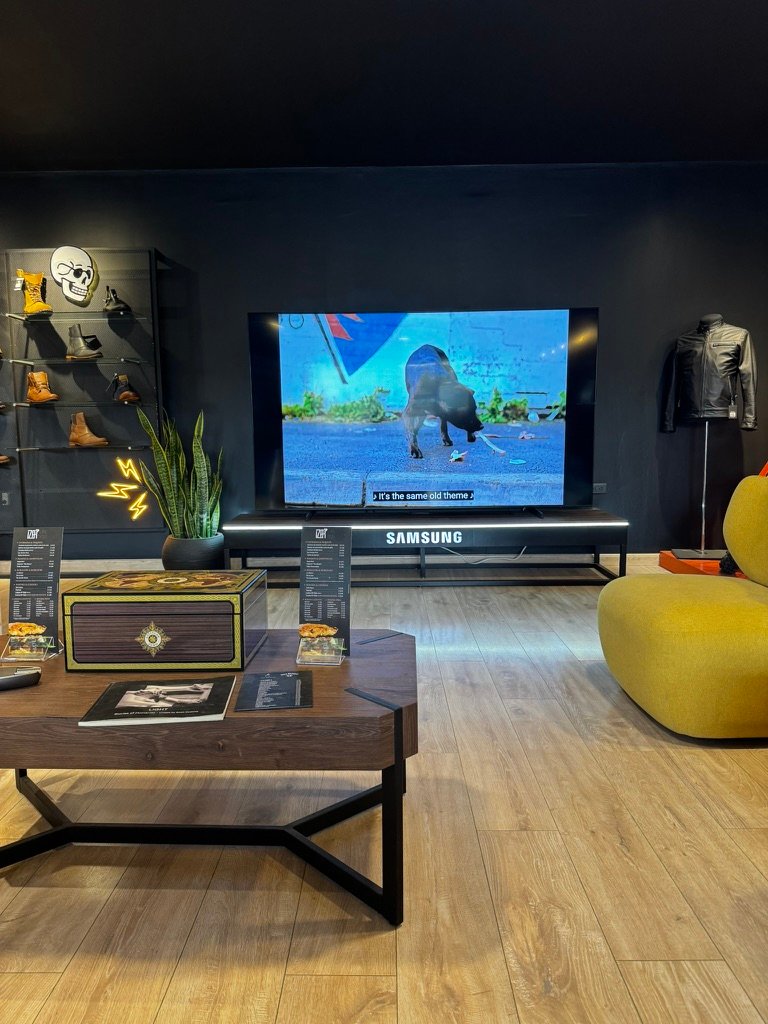
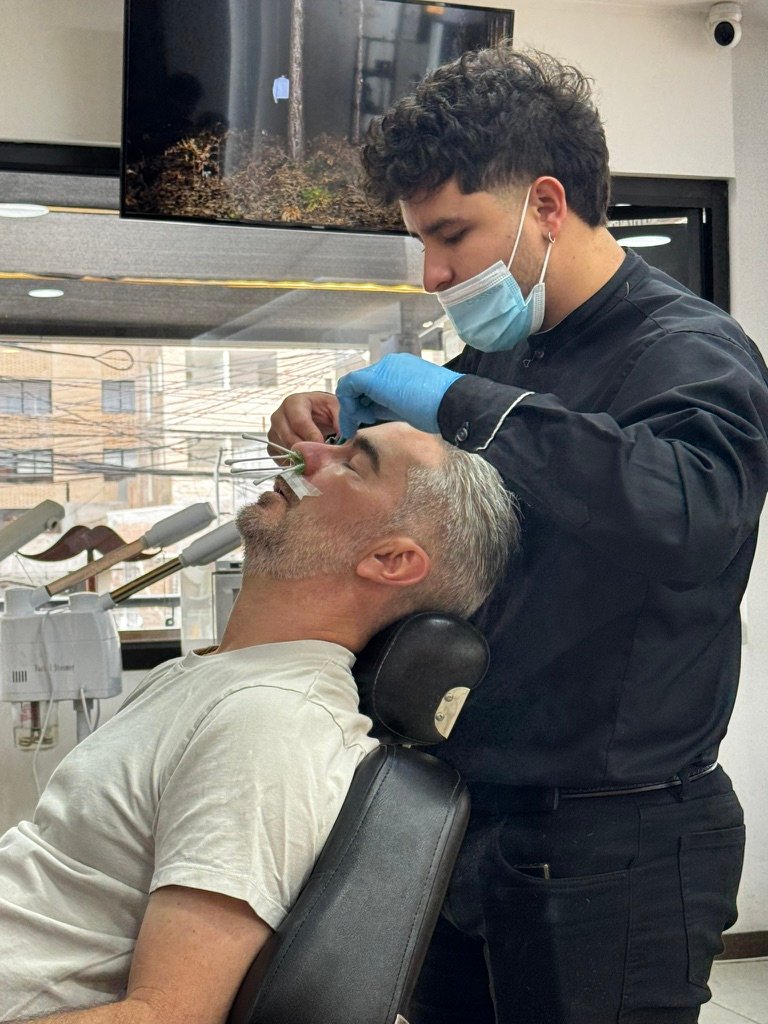
The Happy Ending: When I arrived, they explained that all haircuts have a happy ending. This turned out to be waxing my nose hair!
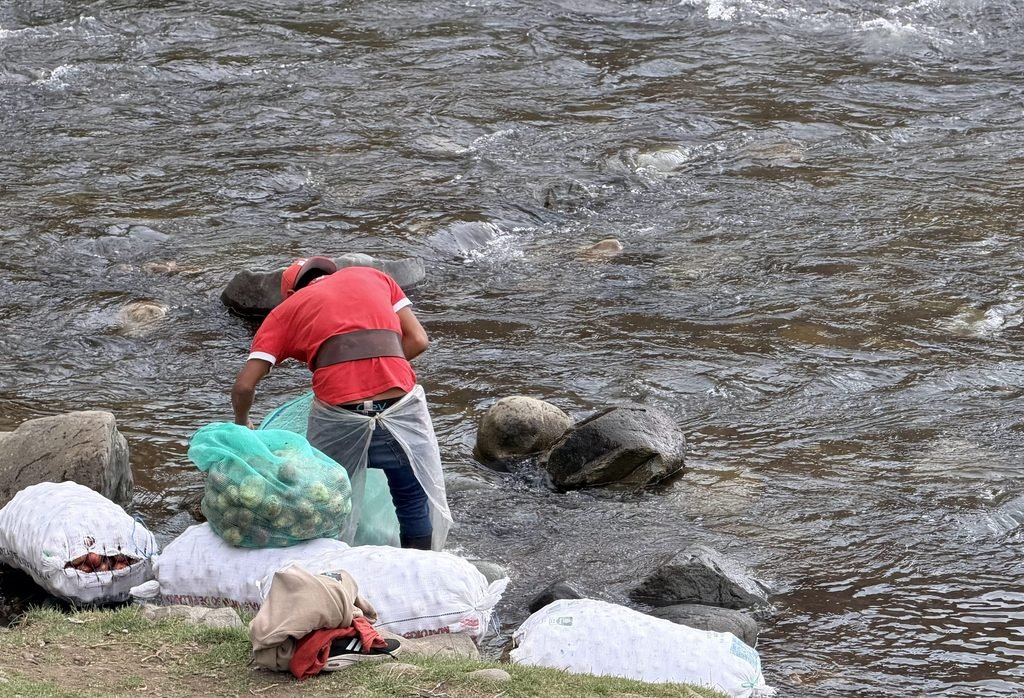
Washing Potatoes: On the way to my haircut we spotted a few people washing potatoes in the Río Tomebamba before taking them to sell at the market.
One of Cuenca’s Hormiguitas Chúa, or “little ants,” hard at work keeping the city’s streets clean in their bright green uniforms.

Museo Pumapungo
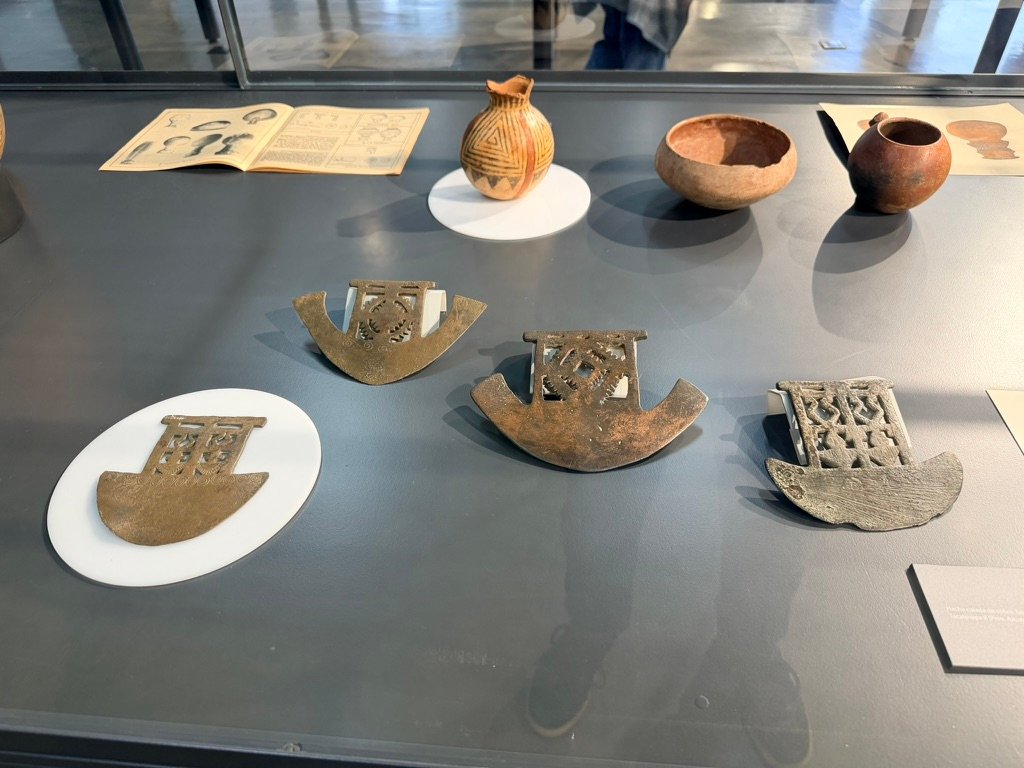
After lunch with our friend Brie, we headed to Museo Pumapungo. We had been there before but missed seeing the ruins behind the museum. Last time it was all about the shrunken heads.
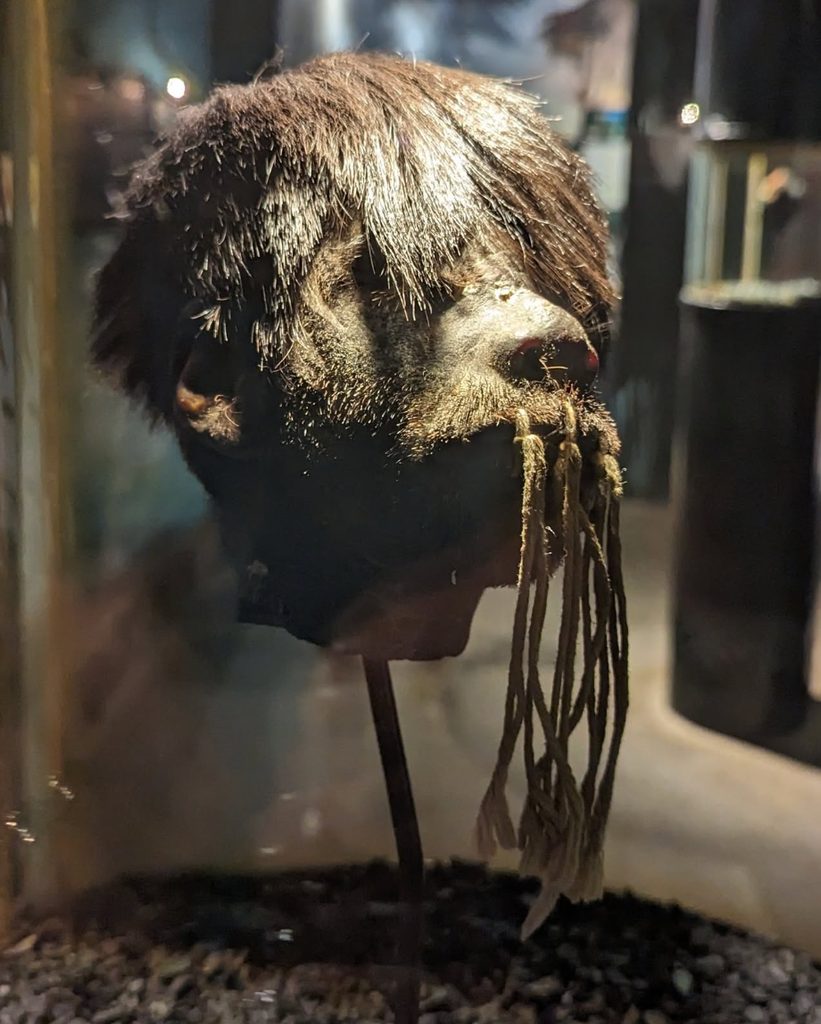
Here are some pictures from the walk over and from the museum.
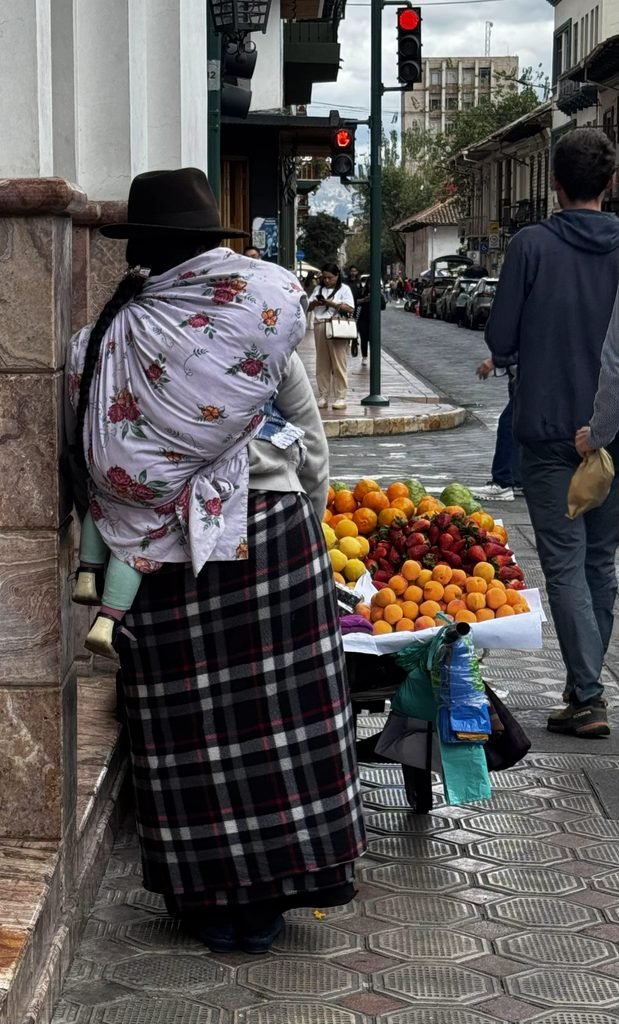

Below are some photos from the museum minus the shrunken heads.

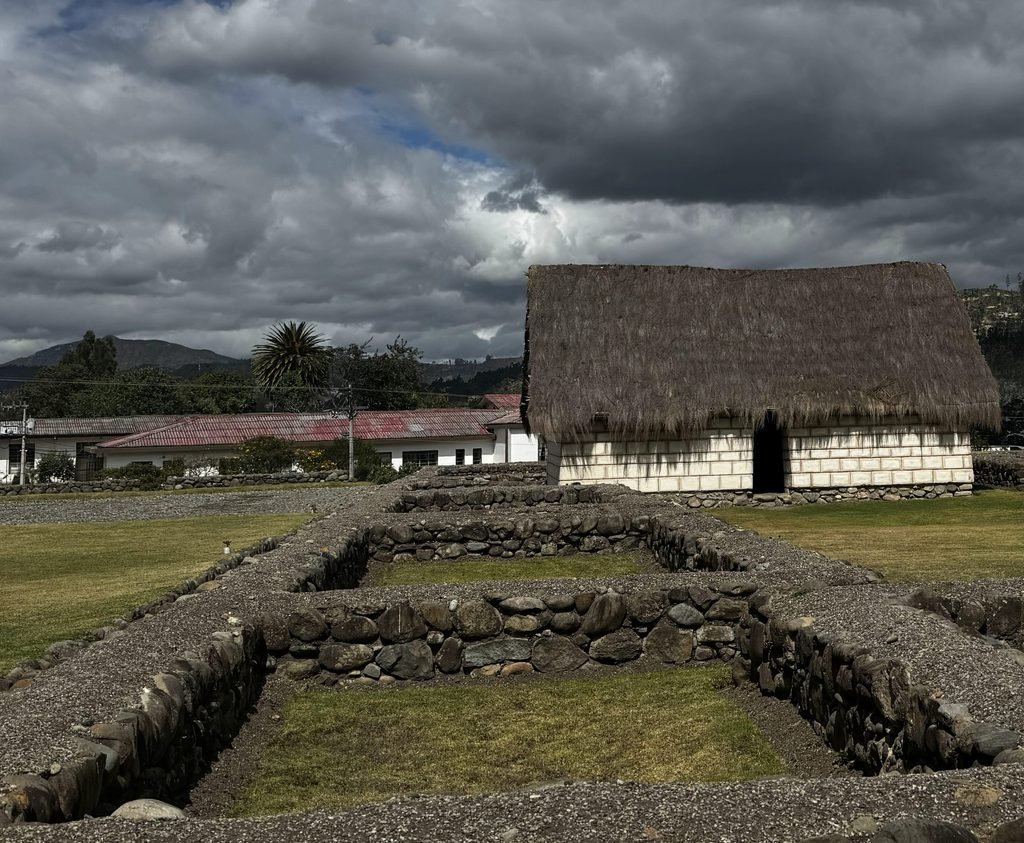
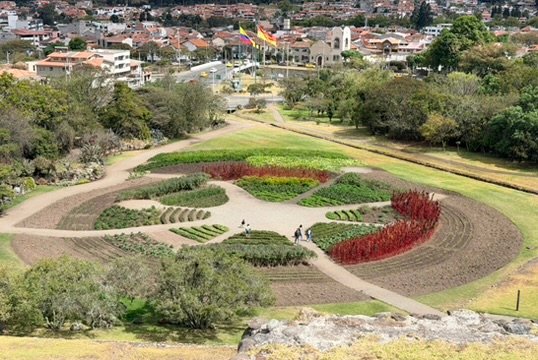
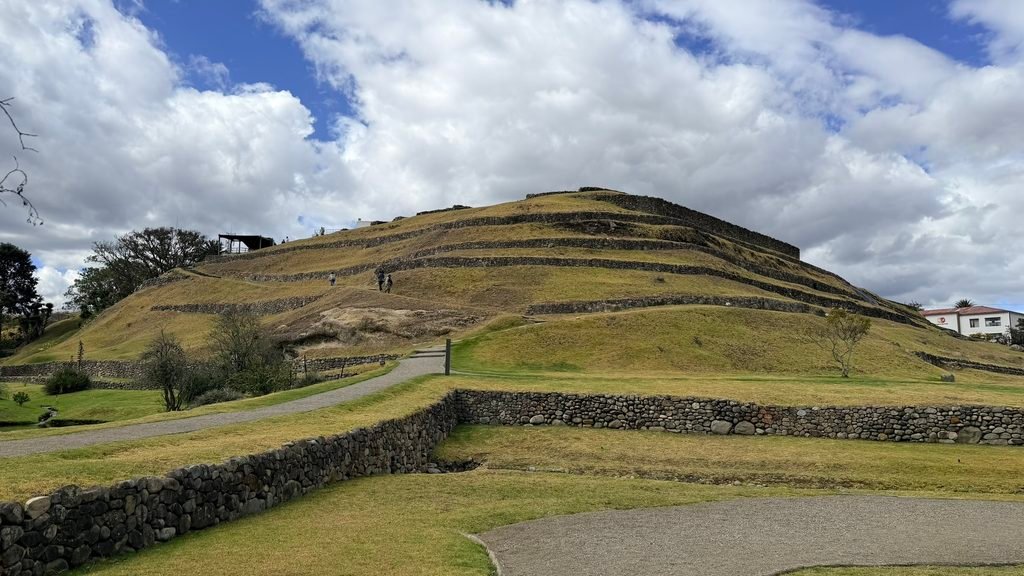

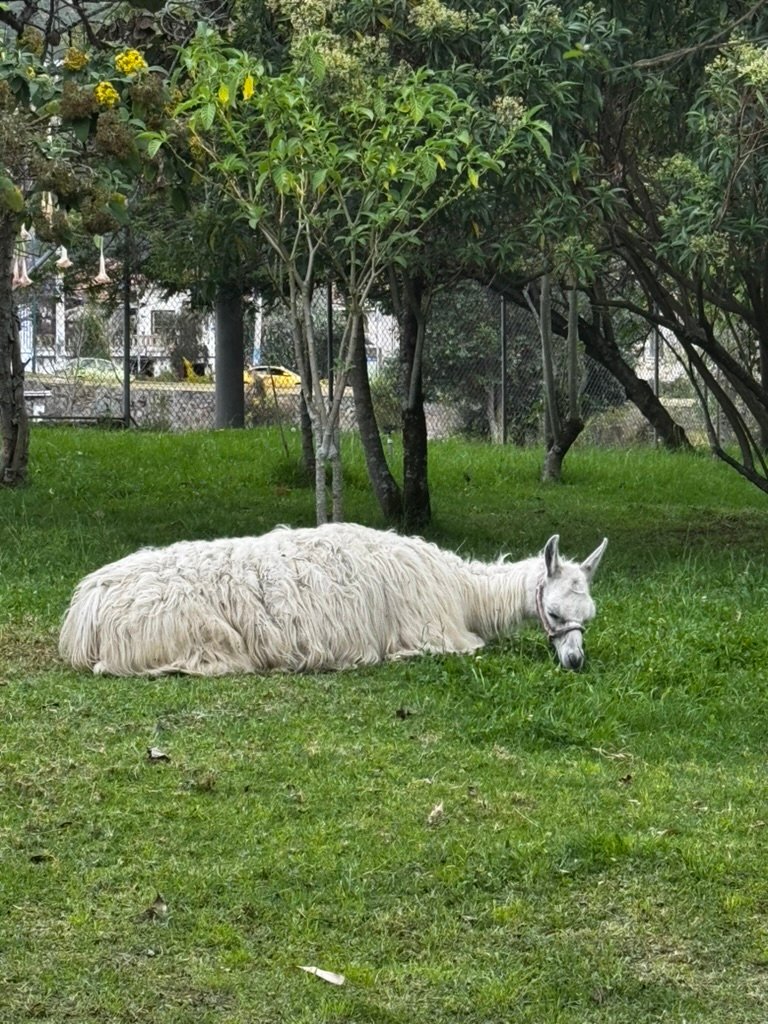
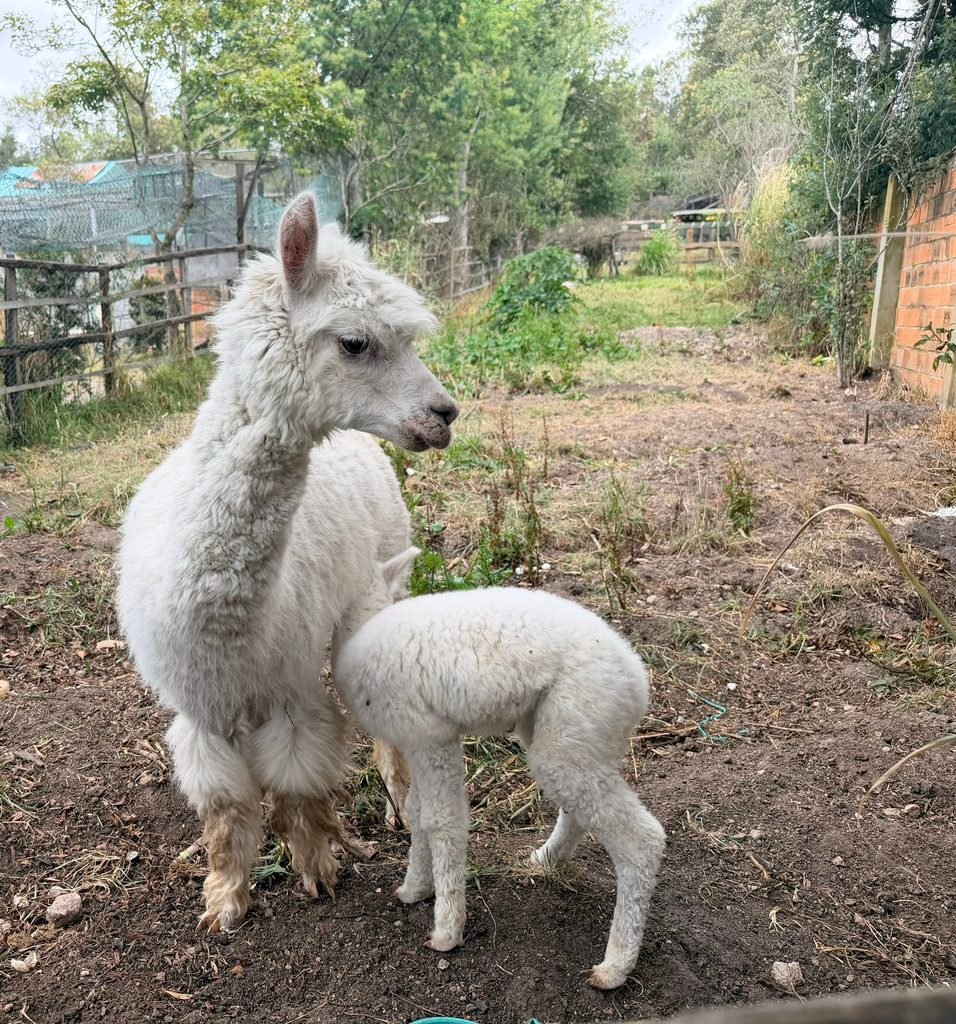
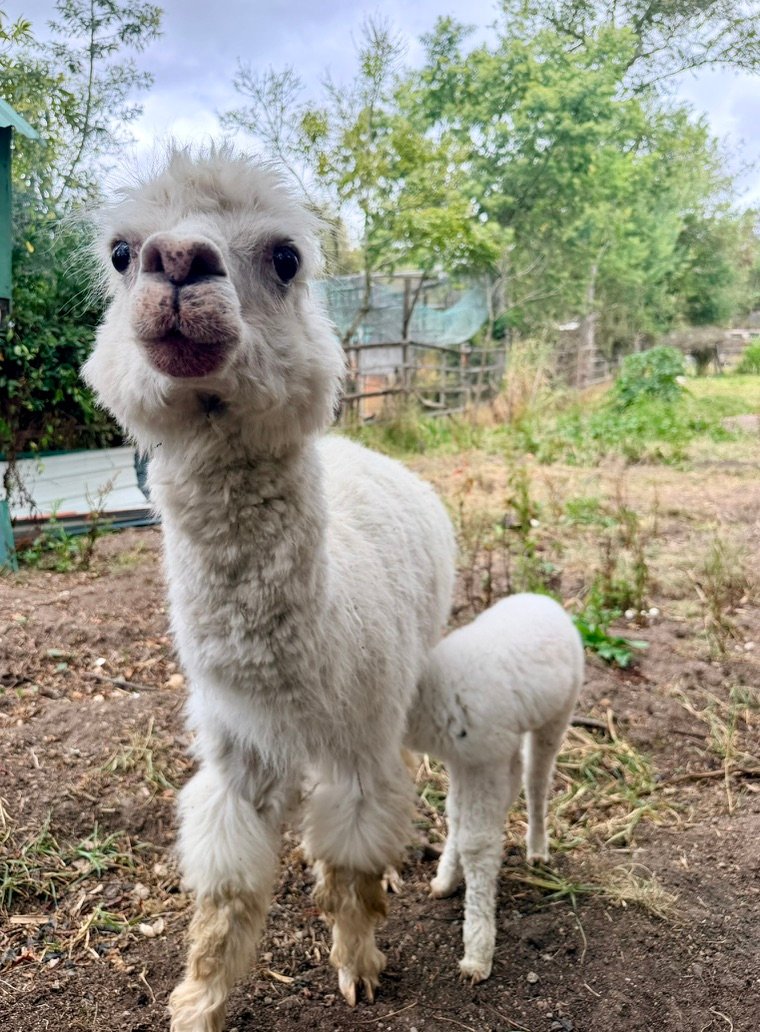
We found some Alpacas in the back of the gardens.

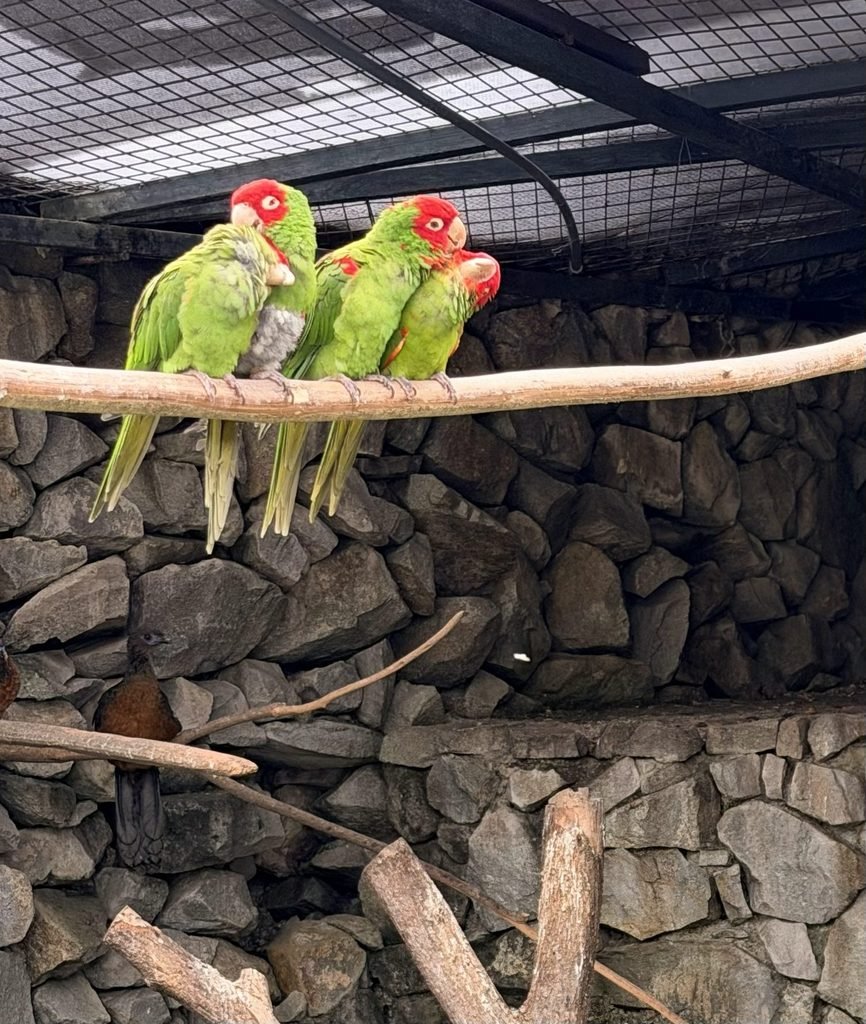
At the base of the hill we found an aviary.

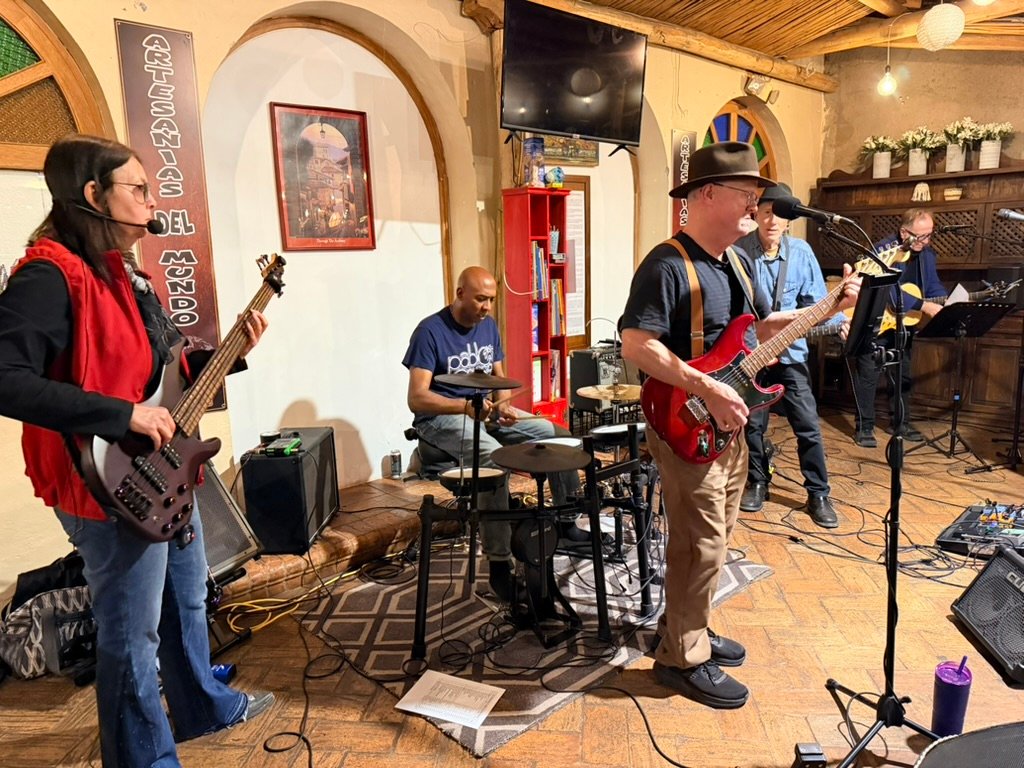
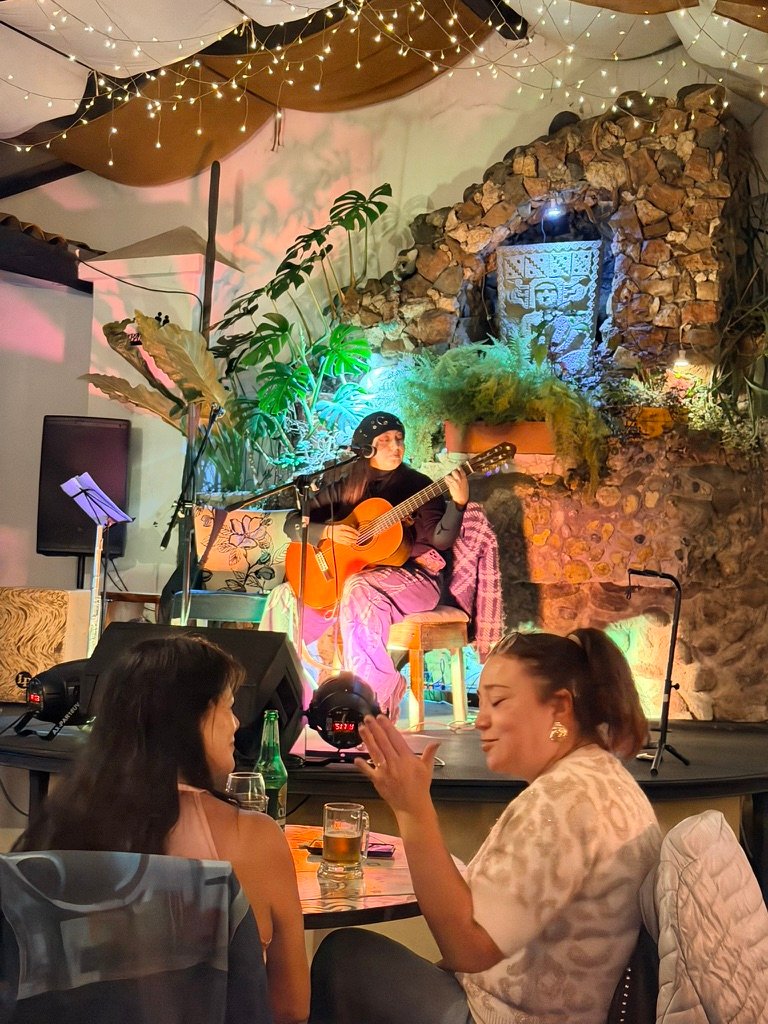
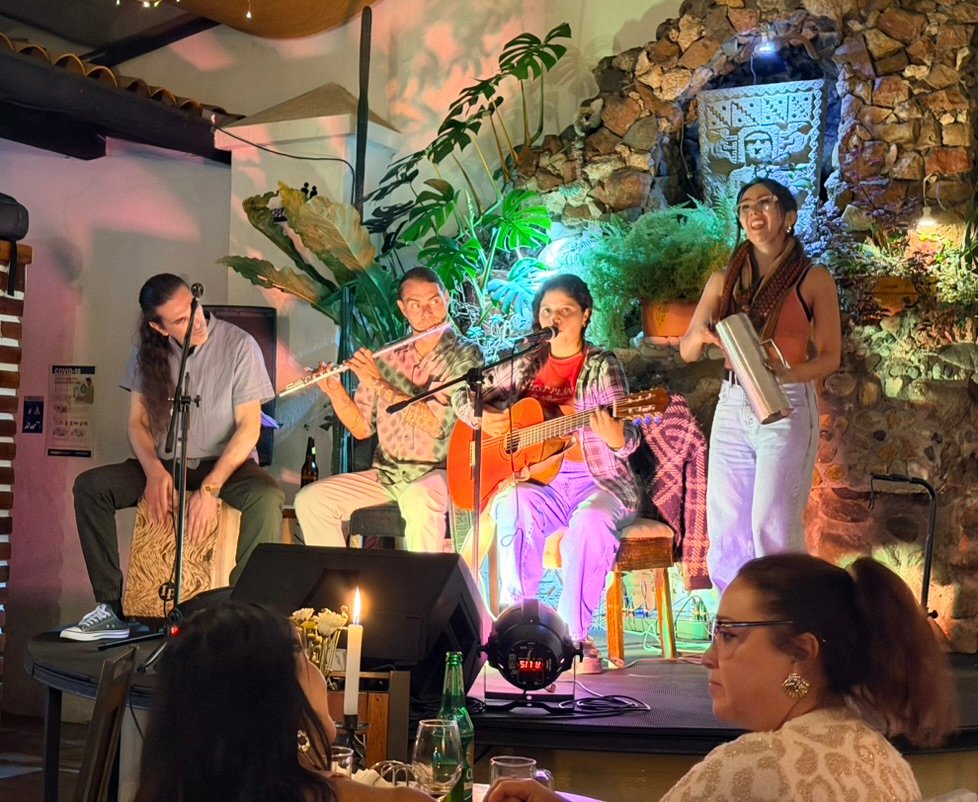
Later we went out to see some for music at La Yunta Restaurante. Our new friend Johnathan (on the drums) was in the band.

A Chill Birthday
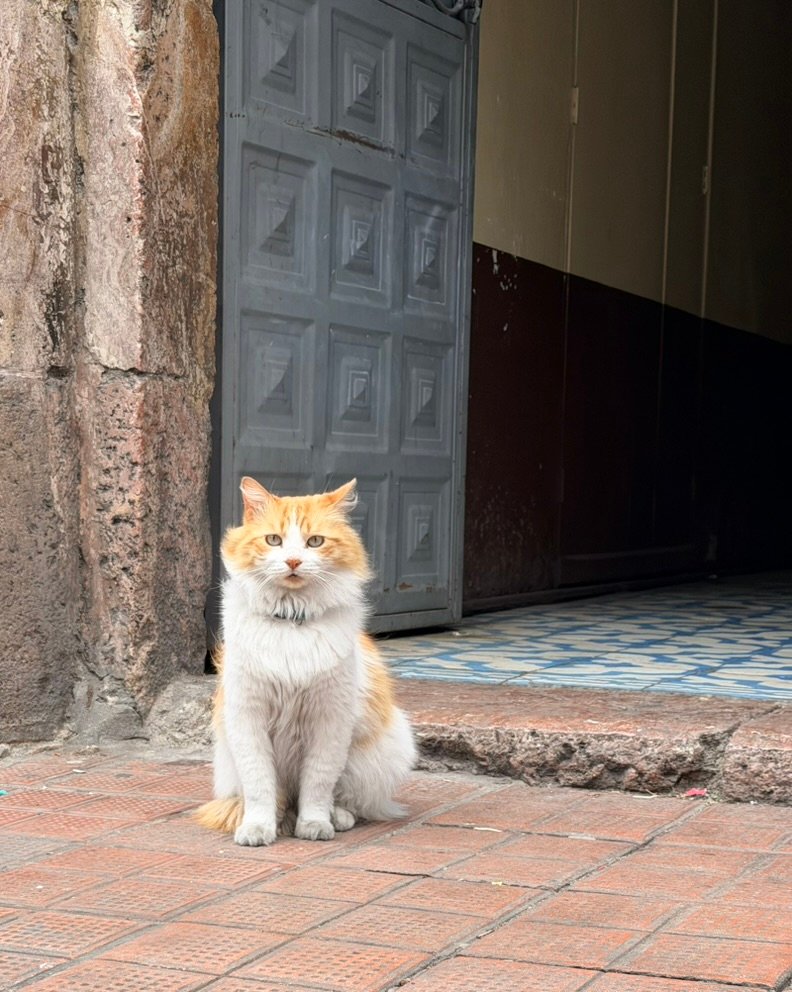
We had breakfast with a new friend and saw this cat on the way home.
Then nap time at home followed by an amazing dinner at LaMaría Cocina Libre, followed by music afterwards.


Going Away/Pre-Birthday Dinner
Julie and I had a going away/(Casey’s) pre-birthday dinner with our friends Susan and Brie. Susan is heading back to the states and we will miss her!

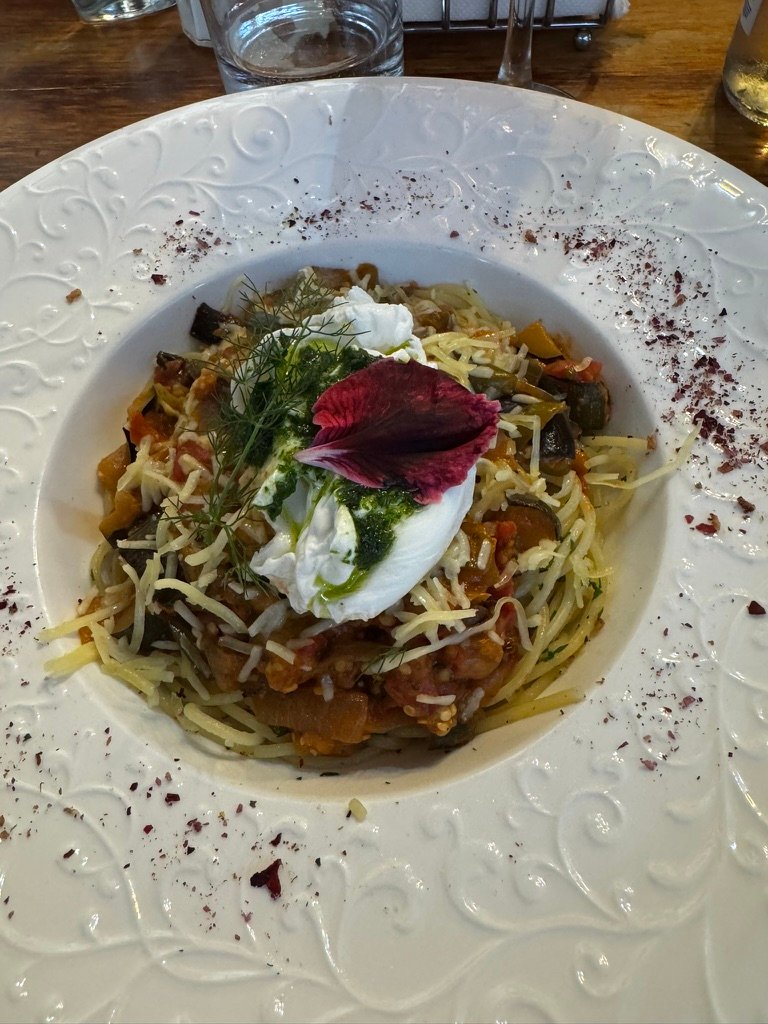
We ate at Bistro Yaku and it was very good!

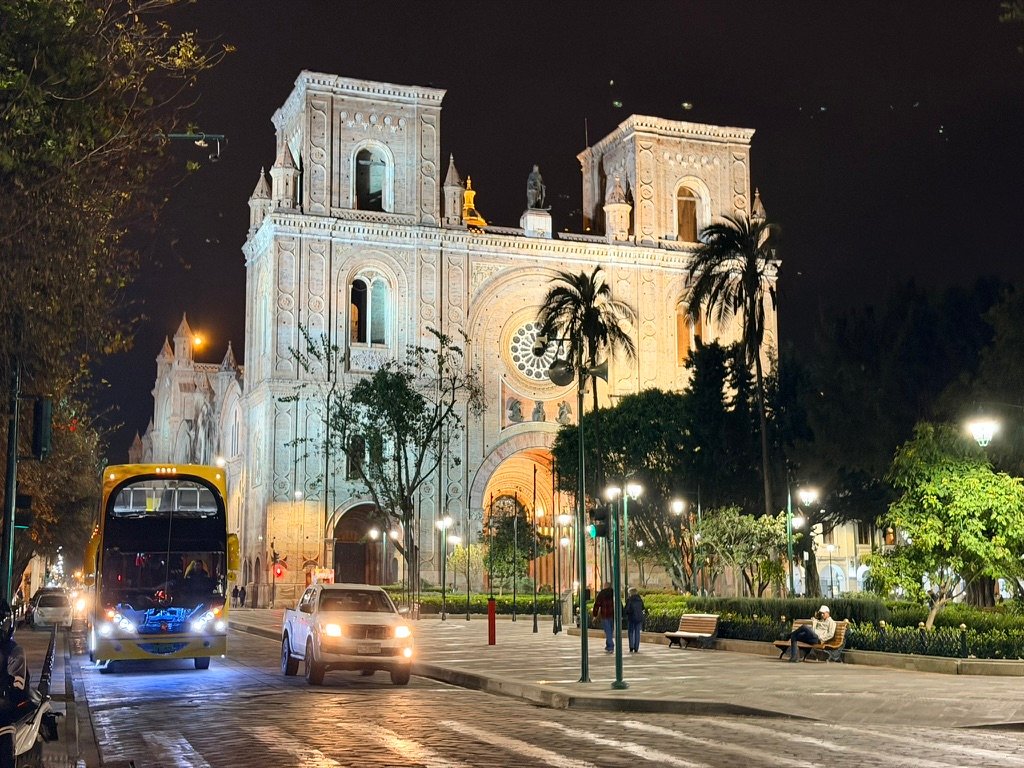
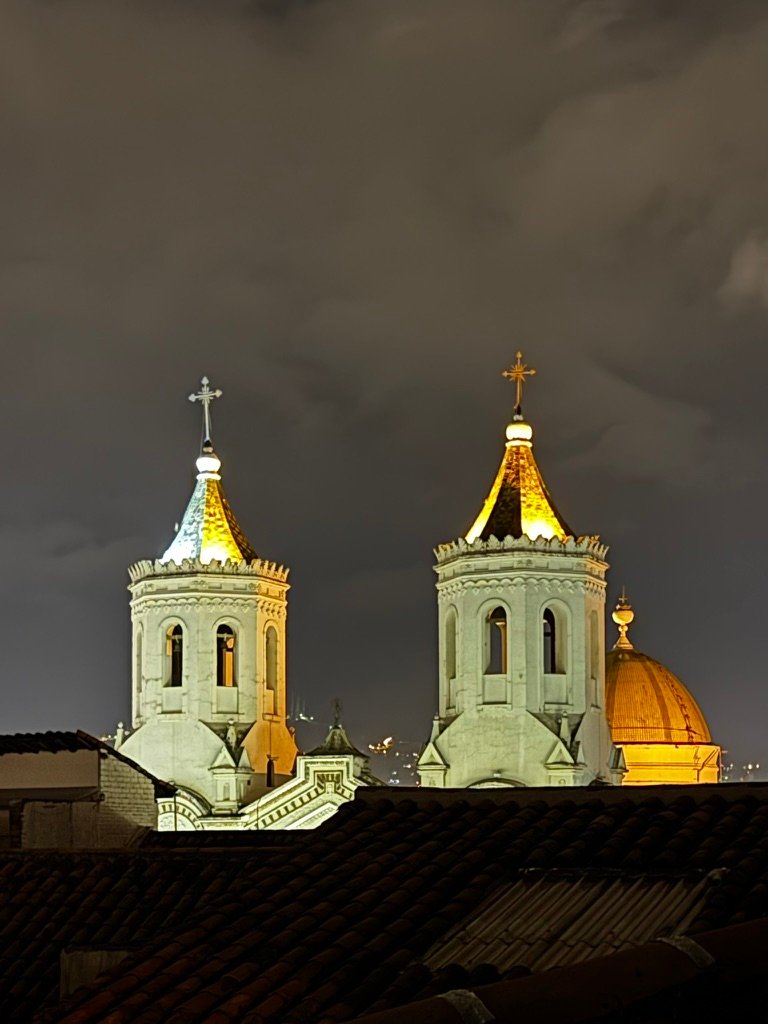
Pictures of Cuenca at Night
Catedral de la Immaculada Conceptión de Cuenca


A quick stop in Chocolateria Dos Chorreras
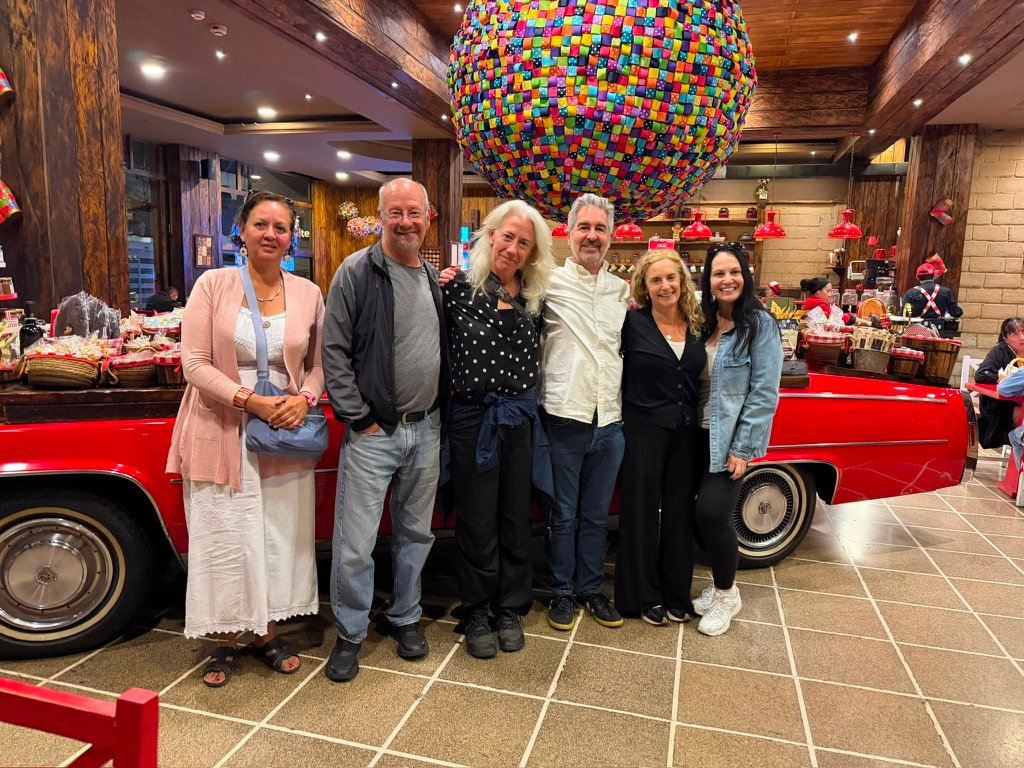
I have had better milkshakes for sure!

A trip to Baños – No, not those baños: Baños de Cuenca
When I took Spanish in school, I learned that Baños meant bathroom. Well apparently literally means “baths” including at a hotspring. Baños de Cuenca lies roughly 10–15 minutes southwest of central Cuenca by taxi, though its parish extends farther outward. There is thermal water emerging through a volcanic fault zone; the water is naturally very hot at its source and is cooled for use in pools.
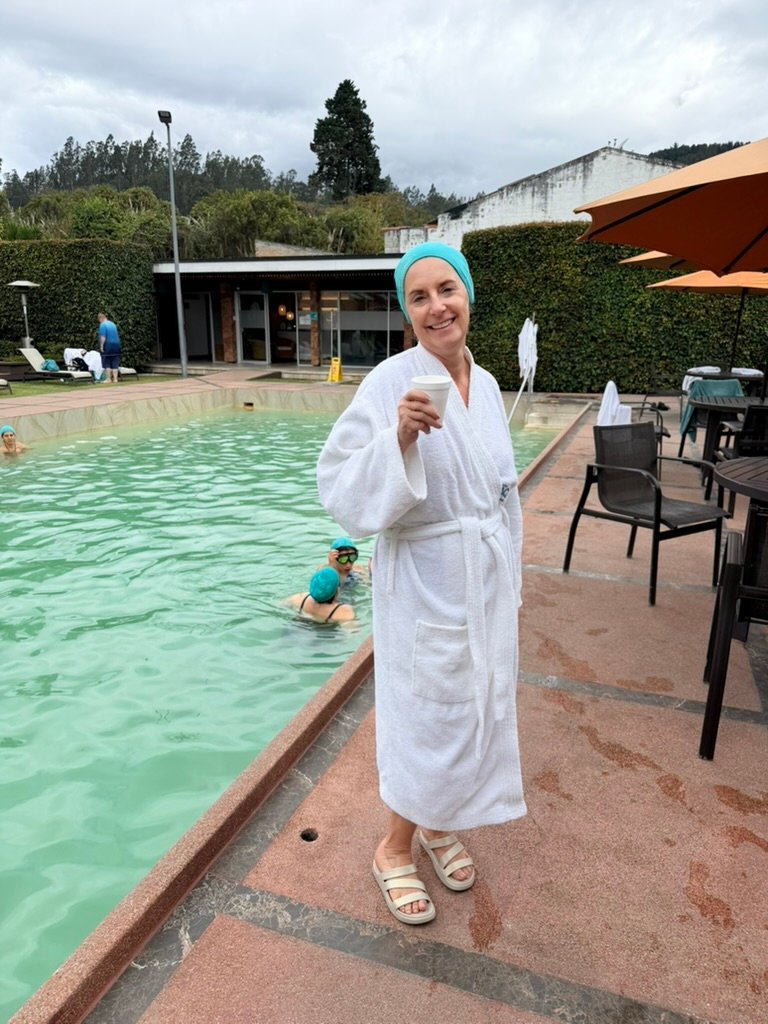
We ended up going to Thermal SPA Novaqua Hostería Durán and it was very nice! We even lucked out and got our entry 2-for-1 (only $25 for both of us) because we came on a Monday. They had a very warm swimming pool, a thermal tub (very hot), a cold plunge (very cold), a sauna, a steam room and a mud bath that we didn’t try.


You have to wear a shower cap. Men and women.
Sunday Morning Walk with Expats
On Sunday mornings we meet with a group of expats and walk to this park on the other side of town. It is truely a wonderful park. They have a lot of structures for kids to climb on. They have paining in the park going on a well. They rent out paddle boats and there are vendors selling food.

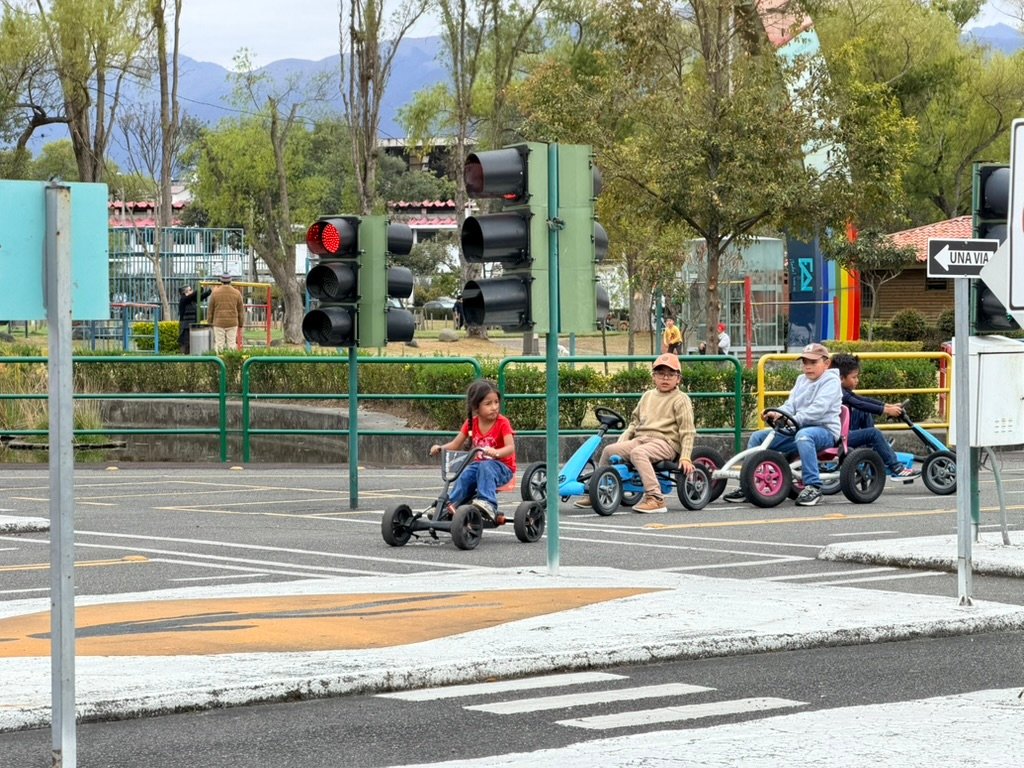
Red Light! Green Light! Never mind… Just do what you want.
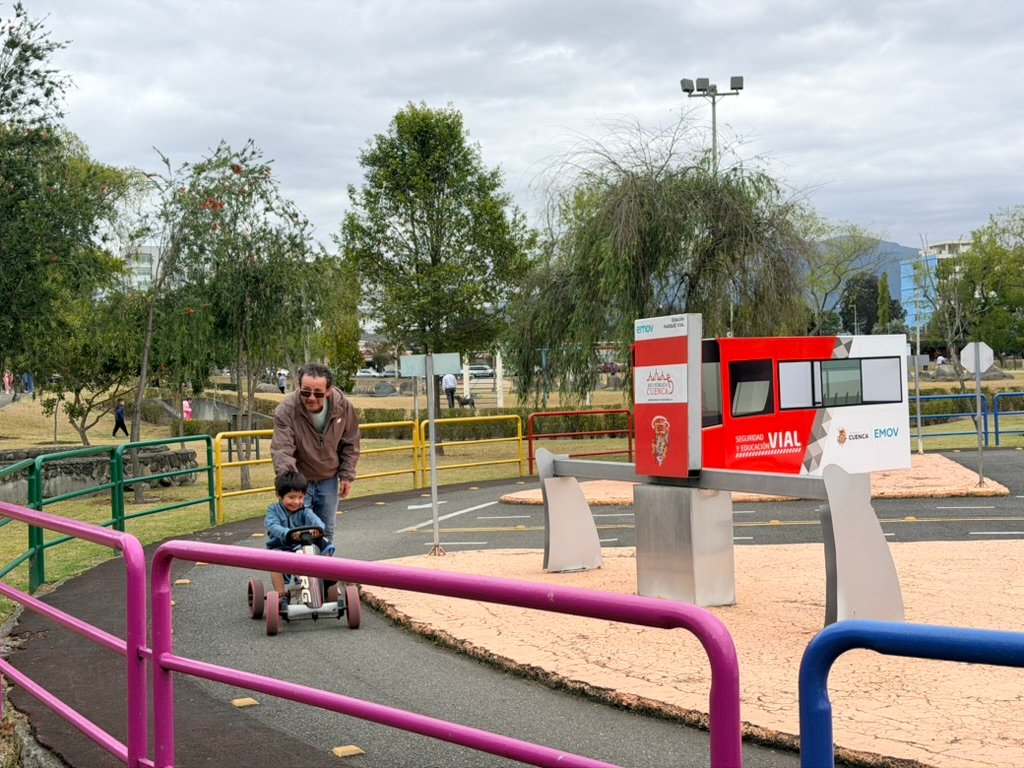
Casey says this is where kids learn to ignore stop lights and stop signs while driving. It is true though; red lights seem to be more of a suggestion here and stop signs are routinely ignored. We found this little Big Wheel driving course to be exceptionally cute.

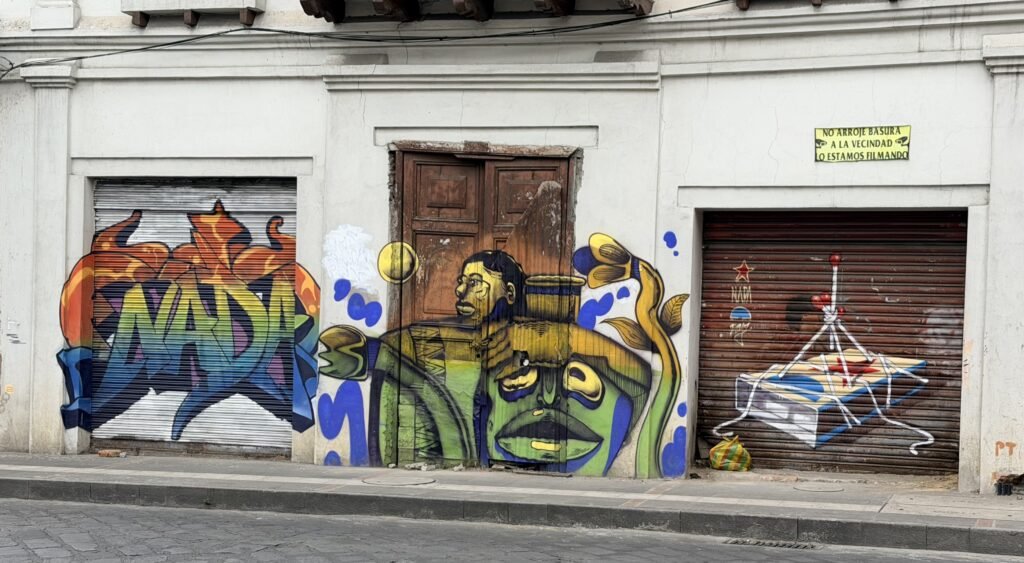
Murals all over
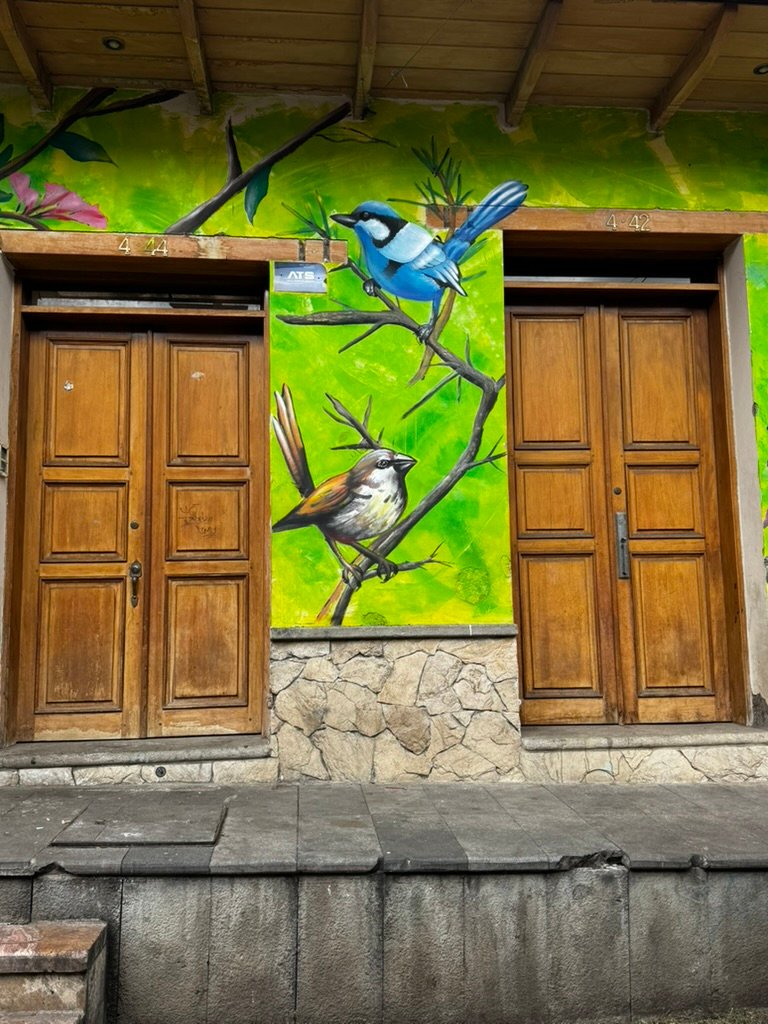
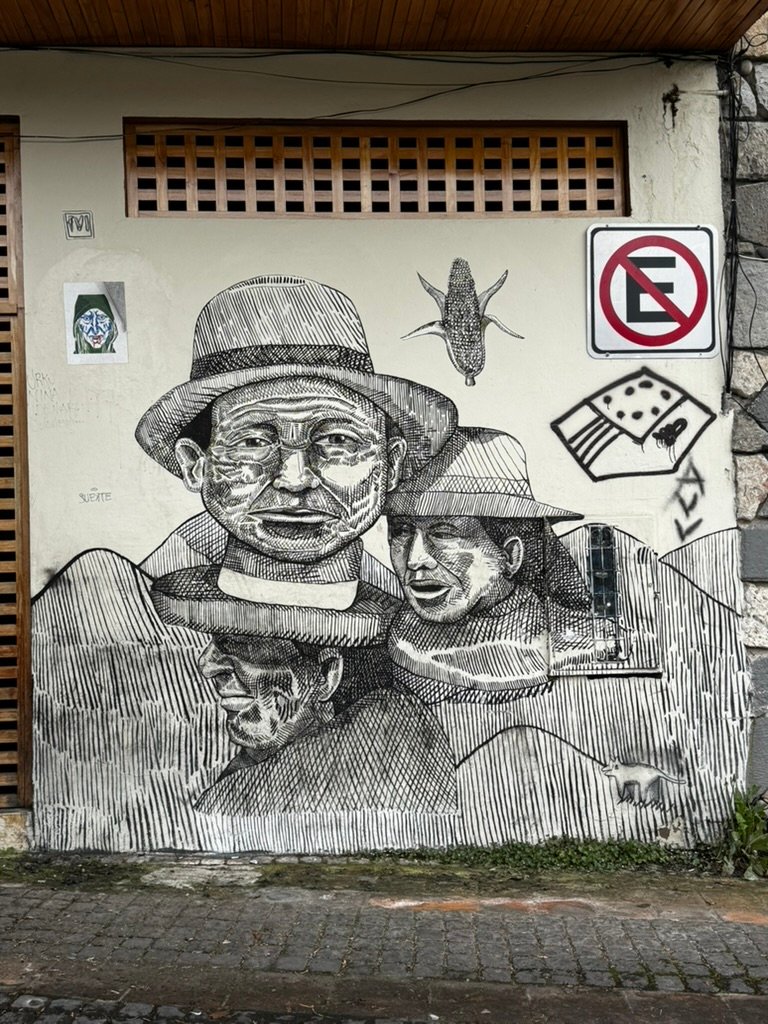
There are really beautiful murals throughout Cuenca. We found this road to have some really beautiful artwork.


Museo de la Ciudad – Cuenca
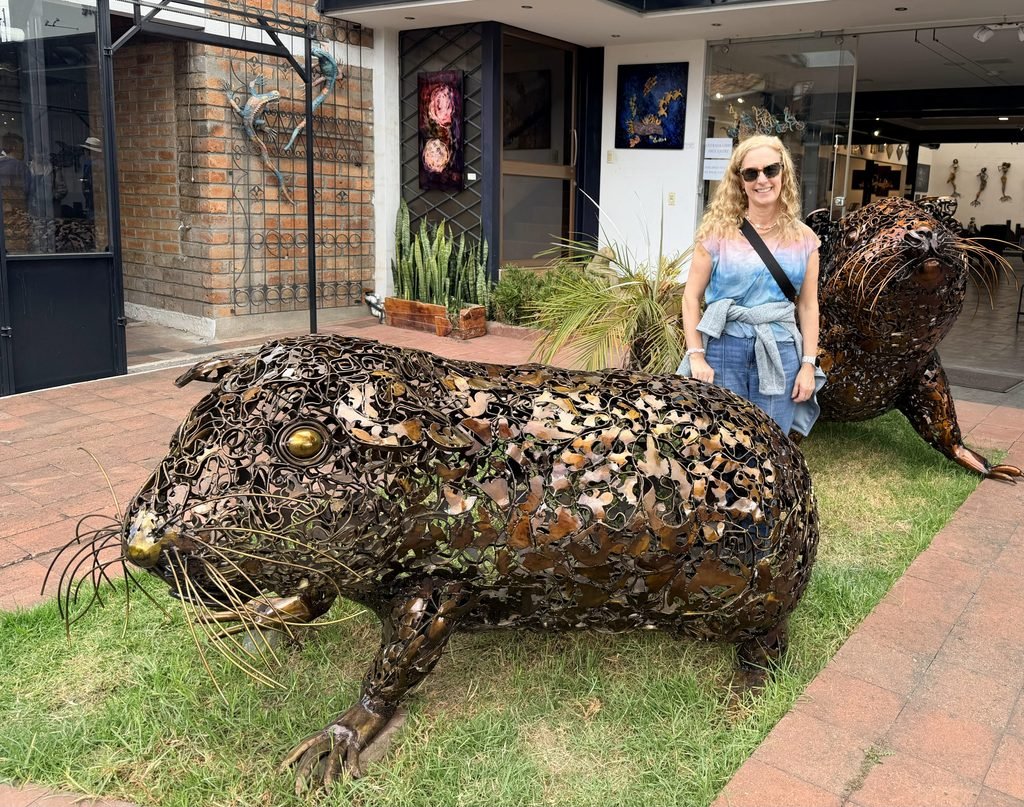
We went to the Museo de la Ciudad wich had a number of guinea pigs in the courtyard. They were cute and reminded us of the beavers in Toronto. Check out our Toronto trip in the “where we went” tab so see the cute beavers painted for FIFA World Cup.

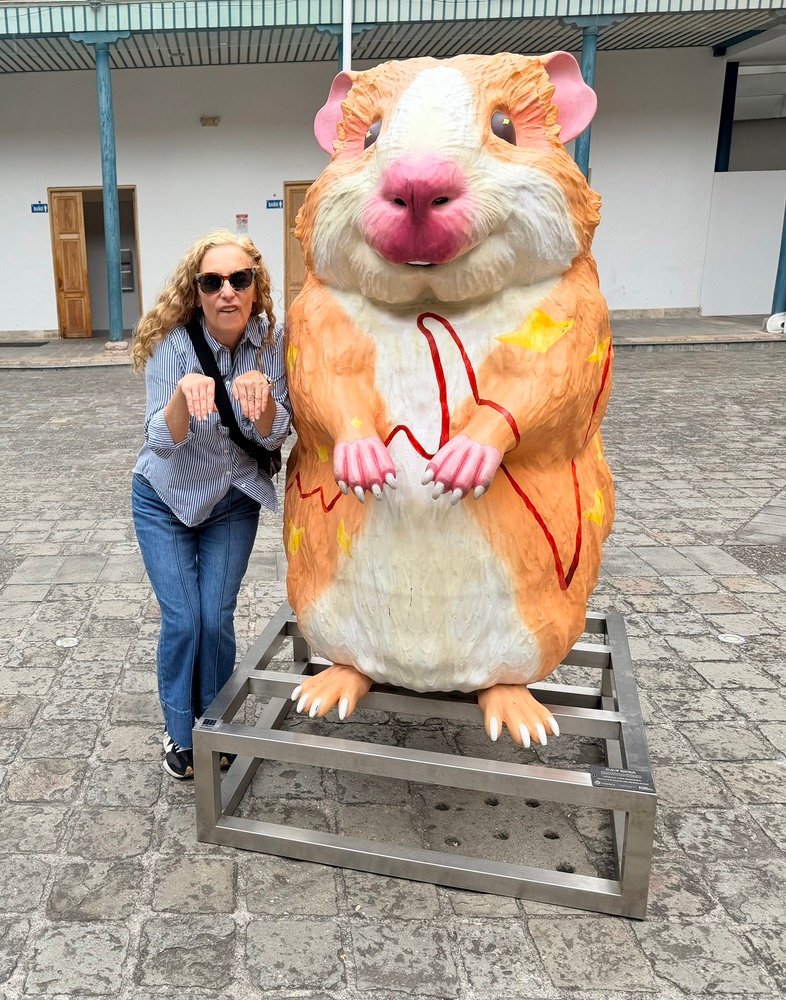
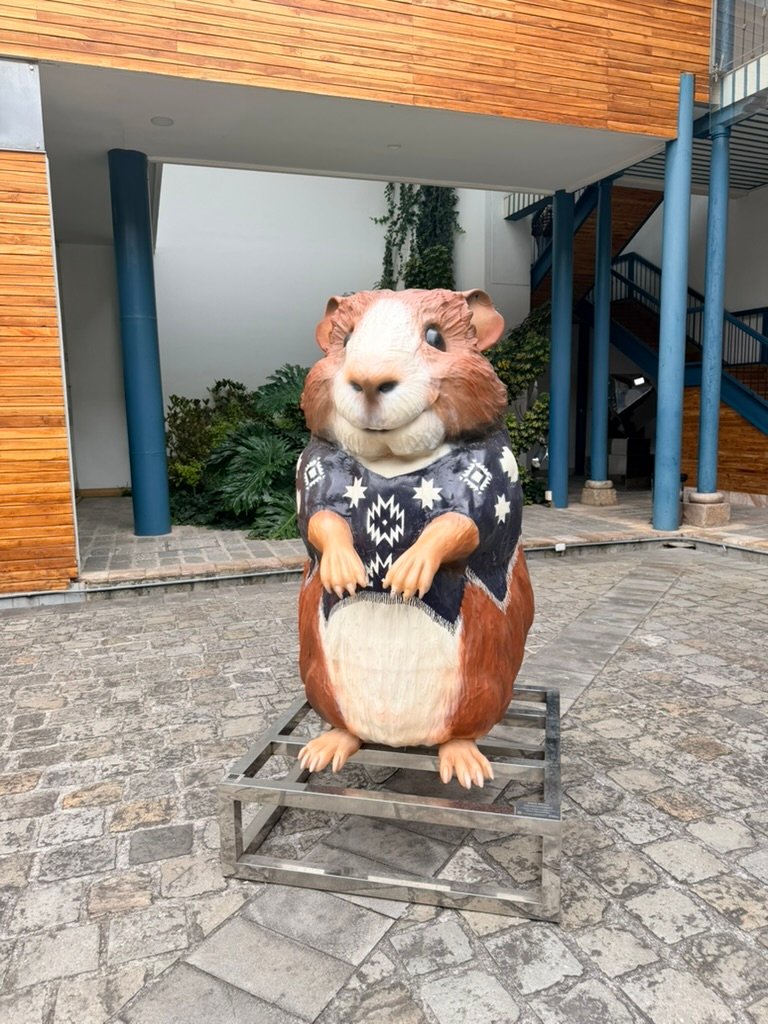
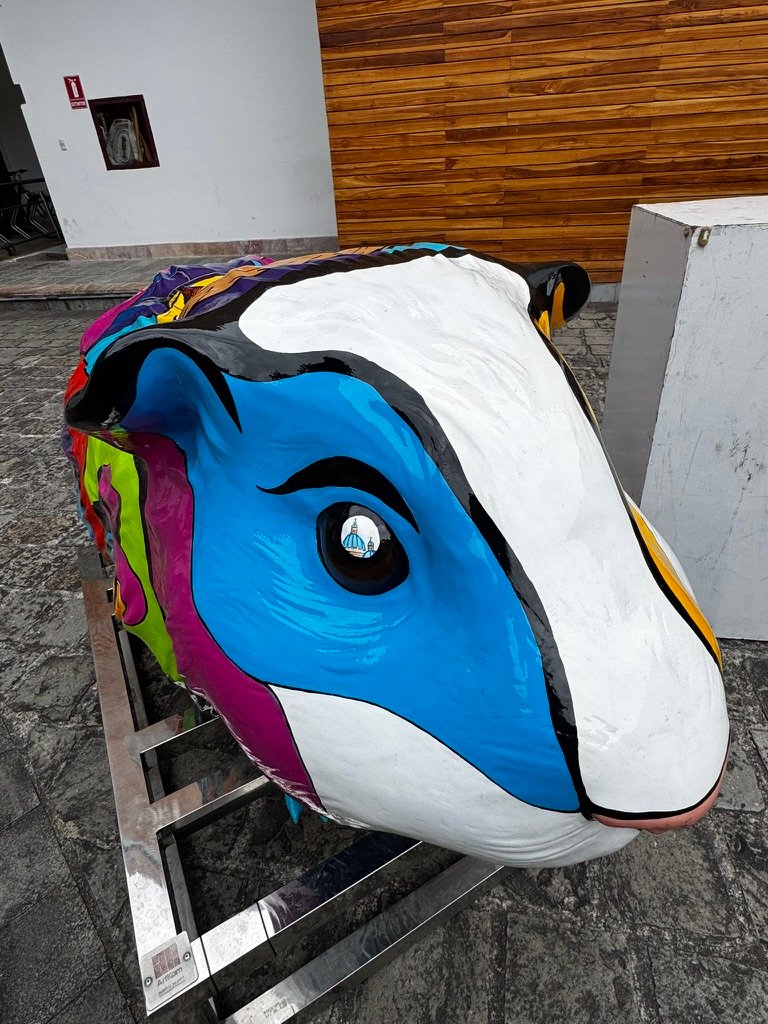
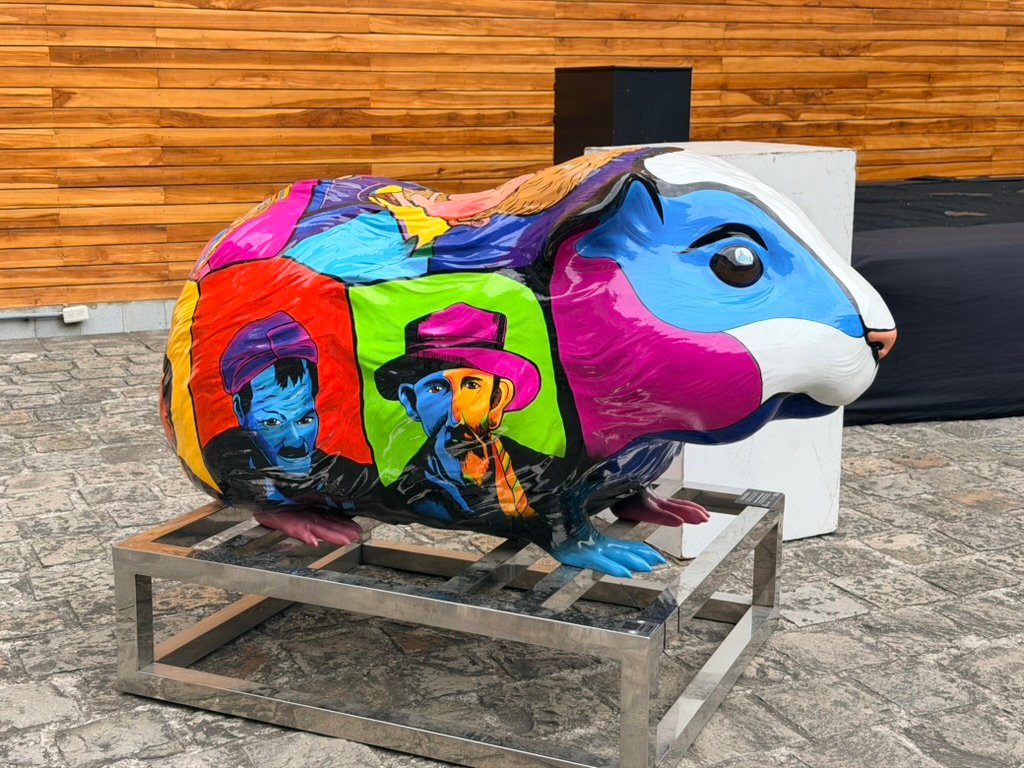
Another part of the museum had more historical information about Cuenca with photos showing progress. of the City.
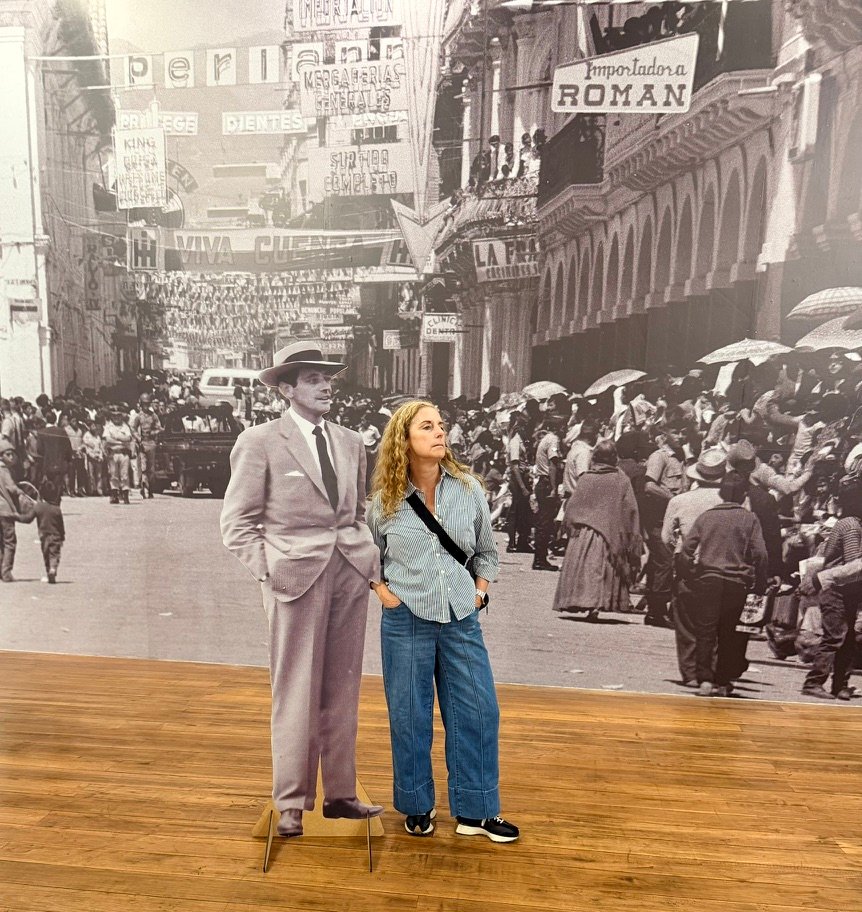
The hospital
The museum is also on the same site served as one of colonial Cuenca’s early hospitals, which is why the museum now has such a strong medical-history.
Ladies, you might recognize some of these tools.
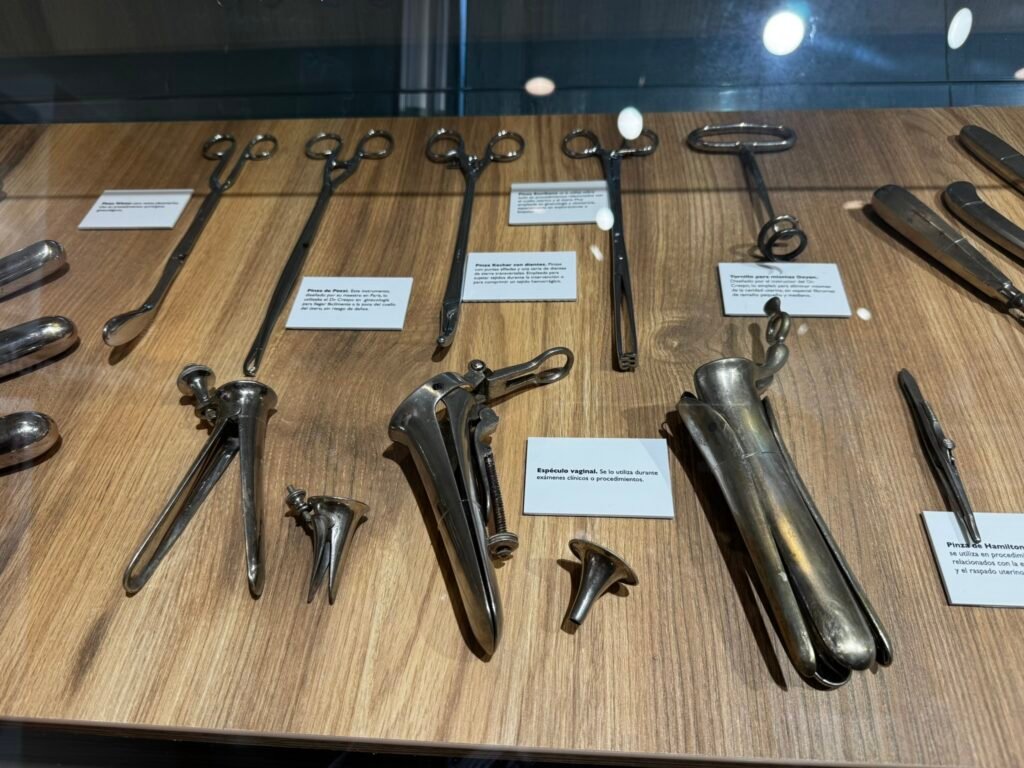
On the right you see one of the first operating tables. Casey pointed out that he thinks the blood flows through the table and into the bucket.

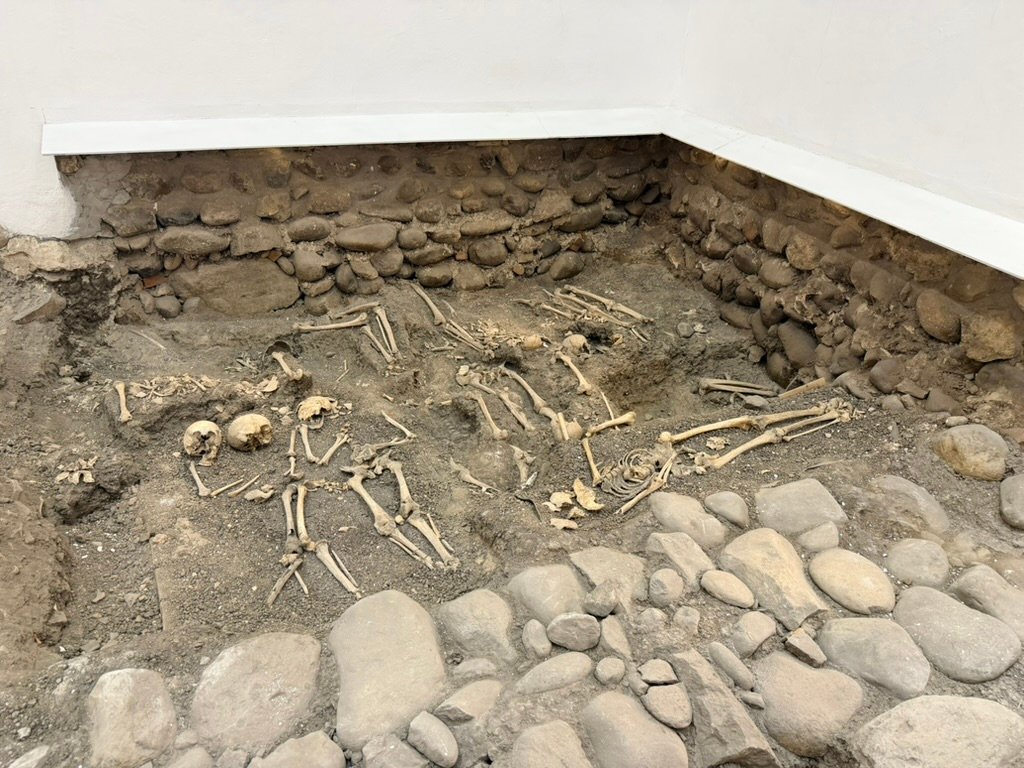
Sala de las Osamentas – “Room of the Bones”
The Sala de las Osamentas (“Room of the Bones”), is a sober reminder of how illness, poverty, and death were handled in colonial-era Cuenca.
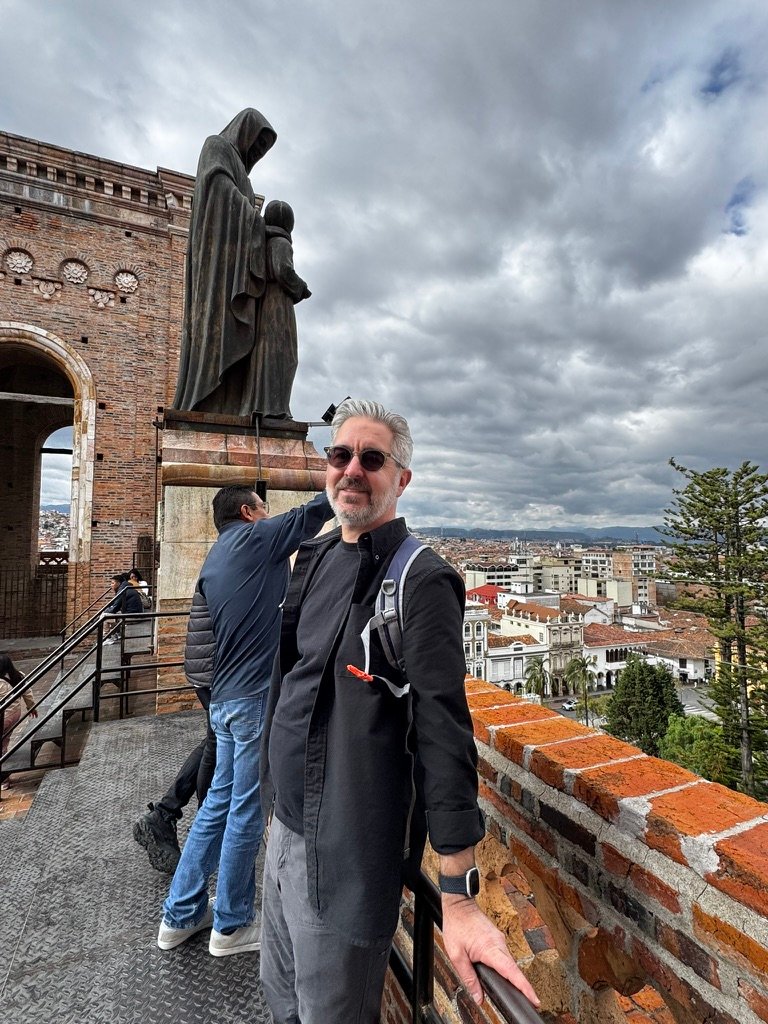
On top of the Catedral de la Immaculada Conceptión de Cuenca
On this day we were able to climb the stairs to the top of the Cathedral de la Immaculada. From the cathedral’s upper terrace/viewing platform, you get a broad, almost 360-degree look across central Cuenca. The standout views are Parque Calderón, the historic center’s red-tile roofs and church towers, and the cathedral’s own blue domes at close range.


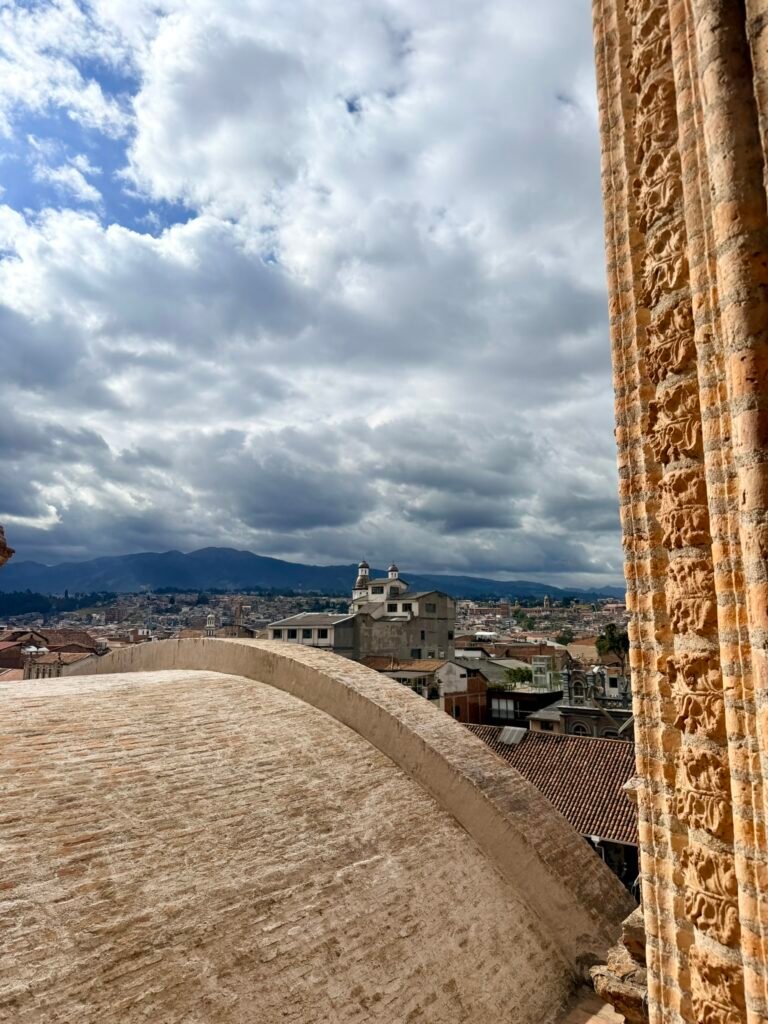
Parque Calderon
This is Parque Calderon. It is the central square in Cuenca’s historic center. It sits immediately in front of the Catedral de la Inmaculada Concepción, in the center of the old town. It is a lively place daytime or evening and a wonderful for people watching.
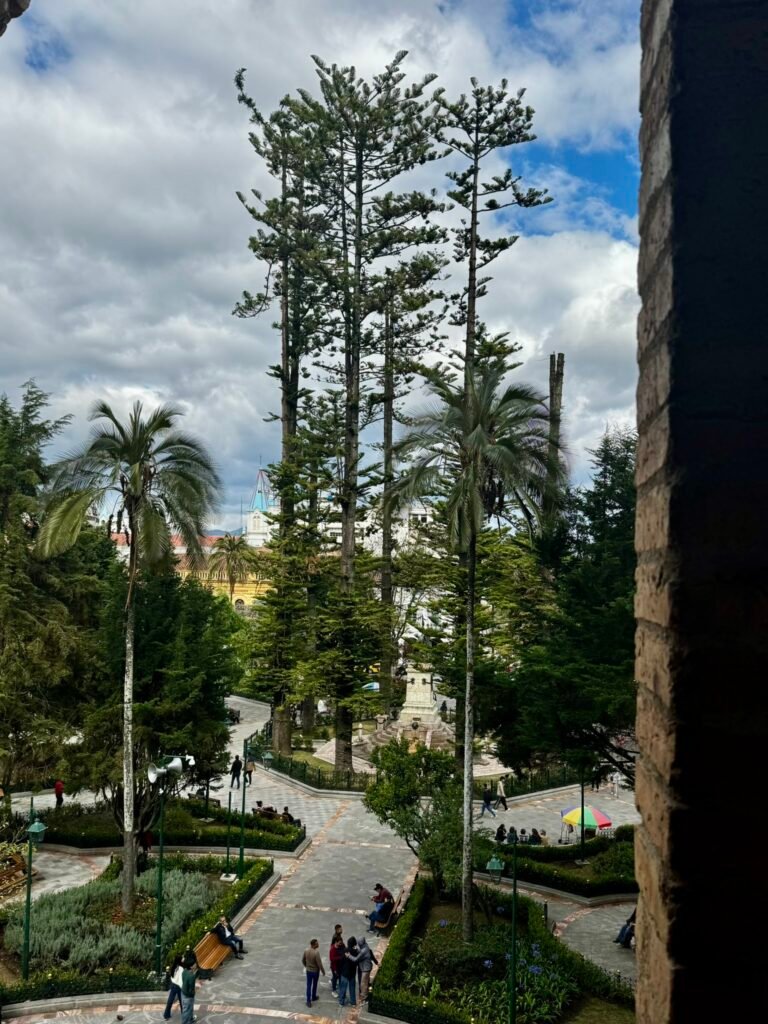
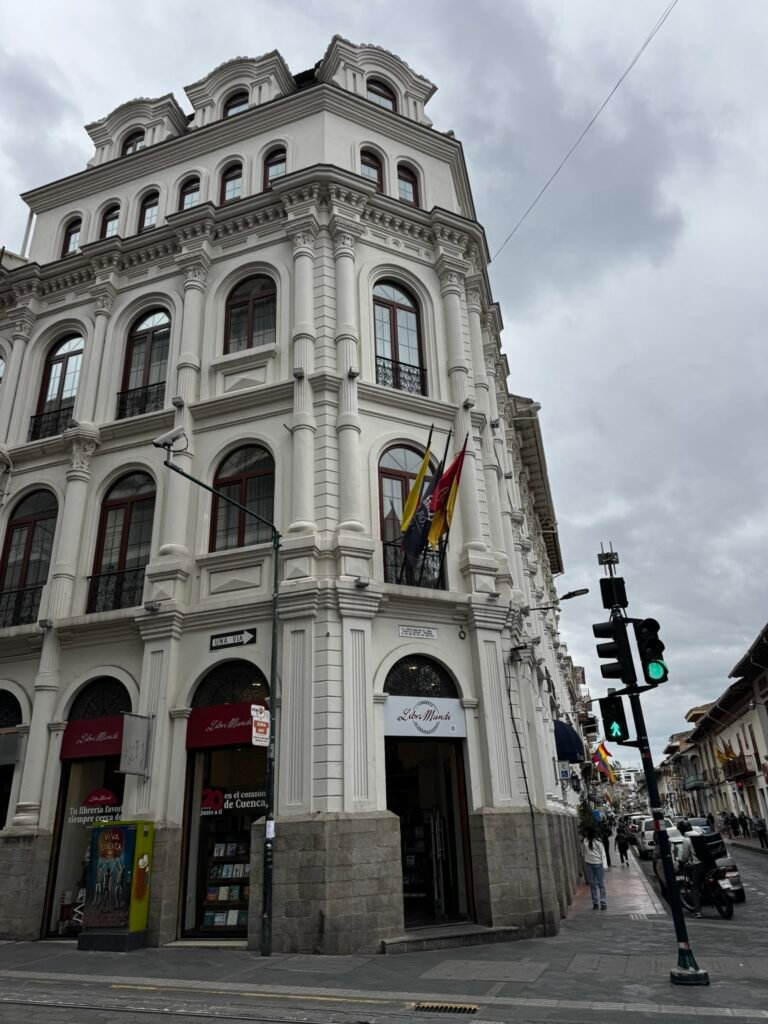
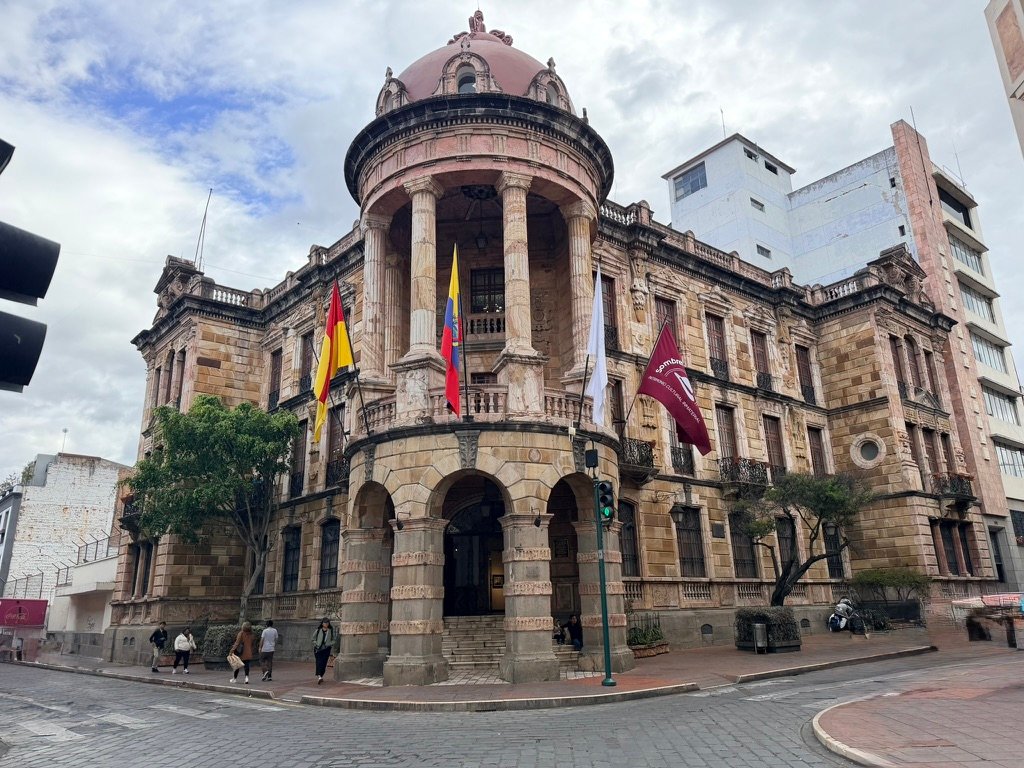
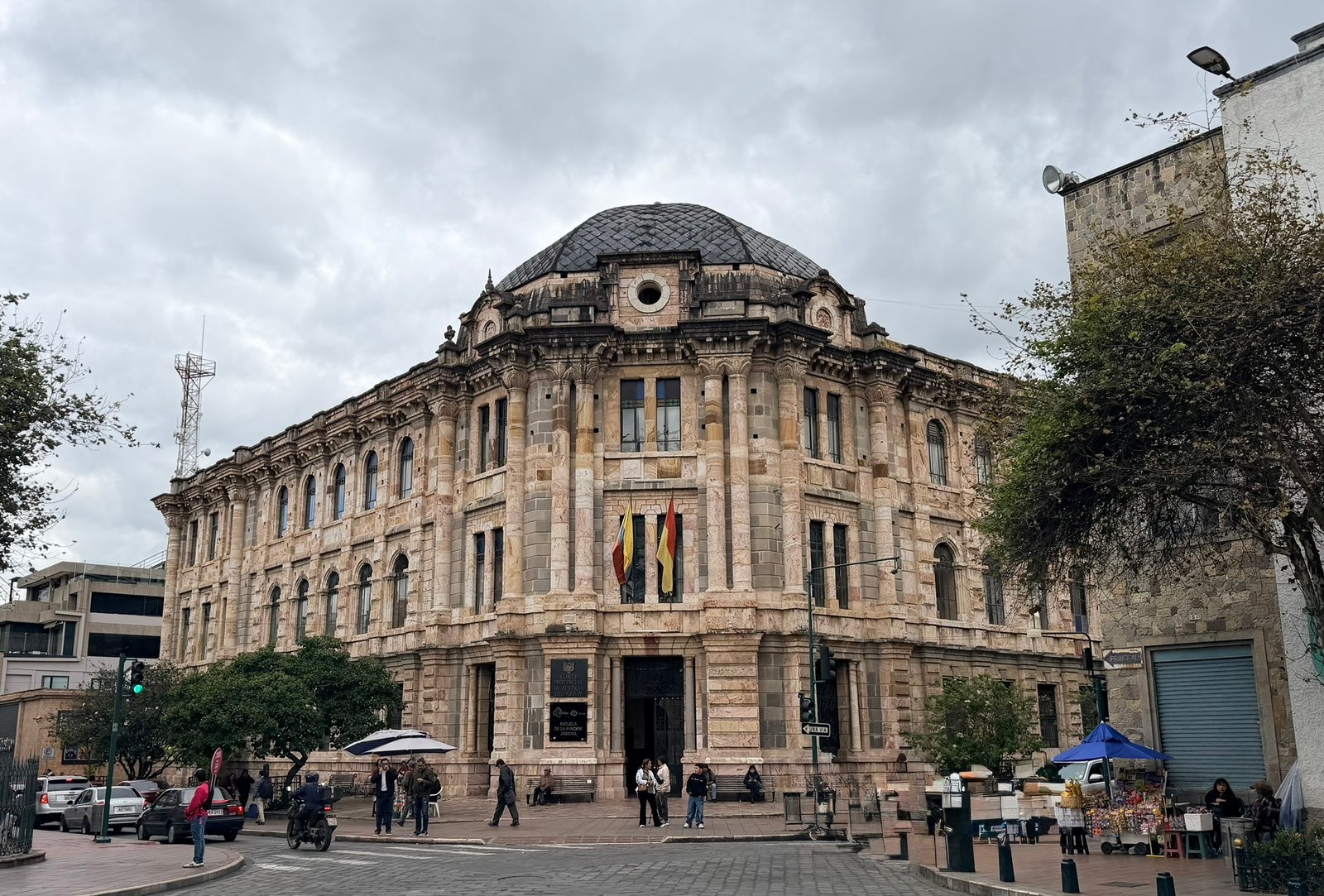
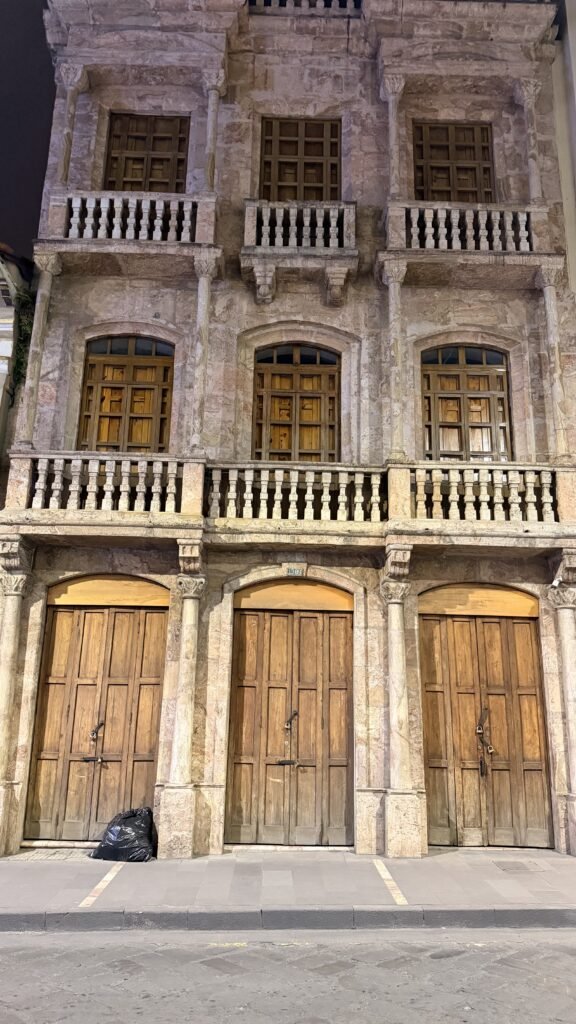
Buildings in the Centro Histórico
We enjoy walking around town and photographing the Spanish architecture.
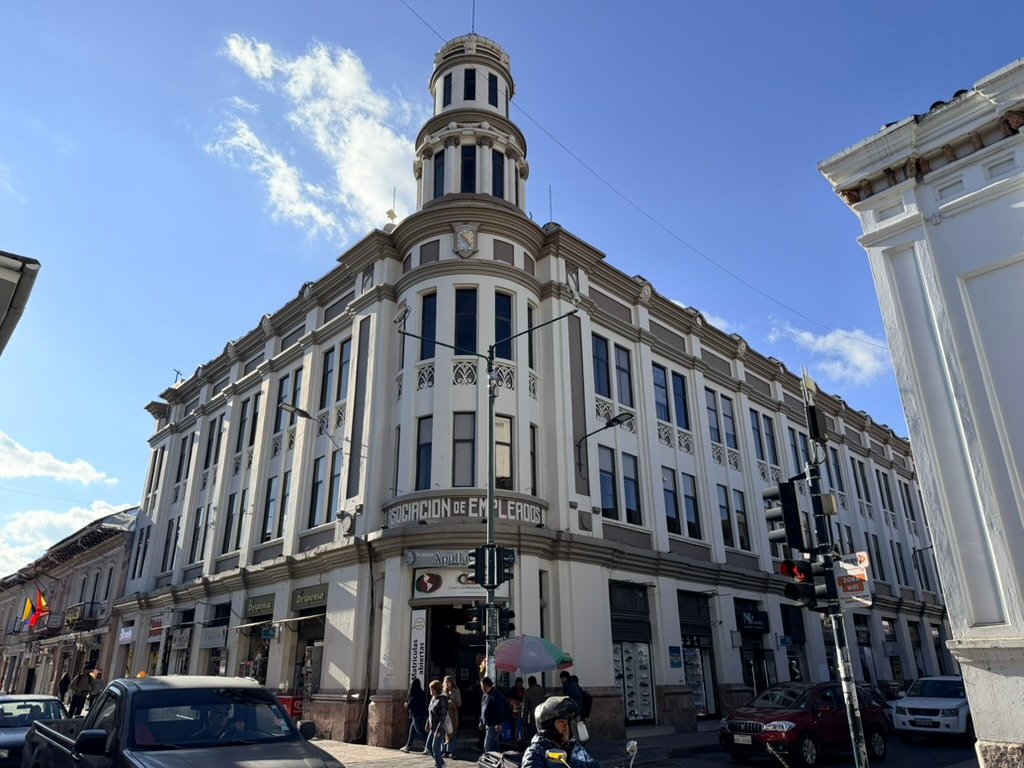


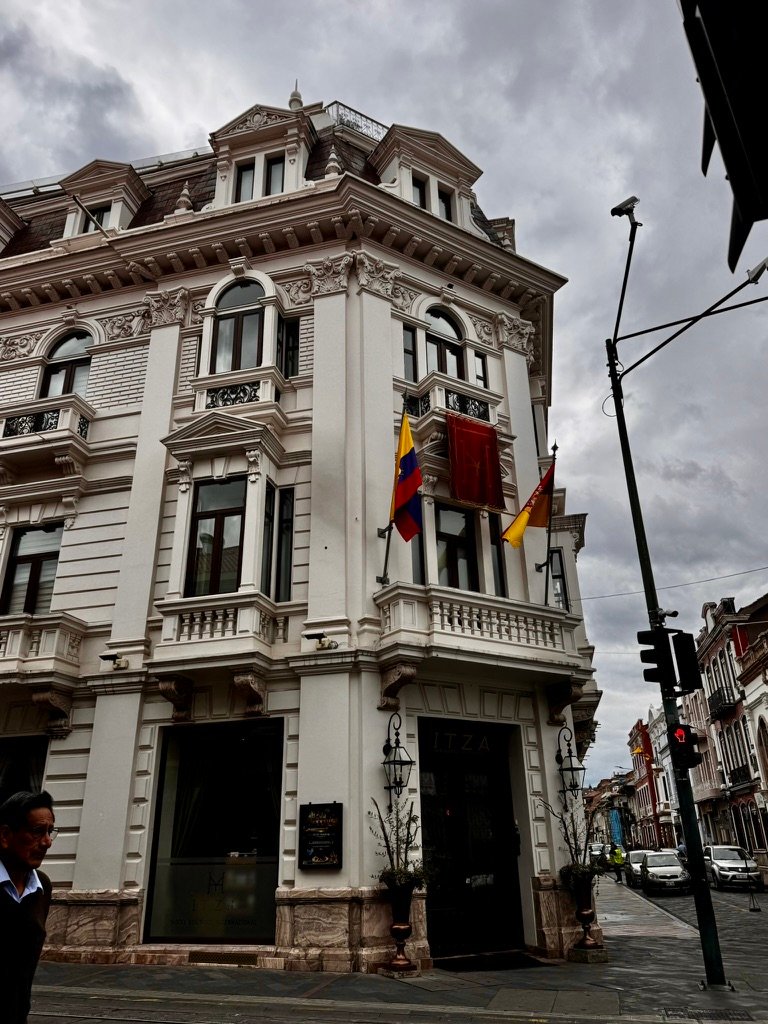

Other sites around town
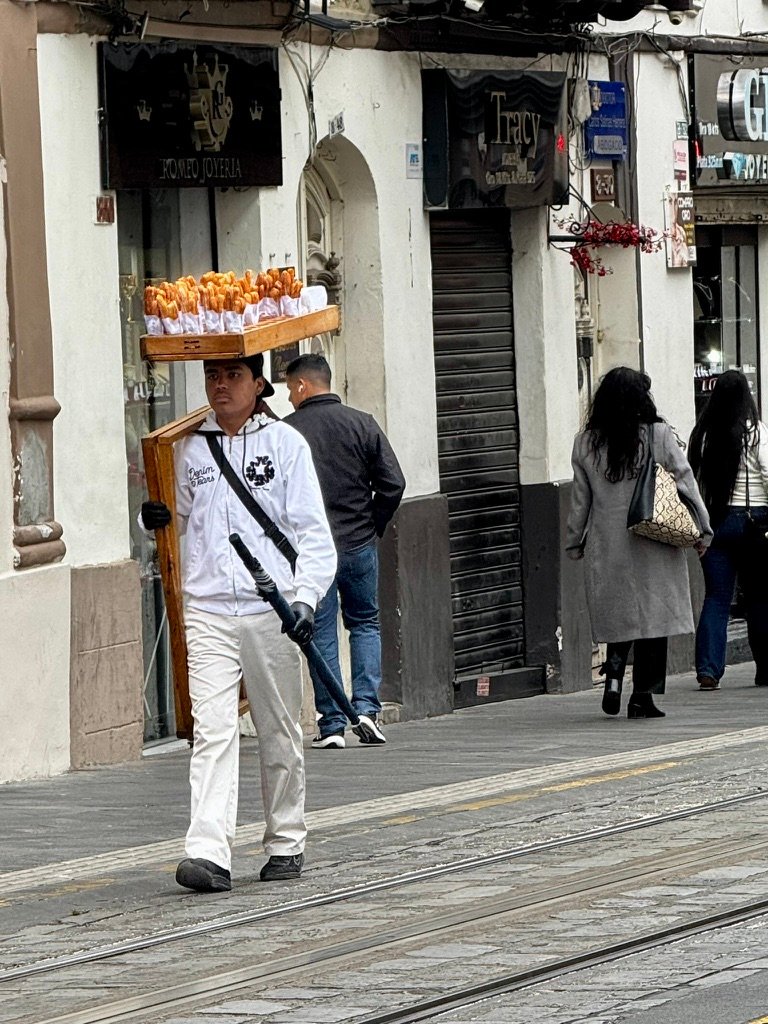
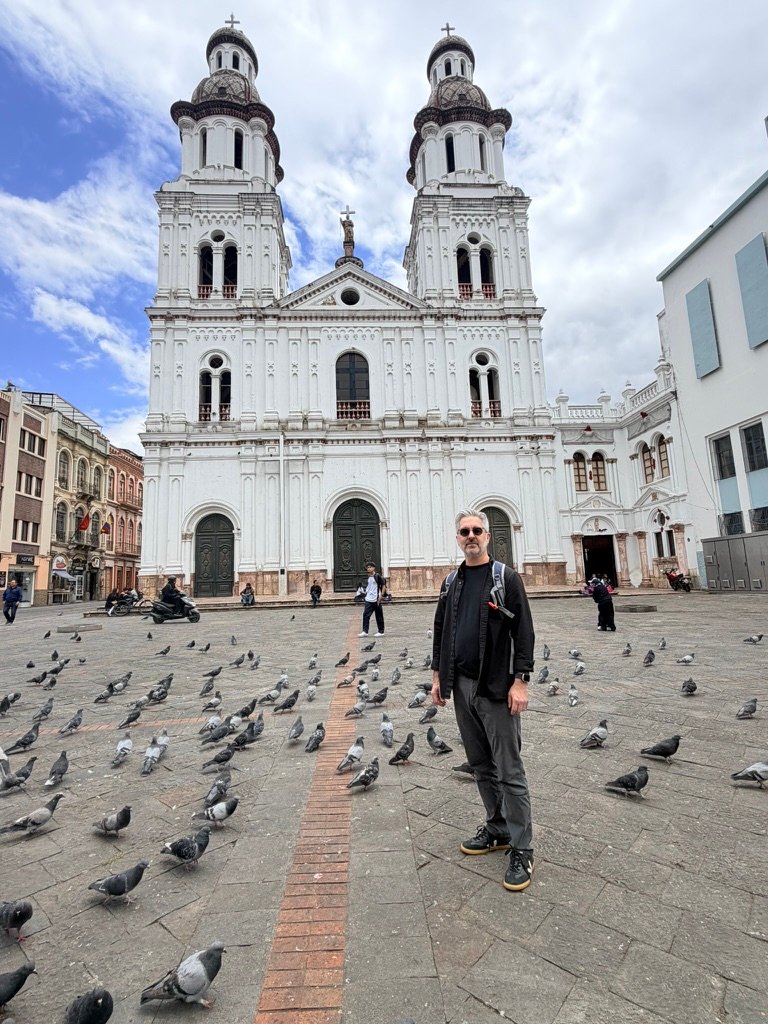
Iglesia Católica Santísimo Rosario – So many pidgeons!
Lots of pigeons were in front of the Iglesia Católica Santísimo Rosario!

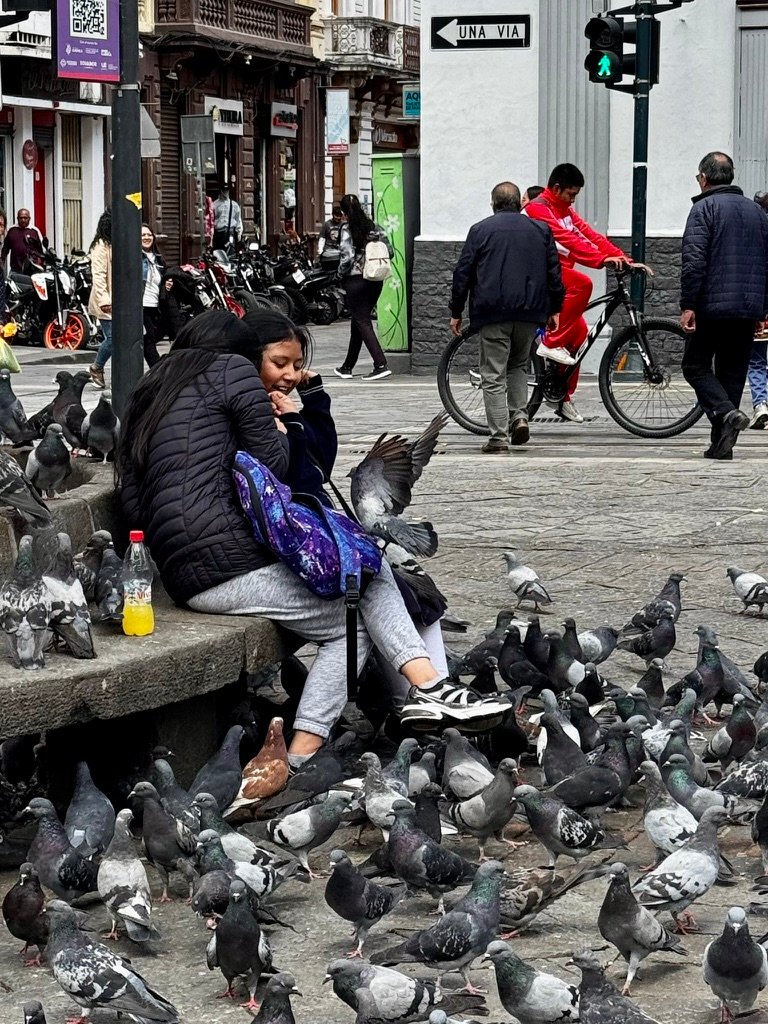
This parque has a LOT of pigeons. These girls were feeding them as well as making very close friends with them.
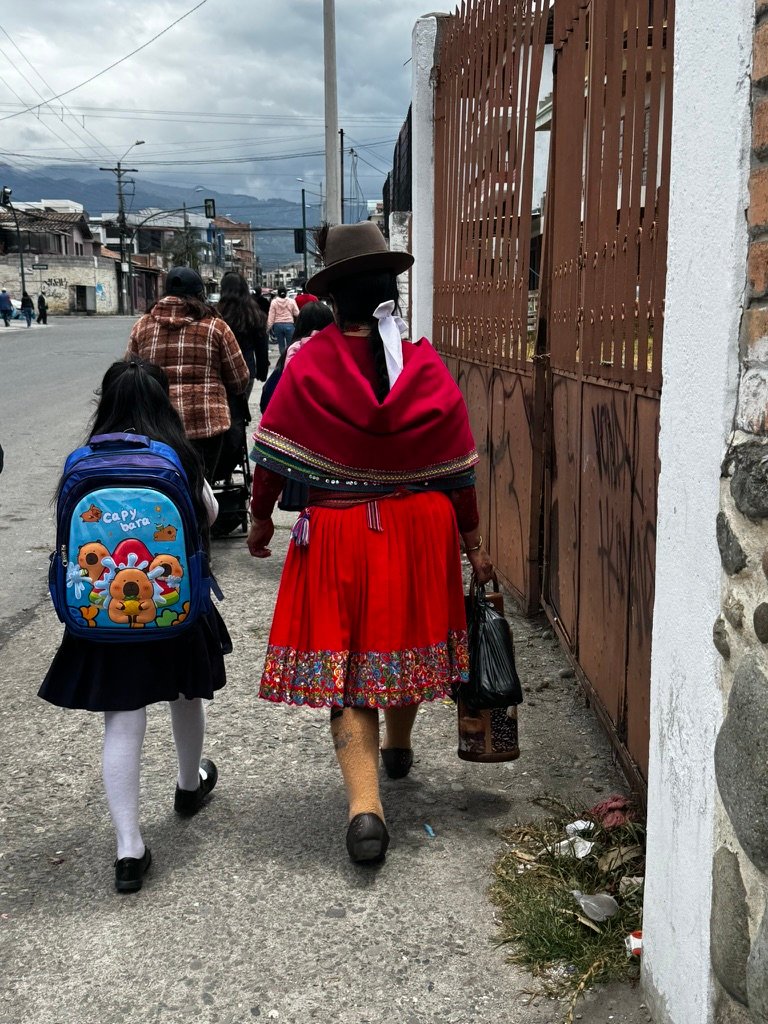
This is a common sight in Ecuador. There are a lot of ladies in traditional dress. We didn’t want to be obvious about taking a photo so we took one from behind.
Road trip – Day 2
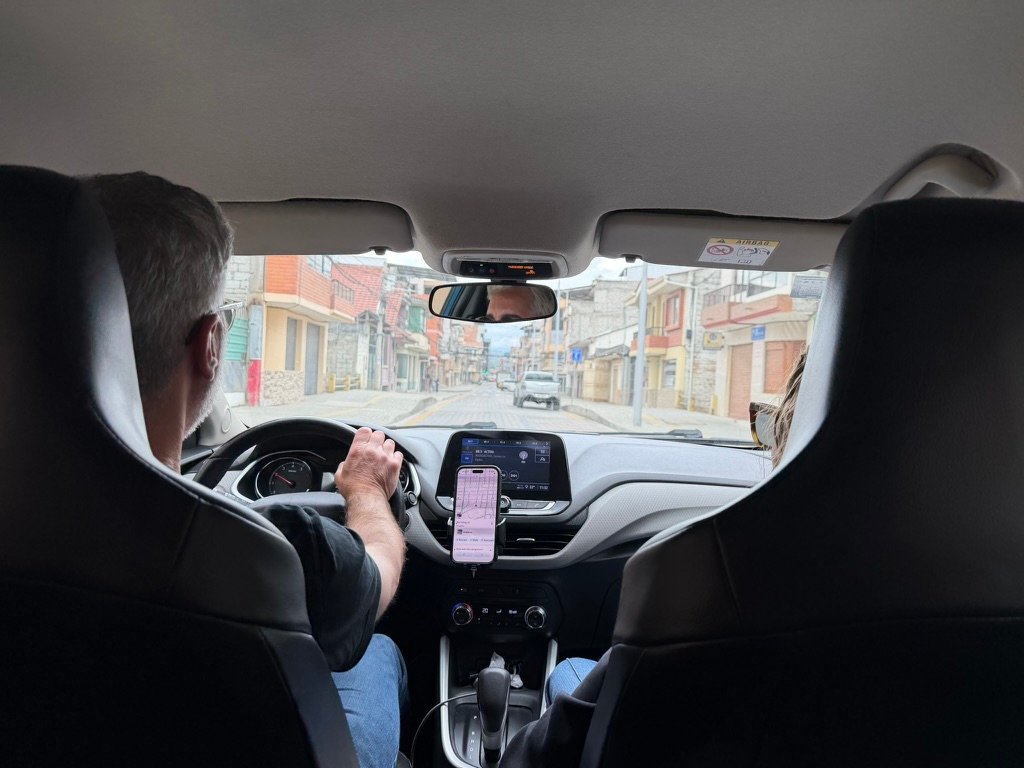
Road trip day two. Julie said there would be NO hiking to a waterfall and we needed to do something low key. So we went to an orchid farm and two small towns.
Gualaceo and Orchids
Gualaceo’s mild highland climate—around 2,200 meters elevation—supports orchids from multiple Ecuadorian microclimates.

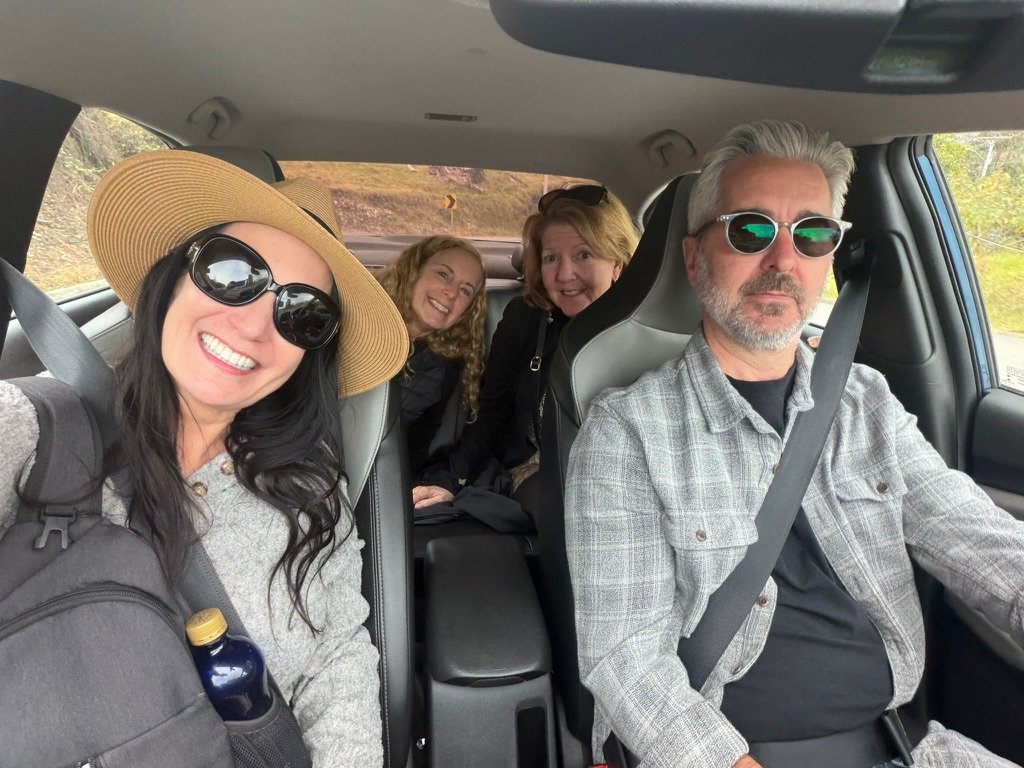
Our new friends Val and Brie joined us on our second day-trip adventure.
Ecuagenera Orchid Nursery
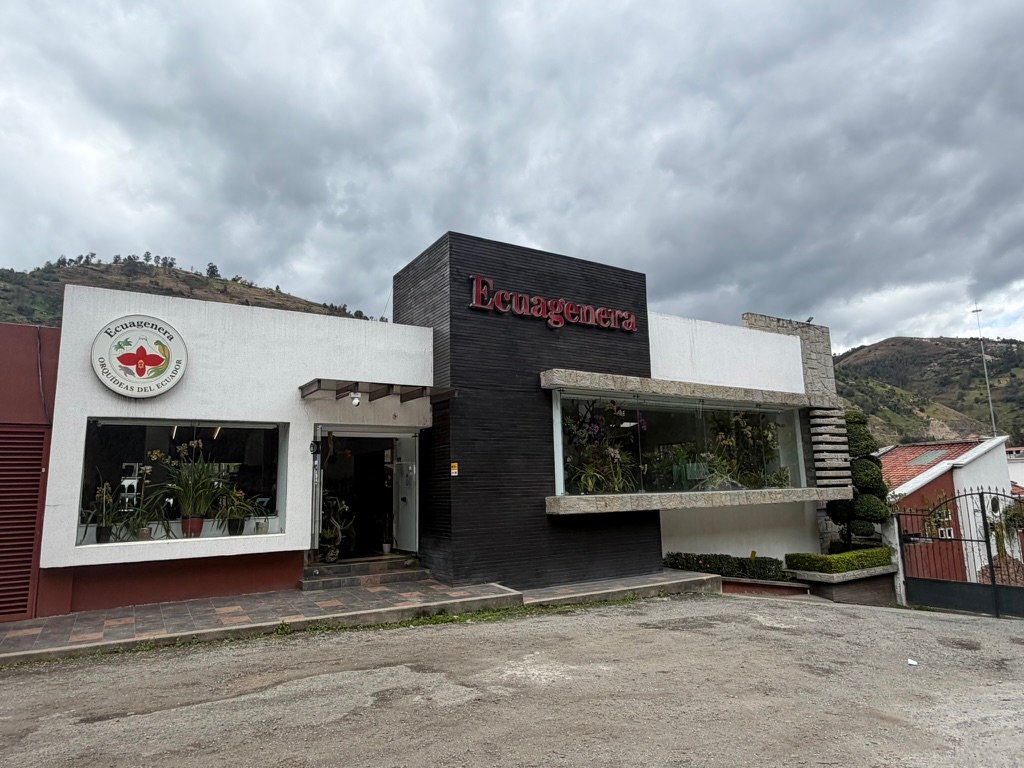
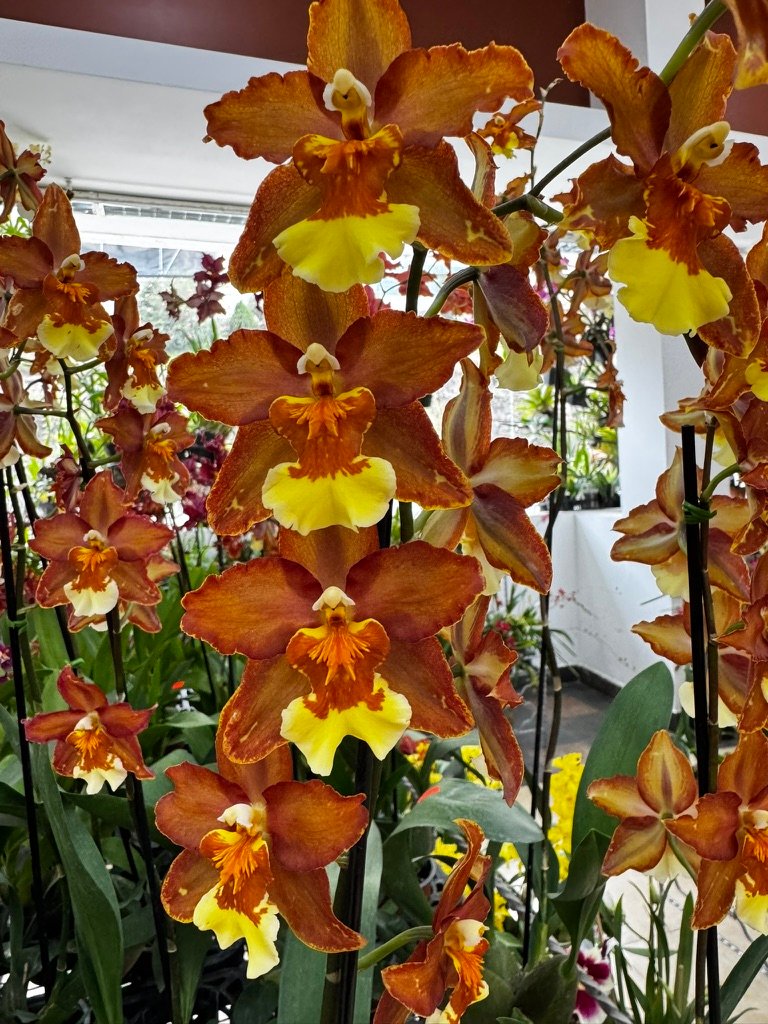
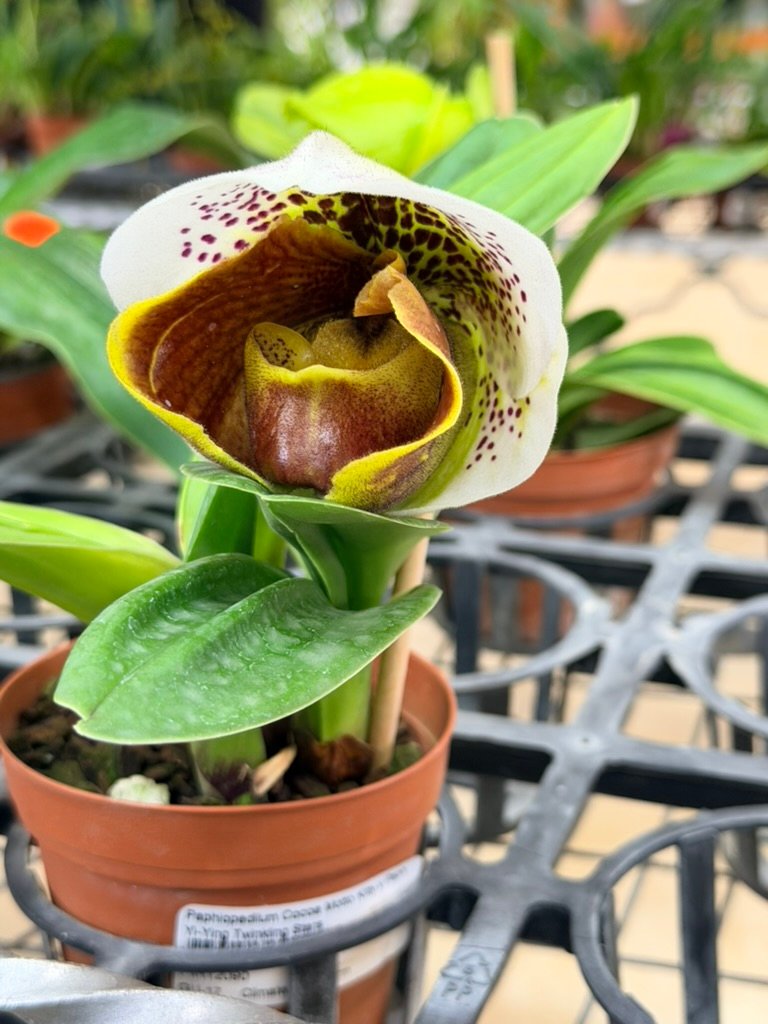
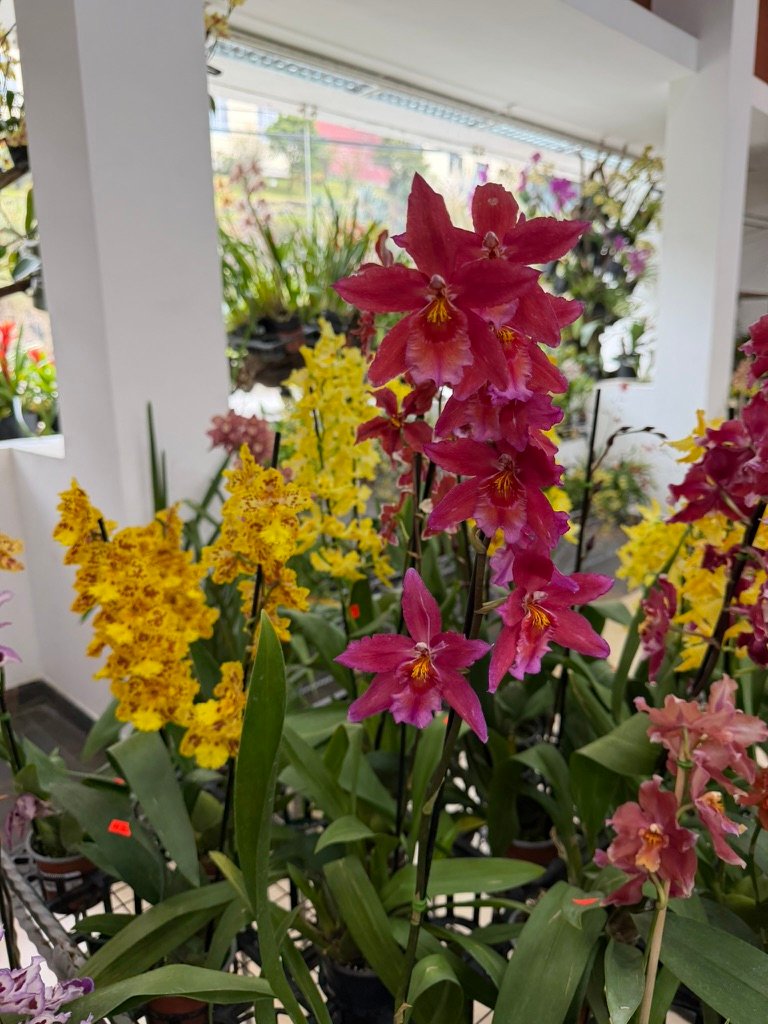
Ecuagenera orchid nursery grows and sells Ecuadorian orchid species and hybrids, and its visitor nursery is often described as one of the largest orchid operations in South America. We didn’t end up doing a full tour, but we still saw some amazing orchids!


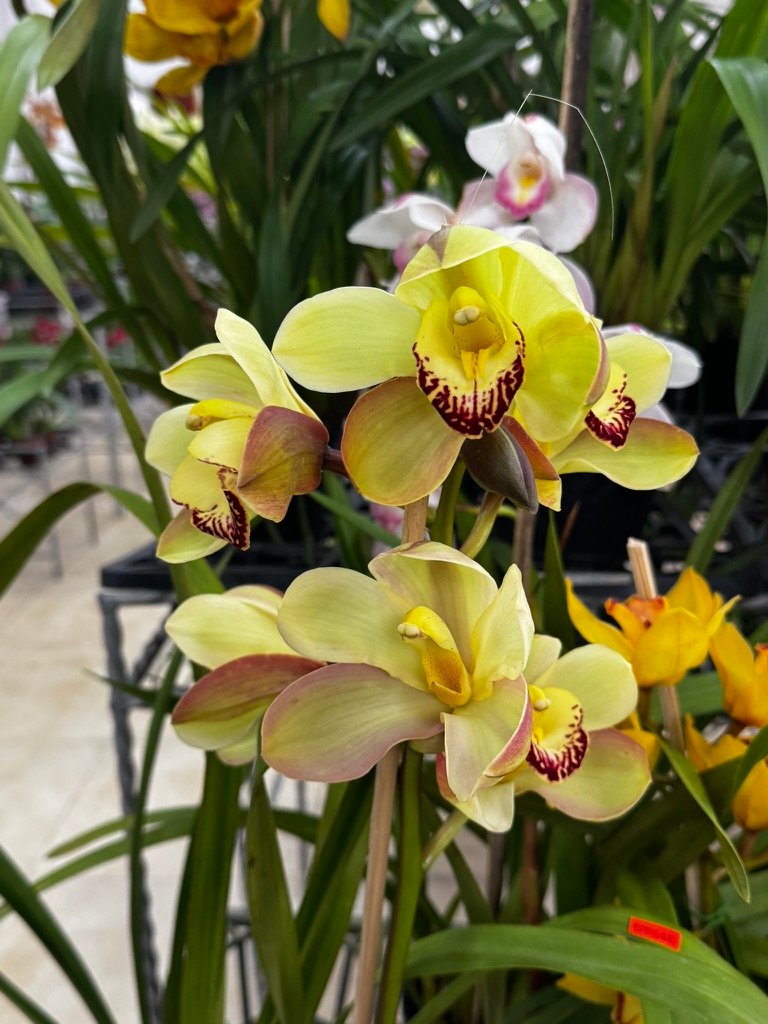
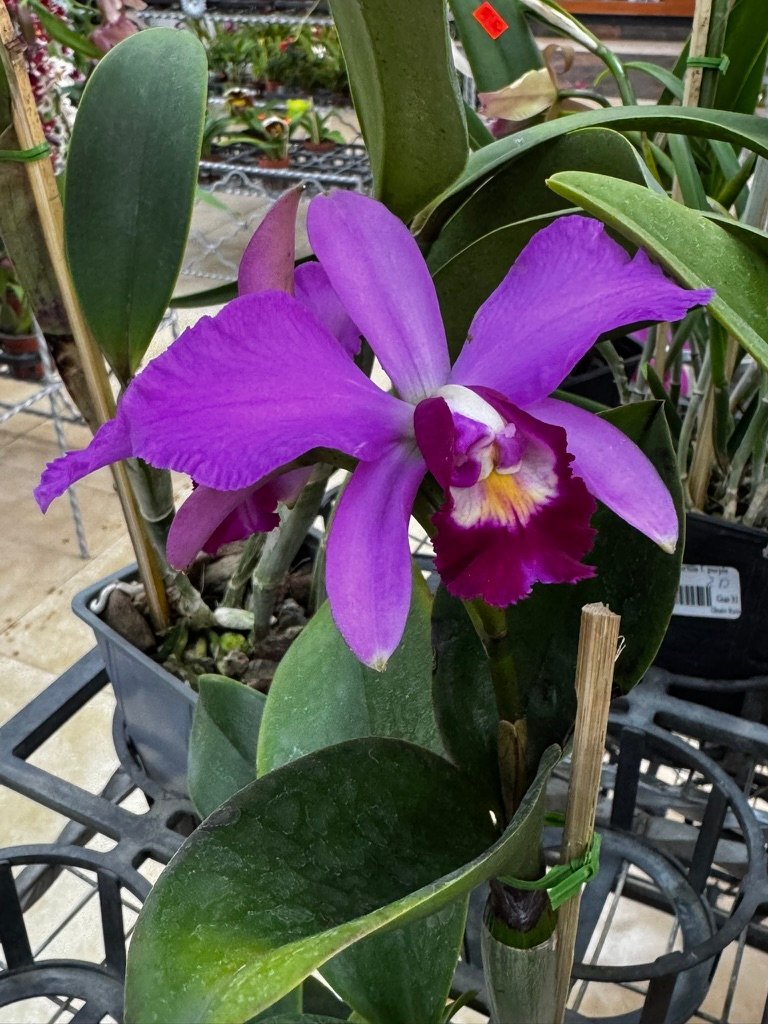

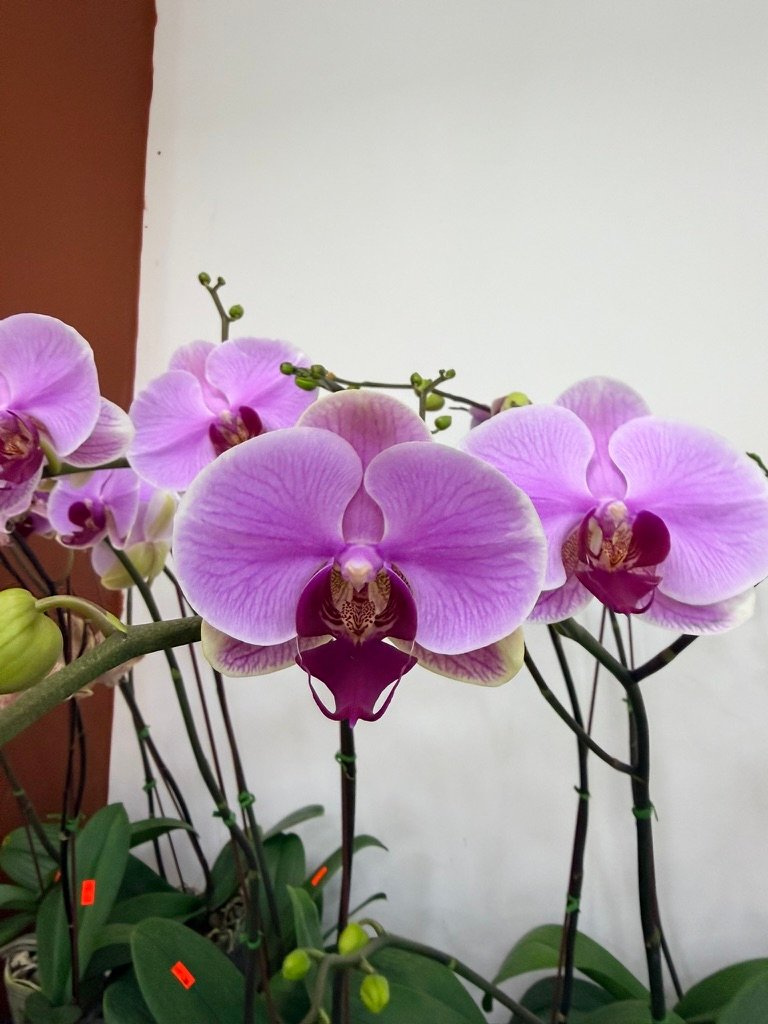
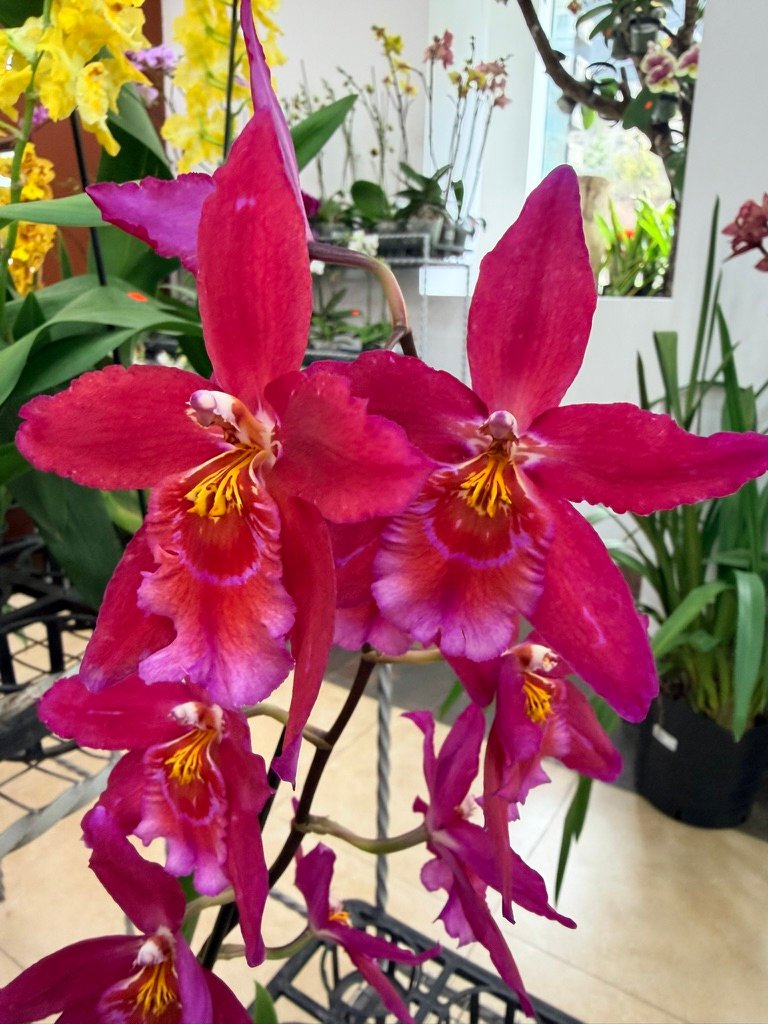



Someone’s cow between the buildings
There was a cute cow standing in a little grassy space between buildings as we walked down the street.

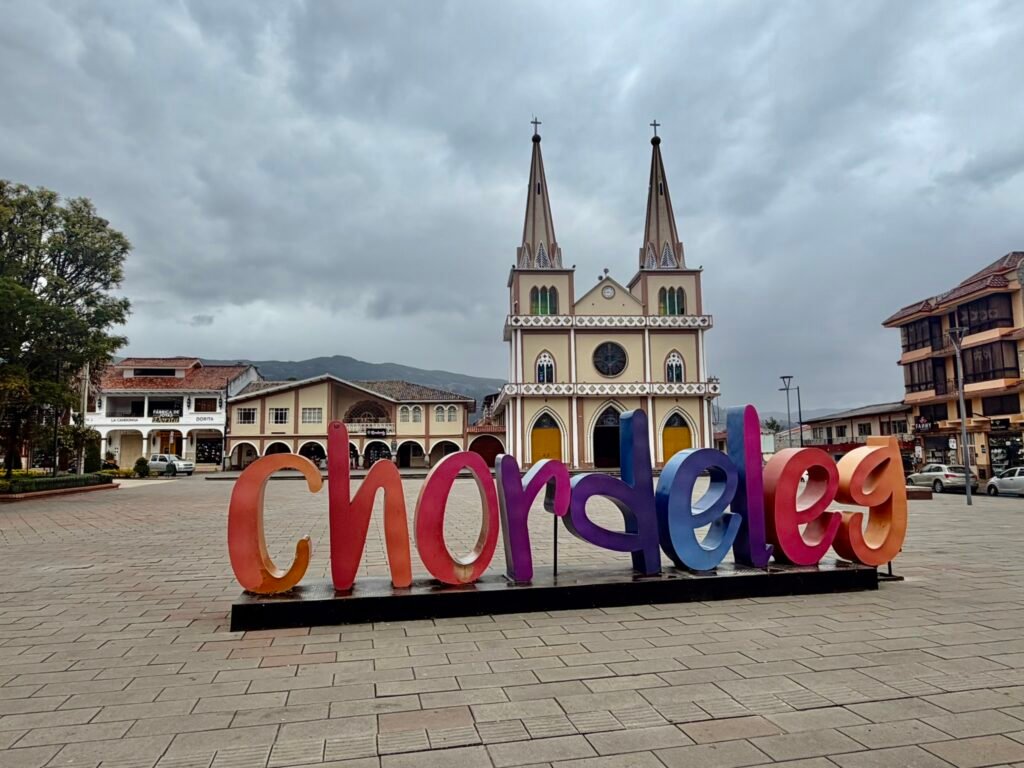
Next we headed to Chordeleg
Chordeleg is know for filigree jewelry.

Day-Trip 1: Cajas National Park
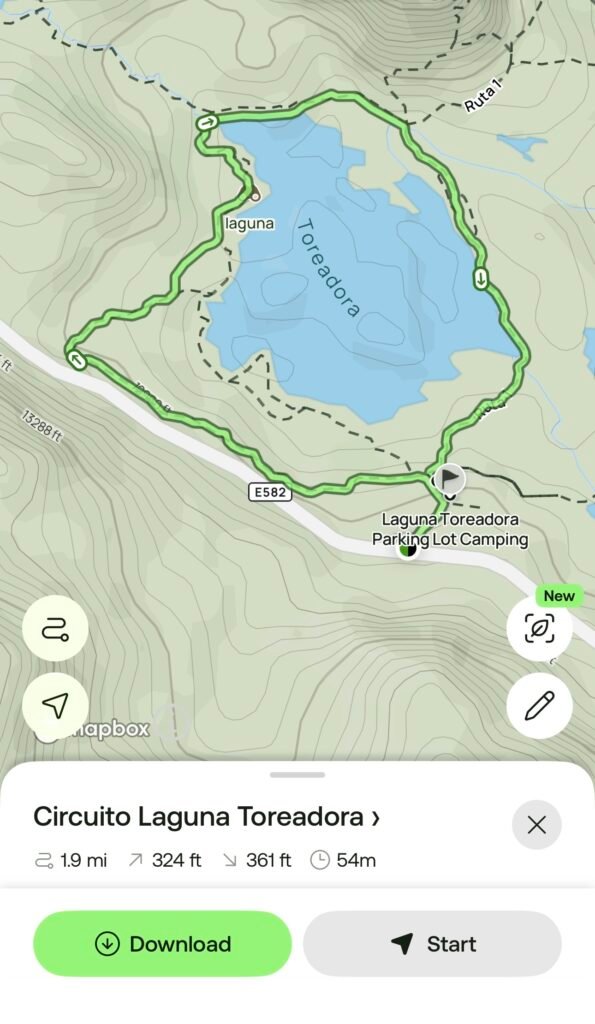
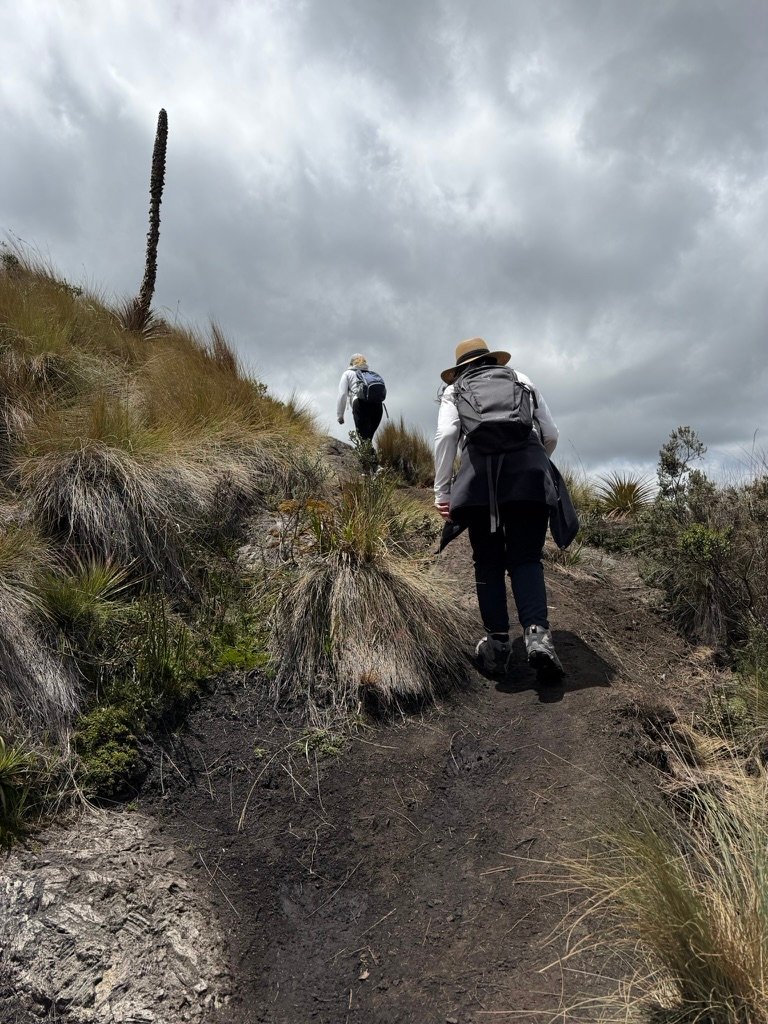
Heading to Cajas National Park was highly recommended by almost every expat we met so it seemed like a perfect day trip. Apparently all of the water in Cuenca comes from the Cajas. This is the hike we took. It was very questionable throughout the hike if we were actually on the trail. Julie thought a fun game would be to be the first to spot the next tailhead marker. Only Julie thought this was amusing because she was too tired to accidentally have to backtrack if we walked off the route. This screenshot from Alltrails says the hike is only 1.9 miles. It honestly felt more like 4 miles.
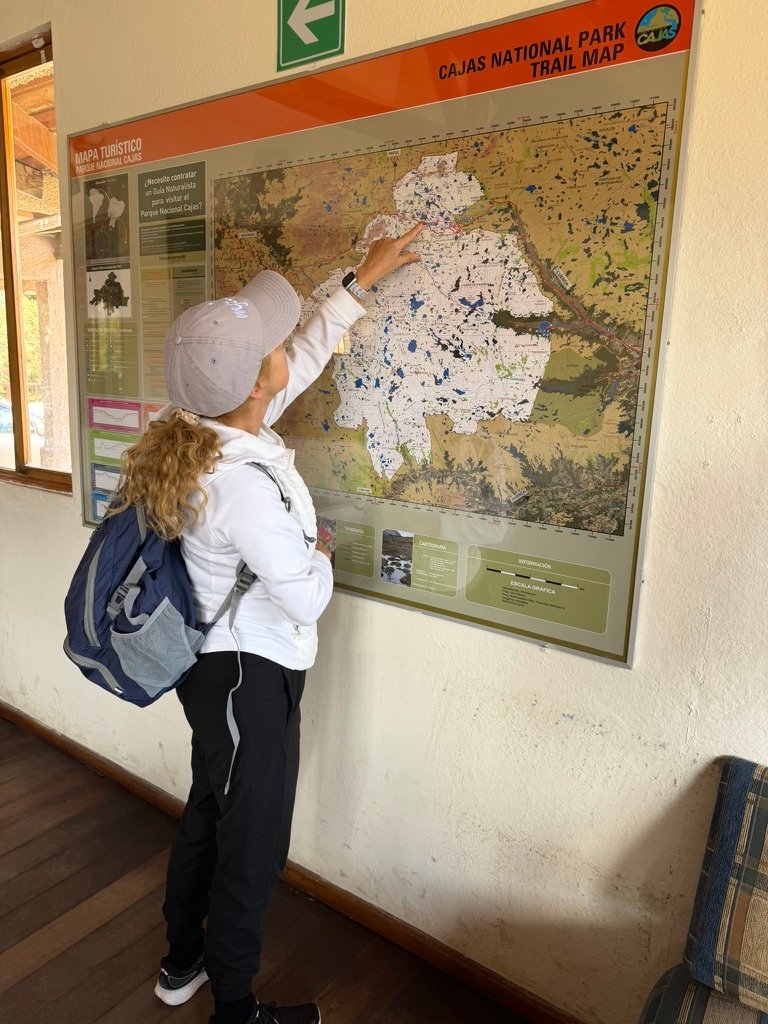
In this photo you can see how large the national park really is. We only hiked around one of the lakes. We have read that approximately 10 people die per year in the park because the weather can change quite drastically at the drop of a hat. We were lucky and had great weather.
Julie questions if it is really 1.9 miles around this giant lake. What did I sign up for?
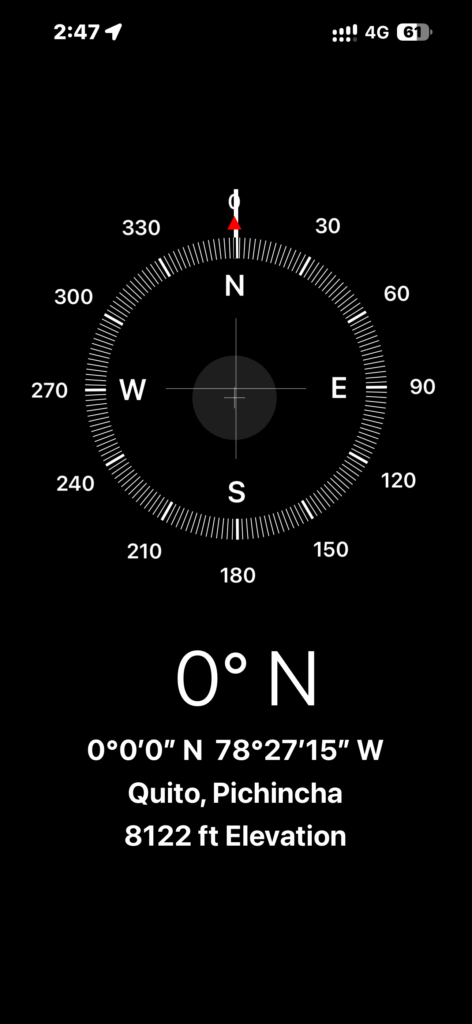
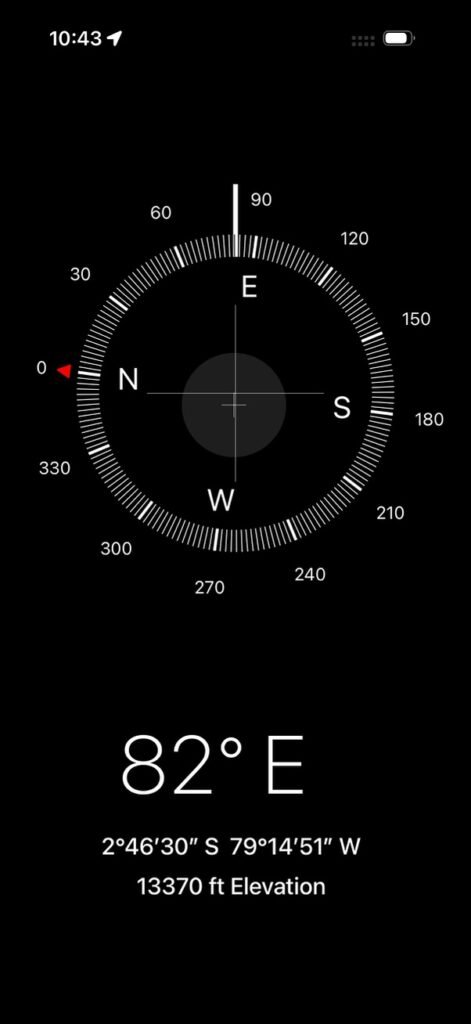
Our friend Brie showed us that we actually have a compass on our phone and it also tells us the elevation. Our hike was mostly at 12,500 feet. At this point we had been living in Cuenca for 3 weeks and were pretty acclimated to the 8,500 ft elevation. Hiking at 4,000 more feet was no joke. Brie and Casey were like mountain goats. All Julie could think about was how are they going to drag her out of here and where is the next trailhead marker located. Thank god we had the lake always within sight to help guide us.
This is Brie and you can see she is looking fabulous and full of energy at the beginning of the hike. She looked equally fabulous at the end of the hike.


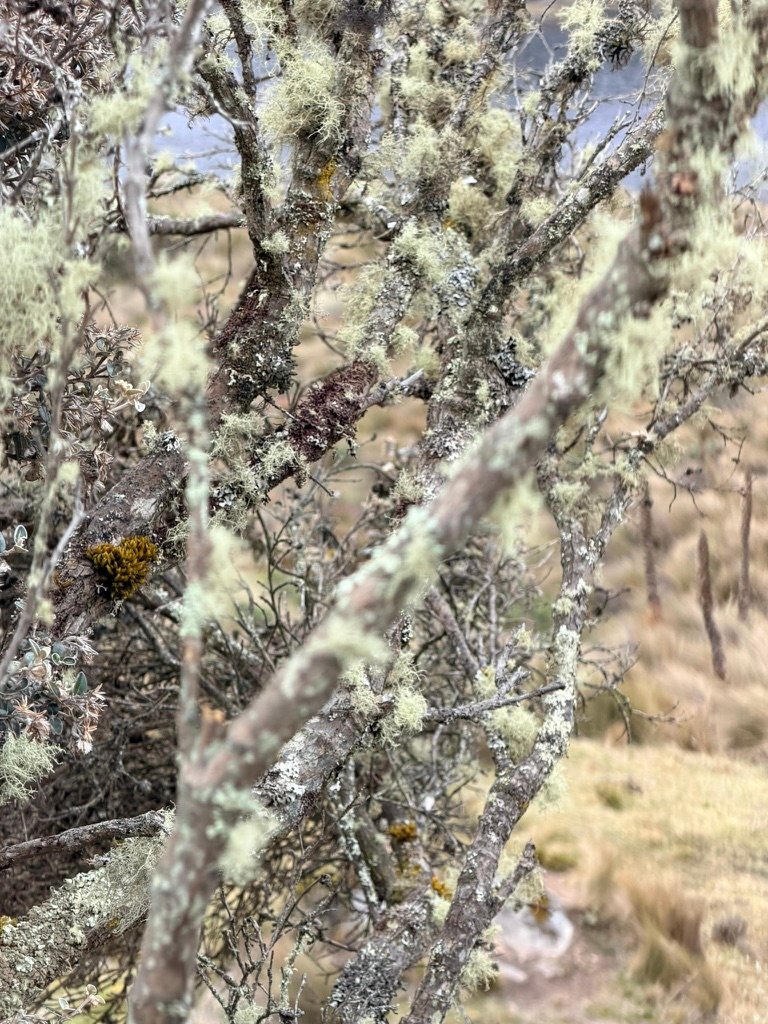
This is lichen growing on this tree. It captures moisture and nutrients directly from fog, rain, and air.

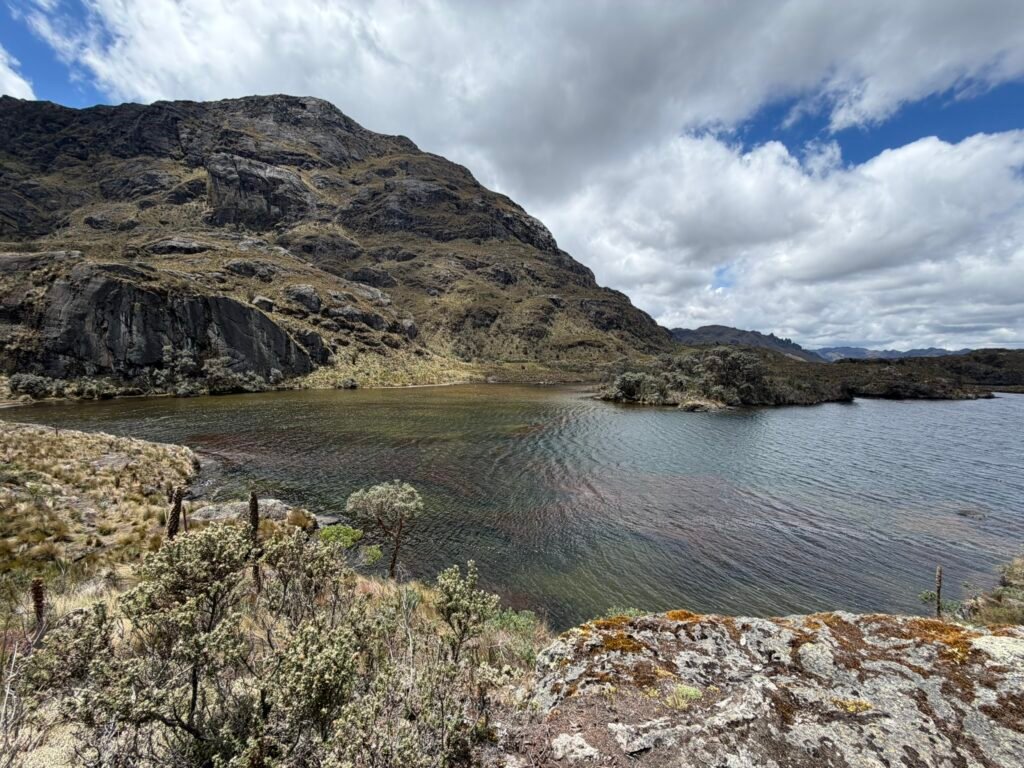
Julie is not in these photos from this lookout point. She was laying on a warm rock. Casey was trying to convince us we were half way around. Julie wasn’t convinced.

Some realy cool moss!


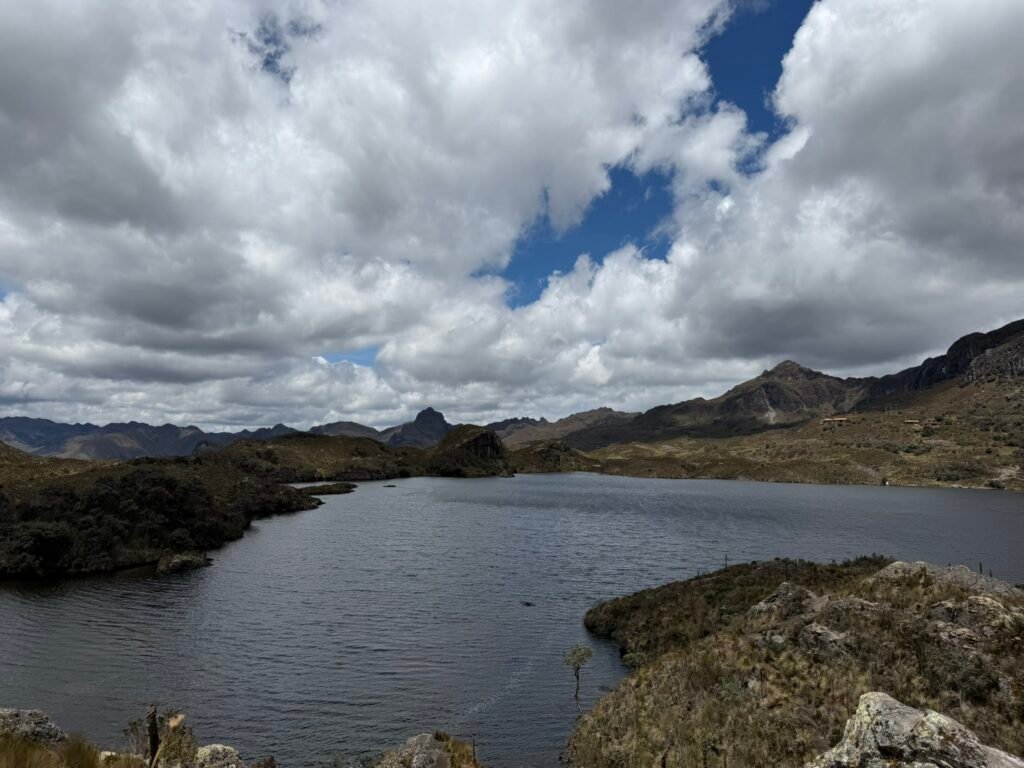
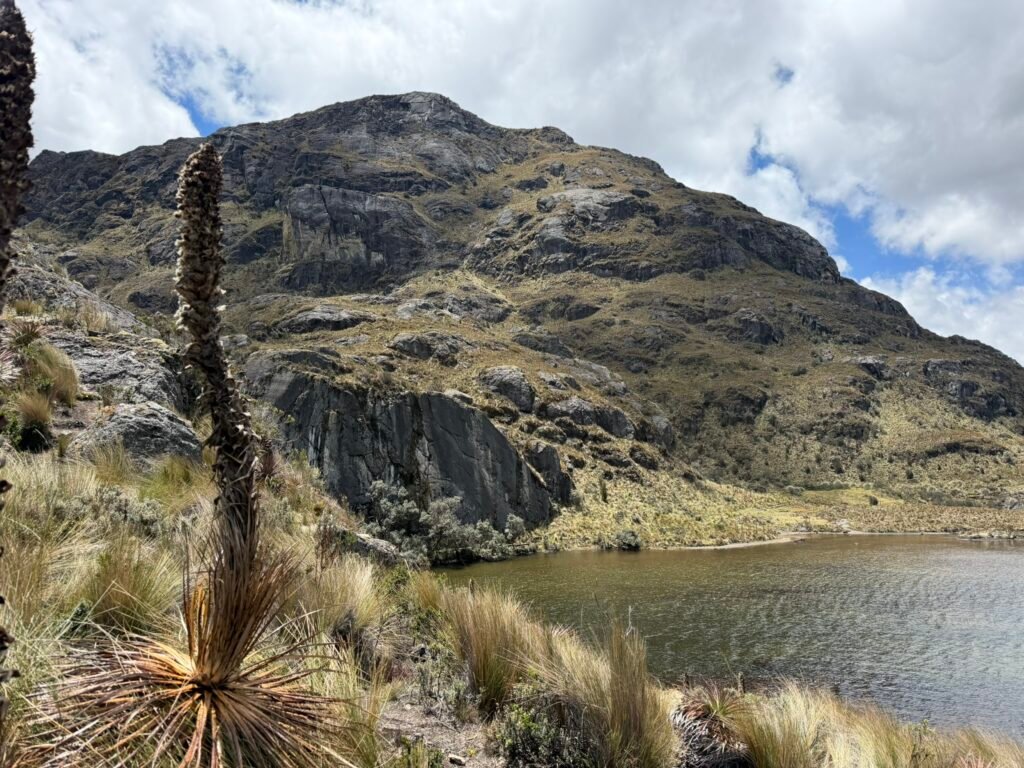
The water was really clear.
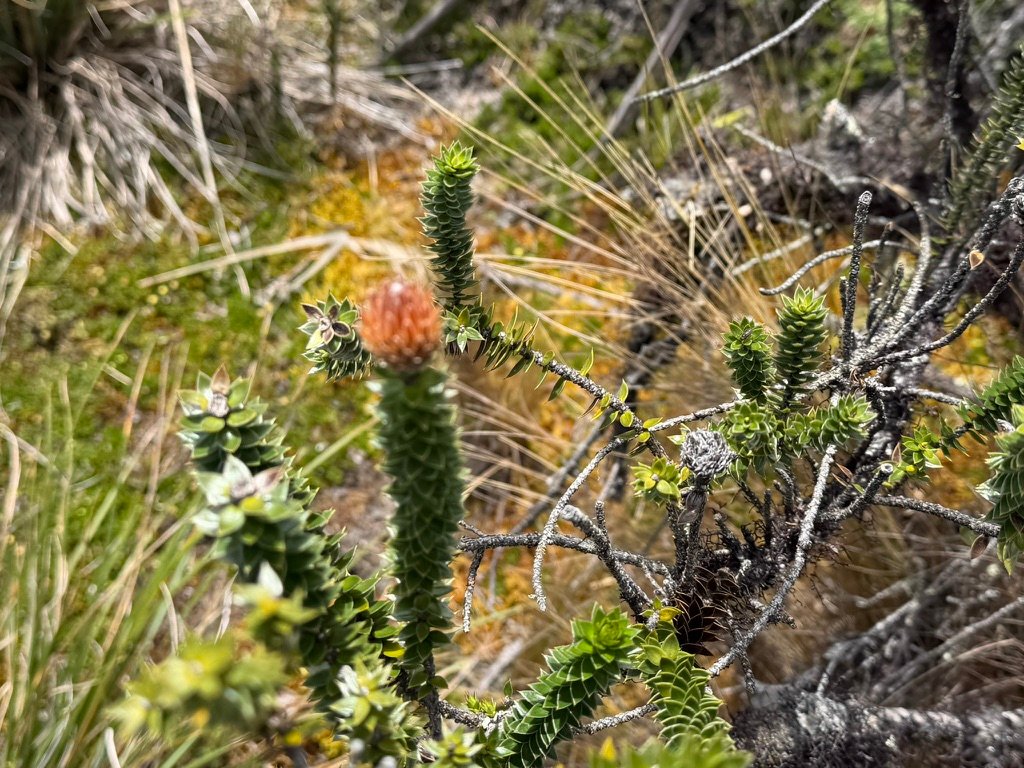
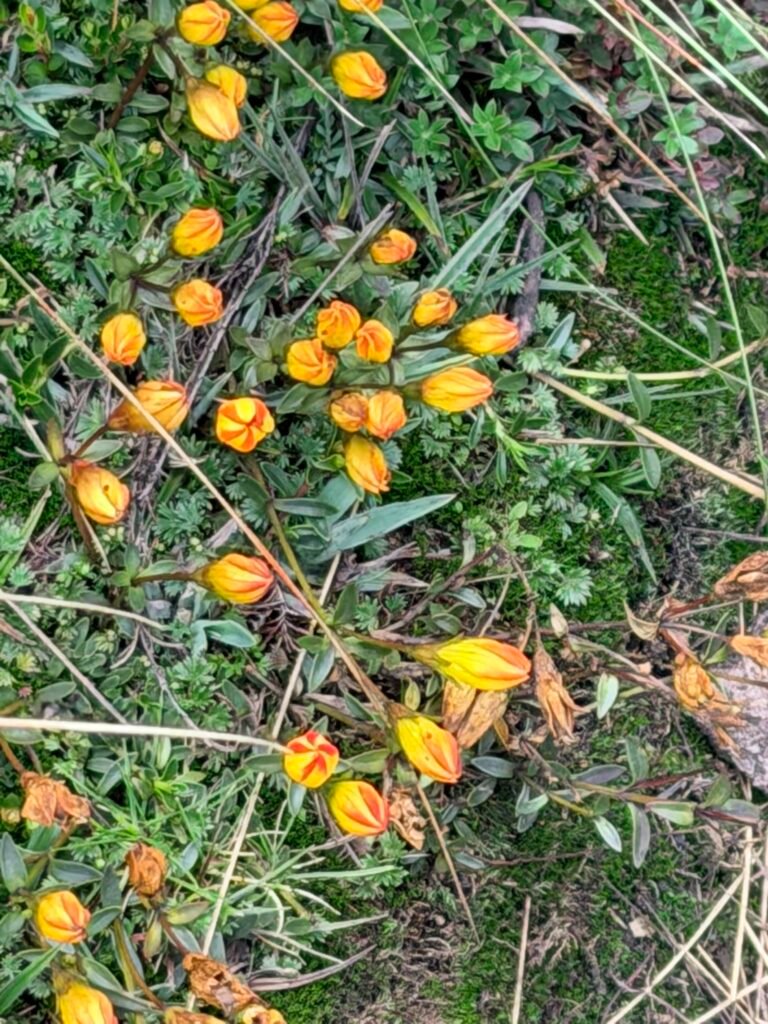
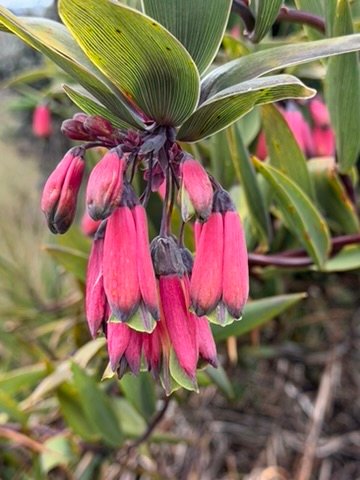
There were little flowers popping up everywhere along the hike. It was like springtime in Minnesota.

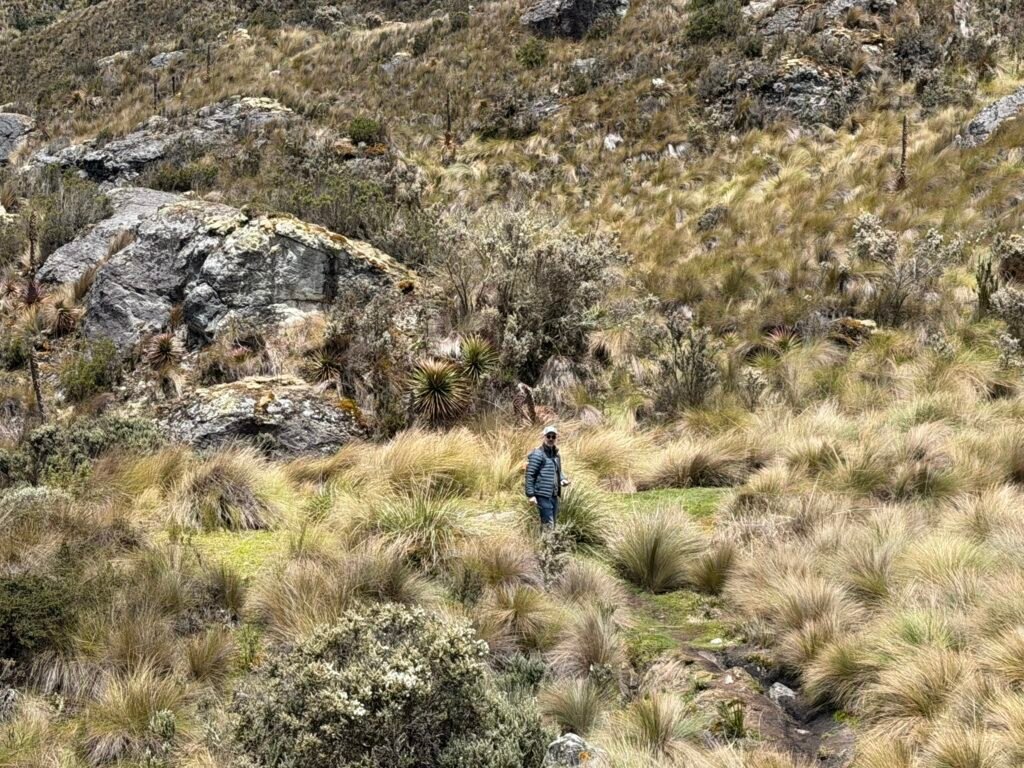
The grass was really cool and whispy.
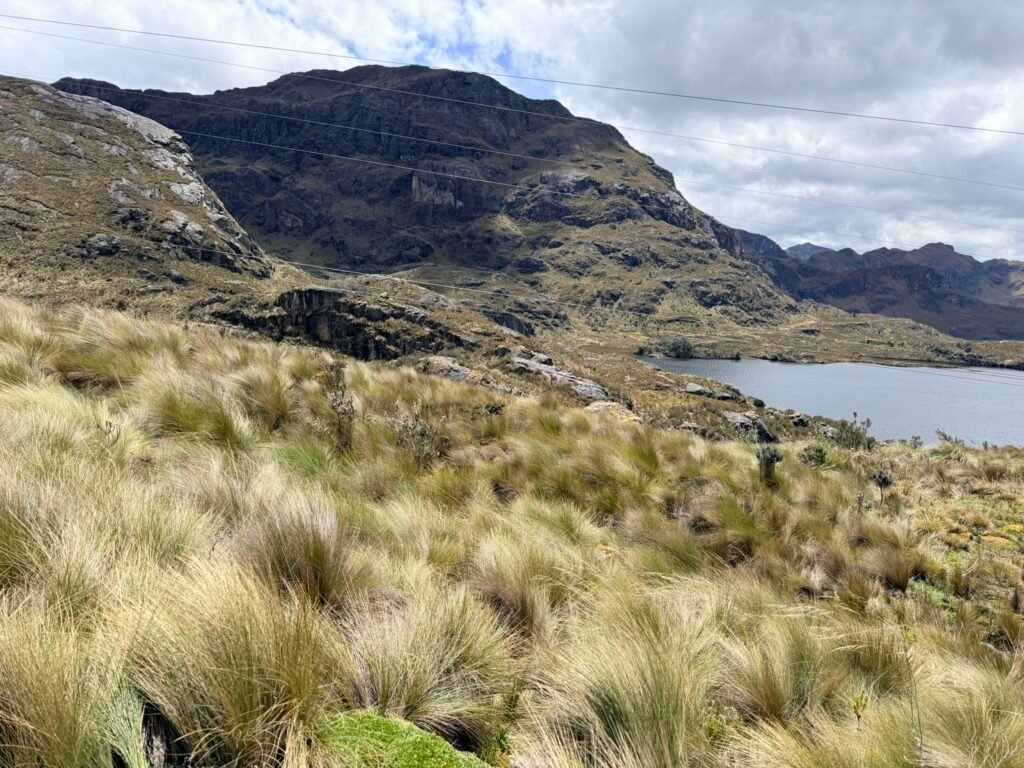
We are on the trail and nowhere near the lake. What the heck?

Casey is having a great time on the hike chatting and laughing with Brie.
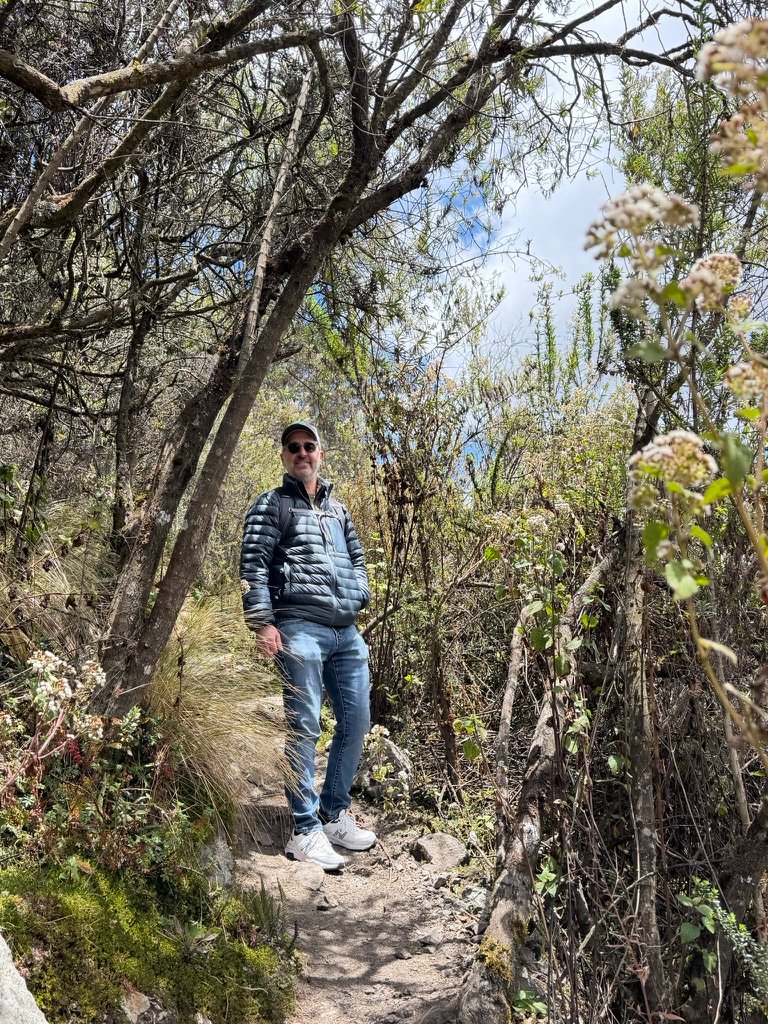
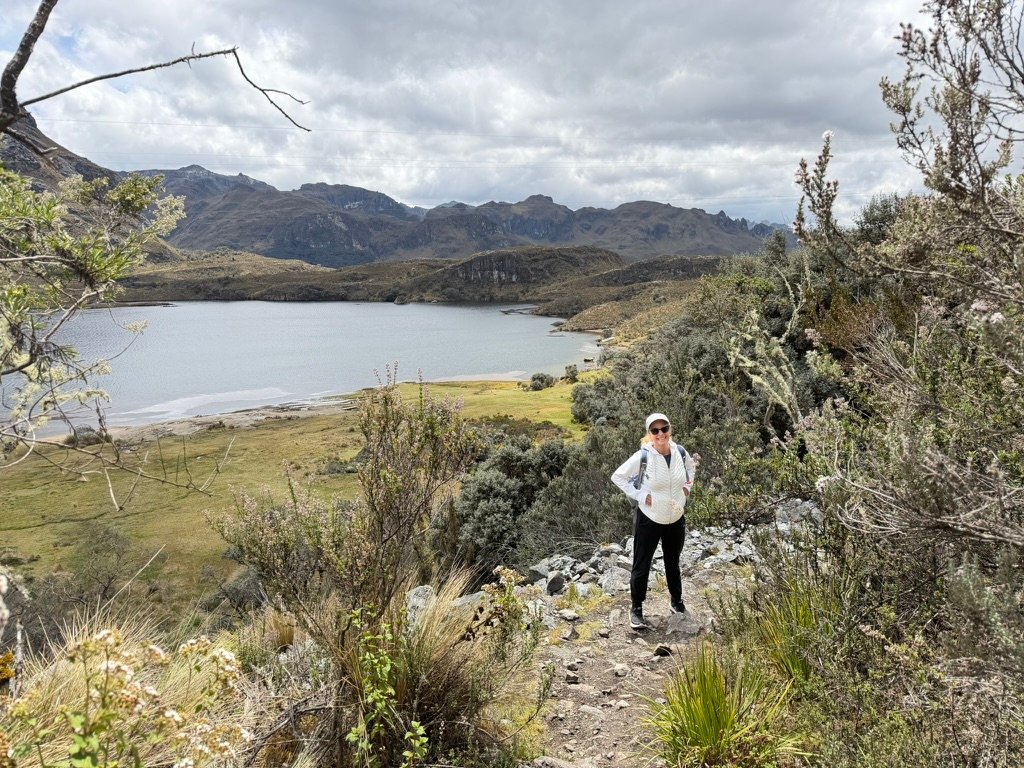
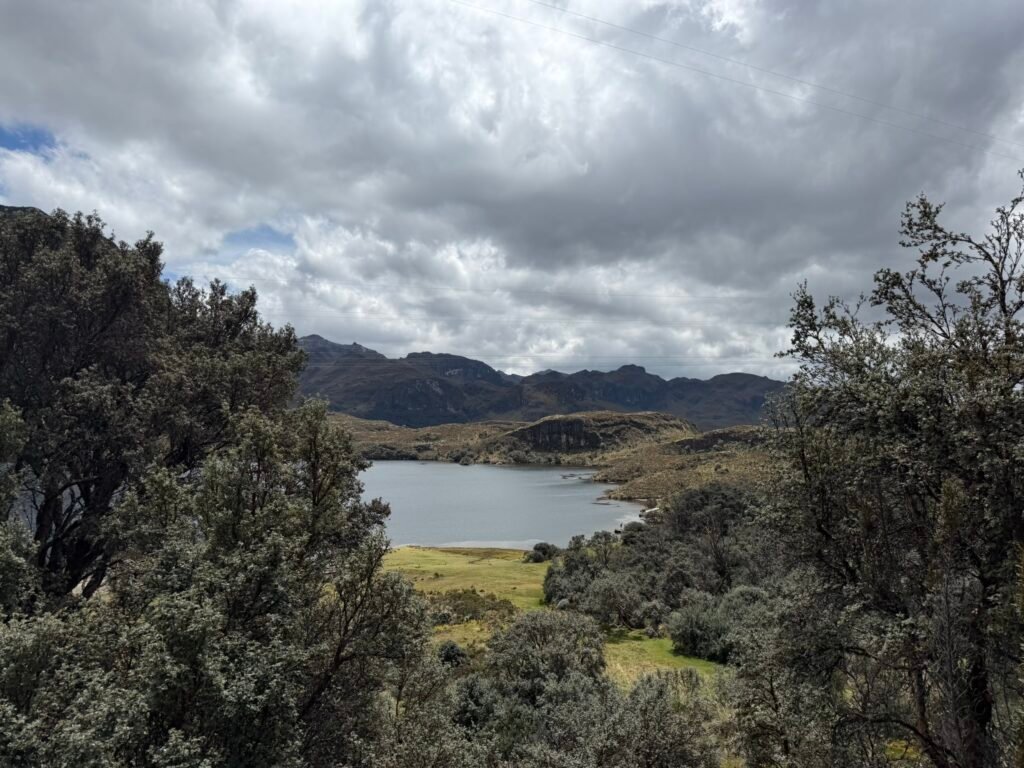
This is Julie at the final trailhead marker. This was the biggest smile she could muster at the end. Shortly after this she curled into a ball in the back of the car and refused to move.

Estancia San Juan Hostería Restaurante
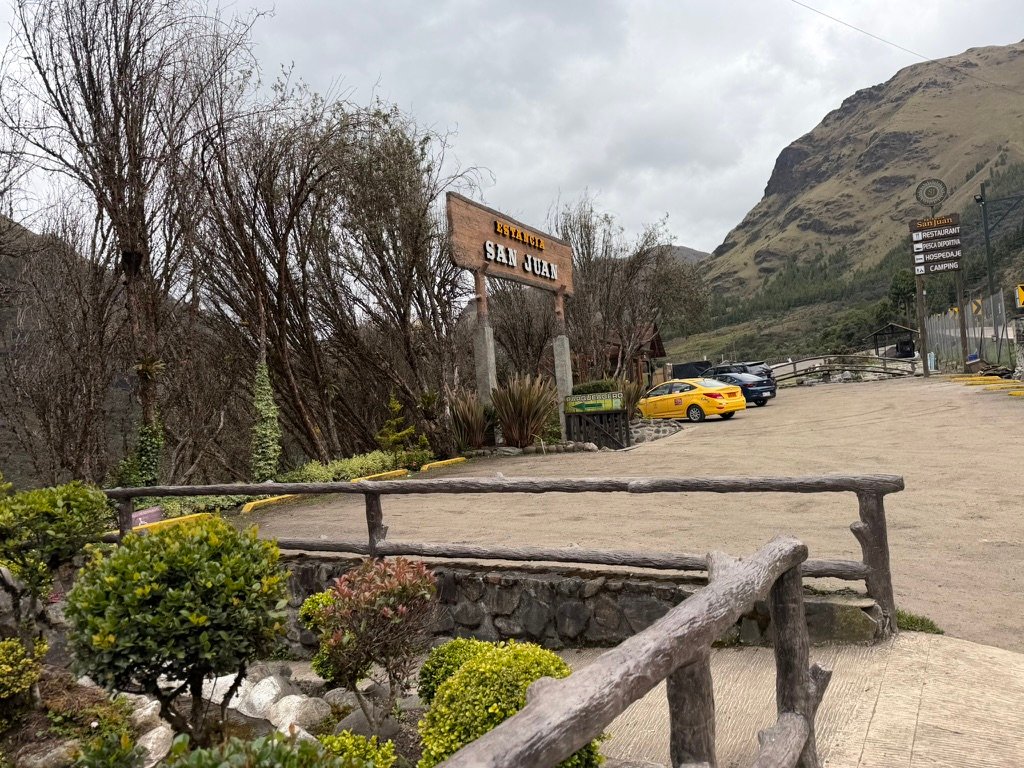
On the way back from the hike, we found a really cool mountain side restaurant called Estancia San Juan Hostería Restaurante to eat at. The view from our table was amazing and the food was traditional Ecuadorian with hot dogs on the side.

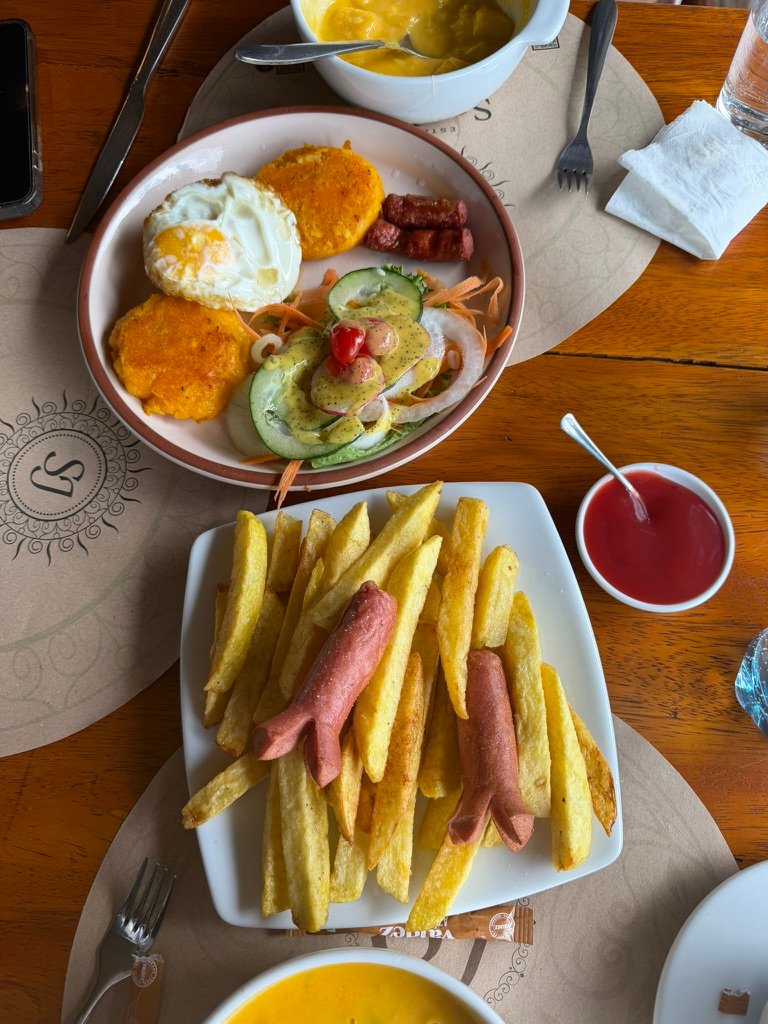
Llapingachos—Ecuadorian potato patties
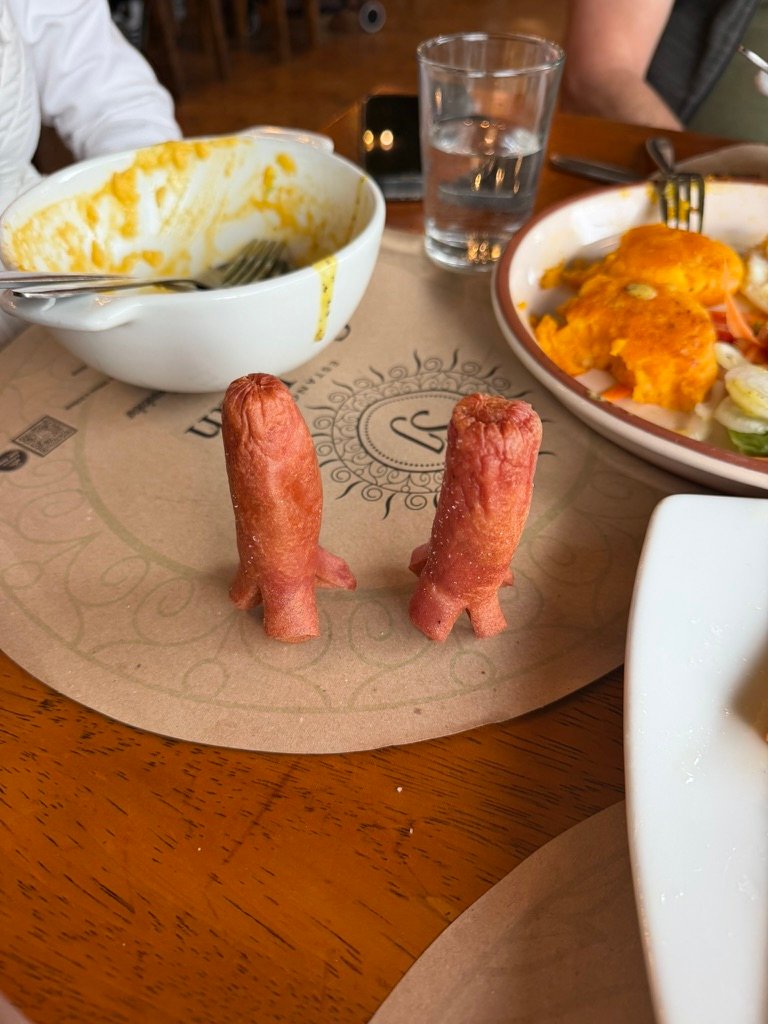
We did not eat these hot dogs (cut into rockets) that came gratis with the french fries.
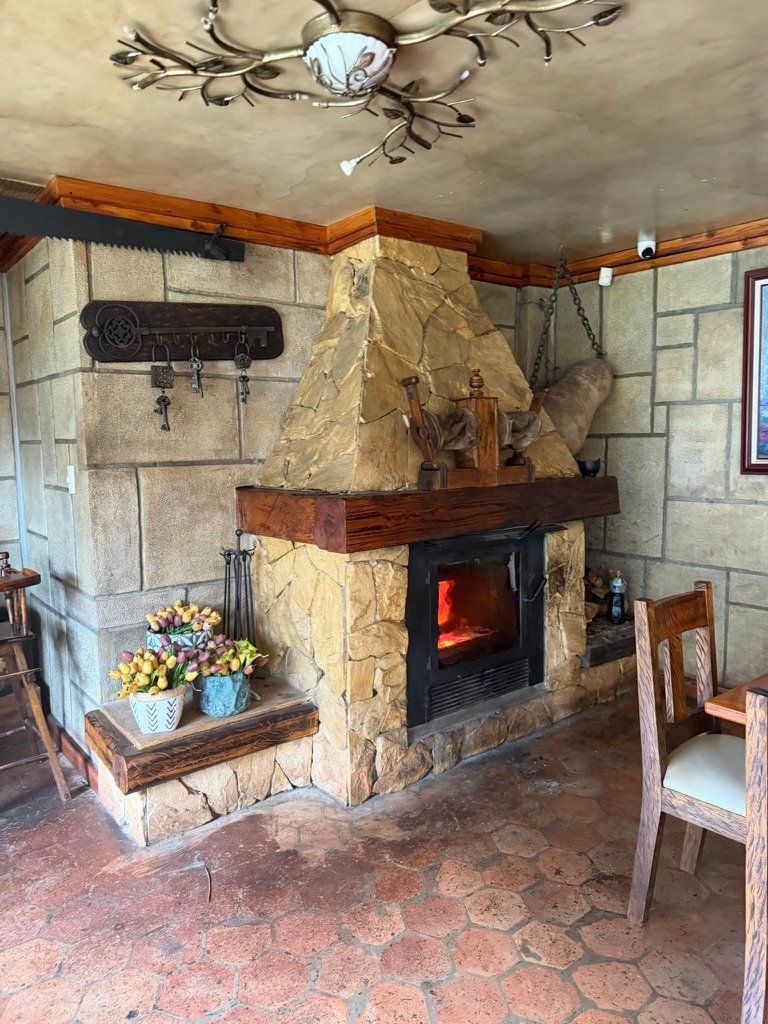
They had a super cool bar that was just downstairs from the restaurant!

Taco Tuesday at Tiki Taco
After the hike Julie used up the last bit of energy she had after a power nap and attended the weekly Taco Tuesday meetup. It is always a good time and each week there are more people to meet.

From left to right (Susan, Brie, Casey and Julie)
Renting a Car for a couple of days for day-trips
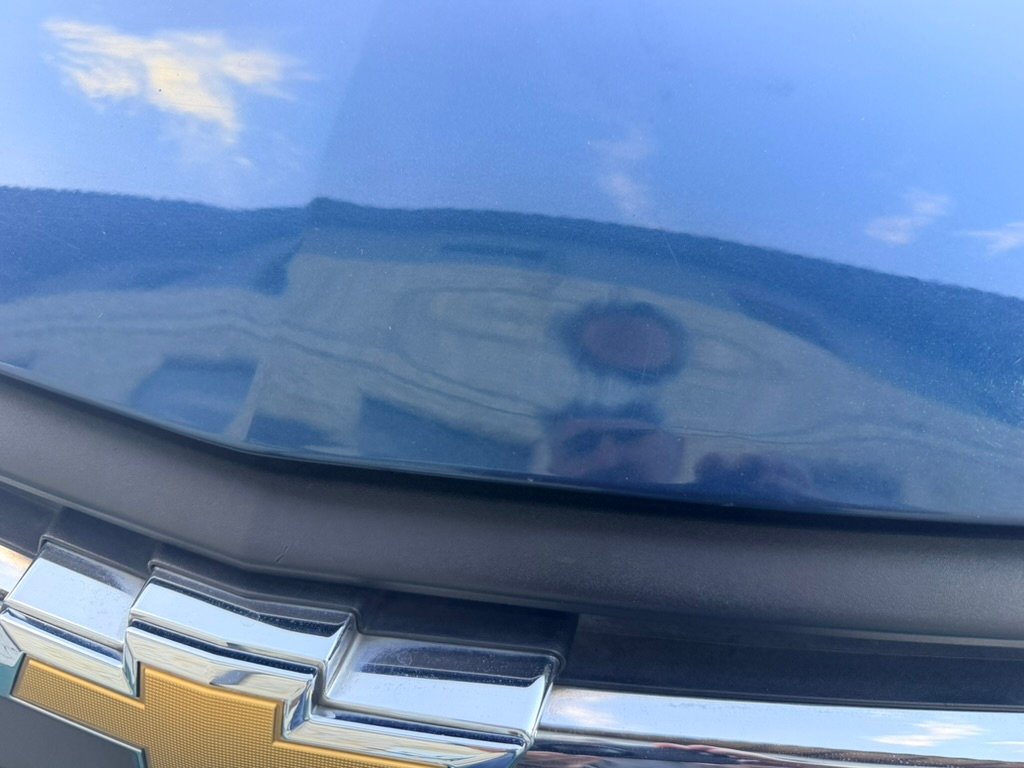
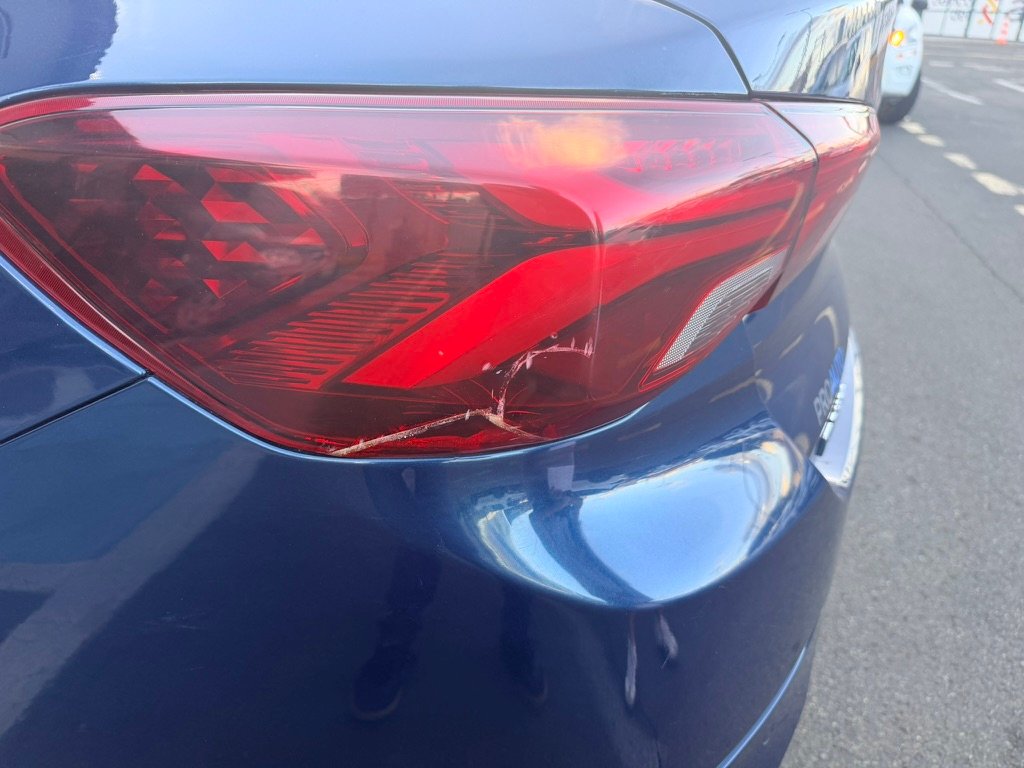
We went to rent a car for a couple of days so we could get out of town for some day drips. The car had lots of scratches and dents when we picked it up. This wasn’t a a huge surprise since many of the drivers here are pretty aggressive.
The representative from the (undisclosed) car rental place took his time to document all of the issues but it was a bit concerning regardless. A couple of days later when we returned the car, the person checking the car in also took his time taking pictures of all of the same pre-existing damage (somehow we managed to get through unscathed). Then he wanted us to sign something after the inspection, but my Spanish was not good enough to understand. What was I agreeing to?! My translation app wasn’t translating either (even though I had downloaded the Spanish language). In the end everything worked out, but it took a while to get through the checkin process.

The Sunflower Lanyard Program
While we were at the airport, Julie was thrilled to see that the Cuenca airport, the small airport that it is, supports the Sunflower lanyard program. The Sunflower lanyard program is a global initiative that lets people discreetly signal they have a non-visable or hidden disability and may need extra time, patience, or assistance. We went to the airport to rent a car for a few days for a couple of road trips outside of Cuenca.

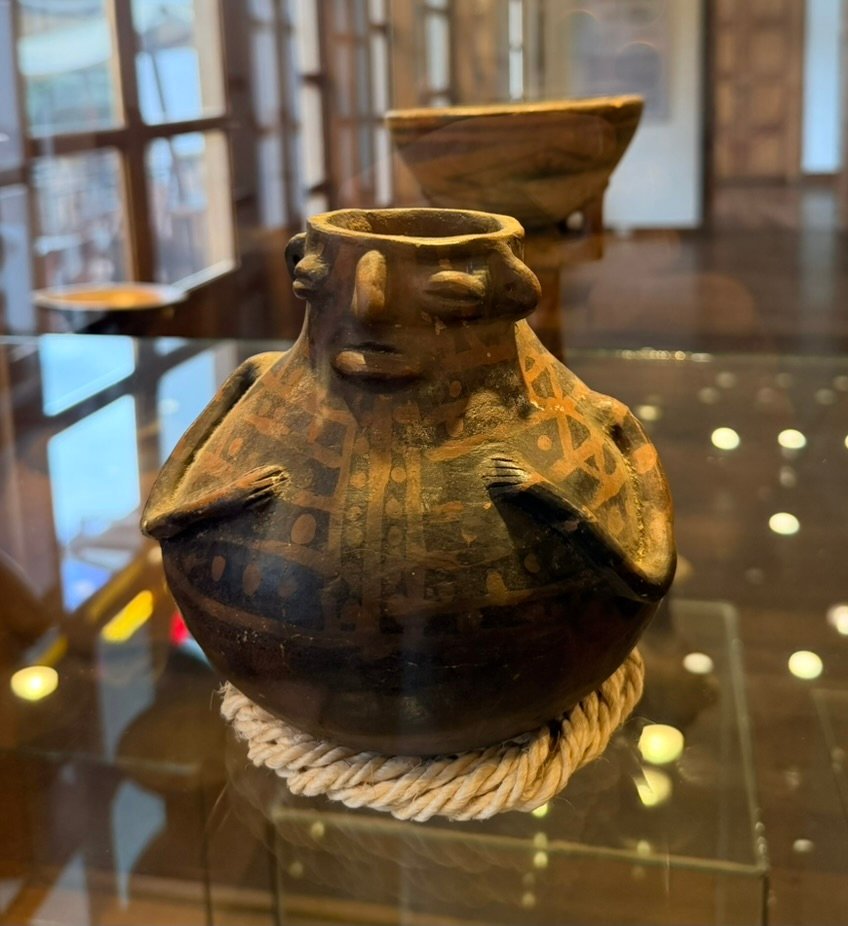
Museo Municipal Remigio Crespo Toral
This museum had history of the city and some artifacts and pottery.
A walk in a new neighborhood and Thai food




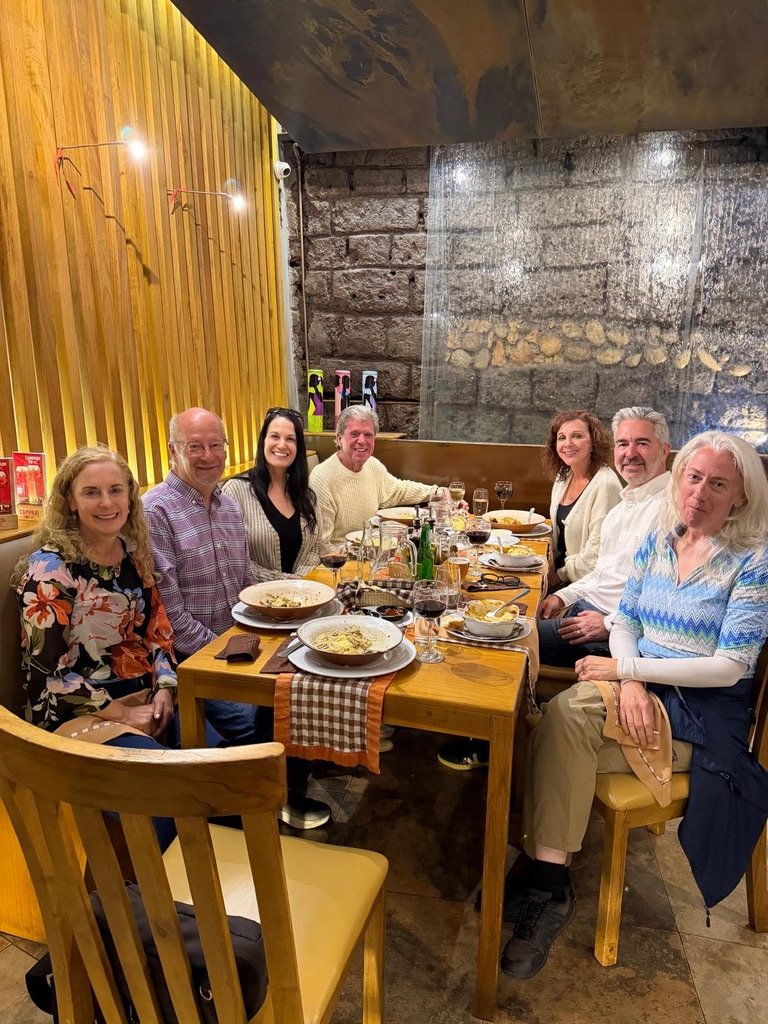
Restaurante Mangiare Bene
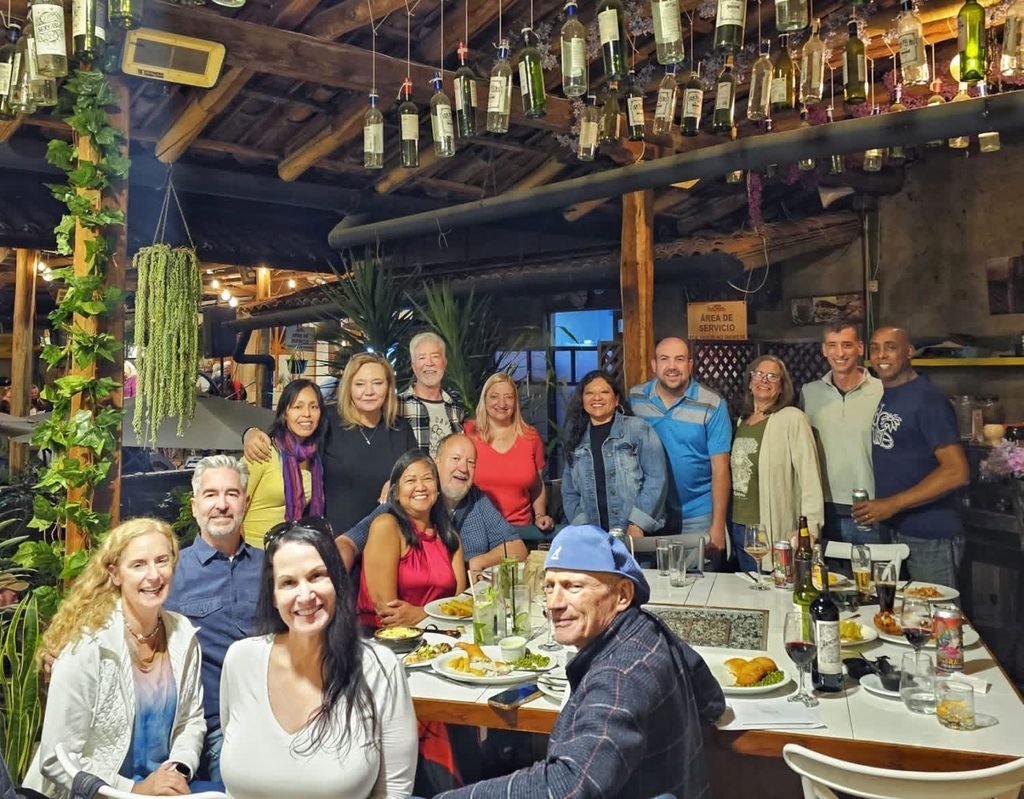
We are making lots of nice friends in Cuenca. We joined several expat groups. By joining these groups we found out about several meet-ups happening in town and made friends. Our friend Brie organized this dinner at an Italian place called Restaurante Mangiare Bene. We were happy to be included for the evening. From left to right: Julie, Rick, Brie, Jim, Laurie, Casey and Susan.
What could go wrong?
What the heck is happening here? These are not power lines. After doing some research we discovered they are either phone lines, cable lines or fiber optic cables. Some of the older lines are abandoned and that is why there are so many of them. I would love to meet the very first person who decided to lean his ladder against the lines though.

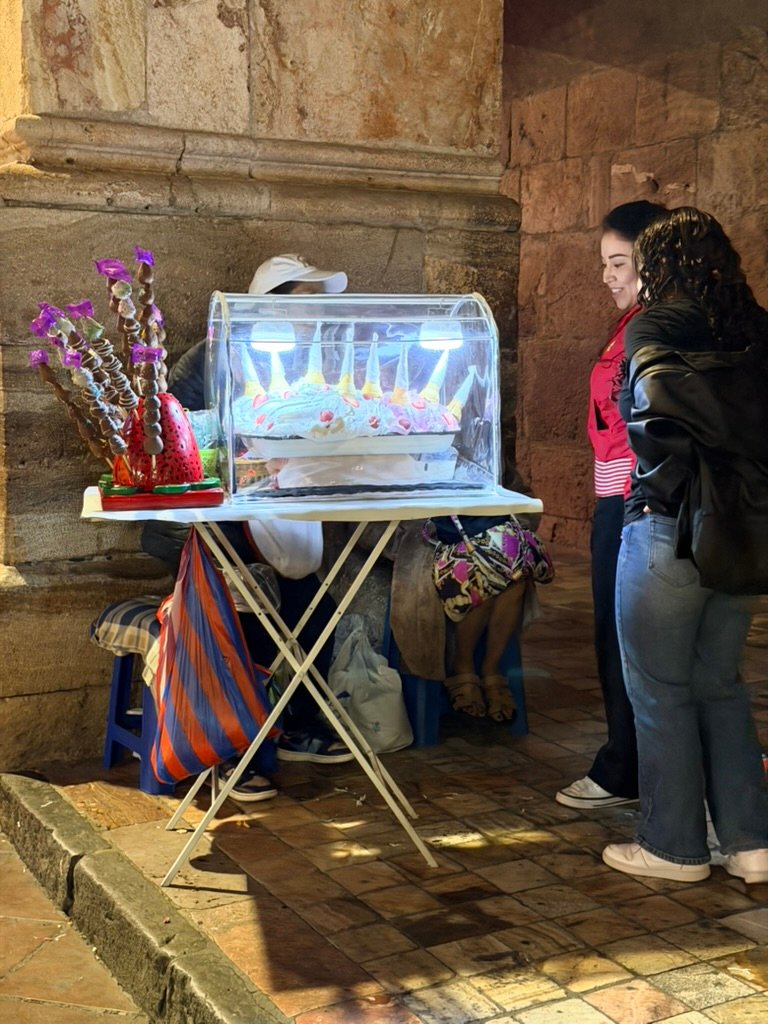
Espumilla – Street-food meringue
This looks like ice cream but it isn’t. It is called espumilla and it is actually ice cream cones on top of meringue. We were told the cones can be a bit stale thought. We are a little afraid to try it.
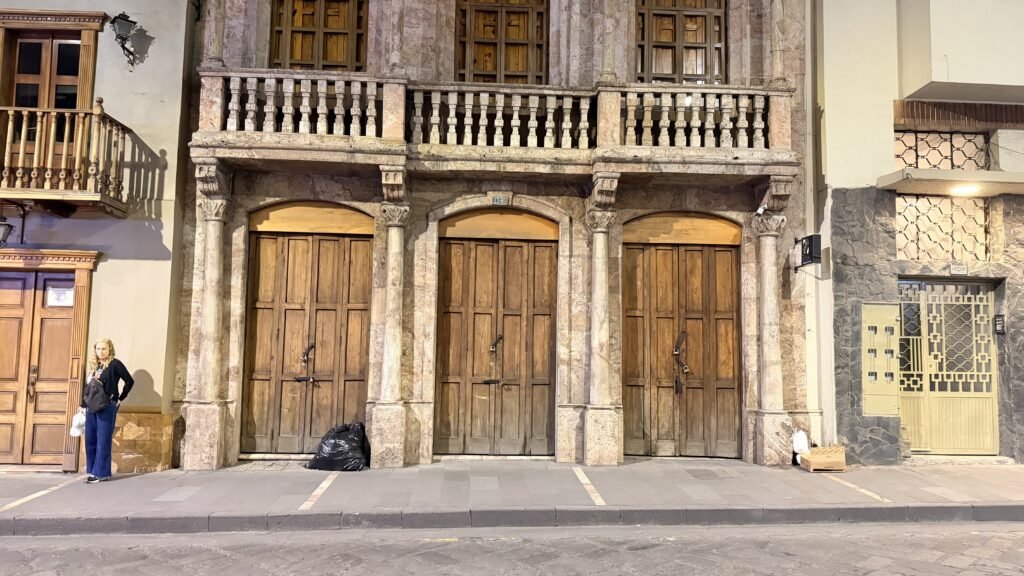
Municipal Museum of Modern Art
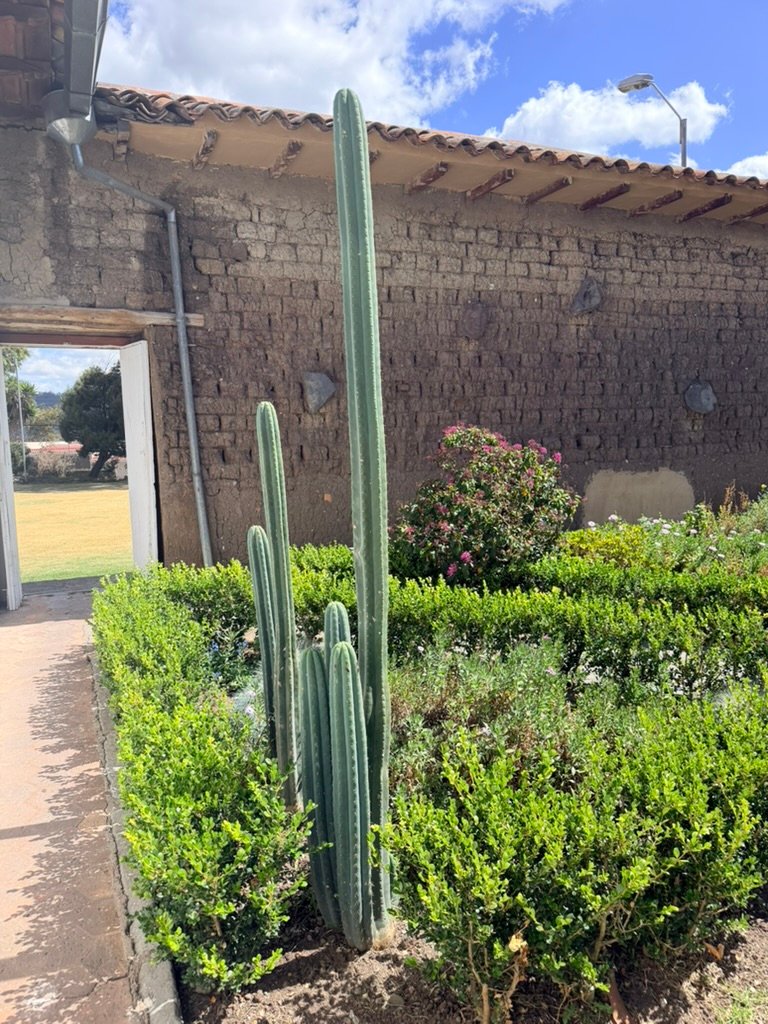
The sculpture garden at the Municipal Museum of Modern Art.

Blue skies from our small balcony
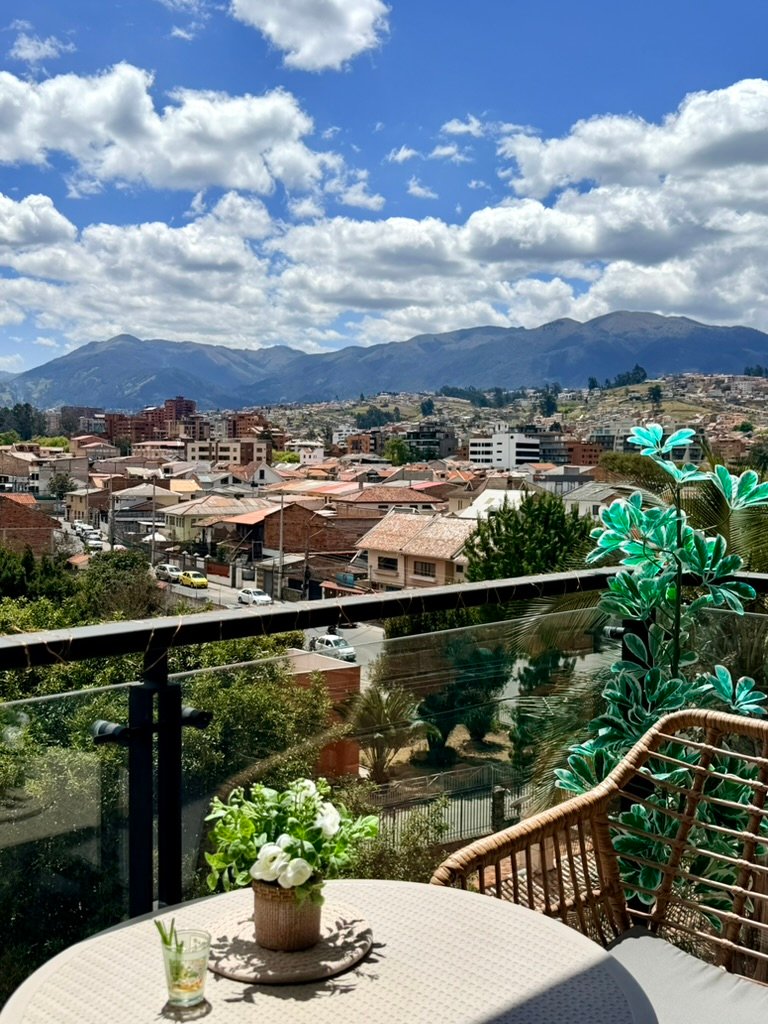
If you aim the camera just a little bit more to the west,you can see a shopping mall. Not as pretty as the view to the north. Julie enjoys watching the clouds over the mountains. This was a sunny day. Some days we wake up and can’t see the mountains.
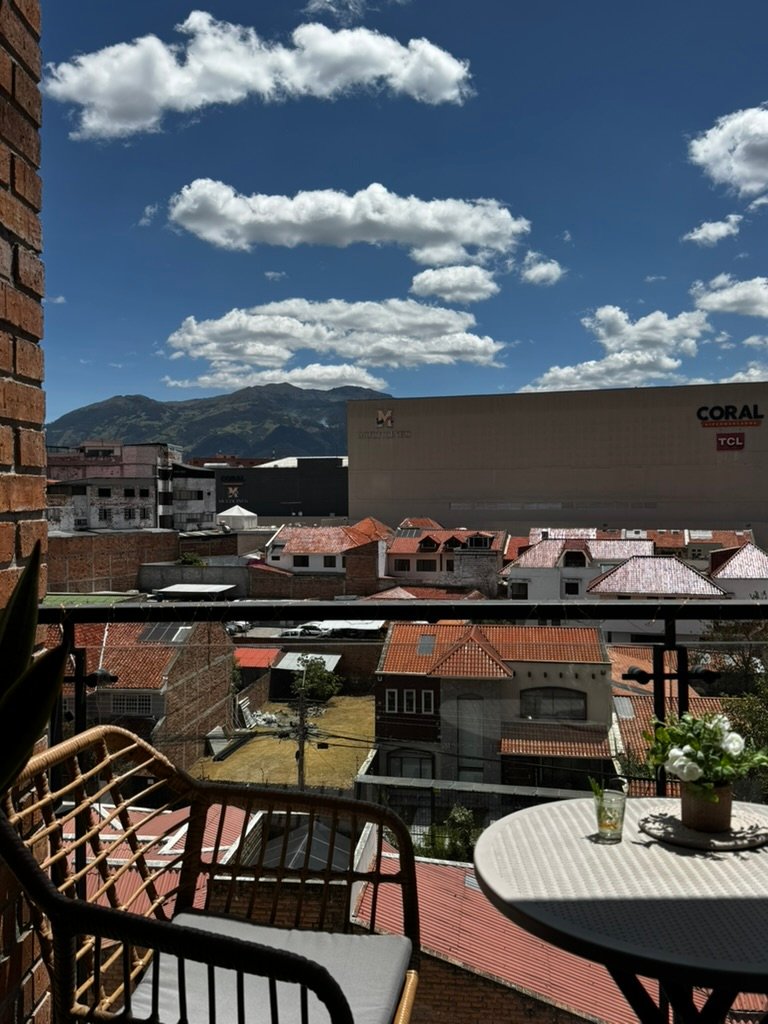
Here is another picture from our balcony. This time we included the large shopping mall that is a few blocks away. Cuenca is growing fast. People from Quito and Guayaquil here for nicer and safer digs. There is construction everywhere. If you were to buy a place thinking that you have a fantastic view, that could change very quickly. In this case, the shopping mall was there before we arrived.
A chamber concert in the Museo Pumapungo
John, who we met on the hop-on hop-off bus invited us to a small concert in the entryway of the Museo Pumapungo. The players are members of the symphony. Mistakes were made. Some of the performers were better than others.

Walking around Cuenca
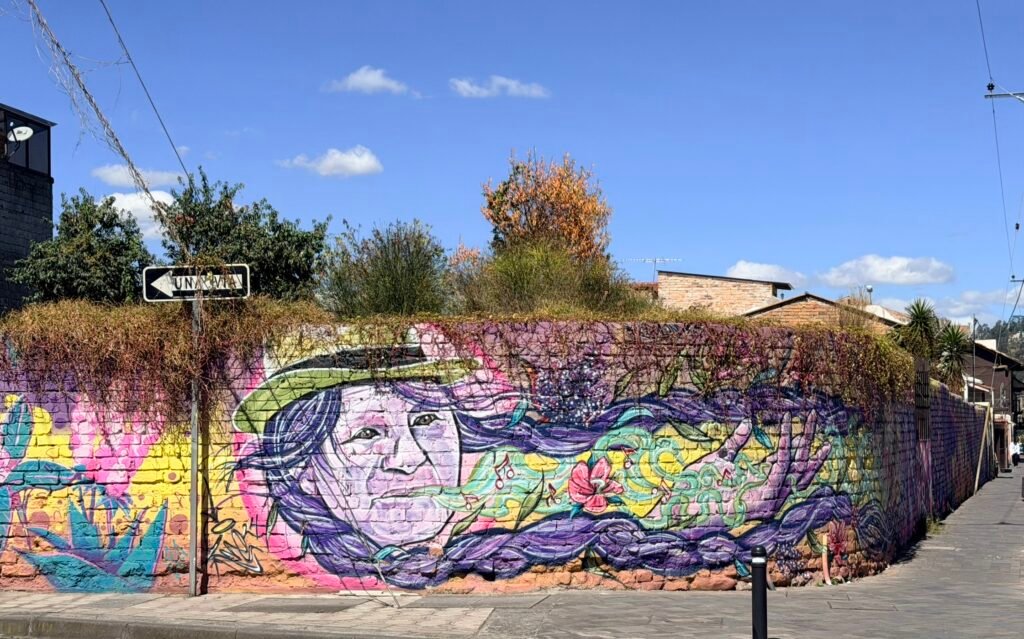
There are a lot of these Pink Lapacho trees around town.

Paradise Indian Restaurant
We went out for Indian food and discovered that we had wandered into Amelia and JP’s favorite Indian restaurant in Cuenca: Paradise Indian Restaurant.
Amelia and JP are slow travelers who lived in Cuenca for several years. They have a YouTube channel and their own website, and Julie and I followed them before we left the United States to travel. They strike us as exceptionally genuine people and have provided a remarkable amount of practical information and encouragement for those considering leaving the U.S. to slow-travel abroad.
In at least a couple of their Cuenca videos, they mentioned their favorite Indian restaurant. By pure coincidence, Julie and I stumbled upon it. While we were at our table, we began talking about Amelia and JP, and our server overheard us. She confirmed that this was indeed the restaurant they used to frequent when they lived in town. She and her husband are the proprietors, and she told us that Amelia and JP even attended their wedding in India and showed us pictures!
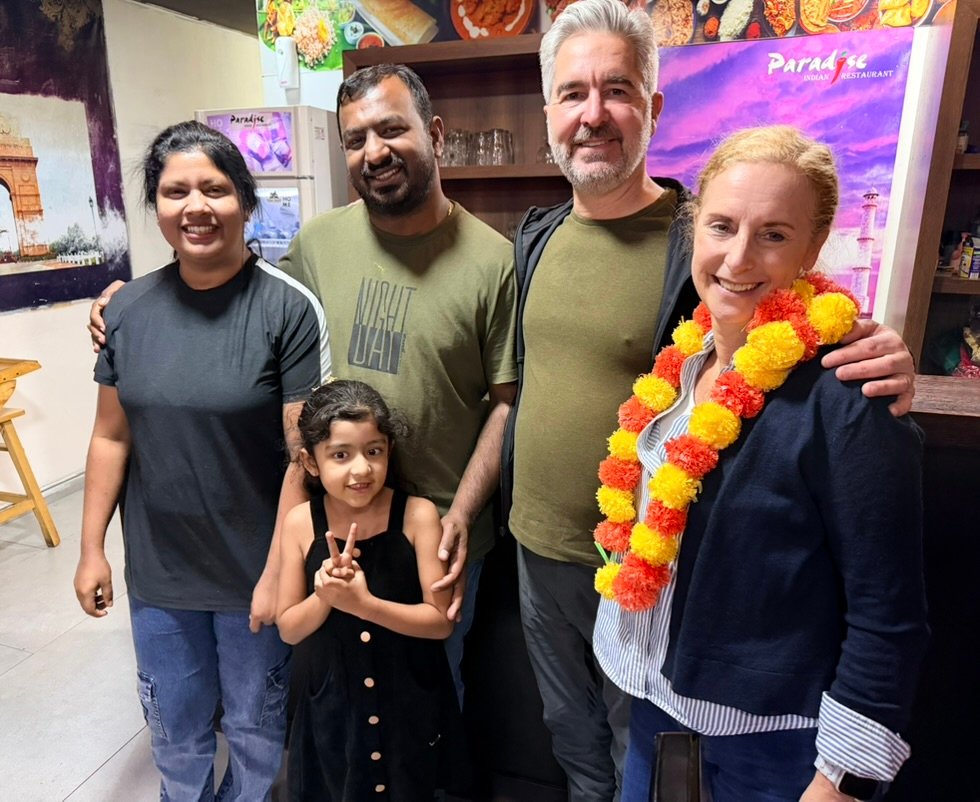
The food was very good, and the connection made the evening even more memorable. We are planning to meet up with a group traveling with Amelia and JP in Querétaro, Mexico, this November. We asked the owners if we could take a photo with them to share with Amelia and JP, and they were delighted to do it. Their daughter was hilarious, too. She made her way from table to table, asking the diners questions about anything that came to her mind. So adorable!
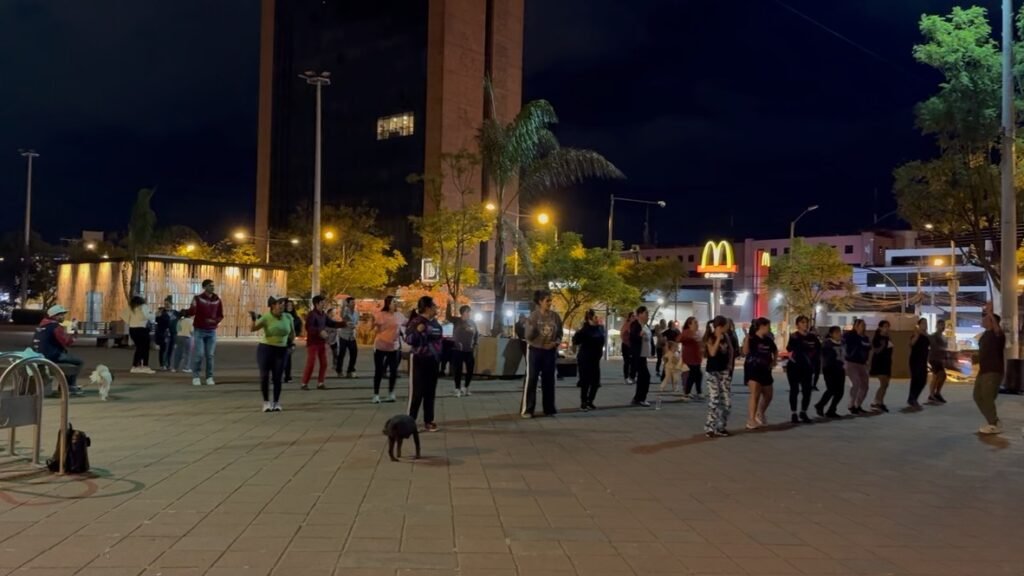
A bunch of folks exercising in La Parque de la Madre across from the Paradise Indian Restaurant.
Peeps
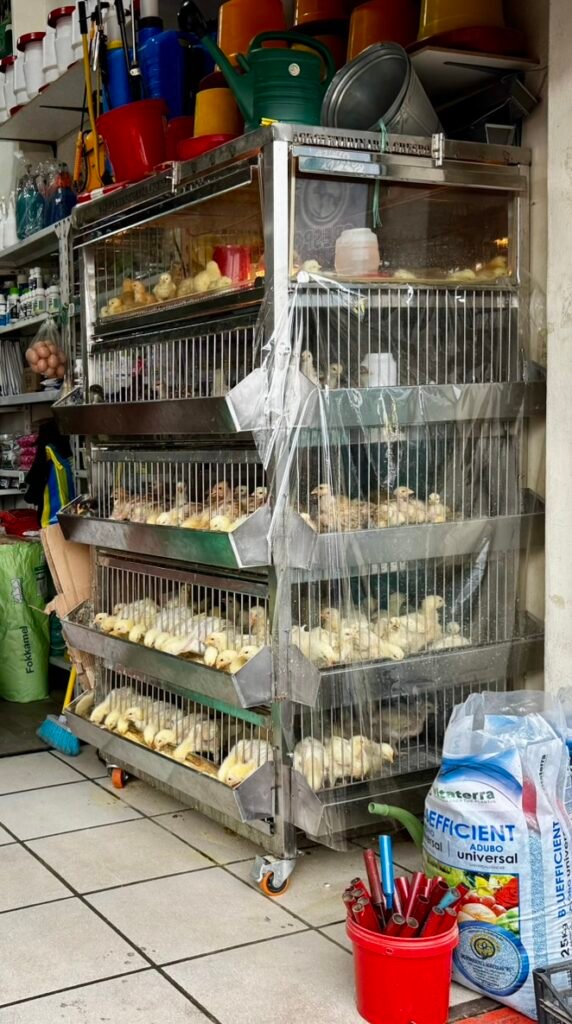
We saw these chicks across from the Mercado el Arenal. This is a few blocks east of our Airbnb.
The hop-on hop-off bus
A new friend named Val invited Julie and I, as well as her friend John, to go on a hop-on hop-off bus. The route covered the historic center and places such as San Sebastián, El Vado, Calle Larga, Pumapungo, and the Mirador de Turi. Mirador de Turi is Cuenca’s classic hilltop vista with a small parish on the southern slope above the city, roughly 4 km from the center. We got some great pictures!


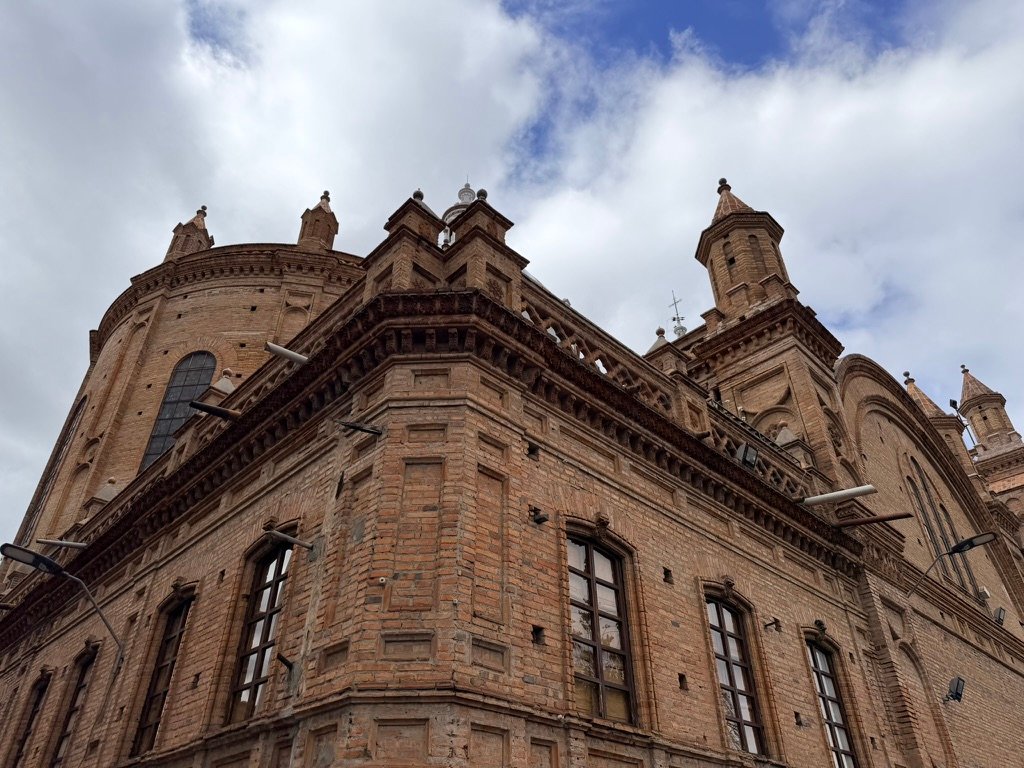
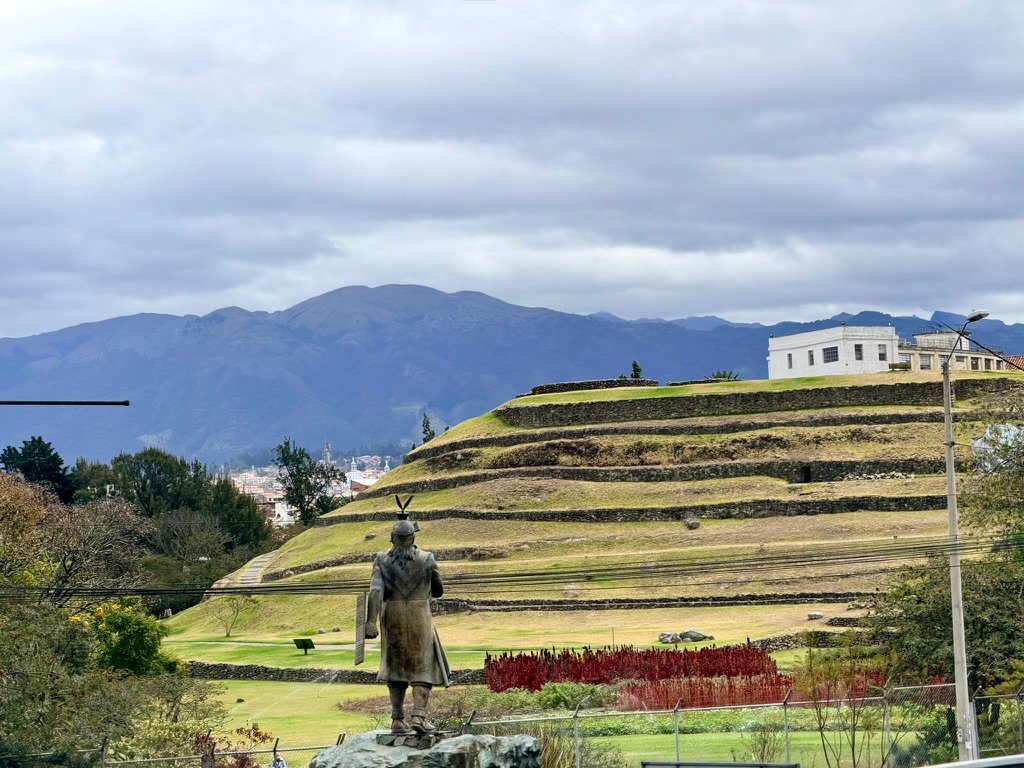
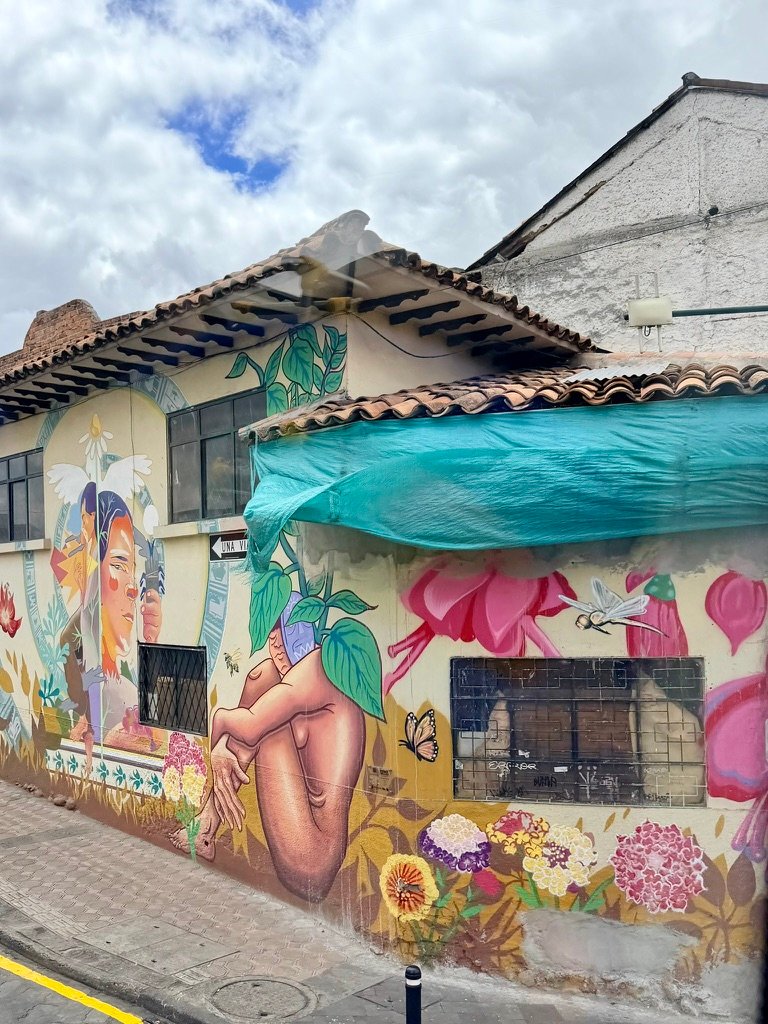
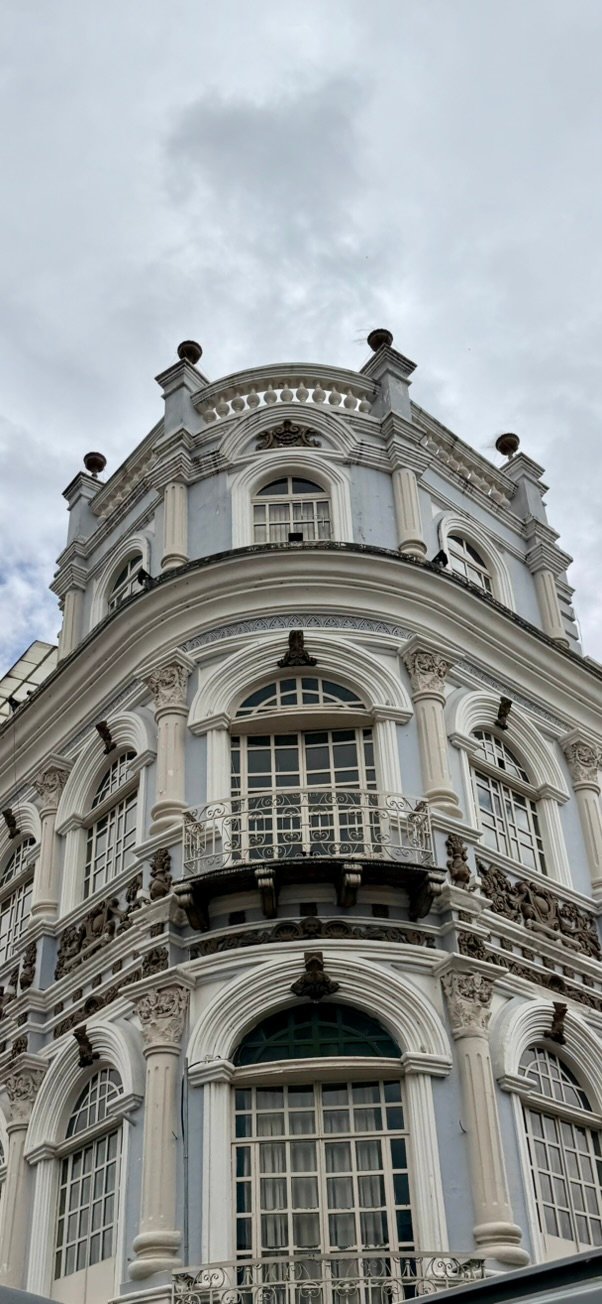
Mirador de Turi
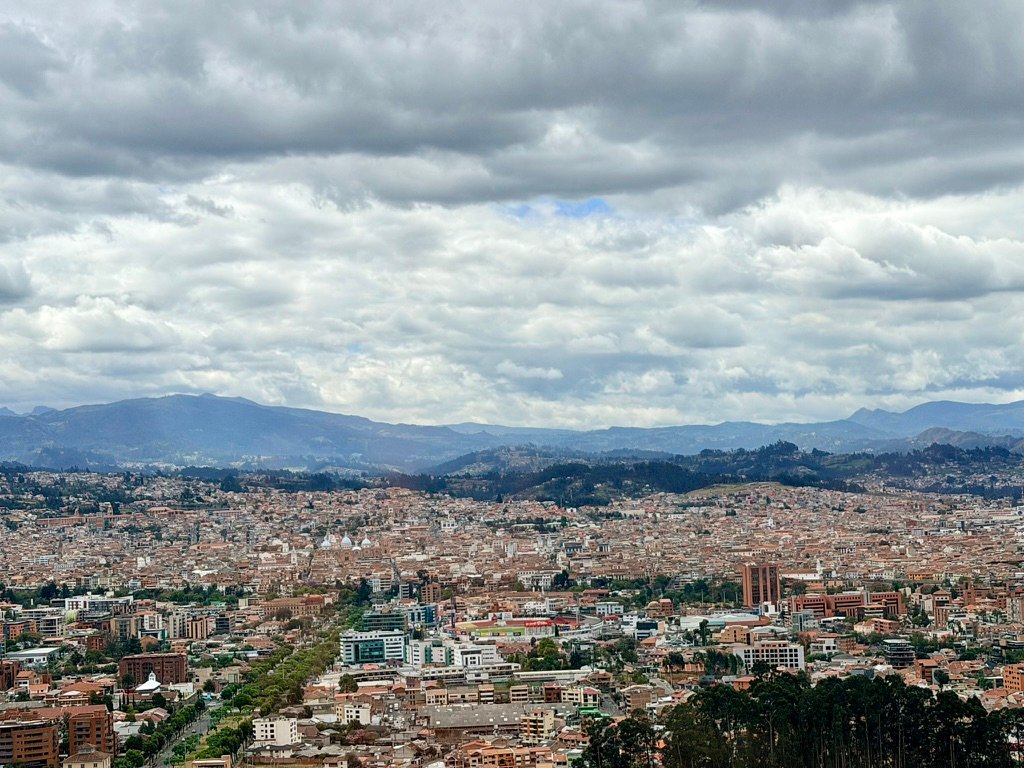
Turi is the hilltop parish just south of Cuenca, best known for the Mirador de Turi, the city’s classic panoramic viewpoint. From there, Cuenca lies below you across the broad Andean basin—an especially good perspective for understanding how the historic center, rivers, newer districts, and surrounding mountains fit together.

You don’t really realize how large Cuenca is until you see it from above. This is just a small portion of the city and outskirts in the distance.

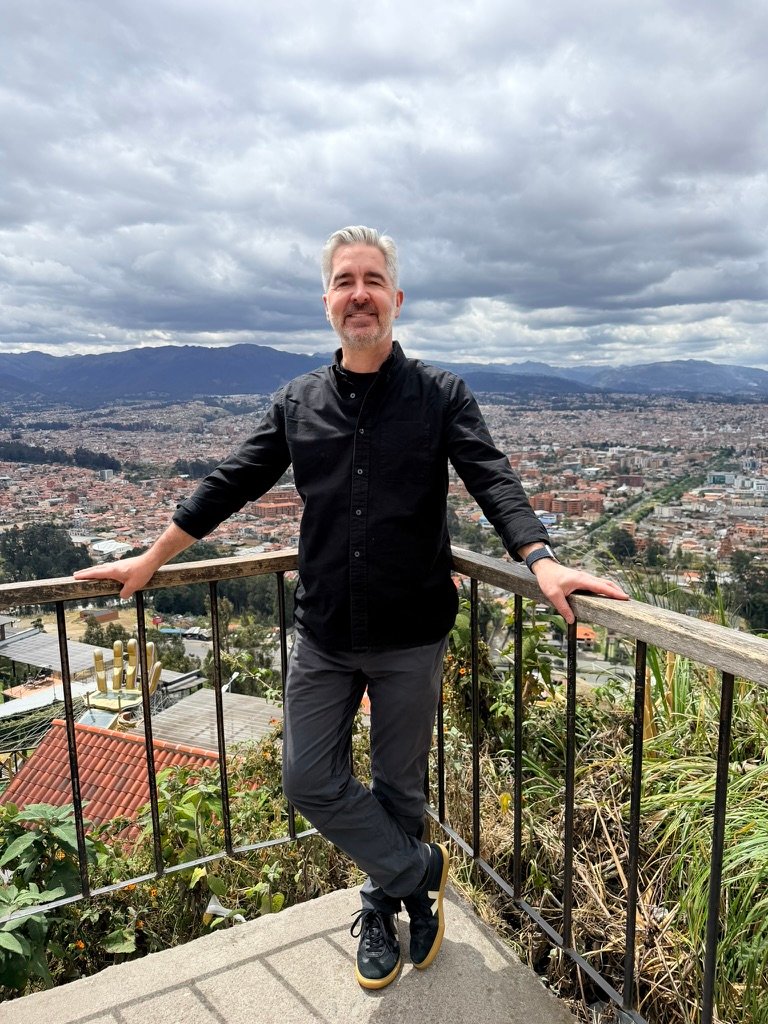
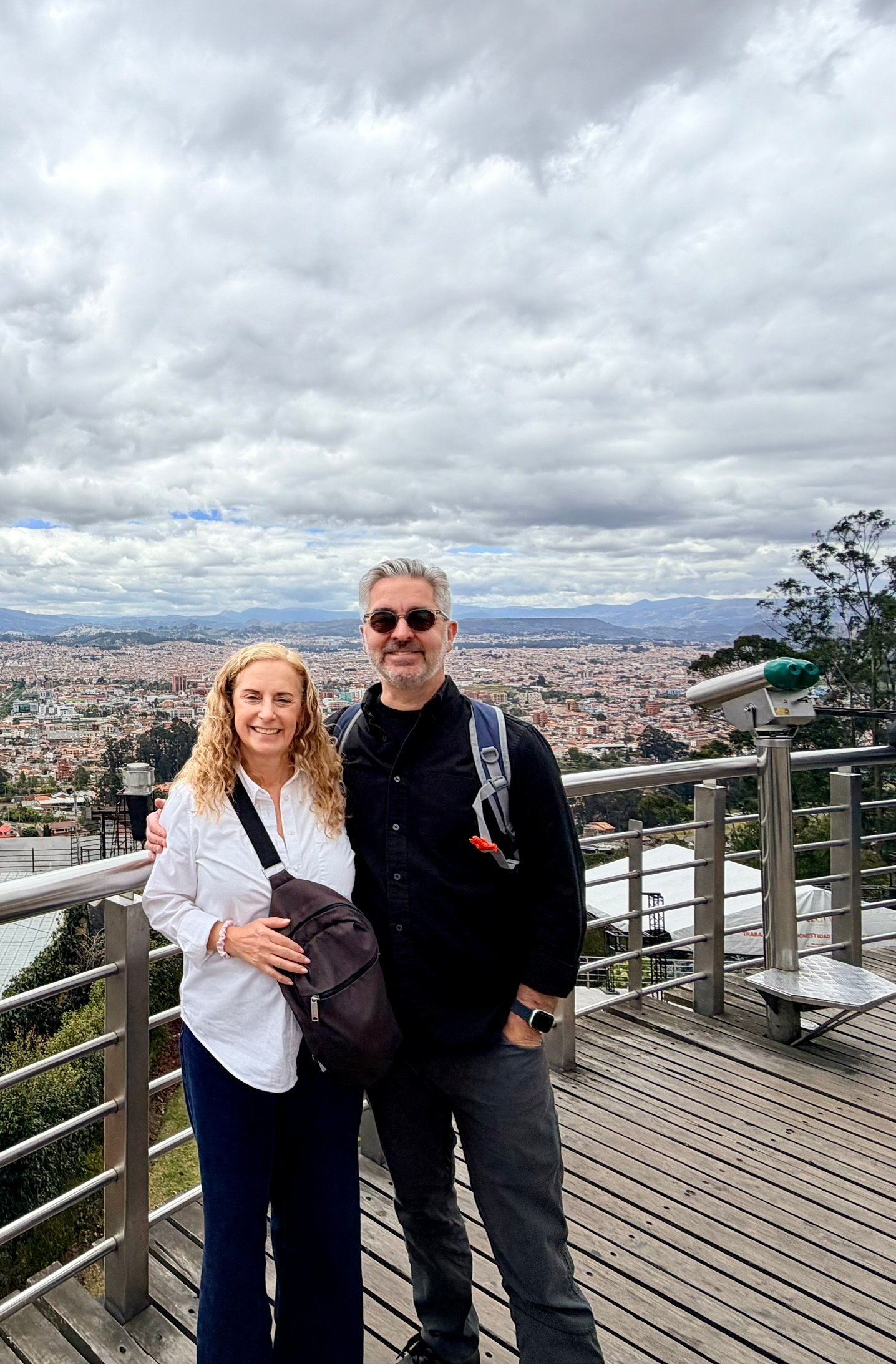
Our friend Val and Julie admiring the view.

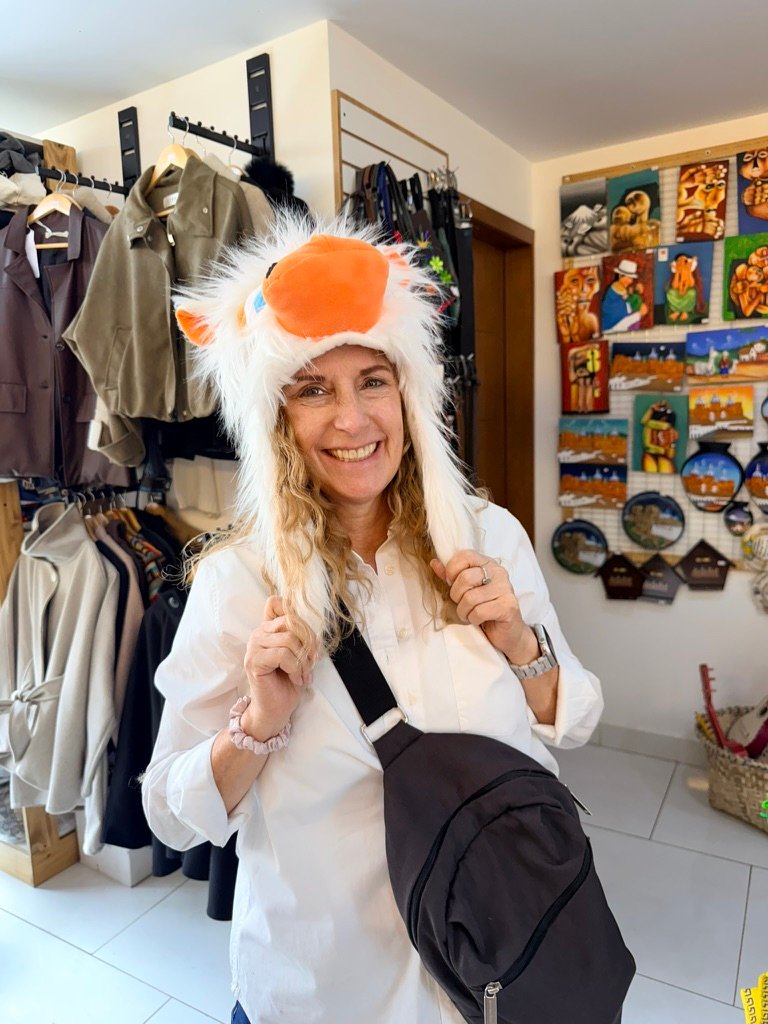
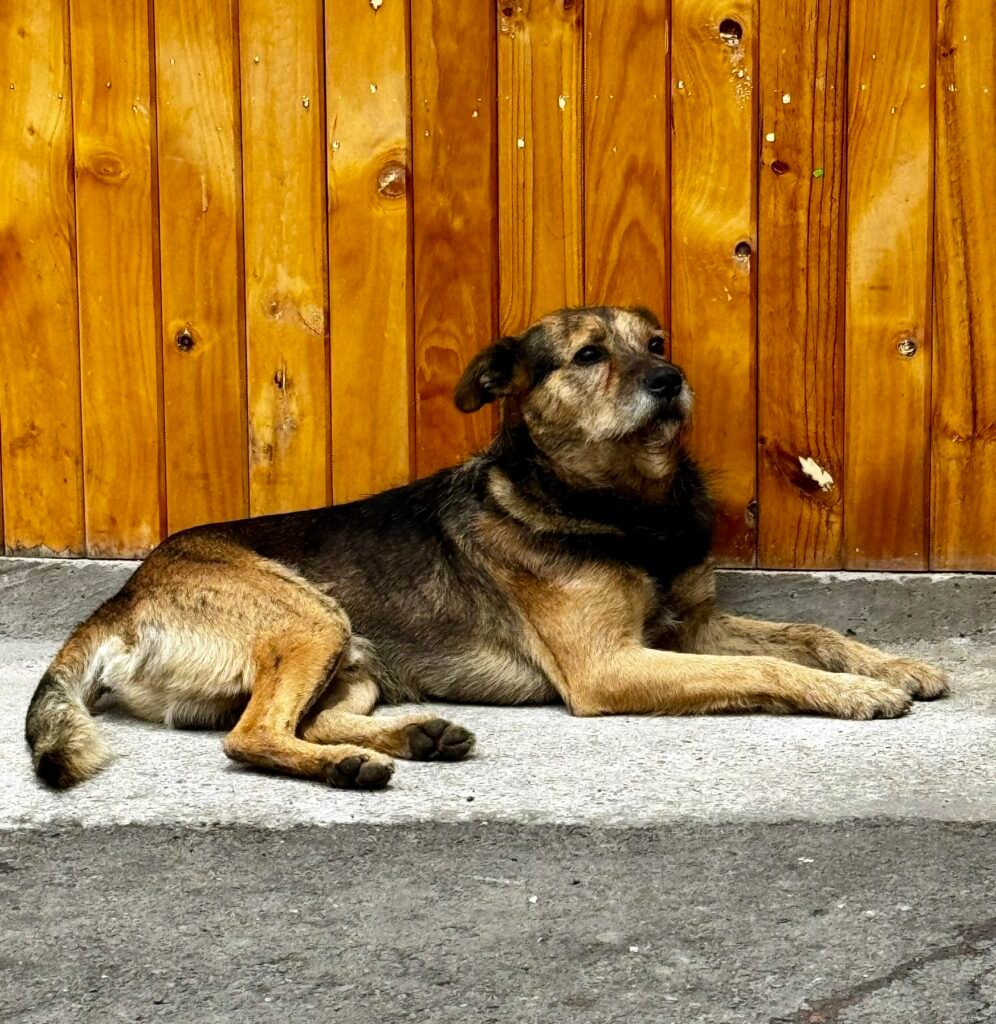
He was a good boy. He came to say high to us. Very sweet.
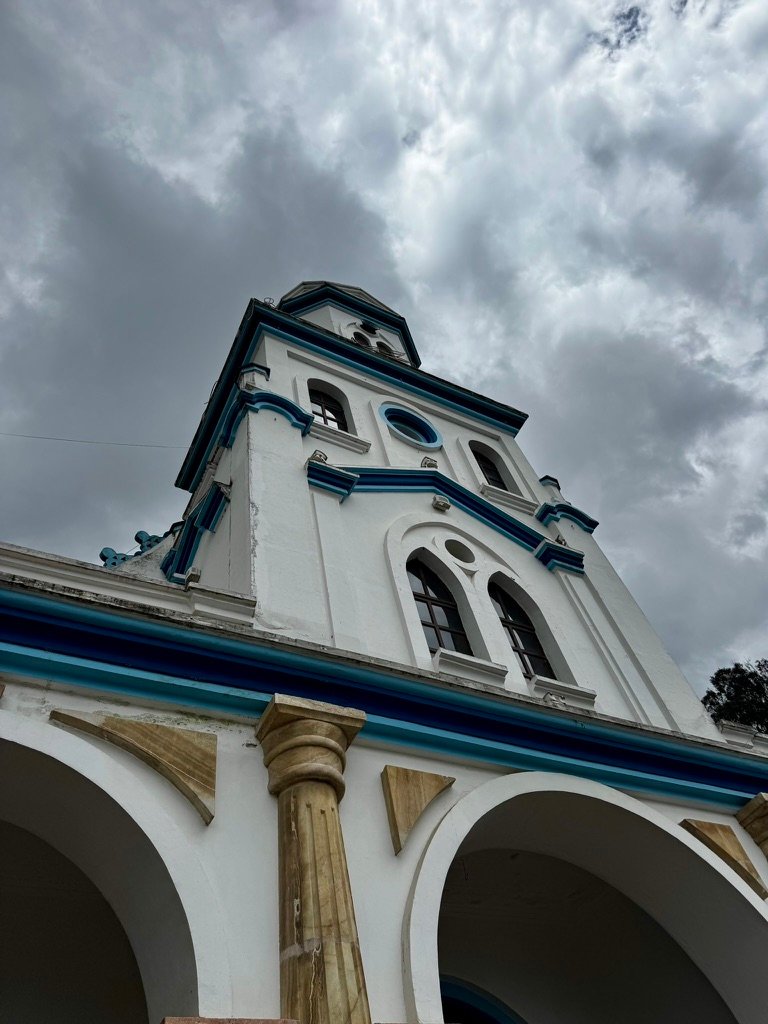
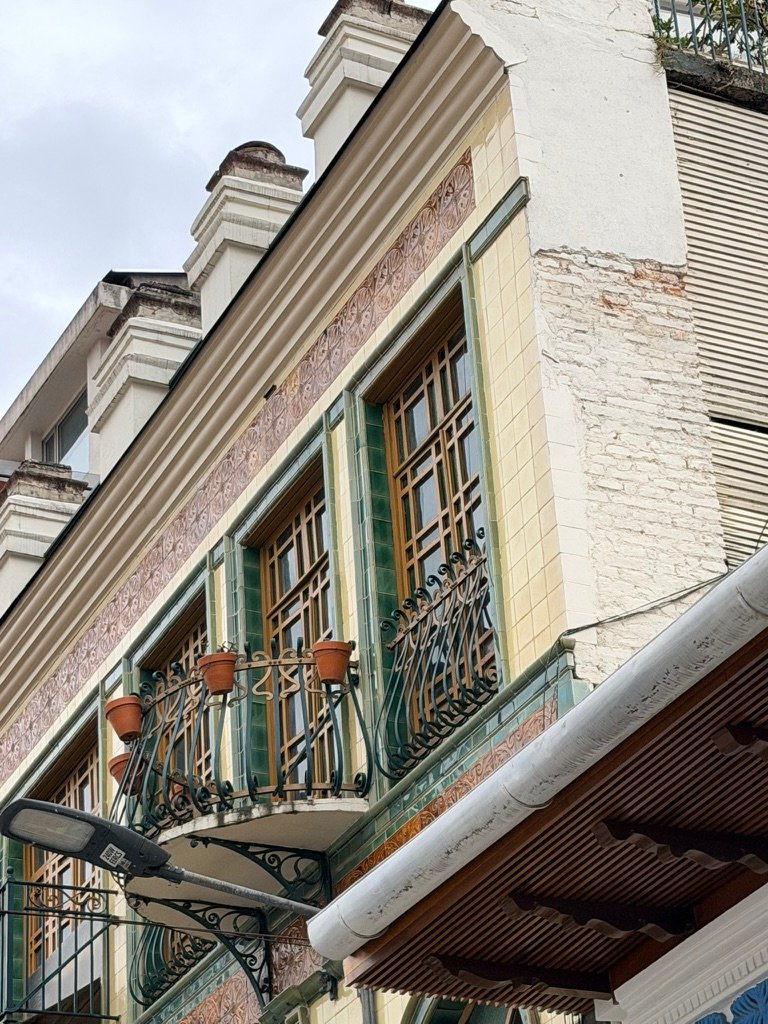
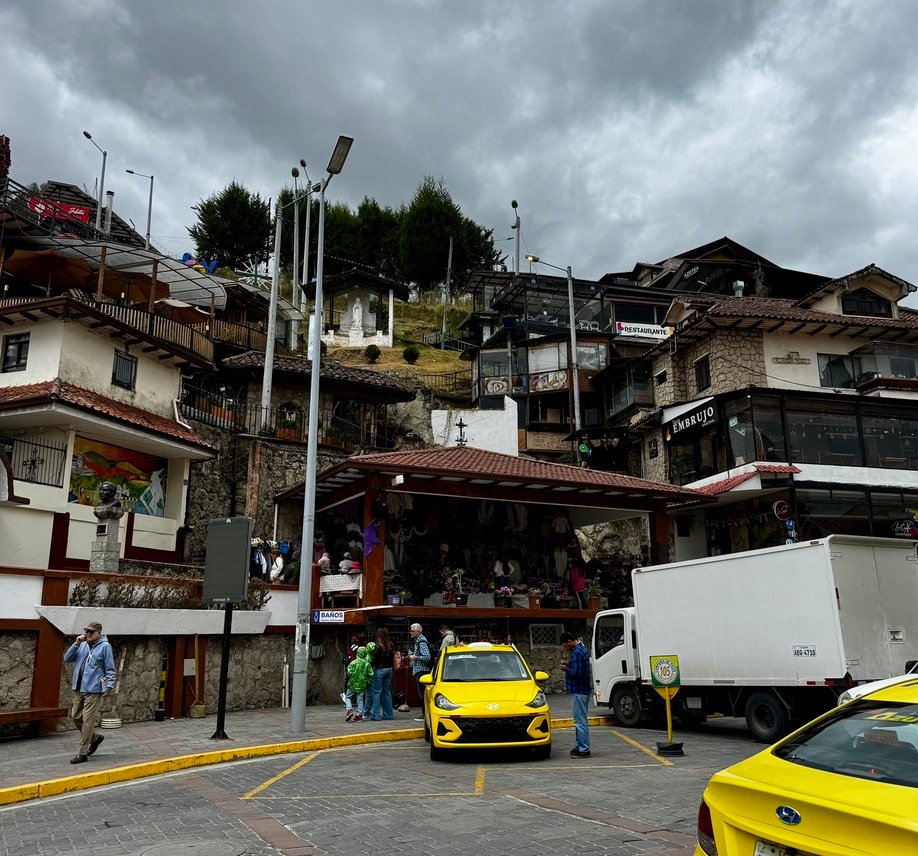
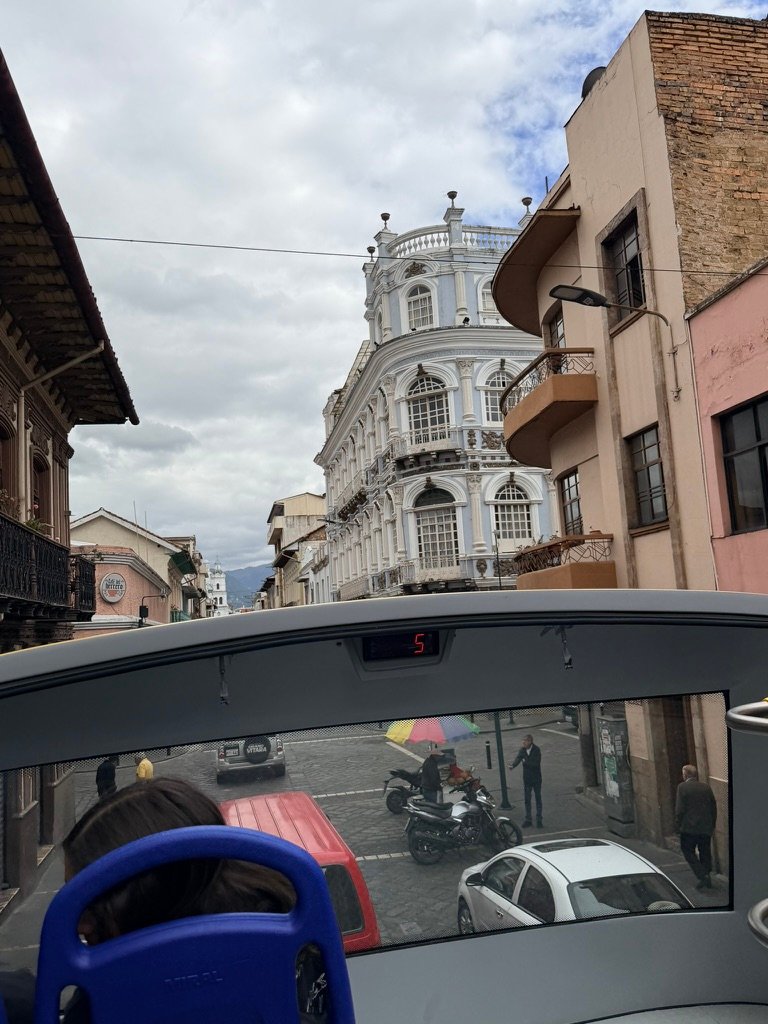
Please remain seated
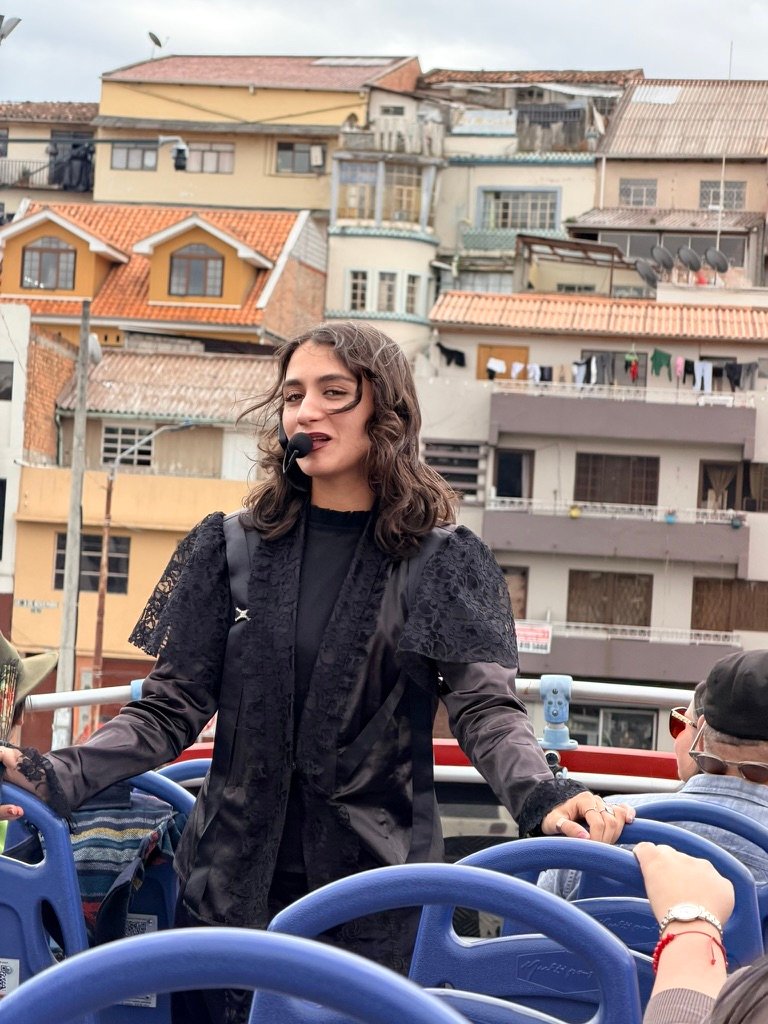
The sultry tour guide made the bus ride back into town far more enjoyable than we had expected. She also DJ’d the music, adding an unexpectedly lively soundtrack as we rolled back toward Cuenca. In this photo, she is standing at the front of the open upper deck, facing the other travelers. This may not seem like a big deal but there were parts of the route where there were very low power lines. Standing at the wrong moment could have caused a serious injury, or worse. She seemed to know when it was safe to stand and walk around though.

Got goat milk?
After the bus ride, we headed back home. On the way we walked by this gentleman and his goats. It is my understanding that you can get fresh goat milk from this man. At the time we passed him, we had no idea that this was the deal. I wonder when this became a business model and more importantly, how the goats feel about it.

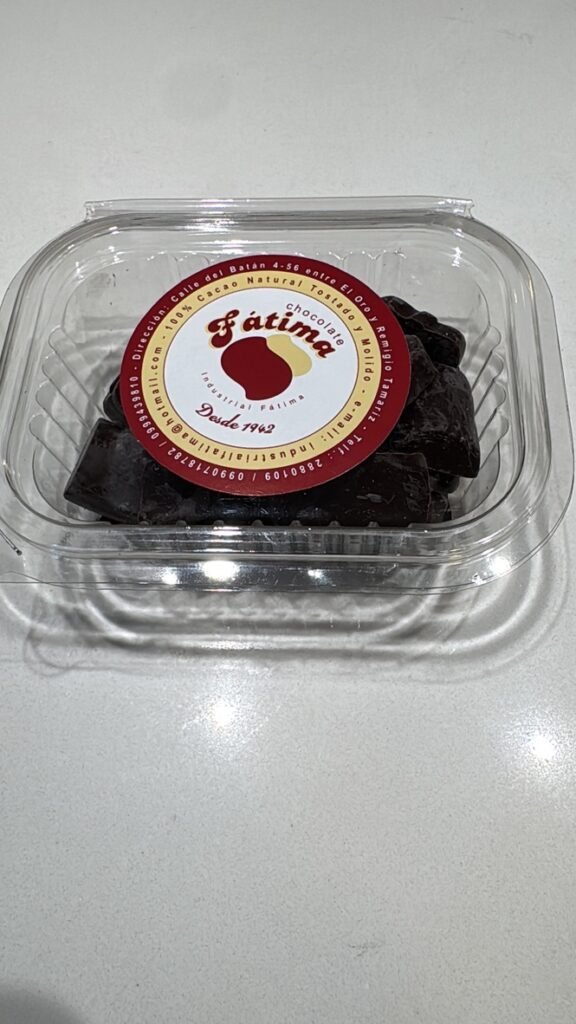
Fatima Chocolates
We also decided to stop at Fatima Chocolates. This is a chocolatier that is only a few blocks east of our Airbnb. Val’s friend John also lives east of town and he came with us.
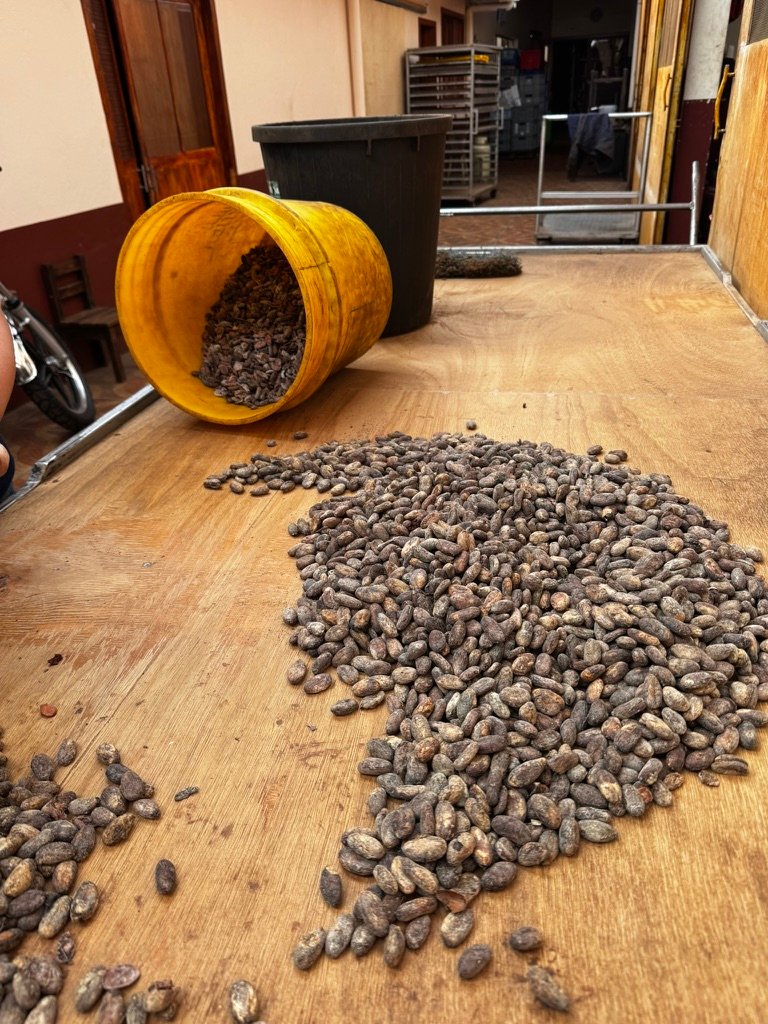
We learned how chocolate was made… in Spanish. John’s Spanish is better than mine. I basically understood but missed a lot.

Big bags of cacao beans.

Does anyone want a bucket of chocolate?
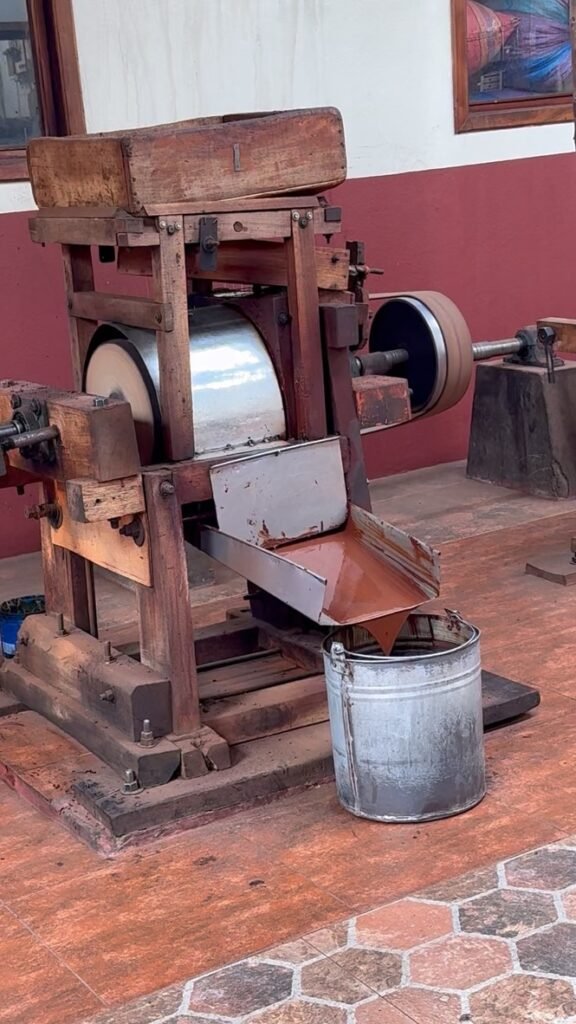
Julie is wondering when they are going to let us try some chocolate.

This is where the cacao beans are roasted in a rotating drum. The process was once entirely manual and remains remarkably hands-on: while the drum now turns on its own, the roasting is still closely monitored and carefully managed throughout.

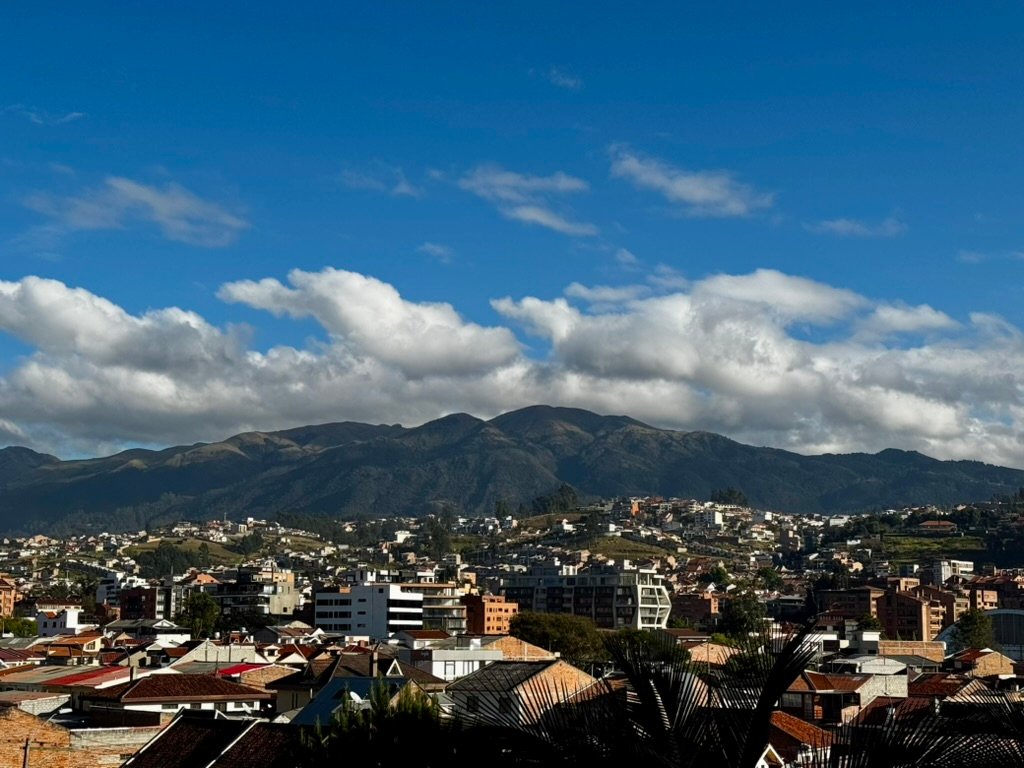
The Hangover
South of our airbnb there is this defunct club called the HANGOVER. We walked around the back of it and it’s clearly no longer in business. Kind of a cool idea though. Too bad we will never got to go there.


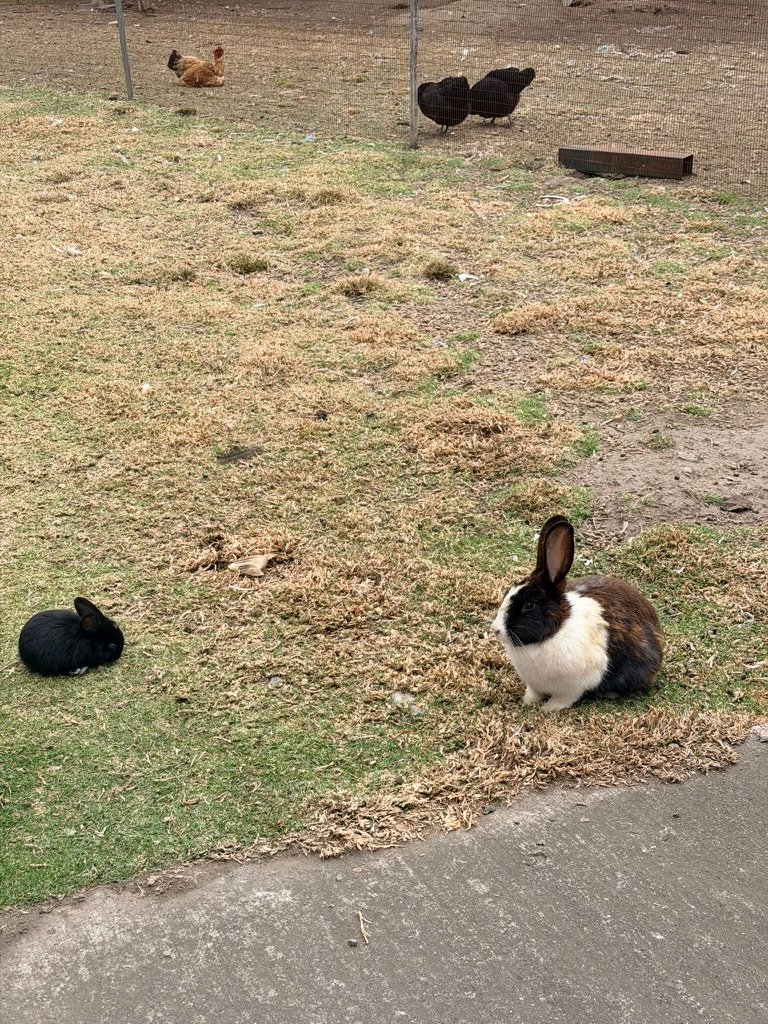
Rabbits and Chickens
Julie and I were walking a few blocks west of our Airbnb and noticed this yard with chickens and rabbits.
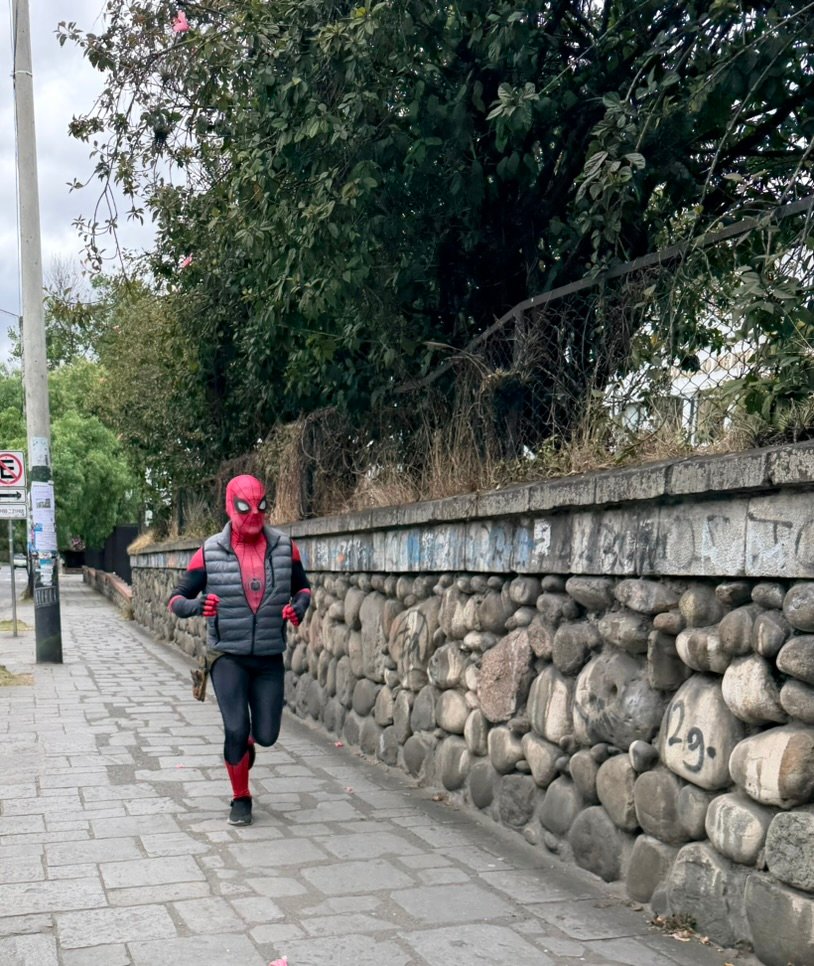
Spiderman
Julie spotted Spiderman heading into the Centro Histórico. It’s good to know we will be safe.
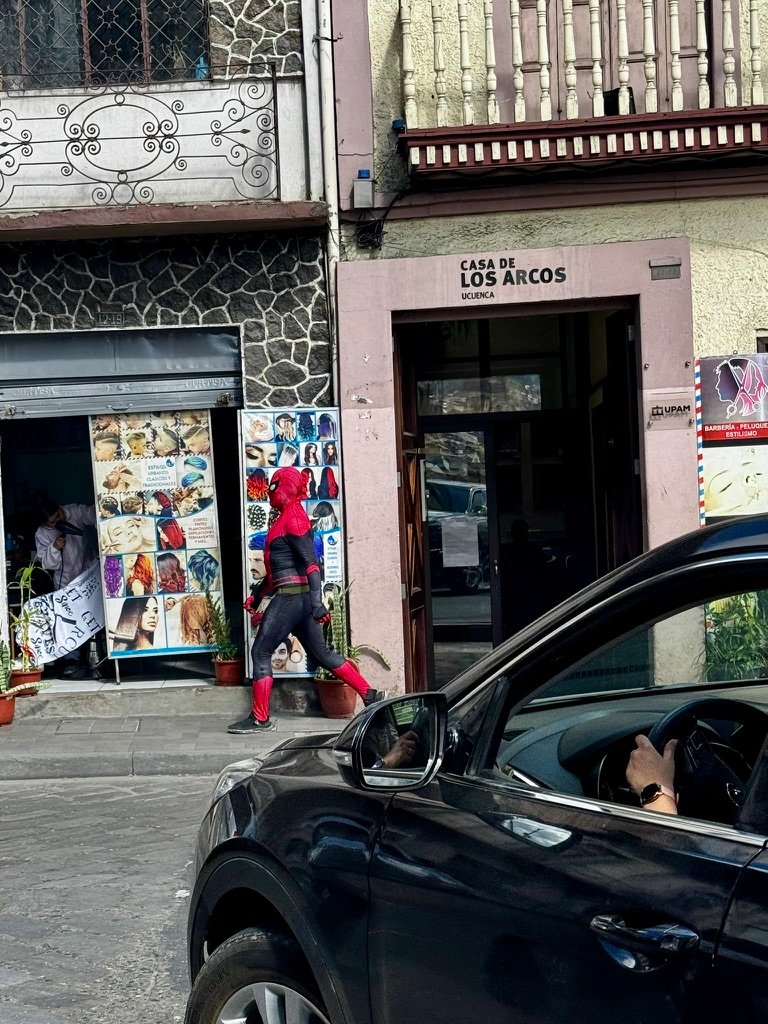
We saw Spiderman again later in the trip. I guess he was on the way to work.
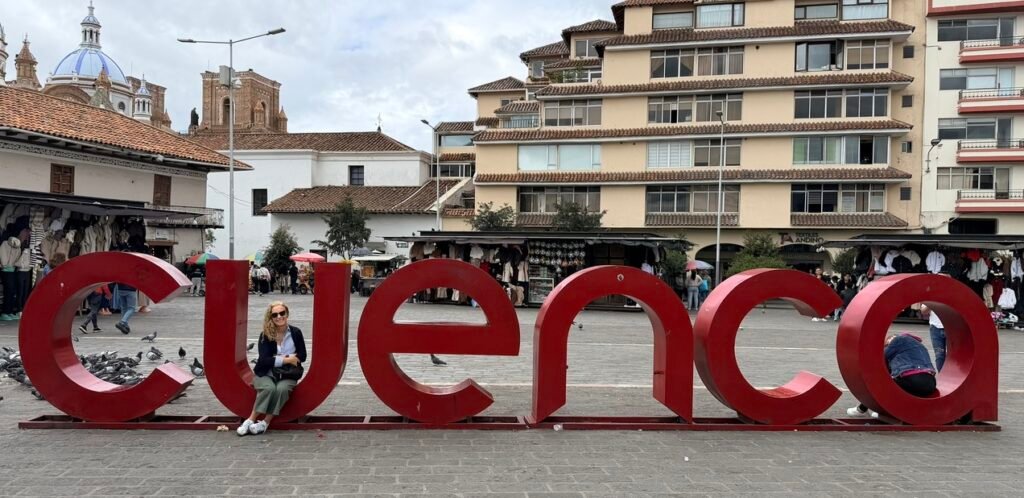
Seeing Cuenca for the first time
The next morning we headed out on foot to see the city.
First thing first – Coffee
We had coffee at a small coffee shop called Sinfonía Café that was really amazing! Small batch medium and light roast coffees, all soured from Ecuador.

The picture below shows the manager doing quality control one bean at a time.

Walking up the steps to El Centro Histórico.


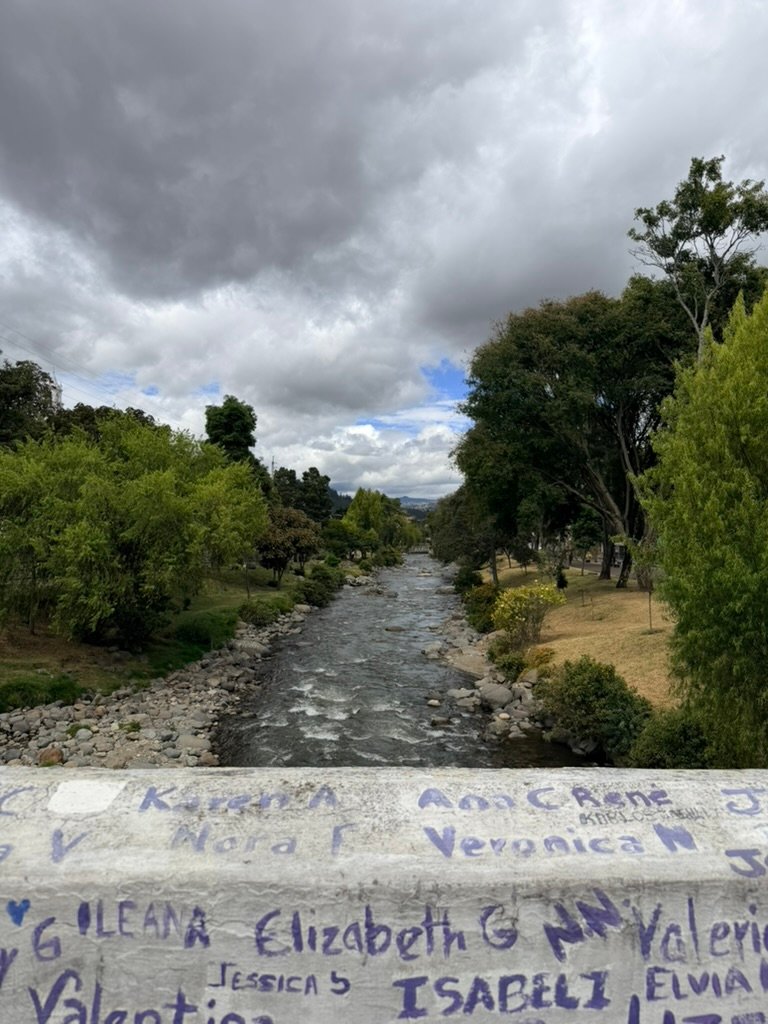
This is the Rio (River) Tomebamba. It is one of four rivers that flow through Cuenca. The Rio Tomebamba is just a few blocks from our Airbnb and runs east to west just south of El Centro Histórico (historical center).
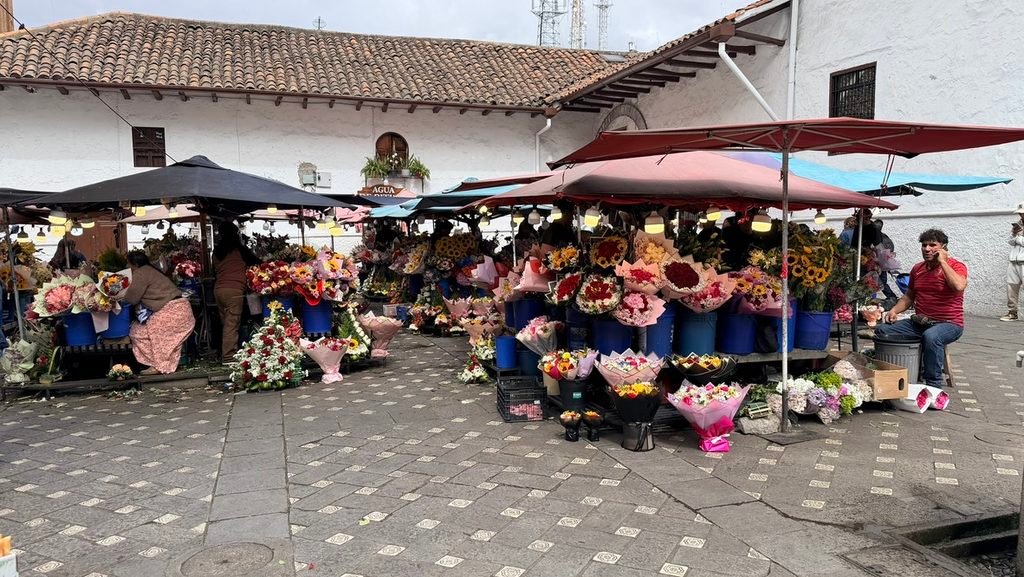
The Plaza de las Flores
Cuenca’s famous flower market is the Plaza de las Flores, a small, fragrant open-air market in the Centro Histórico. It sits beside the Iglesia and Monastery of El Carmen de la Asunción, at the corner of Mariscal Sucre and Padre Aguirre, only a short walk from Parque Calderón and the New Cathedral.
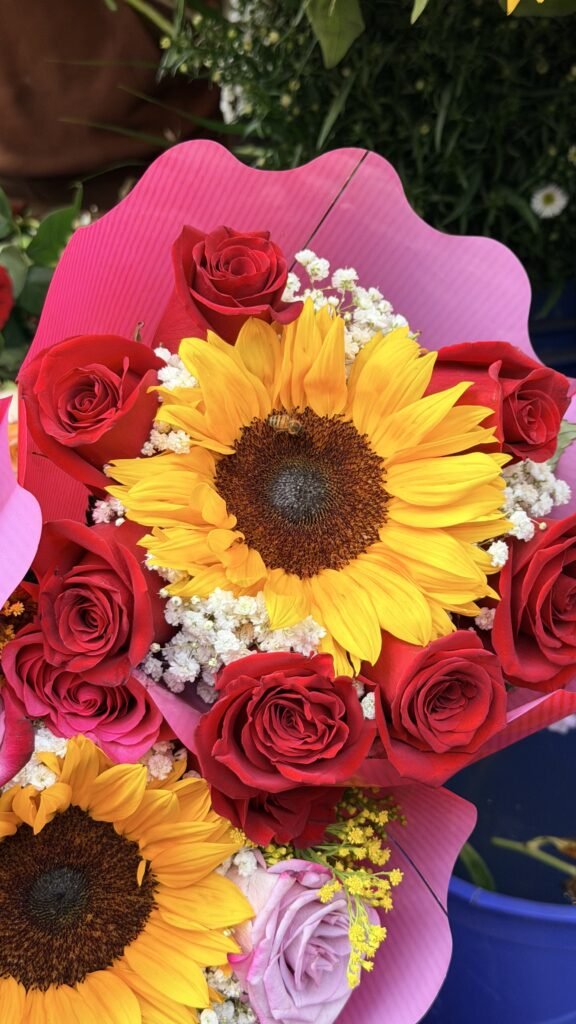
There is a small bee on the upper sunflower. Can you see it?
You can see the blue domes that are on the back side of the cathedral.

The Catedral de la Immaculada Conceptión de Cuenca
This is the Catedral de la Immaculada Conceptión de Cuenca. The Cathedral of the Immaculate Conception—usually called Cuenca’s New Cathedral—was designed with more substantial, Gothic-style front towers and spires. But during its long construction, engineers concluded that the building’s foundations and the ground beneath them could not safely support the additional weight. The cathedral was therefore consecrated in 1967 without the intended upper portions of the towers, and the project was officially considered complete in 1975.
Tourists can go up to the cathedral’s terrace/rooftop, although you do not climb inside the unfinished front towers themselves. The viewpoint is known as the Terraza Santa Ana, and it gives you close-up views of the blue domes, the truncated towers, Parque Calderón, and Cuenca’s historic center.


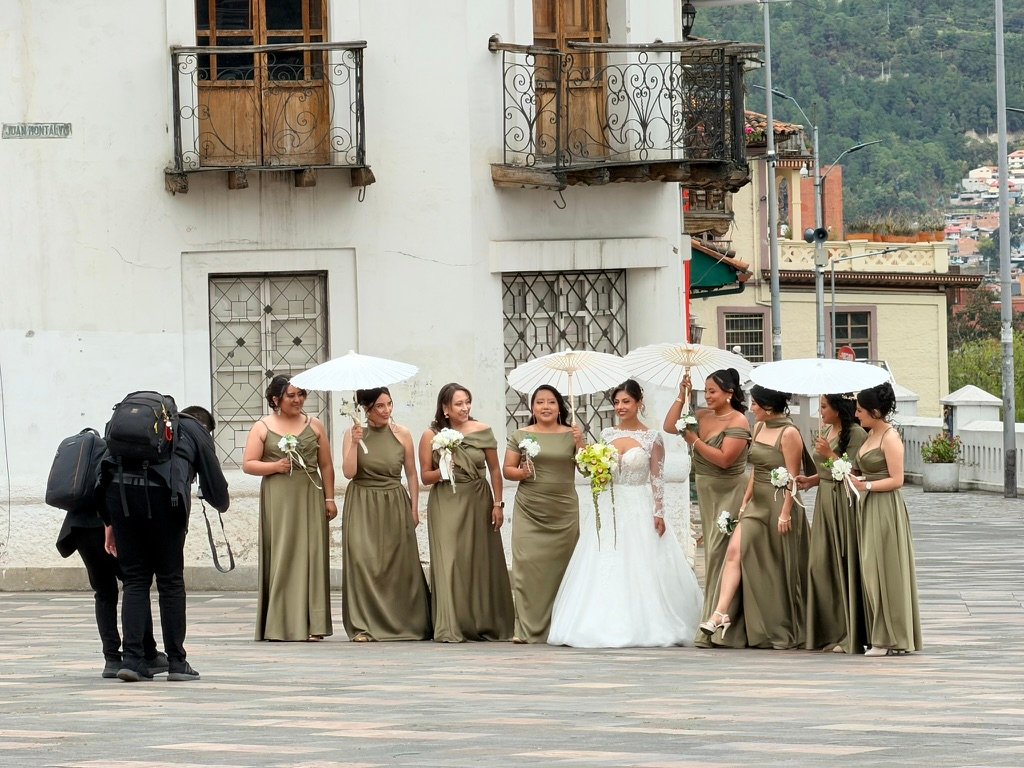
We stumbled onto a wedding as we were heading back home.
Dogs protecting the Funeraria
On the way to dinner, from the taxi, we saw this funeraria. It was closed but it had three dogs guarding it. They actually seemed pretty friendly.

A van to Cuenca
The ride was around 4.5 hours. We kep thinking that the driver would stop for a bathroom break, but nobody ever raised their hands, and he never did.
This is a picture through a tinted window from the van that brought us from Guyaquil.
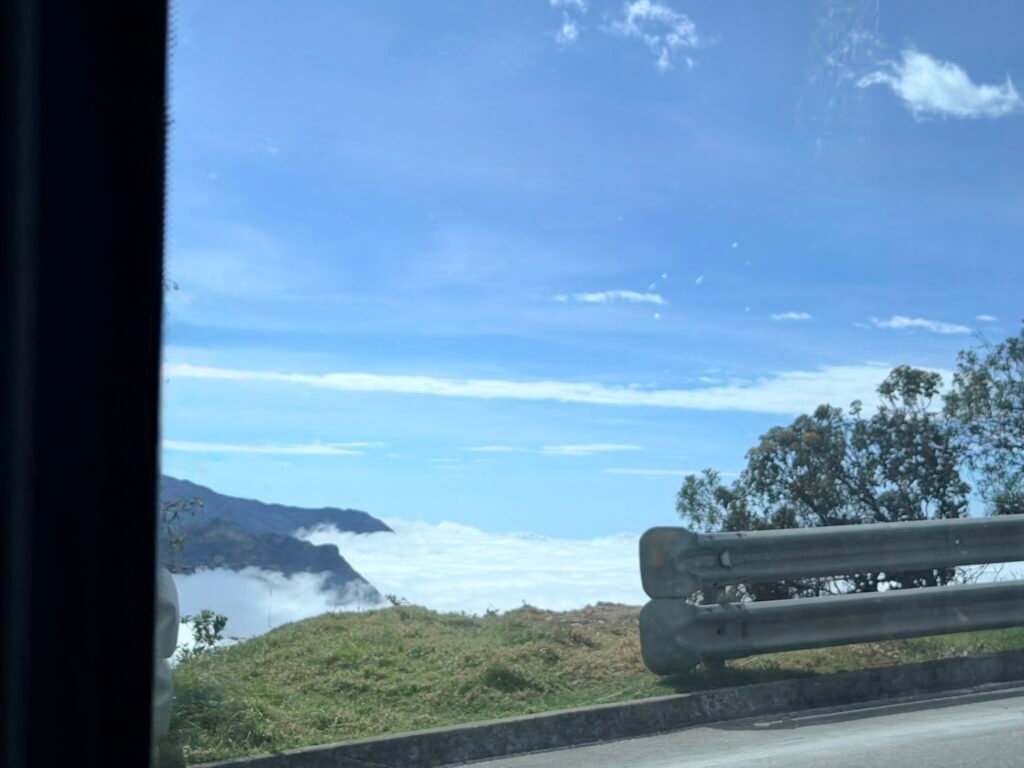
We are above the clouds!

Arrival at our Airbnb
Eventually we got to Cuenca and checked into our Airbnb. Unlike Toronto, it was really nice! This is a view from our balcony at dusk. There is also a big mall just to the left of frame which isn’t quite as attractive.

The flight to Guayaquil
We flew into Guayaquil, Ecuador on August 13th. We stayed overnight at a hotel near the airport and left for Cuenca the next morning in a van with around 8 other folks.
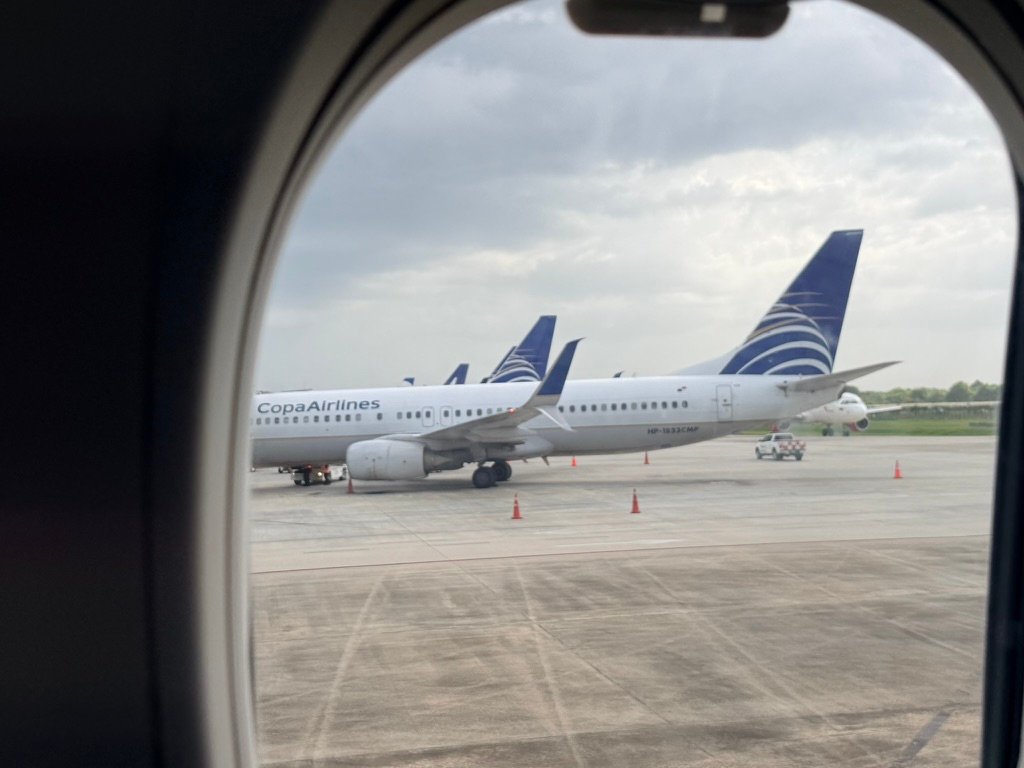
Copa Airlines based out of Panama treated us well on our journey.

Julie pulled out here Spanish study guide from the St. Paul Community ed class she took a few years ago.